SJH Enterprises — Verified Supplier

About SJH Enterprises - Dehydrated Spices Supplier in India

India hosts SJH Enterprises, which lists 71 active products across several food categories. The catalogue includes items such as coffee, pine nuts, pistachios, walnuts, pumpkin seeds, saffron, raisins, sesame seeds, poppy seeds, jaggery, prunes, apricot, groundnut, cashew nut, flax seed, figs, fox nuts, chestnut, coconut, charoli, betel nut and a range of Indian masalas like Shami Masala, Chicken Tikka Masala and Palak Paneer Masala. Each entry is grouped under broader categories like Dehydrated Spices, Readymade Cooking Pastes, Food Raw Material, Snacks, Processed Food, Dehydrated Fruits, Red Chilli and Pine Nuts. The product list reflects typical Indian export commodities that fall under HS‑code families for nuts (0801‑0805), seeds (1207), dried fruits (0806), coffee (0901) and prepared spice mixes (2106). SJH Enterprises does not disclose specific certifications in the provided data, so buyers should verify any required quality or safety certificates during the sourcing process.

Product Range and Specialties of SJH Enterprises

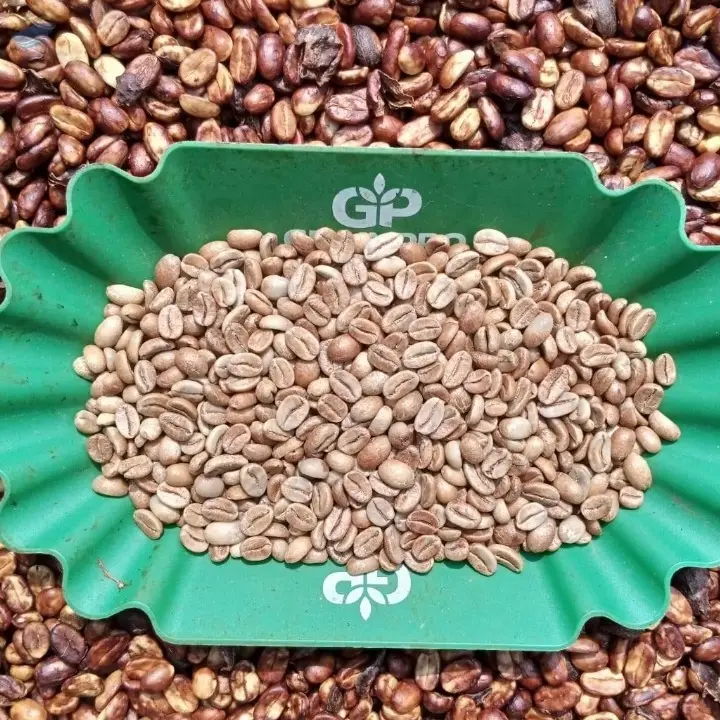
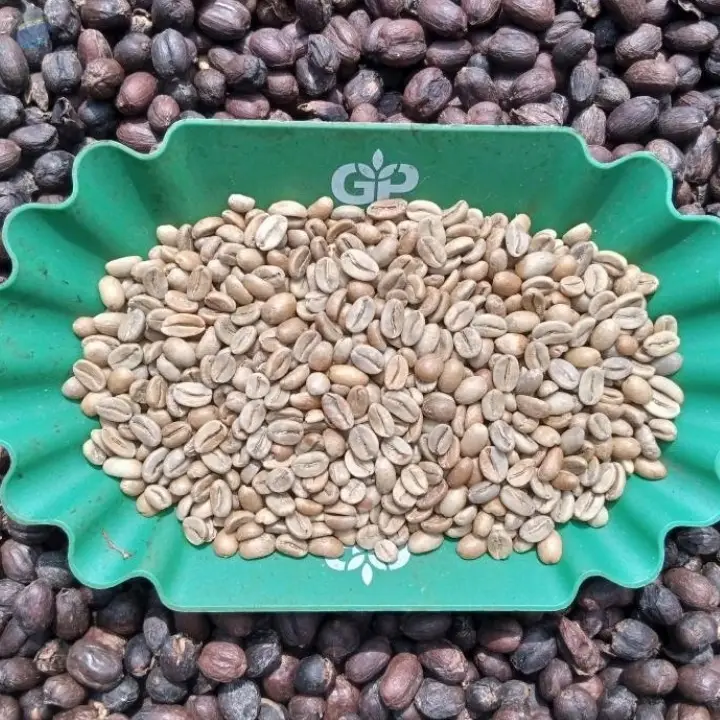
The catalogue covers a spectrum of dry agricultural commodities: tree nuts (pine, pistachio, walnut, cashew, chestnut, coconut), oilseeds and edible seeds (pumpkin, sesame, poppy, flax, fox nuts, groundnut), dried fruits (raisins, prunes, apricot, figs), and specialty spices (saffron, red chilli, assorted masalas). In the spice segment, Indian masalas are typically blended to ISO‑9001 food‑grade standards, with moisture content below 12 % and particle size uniformity for consistent flavor release. Industry standards for these commodities include size grading (e.g., pine nuts 12‑15 mm), moisture limits (nuts <5 %, seeds <8 %), and purity specifications such as saffron ISO 3632 Grade I (≥250 mg kg⁻¹ crocin). Coffee beans are usually sorted by species (Arabica vs. Robusta), bean size (screen size 15‑18), and moisture ≤12 %. Buyers can expect packaging in 25 kg polypropylene bags for nuts and seeds, 10 kg jute sacks for dried fruits, and bulk containers for coffee beans.

Trade and Export Information - SJH Enterprises

India is a major exporter of nuts, seeds and spice blends to the Middle East, Europe, the United States and Southeast Asia. Typical HS‑code families used for customs clearance are 0801‑0805 for nuts, 1207 for edible seeds, 0806 for dried fruits, 0901 for coffee beans and 2106 for processed spice mixes. Importing countries often require a phytosanitary certificate, a certificate of origin and, where applicable, organic or fair‑trade certifications. Logistically, bulk shipments are loaded in 20‑ft or 40‑ft containers, with nuts and seeds commonly packed in 25 kg bags stacked on pallets, while spice pastes are shipped in food‑grade drums or bulk tanks. Indian exporters frequently operate under CIF or FOB terms, and buyers should confirm that the supplier can provide FSSC 22000 or ISO 22000 audit reports if required for food‑safety compliance.

Sourcing from SJH Enterprises - Buyer Guidance

When approaching SJH Enterprises, request sample batches that include moisture analysis, aflatoxin testing (for nuts) and pesticide residue reports where relevant. Verify that the supplier can furnish a phytosanitary certificate, a certificate of origin and any third‑party lab reports that match the typical specifications outlined above. Buyers should also confirm packaging details (bag size, liner material) and ask for a draft commercial invoice that lists HS codes and unit weights. Establishing a clear agreement on lead time - generally 30‑45 days for bulk nuts and 20‑30 days for spice mixes - helps align production schedules with shipping windows.

Frequently Asked Questions About SJH Enterprises

What product categories does SJH Enterprises list in its catalogue?

The catalogue includes nuts (pine, pistachio, walnut, cashew, chestnut, coconut), edible seeds (pumpkin, sesame, poppy, flax, fox nuts, groundnut), dried fruits (raisins, prunes, apricot, figs), coffee beans, saffron, jaggery and a range of Indian masala blends.

Which HS‑code families are relevant for the goods offered by SJH Enterprises?

Typical HS codes are 0801‑0805 for nuts, 1207 for seeds, 0806 for dried fruits, 0901 for coffee beans and 2106 for prepared spice mixes.

What quality specifications should a buyer check for Indian nuts and seeds?

Buyers usually verify size grading, moisture content below 5‑8 %, aflatoxin limits (≤10 µg kg⁻¹ for most nuts) and pesticide residue compliance with Codex limits.

Are certifications such as ISO or organic required from SJH Enterprises?

The supplied data does not list specific certifications. Buyers are advised to request ISO 9001, FSSC 22000 or organic certificates if those standards are needed for their market.

What documentation is typically needed before importing these products?

Standard documents include a phytosanitary certificate, a certificate of origin, a commercial invoice with HS codes, and any lab test reports for moisture, aflatoxin or pesticide residues.

What are the common packaging formats for the nuts and seeds?

Nuts and seeds are usually packed in 25 kg polypropylene bags placed on standard pallets; larger bulk orders may be container‑loaded directly on wooden pallets.

What lead times can a buyer expect for bulk orders?

Lead times are generally 30‑45 days for bulk nut shipments and 20‑30 days for spice pastes, depending on product availability and seasonality.

Which regions are the primary import markets for these Indian commodities?

Key import markets include the European Union, the United States, the Middle East and Southeast Asian countries, which commonly source Indian nuts, seeds and spice blends.


Other Suppliers in Dehydrated Spices

Top Trusted Suppliers

Related Products in Dehydrated Spices

Trending in Parent Category

More Suppliers in Parent Category

Related Products

Other Suppliers

EximNext
58.4K+ live requirements
Register Free🎁 5 free buy-lead credits
Post Requirement
🌍 Trusted by 224.3K+ businesses in 200+ countries|
58.4K+ active requirements right now
✉️ [email protected]
|
Sell on EximNextPost Requirement
EximNext
AgricultureApparelConstructionElectronicFoodHomeIndustrialMineralsMiscellaneous
🔥 Deals|✨ AI Match|🏭 Suppliers|📋 Buy Leads|💰 Trade Finance|⭐ Upgrade
58.4K+ live RFQs·194.4K+ suppliers
🎁 5 free credits →
EximNext
EximNext
Register Free
🎁 5 free buy-lead credits
Sign In
📋Post Requirement💬Get QuotesAI Match📋RFQ Marketplace
All Categories
Services & Tools
🏭Supplier Directory🔥Today's Deals💰Trade FinanceMembership
Sell on EximNext
AboutContactBlogHelp
🏭

SJH Enterprises

Harbor
Country flag , India
🛡️
79/100
Trust Score

SJH Enterprises Product Catalog

Showing 12 of 71 products
View all products →
Chicken Tandoori Masala
Harbor
Chicken Tandoori Masala
Contact
MOQ: 1 Unit
Chat Masala
Harbor
Chat Masala
Contact
MOQ: 1 Unit
Watermelon Seeds
Harbor
Watermelon Seeds
Contact
MOQ: 1 Unit
Biryani Masala
Harbor
Biryani Masala
Contact
MOQ: 1 Unit
Chicken Masala
Harbor
Chicken Masala
Contact
MOQ: 1 Unit
Butter Paneer Masala
Harbor
Butter Paneer Masala
Contact
MOQ: 1 Unit
Chana Masala
Harbor
Chana Masala
Contact
MOQ: 1 Unit
Black Pepper
Harbor
Black Pepper
Contact
MOQ: 1 Unit
Butter Chicken Masala
Harbor
Butter Chicken Masala
Contact
MOQ: 1 Unit
Whole Red Chilli
Harbor
Whole Red Chilli
Contact
MOQ: 1 Unit
Pigeon Peas (Arhar Daal)
Harbor
Pigeon Peas (Arhar Daal)
Contact
MOQ: 1 Unit
Green Peas (Matar)
Harbor
Green Peas (Matar)
Contact
MOQ: 1 Unit

About SJH Enterprises - Dehydrated Spices Supplier in India

India hosts SJH Enterprises, which lists 71 active products across several food categories. The catalogue includes items such as coffee, pine nuts, pistachios, walnuts, pumpkin seeds, saffron, raisins, sesame seeds, poppy seeds, jaggery, prunes, apricot, groundnut, cashew nut, flax seed, figs, fox nuts, chestnut, coconut, charoli, betel nut and a range of Indian masalas like Shami Masala, Chicken Tikka Masala and Palak Paneer Masala. Each entry is grouped under broader categories like Dehydrated Spices, Readymade Cooking Pastes, Food Raw Material, Snacks, Processed Food, Dehydrated Fruits, Red Chilli and Pine Nuts. The product list reflects typical Indian export commodities that fall under HS‑code families for nuts (0801‑0805), seeds (1207), dried fruits (0806), coffee (0901) and prepared spice mixes (2106). SJH Enterprises does not disclose specific certifications in the provided data, so buyers should verify any required quality or safety certificates during the sourcing process.

Product Range and Specialties of SJH Enterprises

The catalogue covers a spectrum of dry agricultural commodities: tree nuts (pine, pistachio, walnut, cashew, chestnut, coconut), oilseeds and edible seeds (pumpkin, sesame, poppy, flax, fox nuts, groundnut), dried fruits (raisins, prunes, apricot, figs), and specialty spices (saffron, red chilli, assorted masalas). In the spice segment, Indian masalas are typically blended to ISO‑9001 food‑grade standards, with moisture content below 12 % and particle size uniformity for consistent flavor release. Industry standards for these commodities include size grading (e.g., pine nuts 12‑15 mm), moisture limits (nuts <5 %, seeds <8 %), and purity specifications such as saffron ISO 3632 Grade I (≥250 mg kg⁻¹ crocin). Coffee beans are usually sorted by species (Arabica vs. Robusta), bean size (screen size 15‑18), and moisture ≤12 %. Buyers can expect packaging in 25 kg polypropylene bags for nuts and seeds, 10 kg jute sacks for dried fruits, and bulk containers for coffee beans.

Trade and Export Information - SJH Enterprises

India is a major exporter of nuts, seeds and spice blends to the Middle East, Europe, the United States and Southeast Asia. Typical HS‑code families used for customs clearance are 0801‑0805 for nuts, 1207 for edible seeds, 0806 for dried fruits, 0901 for coffee beans and 2106 for processed spice mixes. Importing countries often require a phytosanitary certificate, a certificate of origin and, where applicable, organic or fair‑trade certifications. Logistically, bulk shipments are loaded in 20‑ft or 40‑ft containers, with nuts and seeds commonly packed in 25 kg bags stacked on pallets, while spice pastes are shipped in food‑grade drums or bulk tanks. Indian exporters frequently operate under CIF or FOB terms, and buyers should confirm that the supplier can provide FSSC 22000 or ISO 22000 audit reports if required for food‑safety compliance.

Sourcing from SJH Enterprises - Buyer Guidance

When approaching SJH Enterprises, request sample batches that include moisture analysis, aflatoxin testing (for nuts) and pesticide residue reports where relevant. Verify that the supplier can furnish a phytosanitary certificate, a certificate of origin and any third‑party lab reports that match the typical specifications outlined above. Buyers should also confirm packaging details (bag size, liner material) and ask for a draft commercial invoice that lists HS codes and unit weights. Establishing a clear agreement on lead time - generally 30‑45 days for bulk nuts and 20‑30 days for spice mixes - helps align production schedules with shipping windows.

Frequently Asked Questions About SJH Enterprises

What product categories does SJH Enterprises list in its catalogue?

The catalogue includes nuts (pine, pistachio, walnut, cashew, chestnut, coconut), edible seeds (pumpkin, sesame, poppy, flax, fox nuts, groundnut), dried fruits (raisins, prunes, apricot, figs), coffee beans, saffron, jaggery and a range of Indian masala blends.

Which HS‑code families are relevant for the goods offered by SJH Enterprises?

Typical HS codes are 0801‑0805 for nuts, 1207 for seeds, 0806 for dried fruits, 0901 for coffee beans and 2106 for prepared spice mixes.

What quality specifications should a buyer check for Indian nuts and seeds?

Buyers usually verify size grading, moisture content below 5‑8 %, aflatoxin limits (≤10 µg kg⁻¹ for most nuts) and pesticide residue compliance with Codex limits.

Are certifications such as ISO or organic required from SJH Enterprises?

The supplied data does not list specific certifications. Buyers are advised to request ISO 9001, FSSC 22000 or organic certificates if those standards are needed for their market.

What documentation is typically needed before importing these products?

Standard documents include a phytosanitary certificate, a certificate of origin, a commercial invoice with HS codes, and any lab test reports for moisture, aflatoxin or pesticide residues.

What are the common packaging formats for the nuts and seeds?

Nuts and seeds are usually packed in 25 kg polypropylene bags placed on standard pallets; larger bulk orders may be container‑loaded directly on wooden pallets.

What lead times can a buyer expect for bulk orders?

Lead times are generally 30‑45 days for bulk nut shipments and 20‑30 days for spice pastes, depending on product availability and seasonality.

Which regions are the primary import markets for these Indian commodities?

Key import markets include the European Union, the United States, the Middle East and Southeast Asian countries, which commonly source Indian nuts, seeds and spice blends.

About SJH Enterprises - Dehydrated Spices Supplier in India

India hosts SJH Enterprises, which lists 71 active products across several food categories. The catalogue includes items such as coffee, pine nuts, pistachios, walnuts, pumpkin seeds, saffron, raisins, sesame seeds, poppy seeds, jaggery, prunes, apricot, groundnut, cashew nut, flax seed, figs, fox nuts, chestnut, coconut, charoli, betel nut and a range of Indian masalas like Shami Masala, Chicken Tikka Masala and Palak Paneer Masala. Each entry is grouped under broader categories like Dehydrated Spices, Readymade Cooking Pastes, Food Raw Material, Snacks, Processed Food, Dehydrated Fruits, Red Chilli and Pine Nuts. The product list reflects typical Indian export commodities that fall under HS‑code families for nuts (0801‑0805), seeds (1207), dried fruits (0806), coffee (0901) and prepared spice mixes (2106). SJH Enterprises does not disclose specific certifications in the provided data, so buyers should verify any required quality or safety certificates during the sourcing process.

Product Range and Specialties of SJH Enterprises

The catalogue covers a spectrum of dry agricultural commodities: tree nuts (pine, pistachio, walnut, cashew, chestnut, coconut), oilseeds and edible seeds (pumpkin, sesame, poppy, flax, fox nuts, groundnut), dried fruits (raisins, prunes, apricot, figs), and specialty spices (saffron, red chilli, assorted masalas). In the spice segment, Indian masalas are typically blended to ISO‑9001 food‑grade standards, with moisture content below 12 % and particle size uniformity for consistent flavor release. Industry standards for these commodities include size grading (e.g., pine nuts 12‑15 mm), moisture limits (nuts <5 %, seeds <8 %), and purity specifications such as saffron ISO 3632 Grade I (≥250 mg kg⁻¹ crocin). Coffee beans are usually sorted by species (Arabica vs. Robusta), bean size (screen size 15‑18), and moisture ≤12 %. Buyers can expect packaging in 25 kg polypropylene bags for nuts and seeds, 10 kg jute sacks for dried fruits, and bulk containers for coffee beans.

Trade and Export Information - SJH Enterprises

India is a major exporter of nuts, seeds and spice blends to the Middle East, Europe, the United States and Southeast Asia. Typical HS‑code families used for customs clearance are 0801‑0805 for nuts, 1207 for edible seeds, 0806 for dried fruits, 0901 for coffee beans and 2106 for processed spice mixes. Importing countries often require a phytosanitary certificate, a certificate of origin and, where applicable, organic or fair‑trade certifications. Logistically, bulk shipments are loaded in 20‑ft or 40‑ft containers, with nuts and seeds commonly packed in 25 kg bags stacked on pallets, while spice pastes are shipped in food‑grade drums or bulk tanks. Indian exporters frequently operate under CIF or FOB terms, and buyers should confirm that the supplier can provide FSSC 22000 or ISO 22000 audit reports if required for food‑safety compliance.

Sourcing from SJH Enterprises - Buyer Guidance

When approaching SJH Enterprises, request sample batches that include moisture analysis, aflatoxin testing (for nuts) and pesticide residue reports where relevant. Verify that the supplier can furnish a phytosanitary certificate, a certificate of origin and any third‑party lab reports that match the typical specifications outlined above. Buyers should also confirm packaging details (bag size, liner material) and ask for a draft commercial invoice that lists HS codes and unit weights. Establishing a clear agreement on lead time - generally 30‑45 days for bulk nuts and 20‑30 days for spice mixes - helps align production schedules with shipping windows.

Frequently Asked Questions About SJH Enterprises
What product categories does SJH Enterprises list in its catalogue?
The catalogue includes nuts (pine, pistachio, walnut, cashew, chestnut, coconut), edible seeds (pumpkin, sesame, poppy, flax, fox nuts, groundnut), dried fruits (raisins, prunes, apricot, figs), coffee beans, saffron, jaggery and a range of Indian masala blends.
Which HS‑code families are relevant for the goods offered by SJH Enterprises?
Typical HS codes are 0801‑0805 for nuts, 1207 for seeds, 0806 for dried fruits, 0901 for coffee beans and 2106 for prepared spice mixes.
What quality specifications should a buyer check for Indian nuts and seeds?
Buyers usually verify size grading, moisture content below 5‑8 %, aflatoxin limits (≤10 µg kg⁻¹ for most nuts) and pesticide residue compliance with Codex limits.
Are certifications such as ISO or organic required from SJH Enterprises?
The supplied data does not list specific certifications. Buyers are advised to request ISO 9001, FSSC 22000 or organic certificates if those standards are needed for their market.
What documentation is typically needed before importing these products?
Standard documents include a phytosanitary certificate, a certificate of origin, a commercial invoice with HS codes, and any lab test reports for moisture, aflatoxin or pesticide residues.
What are the common packaging formats for the nuts and seeds?
Nuts and seeds are usually packed in 25 kg polypropylene bags placed on standard pallets; larger bulk orders may be container‑loaded directly on wooden pallets.
What lead times can a buyer expect for bulk orders?
Lead times are generally 30‑45 days for bulk nut shipments and 20‑30 days for spice pastes, depending on product availability and seasonality.
Which regions are the primary import markets for these Indian commodities?
Key import markets include the European Union, the United States, the Middle East and Southeast Asian countries, which commonly source Indian nuts, seeds and spice blends.

🏭
SJH Enterprises
Country flag , India
Harbor
79/100
Trust Score
📦
71
Products
Free to contact — no commission
Escrow payment available
Verified business identity
Compare more suppliers
Post a requirement — get 10 quotes free
Let verified suppliers compete for your business. Free, fast, no commitment.
EximNext Verified Supplier
Business identity verified
Physical address confirmed
Financial history checked
Certifications authenticated
Trade references validated
Due Diligence
Verify this supplier's real shipping history.
Every shipment, every buyer, every port. Trade data that can't be faked.
Run due diligence →
Discover More

Related Suppliers & Products

Explore similar suppliers, related products and trending categories

Other Suppliers in Dehydrated Spices

Top Trusted Suppliers

Related Products in Dehydrated Spices

Trending in Parent Category

More Suppliers in Parent Category

Stay ahead in global trade
Weekly market insights & new supplier alerts.
EximNext
Exim Next is a leading global B2B marketplace, connecting over 205,000 verified suppliers and buyers across 200+ countries. As a trusted import export marketplace, it serves as the essential B2B portal for businesses worldwide, empowering them to expand their international reach. With Exim Next, businesses can trade smarter and grow faster.
SECURE PAYMENTS
VISAMastercardPayPalSWIFTL/CEscrow
Follow us
© 2026 EximNext