Balaji Commodities — Verified Supplier

About Balaji Commodities - Food Raw Material Supplier in Pakistan

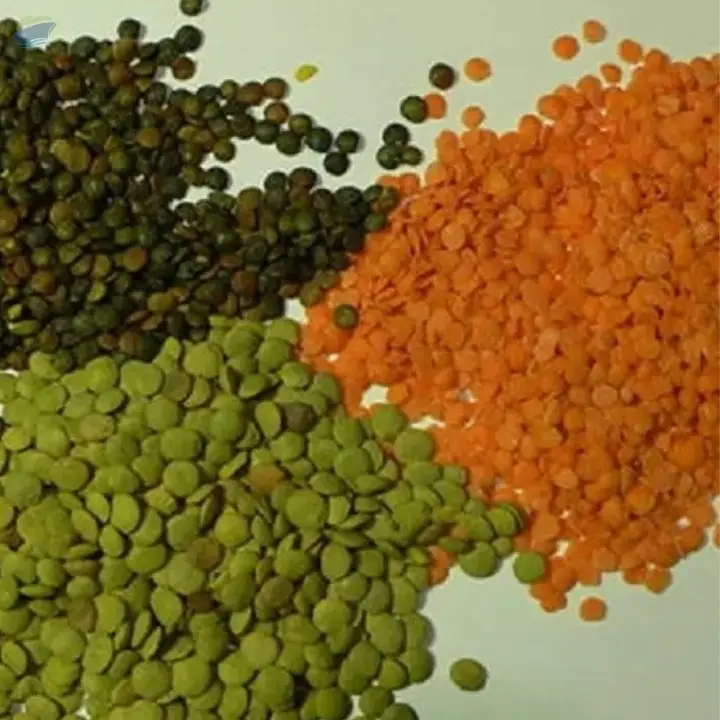
Balaji Commodities is based in Pakistan and currently lists five distinct food raw material products. The catalogue comprises Black masoor, Red chilli, Peanut, Sunflower seeds and Almond. The Almond entry is recorded under HS code 0802.12 and identified as dried Prunus dulcis kernels. The other four items are listed without specific HS codes in the supplied data. All products fall under the broader categories of Food Raw Material, Red Chilli, Peanuts, Sunflower Seed and Almonds as indicated in the supplier profile.

The supplier’s product set reflects common export commodities from Pakistan’s agricultural sector. Black masoor is a type of dried black gram legume used in South Asian cuisine. Red chilli supplied by the company belongs to the spice segment typically harvested in the Punjab region. Peanuts are listed as raw kernels, a staple for snack and oil production. Sunflower seeds are offered as whole seeds suitable for de‑hulled processing. Almonds, the only item with a specified HS classification, are exported as dried kernels compliant with the 0802.12 tariff heading.

Product Range and Specialties of Balaji Commodities

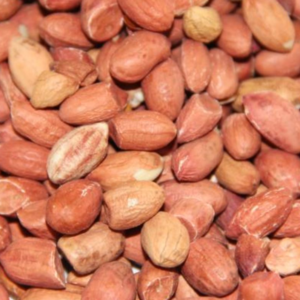
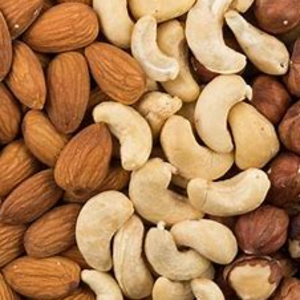
Balaji Commodities offers Black masoor, Red chilli, Peanut, Sunflower seeds and Almond. In the broader market, Black masoor is graded by kernel size (7 - 9 mm) and protein content (22 - 24 %). Red chilli is commonly classified by size (10 - 20 mm), colour intensity, capsaicin level (30 000 - 50 000 SHU) and moisture below 12 %. Peanut kernels are typically evaluated for uniform size (8 - 12 mm), moisture under 5 % and low oil rancidity. Sunflower seeds are exported either whole or de‑hulled, with oil content of 45 - 50 % and moisture under 5 %. Almonds under HS 0802.12 are usually sorted by shell‑free size (>12 mm), moisture below 6 % and free from aflatoxin contamination.

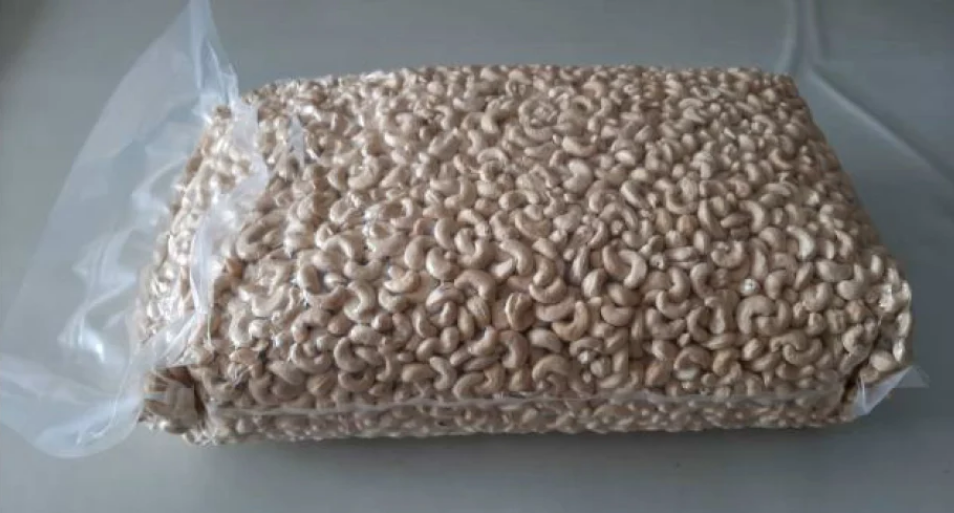
Typical export packaging follows industry norms: Black masoor and Red chilli are packed in 25 kg polypropylene bags or cartons, peanuts in 50 kg PP bags, sunflower seeds in 20 kg jute bags and almonds in 25 kg jute or PP bags. A 20‑ft container can accommodate roughly 22 tons of mixed nuts and seeds, while a 40‑ft container raises capacity to about 45 tons, depending on packaging density. Buyers often request sealed, moisture‑proof packaging to preserve product quality during long‑haul shipping.

Trade and Export Information - Balaji Commodities

Pakistani exporters of dried legumes, spices and nuts typically ship to the Middle East, the European Union, the United States and Southeast Asian markets. The relevant HS‑code families are 0713 for dried vegetables and spices (Black masoor, Red chilli), 0802 for nuts (Peanut, Almond) and 1209 for oil seeds such as Sunflower seeds. Importers usually require food‑safety certifications such as ISO 22000 or FSSC 22000, a phytosanitary certificate, and for peanuts and almonds a laboratory analysis confirming aflatoxin levels meet EU or US limits. Standard logistics involve FOB Karachi or Port Qasim, with buyers often opting for CIF to Gulf ports; container loads are the norm, and cargo is typically shipped in 20‑ft or 40‑ft dry containers with moisture‑proof liners.

Pakistan ranks among the top global exporters of raw nuts and spices, supported by government export incentives and compliance frameworks overseen by the Ministry of Commerce. Buyers generally anticipate compliance with the Codex Alimentarius standards for moisture, microbial limits and pesticide residues. Documentation commonly includes the commercial invoice, packing list, certificate of origin, phytosanitary certificate and, where required, a third‑party lab test report for contaminants.

Sourcing from Balaji Commodities - Buyer Guidance

When sourcing from Balaji Commodities, buyers should request detailed product specifications including size distribution, moisture content, colour grade and any relevant contaminant test results (e.g., aflatoxin for peanuts and almonds). Verify that the supplier can provide a valid phytosanitary certificate, ISO 22000 or equivalent food‑safety certification, and, for almonds, a lab report confirming compliance with the 0802.12 quality criteria. Confirm the HS code matches the intended product to avoid customs discrepancies, and clarify packaging details such as bag type, weight and container loading plan before finalising the order.

Typical minimum order quantities for Pakistani nut and seed exporters range from 10 metric tonnes, with lead times of 30 - 45 days from order confirmation to shipment. Buyers should inspect sample batches for the stated specifications, request a pre‑shipment inspection report, and ensure that the agreed Incoterm (e.g., FOB Karachi) aligns with their logistics arrangements. Early verification of certifications and test reports reduces the risk of shipment delays at the port of entry.

Frequently Asked Questions About Balaji Commodities

What food raw material products does Balaji Commodities list?

Balaji Commodities lists five items - Black masoor (dried black gram), Red chilli, Peanut kernels, Sunflower seeds and Almond kernels (recorded under HS 0802.12). Each product is presented as a separate line item in the supplier’s catalogue.

Is an HS code provided for any of the products?

Yes, the Almond entry includes the HS code 0802.12, which covers dried almonds. The other four products are listed without HS codes in the supplied data, so buyers should confirm the appropriate tariff headings before ordering.

Which certifications are typically required for importing these commodities from Pakistan?

Importers usually request ISO 22000 or FSSC 22000 food‑safety certification, a phytosanitary certificate issued by Pakistani authorities, and for peanuts and almonds a laboratory aflatoxin test report that meets EU or US limits. These documents help satisfy customs and buyer quality requirements.

What quality specifications are common for the Red chilli offered?

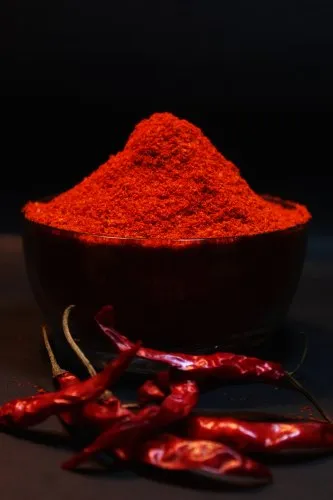
Red chilli is commonly graded by size (10 - 20 mm), colour (bright red), capsaicin level (30 000 - 50 000 SHU), moisture content below 12 % and freedom from foreign matter. Buyers often ask for a sample analysis confirming these parameters before confirming a purchase.

How are Almonds typically packaged for export?

Almond kernels are usually packed in 25 kg jute or polypropylene bags, which are then stacked in 20‑ft containers capable of holding roughly 22 tons of product. The bags are sealed to protect against moisture and contamination during transit.

What are the usual lead time and minimum order quantity for these products?

Suppliers of Pakistani nuts and seeds generally require a minimum order of 10 metric tonnes. Lead times from order confirmation to shipment typically range from 30 to 45 days, depending on product availability and shipping arrangements.

Which markets import these Pakistani food raw materials most often?

The primary import markets include the United Arab Emirates, Saudi Arabia, other Gulf Cooperation Council countries, the European Union, and the United States. These regions have strong demand for nuts, legumes and spices sourced from Pakistan.

What documentation should a buyer request before placing an order?

Buyers should request a commercial invoice, packing list, certificate of origin, phytosanitary certificate, and any applicable third‑party lab test reports (e.g., moisture, aflatoxin). Confirming these documents before shipment helps ensure smooth customs clearance.


Other Suppliers in Peanuts

Top Trusted Suppliers

Related Products in Peanuts

Trending in Parent Category

More Suppliers in Parent Category

Related Products

Other Suppliers

EximNext
58.4K+ live requirements
Register Free🎁 5 free buy-lead credits
Post Requirement
🌍 Trusted by 224.4K+ businesses in 200+ countries|
58.4K+ active requirements right now
✉️ [email protected]
|
Sell on EximNextPost Requirement
EximNext
AgricultureApparelConstructionElectronicFoodHomeIndustrialMineralsMiscellaneous
🔥 Deals|✨ AI Match|🏭 Suppliers|📋 Buy Leads|💰 Trade Finance|⭐ Upgrade
58.4K+ live RFQs·194.4K+ suppliers
🎁 5 free credits →
EximNext
EximNext
Register Free
🎁 5 free buy-lead credits
Sign In
📋Post Requirement💬Get QuotesAI Match📋RFQ Marketplace
All Categories
Services & Tools
🏭Supplier Directory🔥Today's Deals💰Trade FinanceMembership
Sell on EximNext
AboutContactBlogHelp
🏭

Balaji Commodities

Harbor
Country flag , Pakistan
🛡️
78/100
Trust Score

Balaji Commodities Product Catalog

Showing 5 of 5 products
View all products →
Peanut
Harbor
Peanut
Contact
MOQ: 1 Unit
Sunflower seeds
Harbor
Sunflower seeds
Contact
MOQ: 1 Unit
Almond
Harbor
Almond
Contact
MOQ: 1 Unit
Red chilli
Harbor
Red chilli
Contact
MOQ: 1 Unit
Black masoor
Harbor
Black masoor
Contact
MOQ: 1 Unit

About Balaji Commodities - Food Raw Material Supplier in Pakistan

Balaji Commodities is based in Pakistan and currently lists five distinct food raw material products. The catalogue comprises Black masoor, Red chilli, Peanut, Sunflower seeds and Almond. The Almond entry is recorded under HS code 0802.12 and identified as dried Prunus dulcis kernels. The other four items are listed without specific HS codes in the supplied data. All products fall under the broader categories of Food Raw Material, Red Chilli, Peanuts, Sunflower Seed and Almonds as indicated in the supplier profile.

The supplier’s product set reflects common export commodities from Pakistan’s agricultural sector. Black masoor is a type of dried black gram legume used in South Asian cuisine. Red chilli supplied by the company belongs to the spice segment typically harvested in the Punjab region. Peanuts are listed as raw kernels, a staple for snack and oil production. Sunflower seeds are offered as whole seeds suitable for de‑hulled processing. Almonds, the only item with a specified HS classification, are exported as dried kernels compliant with the 0802.12 tariff heading.

Product Range and Specialties of Balaji Commodities

Balaji Commodities offers Black masoor, Red chilli, Peanut, Sunflower seeds and Almond. In the broader market, Black masoor is graded by kernel size (7 - 9 mm) and protein content (22 - 24 %). Red chilli is commonly classified by size (10 - 20 mm), colour intensity, capsaicin level (30 000 - 50 000 SHU) and moisture below 12 %. Peanut kernels are typically evaluated for uniform size (8 - 12 mm), moisture under 5 % and low oil rancidity. Sunflower seeds are exported either whole or de‑hulled, with oil content of 45 - 50 % and moisture under 5 %. Almonds under HS 0802.12 are usually sorted by shell‑free size (>12 mm), moisture below 6 % and free from aflatoxin contamination.

Typical export packaging follows industry norms: Black masoor and Red chilli are packed in 25 kg polypropylene bags or cartons, peanuts in 50 kg PP bags, sunflower seeds in 20 kg jute bags and almonds in 25 kg jute or PP bags. A 20‑ft container can accommodate roughly 22 tons of mixed nuts and seeds, while a 40‑ft container raises capacity to about 45 tons, depending on packaging density. Buyers often request sealed, moisture‑proof packaging to preserve product quality during long‑haul shipping.

Trade and Export Information - Balaji Commodities

Pakistani exporters of dried legumes, spices and nuts typically ship to the Middle East, the European Union, the United States and Southeast Asian markets. The relevant HS‑code families are 0713 for dried vegetables and spices (Black masoor, Red chilli), 0802 for nuts (Peanut, Almond) and 1209 for oil seeds such as Sunflower seeds. Importers usually require food‑safety certifications such as ISO 22000 or FSSC 22000, a phytosanitary certificate, and for peanuts and almonds a laboratory analysis confirming aflatoxin levels meet EU or US limits. Standard logistics involve FOB Karachi or Port Qasim, with buyers often opting for CIF to Gulf ports; container loads are the norm, and cargo is typically shipped in 20‑ft or 40‑ft dry containers with moisture‑proof liners.

Pakistan ranks among the top global exporters of raw nuts and spices, supported by government export incentives and compliance frameworks overseen by the Ministry of Commerce. Buyers generally anticipate compliance with the Codex Alimentarius standards for moisture, microbial limits and pesticide residues. Documentation commonly includes the commercial invoice, packing list, certificate of origin, phytosanitary certificate and, where required, a third‑party lab test report for contaminants.

Sourcing from Balaji Commodities - Buyer Guidance

When sourcing from Balaji Commodities, buyers should request detailed product specifications including size distribution, moisture content, colour grade and any relevant contaminant test results (e.g., aflatoxin for peanuts and almonds). Verify that the supplier can provide a valid phytosanitary certificate, ISO 22000 or equivalent food‑safety certification, and, for almonds, a lab report confirming compliance with the 0802.12 quality criteria. Confirm the HS code matches the intended product to avoid customs discrepancies, and clarify packaging details such as bag type, weight and container loading plan before finalising the order.

Typical minimum order quantities for Pakistani nut and seed exporters range from 10 metric tonnes, with lead times of 30 - 45 days from order confirmation to shipment. Buyers should inspect sample batches for the stated specifications, request a pre‑shipment inspection report, and ensure that the agreed Incoterm (e.g., FOB Karachi) aligns with their logistics arrangements. Early verification of certifications and test reports reduces the risk of shipment delays at the port of entry.

Frequently Asked Questions About Balaji Commodities

What food raw material products does Balaji Commodities list?

Balaji Commodities lists five items - Black masoor (dried black gram), Red chilli, Peanut kernels, Sunflower seeds and Almond kernels (recorded under HS 0802.12). Each product is presented as a separate line item in the supplier’s catalogue.

Is an HS code provided for any of the products?

Yes, the Almond entry includes the HS code 0802.12, which covers dried almonds. The other four products are listed without HS codes in the supplied data, so buyers should confirm the appropriate tariff headings before ordering.

Which certifications are typically required for importing these commodities from Pakistan?

Importers usually request ISO 22000 or FSSC 22000 food‑safety certification, a phytosanitary certificate issued by Pakistani authorities, and for peanuts and almonds a laboratory aflatoxin test report that meets EU or US limits. These documents help satisfy customs and buyer quality requirements.

What quality specifications are common for the Red chilli offered?

Red chilli is commonly graded by size (10 - 20 mm), colour (bright red), capsaicin level (30 000 - 50 000 SHU), moisture content below 12 % and freedom from foreign matter. Buyers often ask for a sample analysis confirming these parameters before confirming a purchase.

How are Almonds typically packaged for export?

Almond kernels are usually packed in 25 kg jute or polypropylene bags, which are then stacked in 20‑ft containers capable of holding roughly 22 tons of product. The bags are sealed to protect against moisture and contamination during transit.

What are the usual lead time and minimum order quantity for these products?

Suppliers of Pakistani nuts and seeds generally require a minimum order of 10 metric tonnes. Lead times from order confirmation to shipment typically range from 30 to 45 days, depending on product availability and shipping arrangements.

Which markets import these Pakistani food raw materials most often?

The primary import markets include the United Arab Emirates, Saudi Arabia, other Gulf Cooperation Council countries, the European Union, and the United States. These regions have strong demand for nuts, legumes and spices sourced from Pakistan.

What documentation should a buyer request before placing an order?

Buyers should request a commercial invoice, packing list, certificate of origin, phytosanitary certificate, and any applicable third‑party lab test reports (e.g., moisture, aflatoxin). Confirming these documents before shipment helps ensure smooth customs clearance.

About Balaji Commodities - Food Raw Material Supplier in Pakistan

Balaji Commodities is based in Pakistan and currently lists five distinct food raw material products. The catalogue comprises Black masoor, Red chilli, Peanut, Sunflower seeds and Almond. The Almond entry is recorded under HS code 0802.12 and identified as dried Prunus dulcis kernels. The other four items are listed without specific HS codes in the supplied data. All products fall under the broader categories of Food Raw Material, Red Chilli, Peanuts, Sunflower Seed and Almonds as indicated in the supplier profile.

The supplier’s product set reflects common export commodities from Pakistan’s agricultural sector. Black masoor is a type of dried black gram legume used in South Asian cuisine. Red chilli supplied by the company belongs to the spice segment typically harvested in the Punjab region. Peanuts are listed as raw kernels, a staple for snack and oil production. Sunflower seeds are offered as whole seeds suitable for de‑hulled processing. Almonds, the only item with a specified HS classification, are exported as dried kernels compliant with the 0802.12 tariff heading.

Product Range and Specialties of Balaji Commodities

Balaji Commodities offers Black masoor, Red chilli, Peanut, Sunflower seeds and Almond. In the broader market, Black masoor is graded by kernel size (7 - 9 mm) and protein content (22 - 24 %). Red chilli is commonly classified by size (10 - 20 mm), colour intensity, capsaicin level (30 000 - 50 000 SHU) and moisture below 12 %. Peanut kernels are typically evaluated for uniform size (8 - 12 mm), moisture under 5 % and low oil rancidity. Sunflower seeds are exported either whole or de‑hulled, with oil content of 45 - 50 % and moisture under 5 %. Almonds under HS 0802.12 are usually sorted by shell‑free size (>12 mm), moisture below 6 % and free from aflatoxin contamination.

Typical export packaging follows industry norms: Black masoor and Red chilli are packed in 25 kg polypropylene bags or cartons, peanuts in 50 kg PP bags, sunflower seeds in 20 kg jute bags and almonds in 25 kg jute or PP bags. A 20‑ft container can accommodate roughly 22 tons of mixed nuts and seeds, while a 40‑ft container raises capacity to about 45 tons, depending on packaging density. Buyers often request sealed, moisture‑proof packaging to preserve product quality during long‑haul shipping.

Trade and Export Information - Balaji Commodities

Pakistani exporters of dried legumes, spices and nuts typically ship to the Middle East, the European Union, the United States and Southeast Asian markets. The relevant HS‑code families are 0713 for dried vegetables and spices (Black masoor, Red chilli), 0802 for nuts (Peanut, Almond) and 1209 for oil seeds such as Sunflower seeds. Importers usually require food‑safety certifications such as ISO 22000 or FSSC 22000, a phytosanitary certificate, and for peanuts and almonds a laboratory analysis confirming aflatoxin levels meet EU or US limits. Standard logistics involve FOB Karachi or Port Qasim, with buyers often opting for CIF to Gulf ports; container loads are the norm, and cargo is typically shipped in 20‑ft or 40‑ft dry containers with moisture‑proof liners.

Pakistan ranks among the top global exporters of raw nuts and spices, supported by government export incentives and compliance frameworks overseen by the Ministry of Commerce. Buyers generally anticipate compliance with the Codex Alimentarius standards for moisture, microbial limits and pesticide residues. Documentation commonly includes the commercial invoice, packing list, certificate of origin, phytosanitary certificate and, where required, a third‑party lab test report for contaminants.

Sourcing from Balaji Commodities - Buyer Guidance

When sourcing from Balaji Commodities, buyers should request detailed product specifications including size distribution, moisture content, colour grade and any relevant contaminant test results (e.g., aflatoxin for peanuts and almonds). Verify that the supplier can provide a valid phytosanitary certificate, ISO 22000 or equivalent food‑safety certification, and, for almonds, a lab report confirming compliance with the 0802.12 quality criteria. Confirm the HS code matches the intended product to avoid customs discrepancies, and clarify packaging details such as bag type, weight and container loading plan before finalising the order.

Typical minimum order quantities for Pakistani nut and seed exporters range from 10 metric tonnes, with lead times of 30 - 45 days from order confirmation to shipment. Buyers should inspect sample batches for the stated specifications, request a pre‑shipment inspection report, and ensure that the agreed Incoterm (e.g., FOB Karachi) aligns with their logistics arrangements. Early verification of certifications and test reports reduces the risk of shipment delays at the port of entry.

Frequently Asked Questions About Balaji Commodities
What food raw material products does Balaji Commodities list?
Balaji Commodities lists five items - Black masoor (dried black gram), Red chilli, Peanut kernels, Sunflower seeds and Almond kernels (recorded under HS 0802.12). Each product is presented as a separate line item in the supplier’s catalogue.
Is an HS code provided for any of the products?
Yes, the Almond entry includes the HS code 0802.12, which covers dried almonds. The other four products are listed without HS codes in the supplied data, so buyers should confirm the appropriate tariff headings before ordering.
Which certifications are typically required for importing these commodities from Pakistan?
Importers usually request ISO 22000 or FSSC 22000 food‑safety certification, a phytosanitary certificate issued by Pakistani authorities, and for peanuts and almonds a laboratory aflatoxin test report that meets EU or US limits. These documents help satisfy customs and buyer quality requirements.
What quality specifications are common for the Red chilli offered?
Red chilli is commonly graded by size (10 - 20 mm), colour (bright red), capsaicin level (30 000 - 50 000 SHU), moisture content below 12 % and freedom from foreign matter. Buyers often ask for a sample analysis confirming these parameters before confirming a purchase.
How are Almonds typically packaged for export?
Almond kernels are usually packed in 25 kg jute or polypropylene bags, which are then stacked in 20‑ft containers capable of holding roughly 22 tons of product. The bags are sealed to protect against moisture and contamination during transit.
What are the usual lead time and minimum order quantity for these products?
Suppliers of Pakistani nuts and seeds generally require a minimum order of 10 metric tonnes. Lead times from order confirmation to shipment typically range from 30 to 45 days, depending on product availability and shipping arrangements.
Which markets import these Pakistani food raw materials most often?
The primary import markets include the United Arab Emirates, Saudi Arabia, other Gulf Cooperation Council countries, the European Union, and the United States. These regions have strong demand for nuts, legumes and spices sourced from Pakistan.
What documentation should a buyer request before placing an order?
Buyers should request a commercial invoice, packing list, certificate of origin, phytosanitary certificate, and any applicable third‑party lab test reports (e.g., moisture, aflatoxin). Confirming these documents before shipment helps ensure smooth customs clearance.

🏭
Balaji Commodities
Country flag , Pakistan
Harbor
78/100
Trust Score
📦
5
Products
Free to contact — no commission
Escrow payment available
Verified business identity
Compare more suppliers
Post a requirement — get 10 quotes free
Let verified suppliers compete for your business. Free, fast, no commitment.
EximNext Verified Supplier
Business identity verified
Physical address confirmed
Financial history checked
Certifications authenticated
Trade references validated
Due Diligence
Verify this supplier's real shipping history.
Every shipment, every buyer, every port. Trade data that can't be faked.
Run due diligence →
Discover More

Related Suppliers & Products

Explore similar suppliers, related products and trending categories

Other Suppliers in Peanuts

Top Trusted Suppliers

Related Products in Peanuts

Trending in Parent Category

More Suppliers in Parent Category

Stay ahead in global trade
Weekly market insights & new supplier alerts.
EximNext
Exim Next is a leading global B2B marketplace, connecting over 205,000 verified suppliers and buyers across 200+ countries. As a trusted import export marketplace, it serves as the essential B2B portal for businesses worldwide, empowering them to expand their international reach. With Exim Next, businesses can trade smarter and grow faster.
SECURE PAYMENTS
VISAMastercardPayPalSWIFTL/CEscrow
Follow us
© 2026 EximNext