KARATAS KOZMETIK VE KIMYA SAN. TIC. A:S — Verified Manufacturer & Wholesale Supplier
About KARATAS KOZMETIK VE KIMYA SAN. TIC. A:S - Cosmetic Face Mask Supplier in Turkey
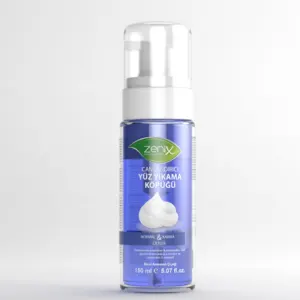
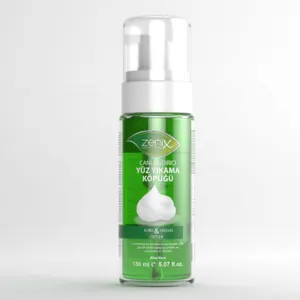
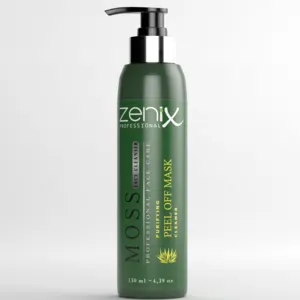
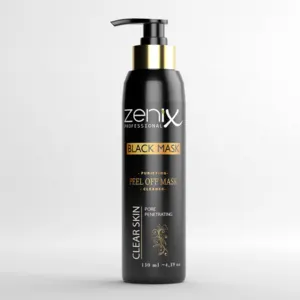
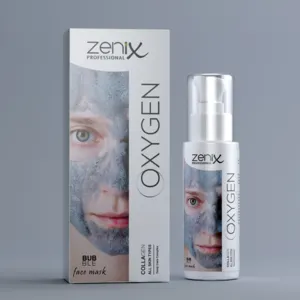
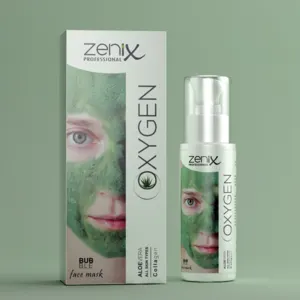
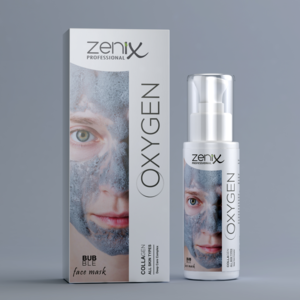
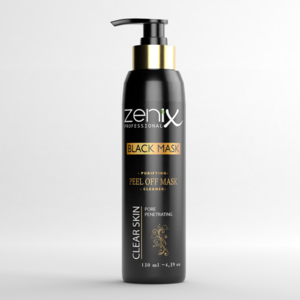
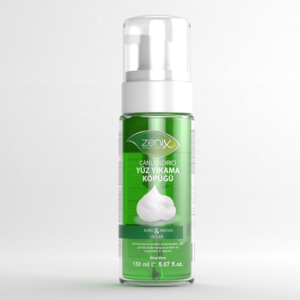
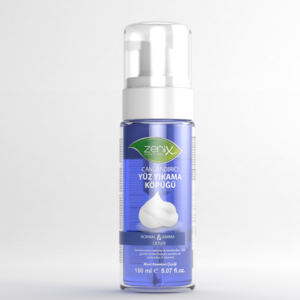
Based in Istanbul, Turkey, KARATAS KOZMETIK VE KIMYA SAN. TIC. A:S lists seven active products across its catalogue. The products fall under HS code 3304.99 for most face masks, HS code 3304.90 for a few specialized masks and a face cleaning foam, and HS code 3401.30 for an Aloe Vera cleansing foam. The catalogue includes variants such as oxygen‑infused Aloe Vera masks, charcoal‑based peel‑off masks with gold or black pigments, and a vitamin‑E enriched cleansing foam. Each item is described with its core material composition, for example activated charcoal blended with aloe vera gel or collagen, and polymer bases for peel‑off formats.
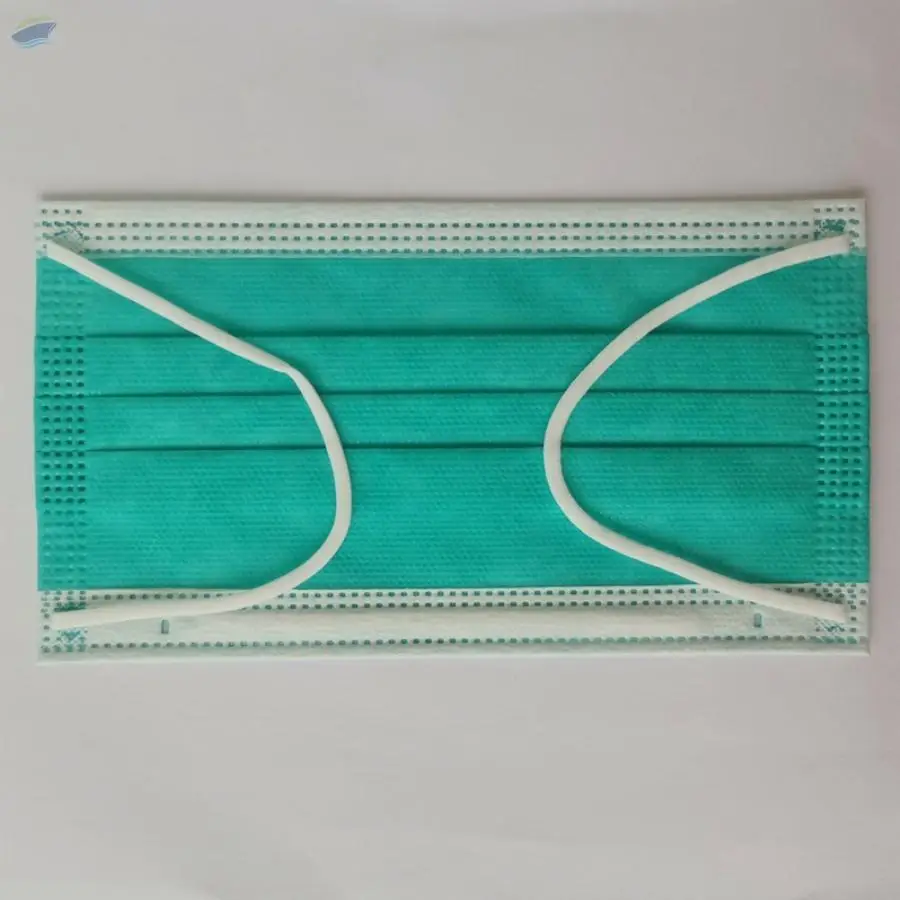
The supplier’s top categories reported are cotton, charcoal, disposable, reusable, medical, and oxygen face masks, together with a face scrub and aloe‑vera products. While the listed items are cosmetic‑grade masks rather than certified medical PPE, the product descriptions reference typical ingredients used in skin‑care formulations such as emollients, surfactants, and botanical extracts. The active product count of seven reflects the current items available for export under the mentioned HS codes.
Product Range and Specialties of KARATAS KOZMETIK VE KIMYA SAN. TIC. A:S
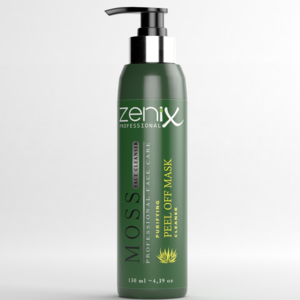
The catalogue covers six face mask formats and one cleansing foam. Face masks are formulated with activated charcoal, aloe vera gel, collagen, gold pigment, or moss extract, and are classified under HS 3304.99 (cosmetic or beauty preparations) or HS 3304.90 (other beauty or make‑up preparations). In the cosmetics industry, charcoal masks are commonly graded by pigment concentration (typically 1‑3 % activated charcoal) and by the presence of additional actives such as vitamin C or hyaluronic acid. Peel‑off masks typically contain a polymer film that adheres to the skin and are evaluated for peel strength (usually 5‑10 N cm‑1). The cleansing foam falls under HS 3401.30, which includes soap and organic surface‑active preparations; standard specifications include pH 5‑7, surfactant concentration 10‑15 % w/w, and preservative efficacy per ISO 11930.
Industry practice for such cosmetic products includes compliance with ISO 22716 (Good Manufacturing Practices) and the EU Cosmetic Regulation (Regulation (EC) No 1223/2009). Typical packaging for face masks is sealed foil or PET trays, often 10‑20 pieces per pack, while foams are supplied in 200 ml or 500 ml tubes. Buyers frequently request material safety data sheets (MSDS), certificates of analysis (COA), and stability test reports for each batch.
Trade and Export Information - KARATAS KOZMETIK VE KIMYA SAN. TIC. A:S
Turkey is a major exporter of cosmetic preparations, with the European Union, the Middle East, and North Africa representing the largest import markets. HS chapter 33 (beauty or make‑up preparations) and chapter 34 (soap and organic surface‑active agents) are routinely inspected by customs authorities for compliance with labeling, ingredient disclosure, and safety documentation. Exporters of face masks and cleansing foams often need to provide a Certificate of Origin, a CE conformity declaration for any product classified as a medical device, and a GMP certificate if the buyer requires it.
Logistically, the product volume allows shipment in 20‑ft containers, typically loading 1,200‑1,500 individual mask packs per container or up to 1,000 kg of foam. Common Incoterms used by Turkish cosmetic exporters include FOB Istanbul Port or CIF destination ports in the EU. Buyers should verify that the shipment complies with REACH registration for any restricted substances and that the packaging meets ISPM 15 phytosanitary standards when wooden pallets are used.
Sourcing from KARATAS KOZMETIK VE KIMYA SAN. TIC. A:S - Buyer Guidance
When sourcing from this supplier, request a current Certificate of Analysis for each mask variant to confirm active ingredient percentages and microbial limits (e.g., total aerobic count ≤ 10³ CFU/g). A Safety Data Sheet should be obtained to verify compliance with EU REACH and to identify any hazardous components such as fragrance allergens.
Buyers should also ask for a sample batch to perform in‑house skin‑compatibility testing, including patch‑test results and pH measurement. Verify that the supplier can provide documentation of ISO 22716 GMP compliance and, where relevant, CE marking for the medical face mask line. Confirm packaging dimensions and weight per unit to calculate freight, and clarify lead times, which typically range from 30 to 45 days after order confirmation for a 10 % advance payment.
Frequently Asked Questions About KARATAS KOZMETIK VE KIMYA SAN. TIC. A:S
What product categories does KARATAS KOZMETIK VE KIMYA SAN. TIC. A:S offer?
The supplier lists cotton, charcoal, disposable, reusable, medical and oxygen face masks, a face scrub, and an Aloe Vera‑based cleansing foam, totaling seven active SKUs.
Which HS codes apply to the listed products?
Most face masks are classified under HS 3304.99, the moss‑extract mask and vitamin‑E foam fall under HS 3304.90, and the Aloe Vera cleansing foam is under HS 3401.30.
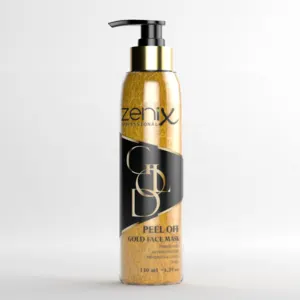
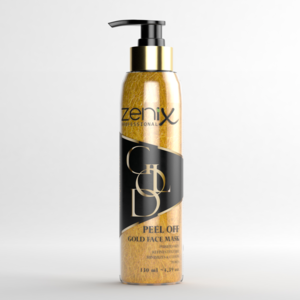
What materials are used in the Zenix Peel Off Face Mask Gold?
It contains an activated charcoal base formulated with gold pigment, combined with a polymer film that enables the peel‑off action.
Are the masks certified as medical devices?
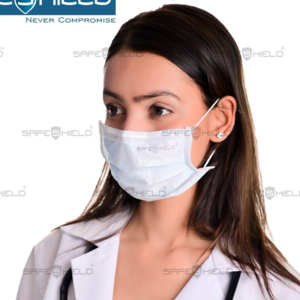
The catalogue includes a “Medical Face Masks” category, but no specific certification is mentioned; buyers should request CE marking or relevant ASTM/EN certification if medical compliance is required.
What typical certifications should a buyer request for these cosmetics?
Typical certifications include ISO 22716 (GMP), a Certificate of Analysis, REACH compliance documentation, and, where applicable, a CE declaration for medical‑grade masks.
What is the usual minimum order quantity and lead time?
While the supplier does not state MOQ, industry practice for cosmetic masks is 5,000 units per SKU, with lead times of 30‑45 days after order confirmation.
How are the products packaged for export?
Face masks are usually packed in sealed foil or PET trays, 10‑20 pieces per pack, and the foam is supplied in 200 ml or 500 ml tubes, all placed in export‑grade cartons suitable for container loading.
Which markets commonly import Turkish cosmetic masks?
Key import regions are the European Union, the Gulf Cooperation Council countries, and North African markets, where buyers commonly require REACH compliance and GMP documentation.




 , Turkey