Agriculture›
 Apparel and fashion accessories›
 Construction & real estate›💡Electronic & Electrical›🍎Food & Beverages›🛋️Home furnishing & supplies›⚗️Industrial goods & chemical›🪨Minerals & metals›📦Miscellaneous›Agriculture›Apparel and fashion accessories›Construction & real estate›💡Electronic & Electrical›🍎Food & Beverages›🛋️Home furnishing & supplies›⚗️Industrial goods & chemical›🪨Minerals & metals›📦Miscellaneous›
Sterling Enterprises
🚢 Voyage Coimbatore, IndiaEst. 1997-01-01New supplier / no reviews yet
Sterling Enterprises Product Catalog
About Sterling Enterprises - Traditional & Ethnic Wear Supplier in India
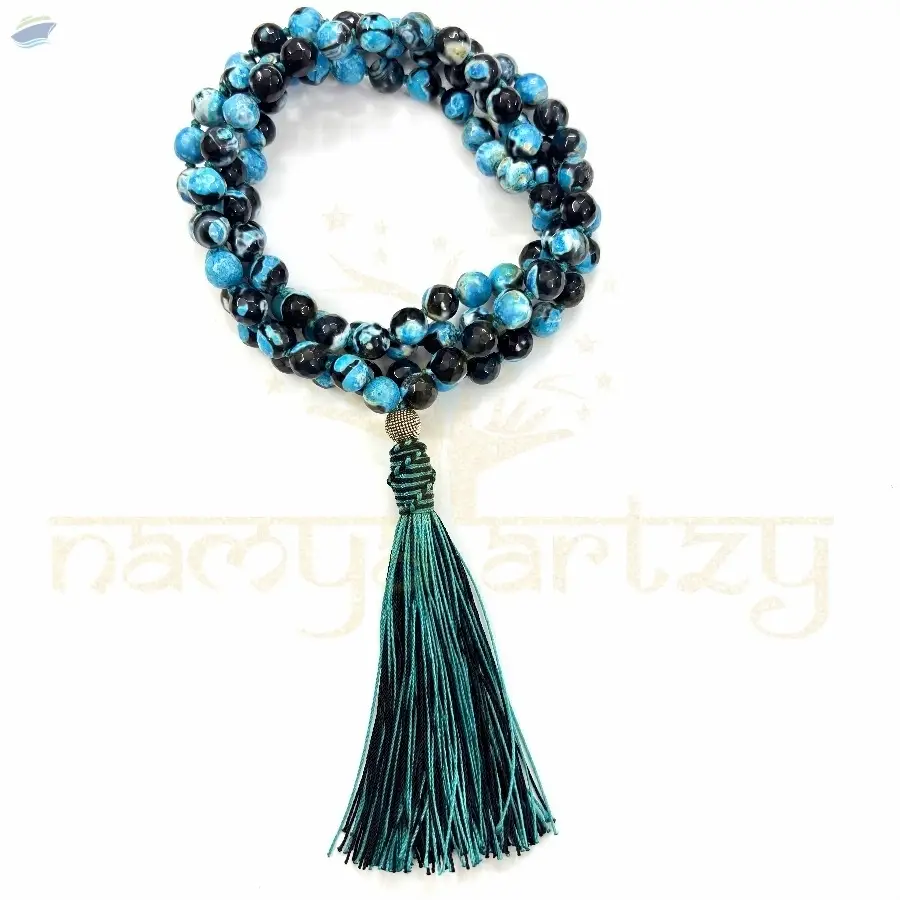
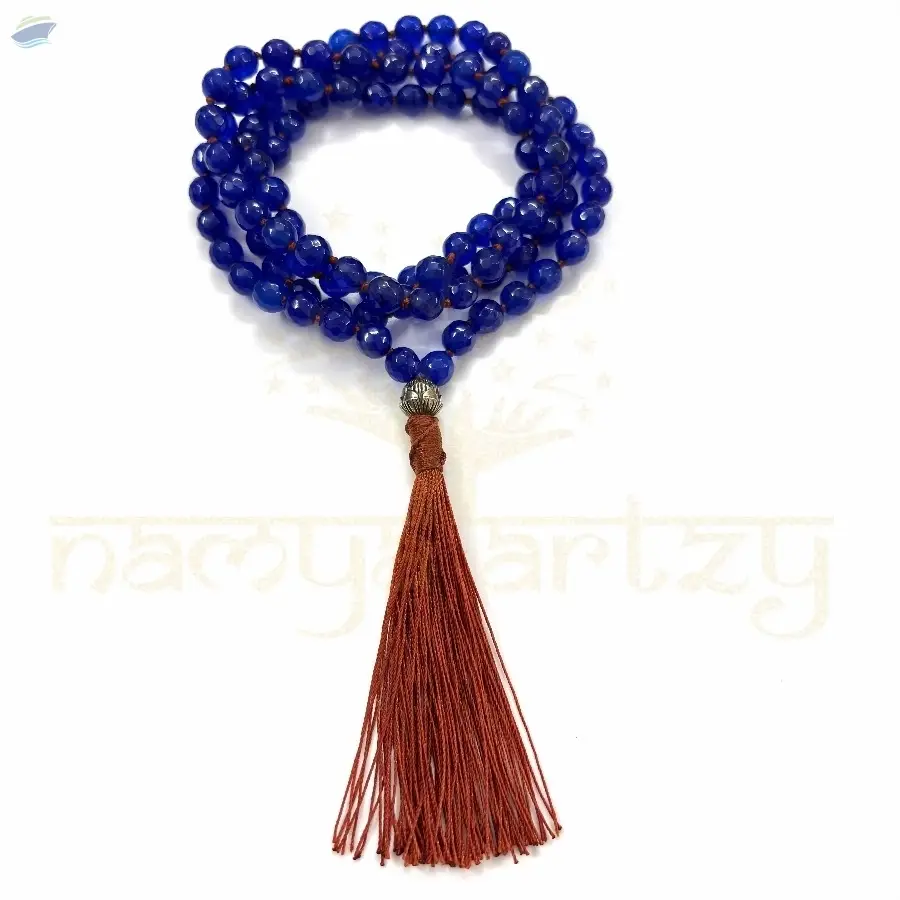
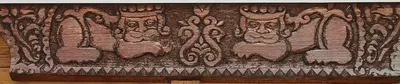
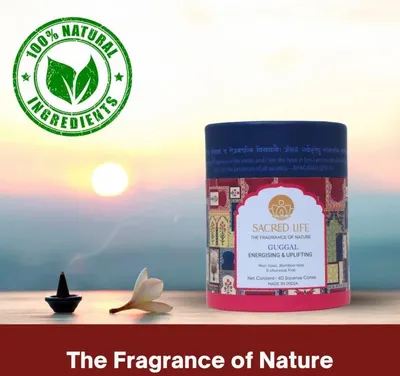
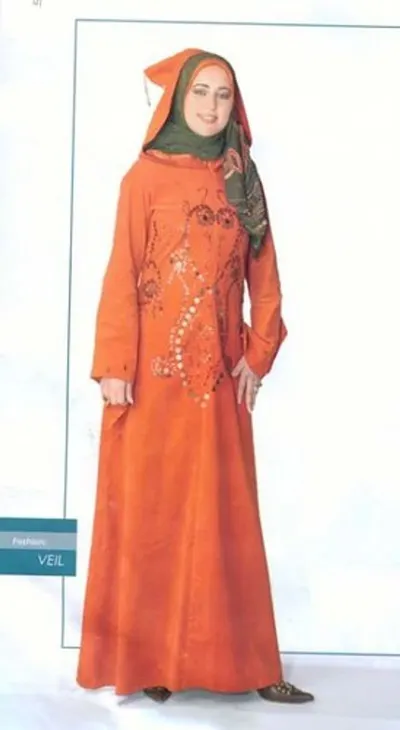
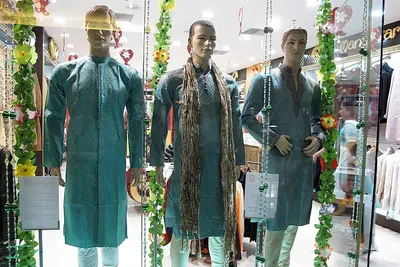
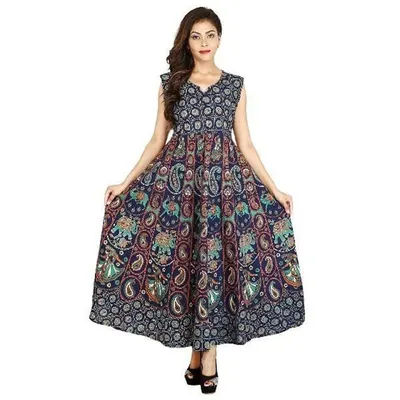
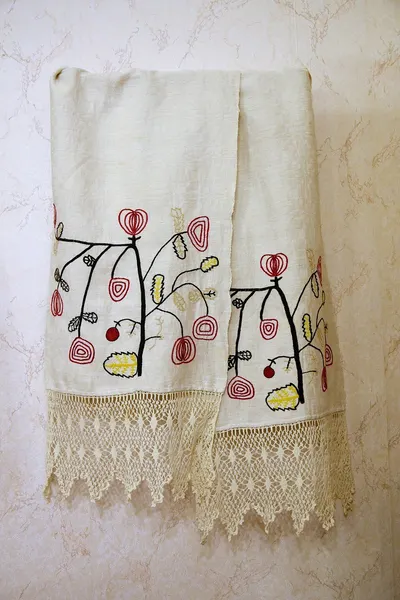
Sterling Enterprises is located in Coimbatore, Tamil Nadu, India and currently lists 34 active products in its catalogue. The catalogue spans a variety of handcrafted and textile items, including wooden gift boxes, designer abayas classified under HS code 6211.90 and made from polyester crepe/woven fabric blends, and brass jewellery pieces such as a gemstone‑inlaid Bull Nandi bearing HS code 8306.21. Other entries include Christmas decorations with metallic polyester and copper‑plated thread (HS 9505.10), pure wool stoles and shawls, cotton handmade stoles, and a range of ethnic dresses such as Chaniya Choli and Anarkali suits. The supplier also offers Ayurvedic slippers, incense sticks, sambrani cups, and assorted jewellery accessories. The product list contains both fabric‑based apparel and metal‑based handicrafts, reflecting a mixed portfolio of Indian traditional goods.
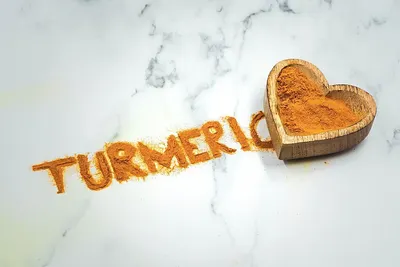
The active product count of 34 covers items across multiple HS code families: 6211.90 for apparel, 8306.21 for brass articles, and 9505.10 for festive decorations. In addition to the listed products, the catalogue mentions items without explicit HS codes, such as wooden boxes, Holi Gulal potli, and gemstone bird trees, which typically fall under HS chapters 44 (wood) and 71 (precious stones). The supplier’s inventory therefore includes textile, metal, wood, and organic product segments that are commonly exported from India.
Product Range and Specialties of Sterling Enterprises
The catalogue lists concrete product types: wooden boxes (often classified under HS 4415 for wooden articles), designer abayas and other garments under HS 6211.90 that are normally produced from polyester‑crepe, polyester/viscose blends, or pure cotton, with typical fabric weight ranging from 150 to 250 g m‑2 for lightweight ethnic wear. Brass items such as the Gemstone Bull Nandi (HS 8306.21) and brass bottle openers follow Indian brass standards such as IS 2062 and are commonly finished with polishing or plating to meet ASTM B16 surface‑finish expectations. Festive decorations like Christmas Zari (HS 9505.10) use metallic polyester or copper‑plated threads on a cotton base, a material combination that complies with EU REACH limits on copper content. Wool stoles and shawls are generally sourced as 100 % virgin wool with a typical yarn count of 18‑24 Ne and may carry Oeko‑Tex Standard 100 certification for chemical safety. Organic Holi Gulal potli (100 g) is produced from plant‑based pigments and usually conforms to Indian organic certification (e.g., NPOP) when claimed.
Frequently Asked Questions About Sterling Enterprises
What types of apparel does Sterling Enterprises offer and under which HS code are they classified?
The supplier lists designer abayas, pure wool stoles, cotton handmade stoles, and various ethnic dresses such as Chaniya Choli and Anarkali suits. All apparel items are classified under HS code 6211.90, which covers other garments and accessories of textile materials.
Which metal products are available and what material standards apply?
Brass items include a gemstone‑inlaid Bull Nandi (HS 8306.21) and a brass bottle opener. These products are typically made from IS 2062 brass alloy and should meet ASTM B16 surface‑finish requirements.
Are there any wood‑based products and what HS chapter do they fall under?
Yes, the catalogue features wooden gift boxes and a Sambrani cup made of wood. These items generally fall under HS chapter 44, specifically HS 4415 for wooden articles.
What certifications should a buyer request for the textile products?
Buyers should request Oeko‑Tex Standard 100 or ISO 9001 certificates for fabric safety, along with a fabric composition test report and GSM measurement.
What documentation is needed for the brass jewellery before import?
A metal assay report confirming alloy percentages, a surface‑finish inspection report (ASTM B16), and a Certificate of Origin are standard documents for brass jewellery imports.
Coimbatore, IndiaRelated Suppliers & Products
Explore similar suppliers, related products and trending categories