Span Biotech Ltd. — Verified Supplier
About Span Biotech Ltd. - Rapid Test Kits Supplier in China
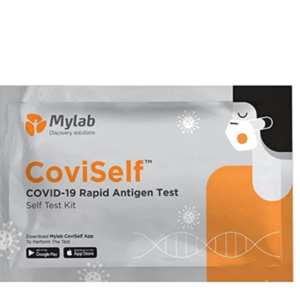
Span Biotech Ltd. is based in China and lists 23 active products across the categories Other Medical Equipments, Rapid Test Kits and Diagnostic Kits. The catalogue includes a variety of lateral‑flow immunoassays such as Dengue IgG/IgM rapid test, Covid‑19 IgG/IgM rapid test cassette (HS code 3822.00), One‑Step Tetracycline Rapid Test (HS code 3002.15) and several animal‑health antibody tests. All items fall under the HS code families 3822.00 for in‑vitro diagnostic reagents and 3002.15 for pharmaceutical preparations, reflecting the regulatory grouping of rapid test reagents. The product titles indicate target analytes ranging from viral antigens (e.g., HSV, Rubella) to bacterial antibodies (e.g., Beta‑lactam) and parasitic antigens (e.g., Malaria Pf/Pv).
The listed products share common construction materials such as colloidal‑gold conjugates, nitrocellulose membrane strips and plastic cassette housings, as detailed in the facts. Each entry represents a point‑of‑care assay designed for quick visual readout, typically within 10 - 20 minutes. The range covers human diagnostics (Covid‑19, Dengue, HCG) as well as veterinary and food‑safety applications (Bovine brucella, Quinolone in milk, Nitrofurans). By covering 23 distinct rapid test formats, Span Biotech provides a broad spectrum of immunochromatographic kits for clinical and field use.
Product Range and Specialties of Span Biotech Ltd.
The catalogue enumerates rapid immunochromatographic tests that use colloidal‑gold or latex conjugates on nitrocellulose membranes, packaged as individual cassettes or bulk sheets. In the IVD industry, such kits are commonly classified by performance grades such as WHO pre‑qualification or CE IVD marking, with typical sensitivity and specificity values above 95 % when validated against reference methods. Standard specifications include sample volumes of 10 - 20 µL, operating temperature ranges of 2 - 30 °C, and shelf lives of 12 - 24 months when stored in moisture‑controlled pouches. Buyers often request compliance with ISO 13485 for quality management, and many rapid kits are produced to meet the EU In‑Vitro Diagnostic Regulation (IVDR) or US FDA 510(k) requirements. The material composition - nitrocellulose, gold nanoparticles, and polymer casings - matches industry norms for lateral‑flow devices, enabling easy integration into point‑of‑care workflows.
Trade and Export Information - Span Biotech Ltd.
China is a leading exporter of in‑vitro diagnostic rapid test kits, and products classified under HS 3822.00 and 3002.15 are routinely shipped to hospitals, public‑health agencies and NGOs in Southeast Asia, Africa, the Middle East and parts of Europe. Importers typically require documentation such as a CE Certificate of Conformity, ISO 13485 audit reports, and, where applicable, WHO pre‑qualification or FDA 510(k) clearance. Customs declarations must list the correct HS code and include a sanitary or phytosanitary certificate for veterinary‑health kits. Standard logistics involve 20‑ft containers holding up to 10,000 individual cassettes, with temperature‑controlled packaging for reagents that are moisture‑sensitive. Common Incoterms used by Chinese IVD exporters are FOB Shanghai or CIF Hong Kong, with buyers arranging downstream distribution.
Sourcing from Span Biotech Ltd. - Buyer Guidance
When sourcing from Span Biotech, buyers should request a full product specification sheet that details sensitivity, specificity, limit of detection, sample type and volume, and storage conditions. Verification of regulatory compliance - CE mark, ISO 13485 certification, and any regional approvals - should be confirmed before order placement. It is advisable to obtain a batch release certificate and a stability report to ensure the kits meet the declared shelf life. Typical minimum order quantities for cassette‑based kits range from 5,000 to 10,000 units, with lead times of 30‑45 days after receipt of a purchase order and sample approval. Buyers should also confirm that the invoice HS code matches the product (3822.00 or 3002.15) to avoid customs delays.
Frequently Asked Questions About Span Biotech Ltd.
What types of rapid test formats does Span Biotech offer?
The supplier lists lateral‑flow immunochromatographic cassettes and bulk sheet formats covering viral, bacterial, parasitic and animal‑health targets, all built on nitrocellulose membranes with colloidal‑gold or latex conjugates.
Which HS codes apply to the listed products?
Products are classified under HS 3822.00 for in‑vitro diagnostic reagents (most rapid test cassettes) and HS 3002.15 for certain pharmaceutical‑type preparations such as the One‑Step Tetracycline Rapid Test.
What material composition is typical for these kits?
The kits use a nitrocellulose membrane strip, a colloidal‑gold conjugate (or latex particles), antigen‑ or antibody‑coated pads, and a plastic cassette housing, as specified in the catalogue.
What certifications should a buyer verify for these diagnostics?
Buyers should request CE IVD marking, ISO 13485 quality‑system certification, and, where required, WHO pre‑qualification or US FDA 510(k) clearance for the specific assay.
What is a common minimum order quantity and lead time?
Typical MOQ is 5,000 units per assay, with a production lead time of 30‑45 days after order confirmation and receipt of any required sample approvals.
How are the kits packaged for international shipment?
Individual cassettes are sealed in moisture‑proof pouches, often packed in bulk cartons suitable for 20‑ft or 40‑ft containers, with temperature‑controlled handling recommended for humidity‑sensitive reagents.
What documentation is needed for customs clearance?
Accurate HS code declaration, commercial invoice, packing list, and a sanitary or phytosanitary certificate for veterinary kits are standard documents required by importing authorities.
Can samples be obtained before placing a full order?
Span Biotech can provide sample cassettes for performance verification; buyers should request a sample report that includes sensitivity, specificity and stability data before confirming volume.




 , China