DAVE'S NONI AND WELLNESS PRODUCTS — Verified Trader & Wholesale Supplier
About DAVE'S NONI AND WELLNESS PRODUCTS - Health Products Supplier in India
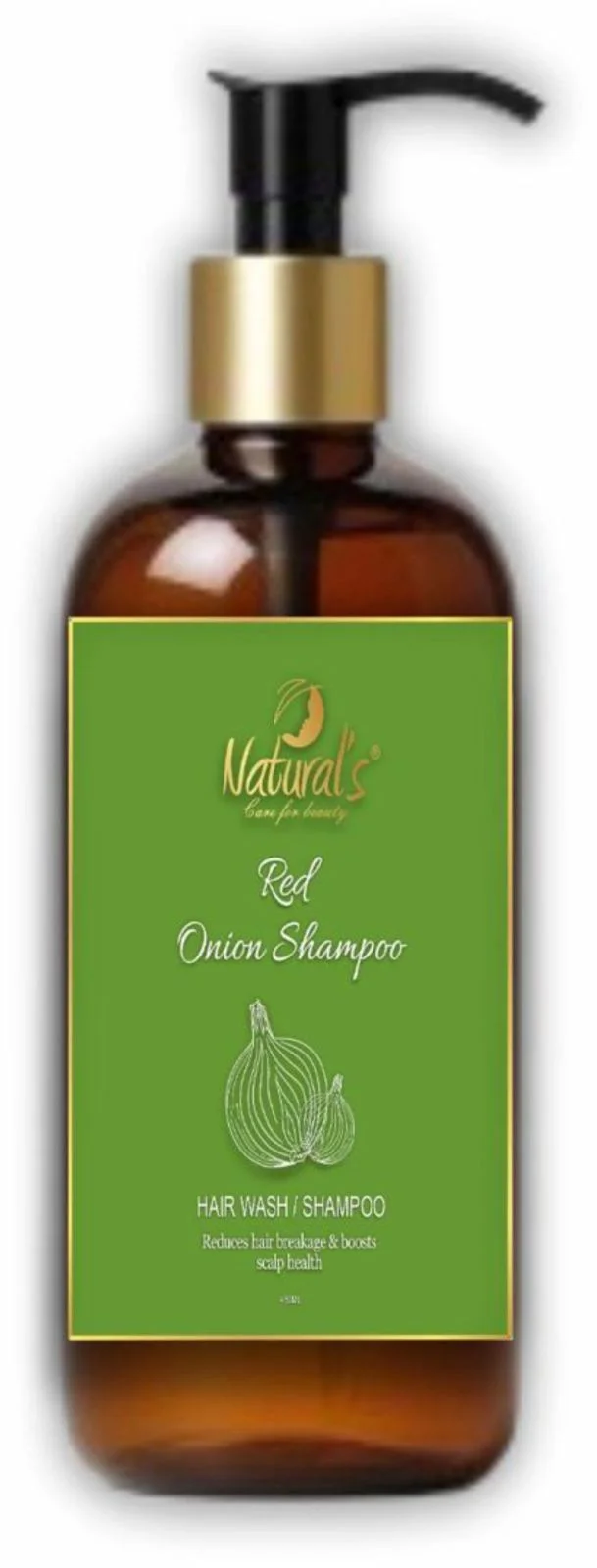
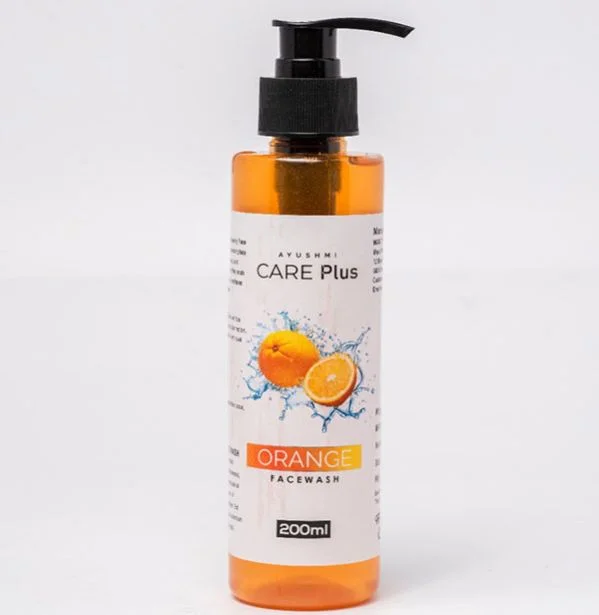
Based in Ahmedabad, Gujarat, India, DAVE'S NONI AND WELLNESS PRODUCTS lists eight active products. The catalogue includes two sizes of noni juice (250 ml and 500 ml) classified under HS code 2009.81 and 2009.89 respectively. It also offers two herbal drop formulations under HS code 2106.90, a shampoo and a hair oil under HS code 3305.90, a face wash under HS code 3304.99, and a toothpaste under HS code 3306.10. These items span the top categories Health Products, Immunity Booster (Ashwagandha, Kadha, Supplements), Energy Drinks, Fruit Juices, Blue Sapphire Gemstones and Herbal Extracts as indicated in the supplier profile. All listed items are presented as ready‑to‑use beverages, dietary supplements, or personal‑care preparations.
The noni juice products are described as 100 % pure, additive‑free beverages containing Morinda citrifolia, food stabilizer (E415), acidity regulator (E330) and permitted class II preservatives (E202, E211). The 30 ml drop products combine noni extract with a blend of traditional Indian herbs such as Ashwagandha, Amla and Neem, falling under the food‑preparation HS chapter. Personal‑care items use a base of noni extract together with typical cosmetic ingredients like glycerin, panthenol, various plant oils and standard preservatives, matching the HS chapters for beauty and oral hygiene preparations. The product range therefore covers beverage, nutraceutical and cosmetic HS code families, each with defined material compositions as supplied. No gemstone or gem‑related product appears in the current active list despite being mentioned among top categories.
Product Range and Specialties of DAVE'S NONI AND WELLNESS PRODUCTS
The supplier’s eight SKUs comprise two noni fruit juices, two herbal immunity‑boosting drops, a dual‑action shampoo‑conditioner, a blended hair‑oil, a facial cleanser and a fluoride‑free toothpaste. In the beverage sector, Indian exporters typically deliver noni juice with Brix values between 12 % and 15 %, pH 3.0‑4.0, and microbial limits of ≤10³ CFU ml⁻¹ for total plate count, complying with Codex Alimentarius standards. Herbal drops are usually supplied in 30 ml amber PET bottles, with active phytochemical content (e.g., withanolides from Ashwagandha) verified by HPLC and preservative levels within the limits of EU Regulation 200/2010. Cosmetic preparations such as shampoo, hair oil and face wash are commonly formulated to a pH of 4.5‑6.0, contain ≤0.5 % of preservative system, and are packaged in PET or HDPE containers of 200‑250 ml, meeting ISO 22716 manufacturing guidelines. Toothpaste formulations generally target a fluoride content of 0 ppm for natural variants, use titanium dioxide as a whitening agent within 0.5‑2 % and are supplied in 100 g tubes, adhering to ISO 9001 for quality management. Across all categories, typical export pack sizes align with 20‑ft container capacities of roughly 1,200 kg for liquids and 1,000 kg for solids.
Trade and Export Information - DAVE'S NONI AND WELLNESS PRODUCTS
India ranks among the top global exporters of herbal beverages and botanical cosmetics, with noni juice and Ayurvedic drops primarily shipped to the United States, European Union, Middle East and Southeast Asian markets. The HS 2009 family for fruit juices and HS 2106 for food preparations are subject to customs checks for phytosanitary certificates, certificate of origin and, where required, a sanitary certificate under the EU’s Rapid Alert System for Food and Feed (RASFF). Personal‑care products under HS 3304‑3306 usually require a GMP certificate, a compliance statement with ISO 22716 and, for Gulf Cooperation Council destinations, a Halal or Kosher certification. Standard export packaging involves PET bottles sealed with tamper‑evident caps, bulk shipment in 20‑ft or 40‑ft containers, and labelling that meets the destination country’s ingredient and nutritional‑declaration regulations. Common Incoterms used by Indian suppliers include FOB Ahmedabad port and CIF major destination ports, with freight forwarders handling temperature‑controlled logistics for the juice range.
Sourcing from DAVE'S NONI AND WELLNESS PRODUCTS - Buyer Guidance
Potential buyers should request a recent Certificate of Analysis for each batch, confirming Brix, pH, microbial limits and the presence of declared phytochemicals for the juice and drop products. For the cosmetic line, a safety data sheet, stability test results and proof of compliance with ISO 22716 are standard documents to verify. Verify that the supplier can provide a GMP audit report, an FSSAI licence copy and, where required, Kosher or Halal certification before finalising contracts. Samples of the 250 ml juice and 30 ml drops are typically supplied in sealed PET bottles, while cosmetic samples are sent in 50 ml travel‑size containers to assess fragrance and texture. Confirm packaging dimensions, shelf‑life (commonly 12‑24 months for juices, 24 months for cosmetics) and storage temperature requirements to ensure suitability for the intended market.
Frequently Asked Questions About DAVE'S NONI AND WELLNESS PRODUCTS
Which HS codes are used for the products offered by DAVE'S NONI AND WELLNESS PRODUCTS?
The two noni juices fall under HS 2009.81 (250 ml) and HS 2009.89 (500 ml). The herbal immunity drops are classified under HS 2106.90. Shampoo and hair oil use HS 3305.90, the facial cleanser HS 3304.99 and the toothpaste HS 3306.10.
What certifications should a buyer request for the juice and supplement items?
Buyers normally ask for a Certificate of Analysis, an ISO 22000 or HACCP food‑safety certificate, an FSSAI licence copy and, if the market requires, an organic or Kosher certification. A phytosanitary certificate is also standard for export to the EU and the US.
What are the typical specifications for the 250 ml noni juice?
Standard specifications include a Brix of 12‑15 %, pH 3.0‑4.0, total plate count ≤10³ CFU ml⁻¹, absence of coliforms, and the use of permitted class II preservatives (E202, E211). The product is packed in PET bottles with tamper‑evident caps and has a shelf‑life of 12 months when stored at 4‑25 °C.
How are the herbal immunity drops packaged and documented?
The drops are supplied in 30 ml PET or amber glass bottles with a dropper seal. Documentation typically includes a batch COA, ingredient list, pesticide‑residue test results and a GMP compliance statement.
Which quality standards apply to the shampoo and hair‑oil formulations?
Both products are expected to comply with ISO 22716 for cosmetic manufacturing, have a pH between 4.5 and 6.0, contain preservative levels ≤0.5 % and pass stability and microbial testing for a minimum of 24 months. A safety data sheet and a certificate of compliance are standard.
What are the usual minimum order quantities and lead times for the toothpaste and face wash?
Typical MOQs are 5,000 units per SKU. After purchase order confirmation, production lead time is 30‑45 days, followed by 7‑10 days for packaging and shipment.
Which international markets most commonly import Indian herbal beverages and personal‑care products like those from DAVE'S NONI?
The United States, European Union members, Gulf Cooperation Council countries and Southeast Asian nations such as Singapore and Malaysia are the primary importers of Indian herbal juices, dietary drops and cosmetic preparations.




 Ahmedabad, India