Fito-export PE — Verified Supplier
About Fito-export PE - Herbal Products Supplier in Ukraine
Ukraine’s Odessa region serves as the sourcing base for Fito-export PE, which lists 224 active dried‑plant products. The catalogue covers organic and conventional dried berries, fruits, roots, leaves, flowers and whole herbs such as Redhaw Hawthorn berries, Elderberry fruit, Rosehip, Juniper fruit, Dried Linden Flowers and a wide selection of medicinal herbs including Artemisia absinthium and Hypericum perforatum. Each entry is classified under broad HS‑code families for dried herbs and fruits (Chapter 12) and for spices and plant preparations (Chapter 09).
The supplier’s description notes that wild‑growing material is harvested from the Odessa agricultural zone and prepared for export to European, Asian and Middle‑Eastern markets. Product listings include “Organic Dried” variants, “Dried Loose Herbs”, “Dehydrated Fruits” and “Dried Flowers”, reflecting the top categories of Other Type Of Spices, Dehydrated Fruits, Dried Flowers, Spices, Dehydrated Spices, Dried Vegetables, Agriculture Products and Herbal Products. No additional processing beyond drying, cleaning and grading is indicated in the provided facts.
Product Range and Specialties of Fito-export PE
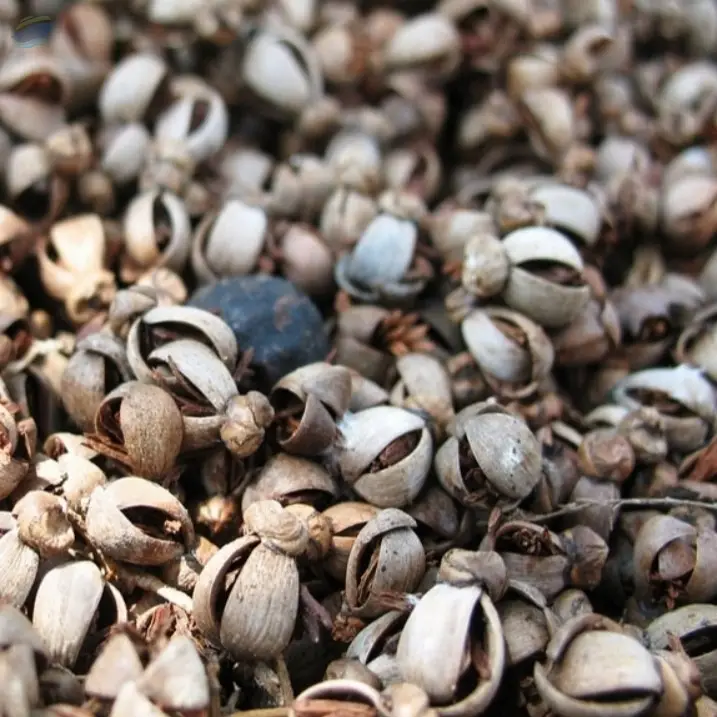
Fito-export PE’s catalogue features dried plant parts that are typical of the global herbal trade: whole berries (e.g., Crataegus laevigata), sliced fruits (e.g., Sambucus nigra), dried leaves (e.g., Allium ursinum), roots (e.g., Arctium majus) and flower heads (e.g., Robinia pseudoacacia). In the industry, such materials are commonly graded by moisture content (usually ≤ 12 % for dried herbs), foreign matter percentage (≤ 2 %), and by compliance with organic standards such as EU‑organic (Regulation EU 834/2007). Typical specifications also include a Certificate of Analysis (CoA) reporting ash, crude fibre and pesticide residue limits that meet EU maximum residue levels (MRLs). Bulk shipments are normally packed in food‑grade polyethylene bags (15 - 25 kg) or jute sacks (up to 50 kg) and may be palletised for sea freight.
The product mix spans both culinary spices (e.g., Common Poppy petals, Common Raspberry fruit) and medicinal botanicals (e.g., Motherwort, Horsetail, Wormwood). Buyers usually request documentation of the plant’s botanical identity (herbarium voucher), origin certificate and, where applicable, organic certification. Standard industry grades for dried medicinal herbs range from “Pharmacopoeial” grade (meeting USP or EP monographs) to “Food‑grade” with lower potency specifications.
Trade and Export Information - Fito-export PE
Ukraine is a recognized exporter of dried medicinal and culinary herbs, with the majority of shipments destined for the European Union, the Gulf Cooperation Council states and East Asian markets such as Japan and South Korea. HS‑code 1211 covers dried herbs, spices and aromatic plants, while HS‑code 1207 applies to dried fruits and berries; these codes are routinely inspected by customs and phytosanitary authorities. Importers typically require a phytosanitary certificate, an EU organic certificate (if claimed), and a GMP or ISO 22000 audit report for food‑grade consignments. Sea freight in a 20‑ft container can accommodate roughly 15 - 18 metric tons of bulk dried herbs, with container loading optimized through bulk bags and palletised units. CIF terms to European ports are common, and many buyers request pre‑shipment inspection reports from accredited labs.
The Ukrainian export framework mandates compliance with the State Phytosanitary Service, which issues plant health certificates confirming freedom from quarantine pests. For organic products, certification bodies such as Ecocert or Control Union perform annual audits. Buyers often negotiate Incoterms CIF or FCA, with insurance covering moisture loss or contamination during transit.
Sourcing from Fito-export PE - Buyer Guidance
When sourcing from Fito-export PE, buyers should request a recent Certificate of Analysis that details moisture, ash, crude fibre and pesticide residues for each batch. Verification of the botanical name, part used and origin (Odessa region) should be cross‑checked against the supplier’s herbarium voucher. For organic claims, an up‑to‑date EU‑organic certificate and the corresponding conversion‑period documentation are essential. Typical minimum order quantities in the dried‑herb market range from 500 kg to 1 ton, with lead times of 4 - 6 weeks after order confirmation, allowing time for harvesting, drying and quality testing. Packaging specifications - such as 15 kg food‑grade polyethylene bags sealed with tamper‑evident clips - should be confirmed to meet the buyer’s storage and handling requirements.
Frequently Asked Questions About Fito-export PE
What types of dried plant products does Fito-export PE offer?
The supplier lists dried berries, fruits, leaves, roots, flowers and whole herbs, including items such as organic redhaw hawthorn berries, dried elderberries, rosehip, juniper fruit, linden flowers and medicinal herbs like Artemisia absinthium and Hypericum perforatum.
Are the products certified organic?
Several catalogue entries are labeled “Organic Dried”. Buyers should request the current EU‑organic certificate and the corresponding conversion‑period records to confirm organic status.
Which HS‑code categories apply to these goods?
Dried herbs and medicinal plants fall under HS code 1211, while dried fruits and berries are classified under HS code 1207. These codes are used by customs and phytosanitary authorities for inspection.
What quality documentation should I ask for before purchasing?
Request a Certificate of Analysis that includes moisture content (≤ 12 %), ash, crude fibre, and pesticide residue results. Additionally, obtain a phytosanitary certificate and, if applicable, an organic certification.
What are the typical packaging and shipment sizes?
Bulk dried herbs are usually packed in food‑grade polyethylene bags of 15 - 25 kg or jute sacks up to 50 kg, palletised for sea freight. A 20‑ft container can carry roughly 15 - 18 metric tons of product.
What are common payment and delivery terms?
International buyers often use CIF or FCA Incoterms, with payment via T/T against documentary proof such as a Bill of Lading and CoA. Lead time from order to shipment is typically 4 - 6 weeks.
Which markets commonly import Ukrainian dried herbs?
The European Union, Gulf Cooperation Council countries and East Asian markets (Japan, South Korea) are the main import destinations for Ukrainian dried herbs and medicinal plants.
Is a sample available before placing a full order?
Suppliers of dried botanicals usually provide a 5 kg sample batch for laboratory testing and sensory evaluation prior to confirming a larger purchase.




 , Ukraine



.jpg.png)