Janisfarm Sia — Verified Supplier

About Janisfarm Sia - Fruits Supplier in Latvia

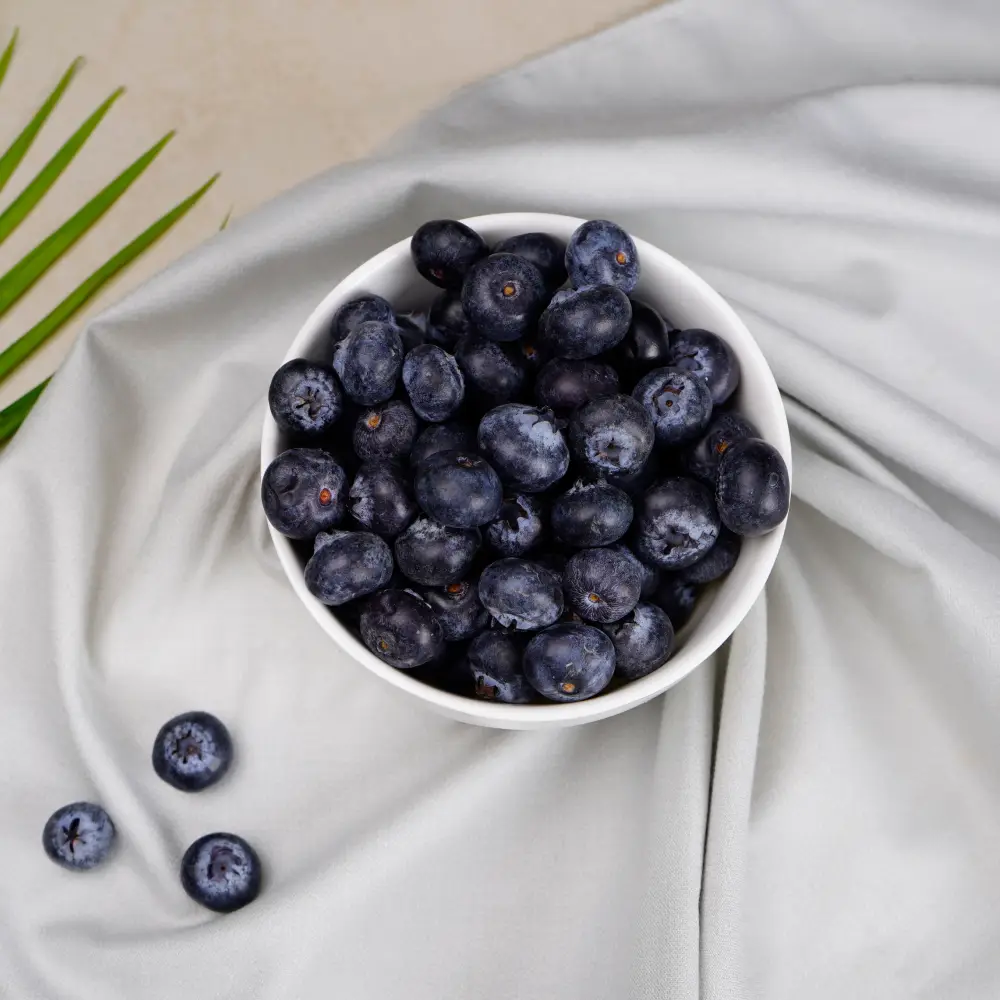
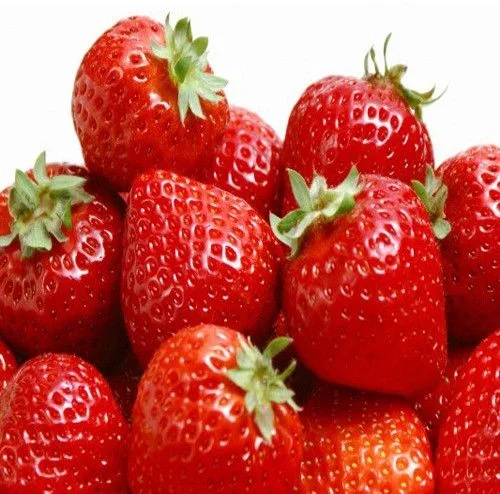
Janisfarm Sia operates from Latvia and lists ten active fruit products in its catalogue. The company’s portfolio includes Sea Buckthorn, Quince, Cranberry, Blueberry, Raspberry, Black Chokeberry, Blackcurrant, Rhubarb, Strawberry and Cherry, all falling under the broad HS‑08 fruit chapter that covers fresh and processed fruit commodities. Each item is presented as a distinct product line rather than a blended commodity, indicating that the supplier handles them as separate SKUs for export. The catalogue does not specify processing level, so the default assumption is that the fruits are offered in fresh or minimally processed form, which is typical for Baltic fruit exporters.

The supplier’s focus on a variety of berries and stone fruits aligns with Latvia’s seasonal production of high‑latitude fruit varieties. Latvia’s climate supports the cultivation of both traditional berries such as Blueberry and Raspberry and more niche items like Sea Buckthorn and Black Chokeberry. The product list reflects the common practice of exporting these fruits in bulk cartons or 20‑ft containers, using HS code families 0811 (fresh berries) and 0810 (other fresh fruit) for customs classification. No additional product categories are mentioned beyond the ten listed items.

Product Range and Specialties of Janisfarm Sia

Janisfarm Sia’s catalogue lists ten fruit varieties, each typically supplied as fresh whole fruit or as frozen pulp depending on buyer requirements. In the European market, fresh berries are commonly graded by size (e.g., small <8 mm, medium 8‑10 mm, large >10 mm), colour, and Brix sugar content, while frozen products are graded by puree purity and ice‑crystal size. Typical industry grades for these berries include Class I (premium) and Class II (standard), with organic certification increasingly requested for Sea Buckthorn and Blackcurrant. Packaging formats range from 5 kg cardboard boxes for fresh berries to 20 kg polyethylene bags for frozen pulp, all designed for 20‑ft or 40‑ft container loading.

Industry standards for fruit exports from Latvia often reference ISO 22000 food safety management, HACCP plans, and EU phytosanitary requirements. Buyers frequently ask for GlobalGAP audit reports, especially for organic or pesticide‑sensitive markets. For berries such as Blueberry and Raspberry, residual pesticide limits are governed by EU Regulation EC 1881/2006, and typical moisture content for fresh fruit is below 85 % to ensure shelf stability. These specifications help buyers align the supplier’s output with downstream processing or retail standards.

Trade and Export Information - Janisfarm Sia

Latvian fruit exporters generally target the European Union, the Nordic countries, and the Middle East, where demand for fresh and frozen berries remains strong. The HS‑08 chapter is used for customs clearance, with fresh berries usually declared under HS 0811.10 (strawberries, raspberries, blackberries) and other fruit such as Quince and Cherry under HS 0810.10. Export shipments are commonly arranged on 20‑ft or 40‑ft containers, employing refrigerated (reefers) units for fresh produce to maintain a temperature of 0‑4 °C, while frozen pulp travels in insulated containers with dry ice or gel packs. Standard Incoterms for these shipments include FOB Riga Port and CIF destination ports in target markets.

Typical certifications required by importers include a Phytosanitary Certificate issued by the Latvian State Plant Protection Service, a Certificate of Origin, and, where applicable, GlobalGAP or organic certification. Buyers often request laboratory analysis reports confirming compliance with maximum residue limits (MRLs) for pesticides and heavy metals. Latvian exporters benefit from the country’s EU membership, which streamlines customs procedures within the single market and provides mutual recognition of food safety standards.

Sourcing from Janisfarm Sia - Buyer Guidance

When sourcing fruit from Janisfarm Sia, buyers should request the latest GlobalGAP audit report and a phytosanitary certificate for each shipment. Laboratory test reports covering pesticide residues, Brix levels, and moisture content are standard documents that help verify product quality before a full order is placed. It is advisable to obtain a small sample batch - typically 5 kg per variety - to assess visual grade, taste, and compliance with any organic claims before confirming larger volumes.

Typical minimum order quantities for fresh berries from Latvian suppliers range from 500 kg to 1 t per variety, packed in 5 kg cartons. Lead times are seasonal; for spring‑harvested berries such as Strawberry and Rhubarb, a 4‑6 week preparation window is common, while late‑season items like Sea Buckthorn may require 6‑8 weeks. Buyers should verify container loading plans, temperature control specifications, and any required pre‑shipment inspections to ensure compliance with the destination country’s import regulations.

Frequently Asked Questions About Janisfarm Sia

What product varieties does Janisfarm Sia offer?

The supplier lists ten fruit varieties: Sea Buckthorn, Quince, Cranberry, Blueberry, Raspberry, Black Chokeberry, Blackcurrant, Rhubarb, Strawberry and Cherry.

Are the fruits supplied fresh or processed?

The catalogue does not specify processing, so the default expectation is fresh whole fruit, with the option for frozen pulp if requested by the buyer.

Which HS codes are relevant for these fruits?

Typical HS classifications for the listed items fall under chapter 08, with fresh berries usually under HS 0811 and other fresh fruit such as Quince and Cherry under HS 0810.

What certifications should I request from Janisfarm Sia?

Buyers should ask for a phytosanitary certificate, GlobalGAP audit report, and any organic certification if required, as well as ISO 22000 or HACCP documentation for food safety.

What documentation is needed for customs clearance?

Standard documents include the commercial invoice, packing list, Certificate of Origin, phytosanitary certificate, and any required laboratory test reports for pesticide residues.

What are typical packaging formats for these fruits?

Fresh berries are commonly packed in 5 kg cardboard boxes, while frozen pulp is shipped in 20 kg polyethylene bags; both are loaded into 20‑ft or 40‑ft containers with appropriate temperature control.

What is the usual minimum order quantity?

Minimum order quantities typically start at 500 kg per fruit variety, though exact amounts depend on the buyer’s specifications and the season.

How long does it take to ship an order?

Lead times vary by season; spring‑harvested berries usually require 4‑6 weeks from order confirmation, while later‑season fruits may need 6‑8 weeks.

Other Suppliers in Fruits

Top Trusted Suppliers

Related Products in Fruits

Trending in Parent Category

More Suppliers in Parent Category

Related Products

Other Suppliers

EximNext
58.5K+ live requirements
Register Free🎁 Reach verified global buyers
Post Requirement
🌍 Trusted by 224.6K+ businesses in 200+ countries|
58.5K+ active requirements right now
✉️ [email protected]
|
Sell on EximNextPost Requirement
EximNext
AgricultureApparelConstructionElectronicFoodHomeIndustrialMineralsMiscellaneous
🔥 Deals|✨ AI Match|🏭 Suppliers|📋 Buy Leads|💰 Trade Finance
58.5K+ live RFQs·194.6K+ suppliers
🎁 Reach global buyers →
EximNext
EximNext
Register Free
🎁 Reach verified global buyers
Sign In
📋Post Requirement💬Get QuotesAI Match📋RFQ Marketplace
All Categories
Services & Tools
🏭Supplier Directory🔥Today's Deals💰Trade Finance
Sell on EximNext
AboutContactBlogHelp
🏭

Janisfarm Sia

Harbor
Country flag , Latvia
🛡️
55/100
Trust Score

Janisfarm Sia Product Catalog

Showing 10 of 10 products
View all products →
Cranberry
Harbor
Cranberry
Contact
MOQ: 1 Unit
Blueberry
Harbor
Blueberry
Contact
MOQ: 1 Unit
Raspberry
Harbor
Raspberry
Contact
MOQ: 1 Unit
Black Chokeberry
Harbor
Black Chokeberry
Contact
MOQ: 1 Unit
Blackcurrant
Harbor
Blackcurrant
Contact
MOQ: 1 Unit
Rhubarb
Harbor
Rhubarb
Contact
MOQ: 1 Unit
Strawberry
Harbor
Strawberry
Contact
MOQ: 1 Unit
Cherry
Harbor
Cherry
Contact
MOQ: 1 Unit
Quince
Harbor
Quince
Contact
MOQ: 1 Unit
Sea Buckthorn
Harbor
Sea Buckthorn
Contact
MOQ: 1 Unit

About Janisfarm Sia - Fruits Supplier in Latvia

Janisfarm Sia operates from Latvia and lists ten active fruit products in its catalogue. The company’s portfolio includes Sea Buckthorn, Quince, Cranberry, Blueberry, Raspberry, Black Chokeberry, Blackcurrant, Rhubarb, Strawberry and Cherry, all falling under the broad HS‑08 fruit chapter that covers fresh and processed fruit commodities. Each item is presented as a distinct product line rather than a blended commodity, indicating that the supplier handles them as separate SKUs for export. The catalogue does not specify processing level, so the default assumption is that the fruits are offered in fresh or minimally processed form, which is typical for Baltic fruit exporters.

The supplier’s focus on a variety of berries and stone fruits aligns with Latvia’s seasonal production of high‑latitude fruit varieties. Latvia’s climate supports the cultivation of both traditional berries such as Blueberry and Raspberry and more niche items like Sea Buckthorn and Black Chokeberry. The product list reflects the common practice of exporting these fruits in bulk cartons or 20‑ft containers, using HS code families 0811 (fresh berries) and 0810 (other fresh fruit) for customs classification. No additional product categories are mentioned beyond the ten listed items.

Product Range and Specialties of Janisfarm Sia

Janisfarm Sia’s catalogue lists ten fruit varieties, each typically supplied as fresh whole fruit or as frozen pulp depending on buyer requirements. In the European market, fresh berries are commonly graded by size (e.g., small <8 mm, medium 8‑10 mm, large >10 mm), colour, and Brix sugar content, while frozen products are graded by puree purity and ice‑crystal size. Typical industry grades for these berries include Class I (premium) and Class II (standard), with organic certification increasingly requested for Sea Buckthorn and Blackcurrant. Packaging formats range from 5 kg cardboard boxes for fresh berries to 20 kg polyethylene bags for frozen pulp, all designed for 20‑ft or 40‑ft container loading.

Industry standards for fruit exports from Latvia often reference ISO 22000 food safety management, HACCP plans, and EU phytosanitary requirements. Buyers frequently ask for GlobalGAP audit reports, especially for organic or pesticide‑sensitive markets. For berries such as Blueberry and Raspberry, residual pesticide limits are governed by EU Regulation EC 1881/2006, and typical moisture content for fresh fruit is below 85 % to ensure shelf stability. These specifications help buyers align the supplier’s output with downstream processing or retail standards.

Trade and Export Information - Janisfarm Sia

Latvian fruit exporters generally target the European Union, the Nordic countries, and the Middle East, where demand for fresh and frozen berries remains strong. The HS‑08 chapter is used for customs clearance, with fresh berries usually declared under HS 0811.10 (strawberries, raspberries, blackberries) and other fruit such as Quince and Cherry under HS 0810.10. Export shipments are commonly arranged on 20‑ft or 40‑ft containers, employing refrigerated (reefers) units for fresh produce to maintain a temperature of 0‑4 °C, while frozen pulp travels in insulated containers with dry ice or gel packs. Standard Incoterms for these shipments include FOB Riga Port and CIF destination ports in target markets.

Typical certifications required by importers include a Phytosanitary Certificate issued by the Latvian State Plant Protection Service, a Certificate of Origin, and, where applicable, GlobalGAP or organic certification. Buyers often request laboratory analysis reports confirming compliance with maximum residue limits (MRLs) for pesticides and heavy metals. Latvian exporters benefit from the country’s EU membership, which streamlines customs procedures within the single market and provides mutual recognition of food safety standards.

Sourcing from Janisfarm Sia - Buyer Guidance

When sourcing fruit from Janisfarm Sia, buyers should request the latest GlobalGAP audit report and a phytosanitary certificate for each shipment. Laboratory test reports covering pesticide residues, Brix levels, and moisture content are standard documents that help verify product quality before a full order is placed. It is advisable to obtain a small sample batch - typically 5 kg per variety - to assess visual grade, taste, and compliance with any organic claims before confirming larger volumes.

Typical minimum order quantities for fresh berries from Latvian suppliers range from 500 kg to 1 t per variety, packed in 5 kg cartons. Lead times are seasonal; for spring‑harvested berries such as Strawberry and Rhubarb, a 4‑6 week preparation window is common, while late‑season items like Sea Buckthorn may require 6‑8 weeks. Buyers should verify container loading plans, temperature control specifications, and any required pre‑shipment inspections to ensure compliance with the destination country’s import regulations.

Frequently Asked Questions About Janisfarm Sia

What product varieties does Janisfarm Sia offer?

The supplier lists ten fruit varieties: Sea Buckthorn, Quince, Cranberry, Blueberry, Raspberry, Black Chokeberry, Blackcurrant, Rhubarb, Strawberry and Cherry.

Are the fruits supplied fresh or processed?

The catalogue does not specify processing, so the default expectation is fresh whole fruit, with the option for frozen pulp if requested by the buyer.

Which HS codes are relevant for these fruits?

Typical HS classifications for the listed items fall under chapter 08, with fresh berries usually under HS 0811 and other fresh fruit such as Quince and Cherry under HS 0810.

What certifications should I request from Janisfarm Sia?

Buyers should ask for a phytosanitary certificate, GlobalGAP audit report, and any organic certification if required, as well as ISO 22000 or HACCP documentation for food safety.

What documentation is needed for customs clearance?

Standard documents include the commercial invoice, packing list, Certificate of Origin, phytosanitary certificate, and any required laboratory test reports for pesticide residues.

What are typical packaging formats for these fruits?

Fresh berries are commonly packed in 5 kg cardboard boxes, while frozen pulp is shipped in 20 kg polyethylene bags; both are loaded into 20‑ft or 40‑ft containers with appropriate temperature control.

What is the usual minimum order quantity?

Minimum order quantities typically start at 500 kg per fruit variety, though exact amounts depend on the buyer’s specifications and the season.

How long does it take to ship an order?

Lead times vary by season; spring‑harvested berries usually require 4‑6 weeks from order confirmation, while later‑season fruits may need 6‑8 weeks.

About Janisfarm Sia - Fruits Supplier in Latvia

Janisfarm Sia operates from Latvia and lists ten active fruit products in its catalogue. The company’s portfolio includes Sea Buckthorn, Quince, Cranberry, Blueberry, Raspberry, Black Chokeberry, Blackcurrant, Rhubarb, Strawberry and Cherry, all falling under the broad HS‑08 fruit chapter that covers fresh and processed fruit commodities. Each item is presented as a distinct product line rather than a blended commodity, indicating that the supplier handles them as separate SKUs for export. The catalogue does not specify processing level, so the default assumption is that the fruits are offered in fresh or minimally processed form, which is typical for Baltic fruit exporters.

The supplier’s focus on a variety of berries and stone fruits aligns with Latvia’s seasonal production of high‑latitude fruit varieties. Latvia’s climate supports the cultivation of both traditional berries such as Blueberry and Raspberry and more niche items like Sea Buckthorn and Black Chokeberry. The product list reflects the common practice of exporting these fruits in bulk cartons or 20‑ft containers, using HS code families 0811 (fresh berries) and 0810 (other fresh fruit) for customs classification. No additional product categories are mentioned beyond the ten listed items.

Product Range and Specialties of Janisfarm Sia

Janisfarm Sia’s catalogue lists ten fruit varieties, each typically supplied as fresh whole fruit or as frozen pulp depending on buyer requirements. In the European market, fresh berries are commonly graded by size (e.g., small <8 mm, medium 8‑10 mm, large >10 mm), colour, and Brix sugar content, while frozen products are graded by puree purity and ice‑crystal size. Typical industry grades for these berries include Class I (premium) and Class II (standard), with organic certification increasingly requested for Sea Buckthorn and Blackcurrant. Packaging formats range from 5 kg cardboard boxes for fresh berries to 20 kg polyethylene bags for frozen pulp, all designed for 20‑ft or 40‑ft container loading.

Industry standards for fruit exports from Latvia often reference ISO 22000 food safety management, HACCP plans, and EU phytosanitary requirements. Buyers frequently ask for GlobalGAP audit reports, especially for organic or pesticide‑sensitive markets. For berries such as Blueberry and Raspberry, residual pesticide limits are governed by EU Regulation EC 1881/2006, and typical moisture content for fresh fruit is below 85 % to ensure shelf stability. These specifications help buyers align the supplier’s output with downstream processing or retail standards.

Trade and Export Information - Janisfarm Sia

Latvian fruit exporters generally target the European Union, the Nordic countries, and the Middle East, where demand for fresh and frozen berries remains strong. The HS‑08 chapter is used for customs clearance, with fresh berries usually declared under HS 0811.10 (strawberries, raspberries, blackberries) and other fruit such as Quince and Cherry under HS 0810.10. Export shipments are commonly arranged on 20‑ft or 40‑ft containers, employing refrigerated (reefers) units for fresh produce to maintain a temperature of 0‑4 °C, while frozen pulp travels in insulated containers with dry ice or gel packs. Standard Incoterms for these shipments include FOB Riga Port and CIF destination ports in target markets.

Typical certifications required by importers include a Phytosanitary Certificate issued by the Latvian State Plant Protection Service, a Certificate of Origin, and, where applicable, GlobalGAP or organic certification. Buyers often request laboratory analysis reports confirming compliance with maximum residue limits (MRLs) for pesticides and heavy metals. Latvian exporters benefit from the country’s EU membership, which streamlines customs procedures within the single market and provides mutual recognition of food safety standards.

Sourcing from Janisfarm Sia - Buyer Guidance

When sourcing fruit from Janisfarm Sia, buyers should request the latest GlobalGAP audit report and a phytosanitary certificate for each shipment. Laboratory test reports covering pesticide residues, Brix levels, and moisture content are standard documents that help verify product quality before a full order is placed. It is advisable to obtain a small sample batch - typically 5 kg per variety - to assess visual grade, taste, and compliance with any organic claims before confirming larger volumes.

Typical minimum order quantities for fresh berries from Latvian suppliers range from 500 kg to 1 t per variety, packed in 5 kg cartons. Lead times are seasonal; for spring‑harvested berries such as Strawberry and Rhubarb, a 4‑6 week preparation window is common, while late‑season items like Sea Buckthorn may require 6‑8 weeks. Buyers should verify container loading plans, temperature control specifications, and any required pre‑shipment inspections to ensure compliance with the destination country’s import regulations.

Frequently Asked Questions About Janisfarm Sia
What product varieties does Janisfarm Sia offer?
The supplier lists ten fruit varieties: Sea Buckthorn, Quince, Cranberry, Blueberry, Raspberry, Black Chokeberry, Blackcurrant, Rhubarb, Strawberry and Cherry.
Are the fruits supplied fresh or processed?
The catalogue does not specify processing, so the default expectation is fresh whole fruit, with the option for frozen pulp if requested by the buyer.
Which HS codes are relevant for these fruits?
Typical HS classifications for the listed items fall under chapter 08, with fresh berries usually under HS 0811 and other fresh fruit such as Quince and Cherry under HS 0810.
What certifications should I request from Janisfarm Sia?
Buyers should ask for a phytosanitary certificate, GlobalGAP audit report, and any organic certification if required, as well as ISO 22000 or HACCP documentation for food safety.
What documentation is needed for customs clearance?
Standard documents include the commercial invoice, packing list, Certificate of Origin, phytosanitary certificate, and any required laboratory test reports for pesticide residues.
What are typical packaging formats for these fruits?
Fresh berries are commonly packed in 5 kg cardboard boxes, while frozen pulp is shipped in 20 kg polyethylene bags; both are loaded into 20‑ft or 40‑ft containers with appropriate temperature control.
What is the usual minimum order quantity?
Minimum order quantities typically start at 500 kg per fruit variety, though exact amounts depend on the buyer’s specifications and the season.
How long does it take to ship an order?
Lead times vary by season; spring‑harvested berries usually require 4‑6 weeks from order confirmation, while later‑season fruits may need 6‑8 weeks.

🏭
Janisfarm Sia
Country flag , Latvia
Harbor
55/100
Trust Score
📦
10
Products
Free to contact — no commission
Escrow payment available
Verified business identity
Compare more suppliers
Post a requirement — get 10 quotes free
Let verified suppliers compete for your business. Free, fast, no commitment.
EximNext Verified Supplier
Business identity verified
Physical address confirmed
Financial history checked
Certifications authenticated
Trade references validated
Due Diligence
Verify this supplier's real shipping history.
Every shipment, every buyer, every port. Trade data that can't be faked.
Run due diligence →
Discover More

Related Suppliers & Products

Explore similar suppliers, related products and trending categories

Other Suppliers in Fruits

Top Trusted Suppliers

Related Products in Fruits

Trending in Parent Category

More Suppliers in Parent Category

Stay ahead in global trade
Weekly market insights & new supplier alerts.
EximNext
Exim Next is a leading global B2B marketplace, connecting over 205,000 verified suppliers and buyers across 200+ countries. As a trusted import export marketplace, it serves as the essential B2B portal for businesses worldwide, empowering them to expand their international reach. With Exim Next, businesses can trade smarter and grow faster.
SECURE PAYMENTS
VISAMastercardPayPalSWIFTL/CEscrow
Follow us
© 2026 EximNext