C.P. Intertrade Co., Ltd. — Verified Supplier

About C.P. Intertrade Co., Ltd. - Canned Food Supplier in Thailand

Thailand‑based C.P. Intertrade Co., Ltd. lists 18 active products across several food categories. The catalogue includes canned tuna (HS 1604.14) and canned sardine & mackerel (HS 1604.13), fermented coconut gel (Nata De Coco, HS 2008.97), mixed tropical fruit salad (HS 2008.99), peach halves (HS 2008.70), as well as assorted corn, pineapple, coconut cream powder, coconut milk, curry soup, rice vermicelli, sauces, and rice sticks. Each product is identified by its material description and, where applicable, the relevant HS‑code family for customs classification. The supplier is classified as an imported tier with a harbor trust tier rating.

The product set spans canned seafood, canned fruit preparations, and processed vegetable and grain items. Canned fish entries specify the species (skipjack, yellowfin, tongol tuna; sardine and mackerel) and are grouped under chapter 16 of the HS system. Fruit‑based cans fall under chapter 20, indicating sugar‑syrup preservation. The remaining items such as corn and noodles are listed without HS codes but belong to typical food processing categories.

Product Range and Specialties of C.P. Intertrade Co., Ltd.

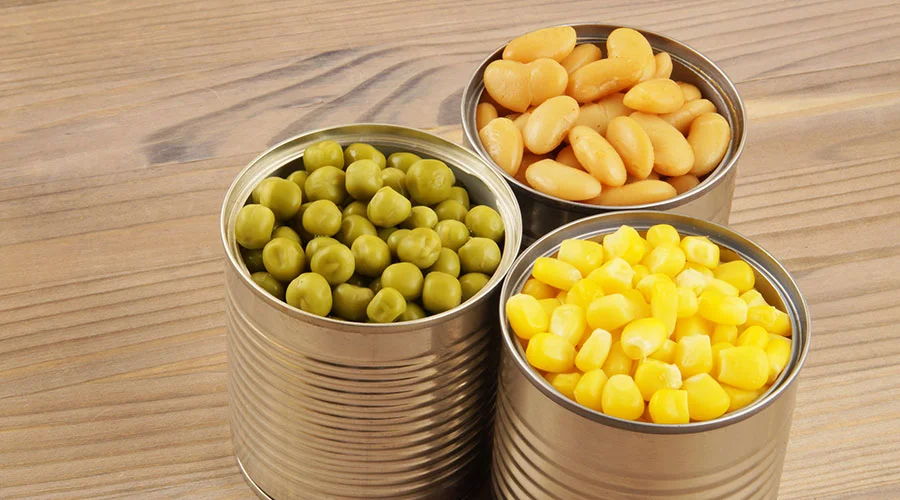
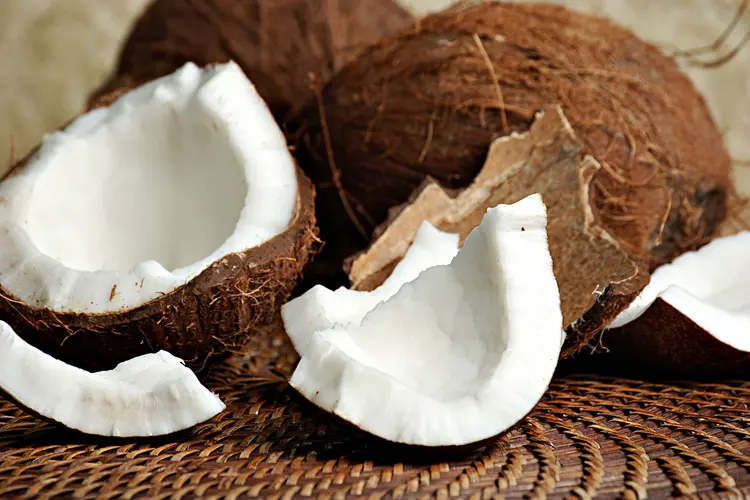
The catalogue provides three canned fish products: Canned Tuna (HS 1604.14), Canned Sardine and Mackerel (HS 1604.13), and Canned Nata De Coco in syrup (HS 2008.97). In the canned fruit segment the supplier offers Seasonal Fruits, Tropical Fruit Salad (HS 2008.99) and Peach Halves (HS 2008.70). Additional processed items include Whole Kernel Corn, Baby Corn, Cream Style Corn, Pineapple, Coconut Cream Powder, Coconut Milk and Cream, Curry Soup, Rice Vermicelli, Sauce, and Rice Stick. Typical industry specifications for these groups include compliance with CODEX standards for moisture (≤ 15 % for canned fish), protein content (≥ 55 % for tuna), oil content for sardine (≈ 15 % oil), gel strength (≥ 250 g for nata de coco), and syrup concentration (≈ 30 % sucrose for fruit cans). Buyers often request ISO 22000 or HACCP‑based quality management, BRC certification for processed foods, and material safety data sheets for additives such as coconut cream powder.

Thai processors of canned fish usually grade tuna by species, size (e.g., 120 mm), and packing medium (oil or brine). Canned sardines and mackerel are commonly packed in 425 g cans with a minimum fish meat content of 50 %. Fruit cans are typically sealed in 12‑oz or 425 g cans with light or heavy syrup, meeting ICUMSA sugar grades 45‑70. Corn and noodle products are sold in bulk bags of 20 - 25 kg or vacuum‑packed trays, with moisture limits of 12 - 14 % for corn and 10 - 12 % for dried noodles.

Trade and Export Information - C.P. Intertrade Co., Ltd.

Thailand is a major exporter of canned seafood and tropical fruit preparations, shipping primarily to the European Union, United States, Middle East, and Asian markets such as Japan and South Korea. HS chapter 16 (canned fish) and chapter 20 (canned fruit) are the main customs classifications used for clearance, and importers frequently require a health certificate, HACCP compliance, and, where applicable, BRC or ISO 22000 certification. Standard packaging for canned tuna and sardine ranges from 12‑pack cartons to 20‑ft containers holding up to 1,500 kg of product. Fruit cans are often palletised on Euro‑pallets with a typical load of 800 kg per pallet. Common Incoterms include FOB Thailand ports (Laem Chabang, Bangkok) and CIF to destination ports.

Thai export regulations mandate that canned fish meet the Ministry of Public Health’s food safety standards, including limits on histamine (< 200 ppm) and heavy metals. Fruit cans must comply with pesticide residue limits set by the Codex Alimentarius. Buyers usually request a pre‑shipment inspection report (SGS or equivalent) and a certificate of origin to benefit from preferential duty rates under ASEAN‑EU trade agreements.

Sourcing from C.P. Intertrade Co., Ltd. - Buyer Guidance

When evaluating C.P. Intertrade’s canned fish, request a product specification sheet that lists species, size, packing medium, moisture, protein, and histamine levels. Verify that the supplier can provide a HACCP certificate, a recent SGS inspection report, and, if required by the destination, a BRC audit report. For fruit cans, ask for syrup concentration, ICUMSA sugar grade, and pesticide residue test results, together with a health certificate issued by Thai authorities.

Samples should be requested in the same packaging format as the commercial order (e.g., 425 g cans) to assess label compliance and organoleptic quality. Confirm the HS code declared on the commercial invoice matches the product material (e.g., 1604.14 for tuna) and that the declared weight aligns with container loading plans. Early confirmation of required certificates reduces customs delays and aligns with buyer quality assurance procedures.

Frequently Asked Questions About C.P. Intertrade Co., Ltd.

What canned fish products does C.P. Intertrade offer?

The supplier lists Canned Tuna (HS 1604.14) and Canned Sardine and Mackerel (HS 1604.13). Both products specify the fish species and are packed in standard 425 g cans.

Which HS codes are used for the fruit preparations?

Tropical Fruit Salad is classified under HS 2008.99, Peach Halves under HS 2008.70, and Nata De Coco in syrup under HS 2008.97. These codes fall within chapter 20 for prepared fruit and vegetable products.

What quality standards are typical for Thai canned tuna?

Buyers usually require compliance with CODEX standards for moisture (≤ 15 %), protein (≥ 55 %), and histamine (< 200 ppm). HACCP certification and a recent health certificate are standard documentation.

How are the corn and noodle items packaged for export?

Whole Kernel Corn, Baby Corn, Cream Style Corn, Rice Vermicelli and Rice Stick are commonly packed in bulk bags of 20 - 25 kg or vacuum‑sealed trays. Moisture content is typically limited to 12 - 14 % for corn and 10 - 12 % for dried noodles.

What certifications should a buyer request before ordering?

Typical requests include HACCP, ISO 22000 or BRC certificates, a health certificate from the Thai Ministry of Public Health, and a pre‑shipment inspection report (e.g., SGS). For fruit products, pesticide residue test reports are also advisable.

What are the usual shipping terms for these products?

Exporters from Thailand often use FOB terms from Laem Chabang or Bangkok ports, with CIF options available for major destination ports. Container loading follows standard 20‑ft or 40‑ft configurations based on product weight and packaging.

What sample size is practical for initial quality assessment?

A typical sample consists of a 12‑pack of 425 g cans for fish or a 5‑kg bulk bag for corn, providing enough material for laboratory testing and sensory evaluation.

Are there any import restrictions for the canned fish?

Importing countries frequently require a health certificate, HACCP compliance, and limits on histamine and heavy metals. Verification of the HS code (1604.14 or 1604.13) on the commercial invoice helps ensure correct tariff treatment.


Other Suppliers in Canned Food

Top Trusted Suppliers

Related Products in Canned Food

Trending in Parent Category

More Suppliers in Parent Category

Related Products

Other Suppliers

EximNext
58.4K+ live requirements
Register Free🎁 5 free buy-lead credits
Post Requirement
🌍 Trusted by 224.4K+ businesses in 200+ countries|
58.4K+ active requirements right now
✉️ [email protected]
|
Sell on EximNextPost Requirement
EximNext
AgricultureApparelConstructionElectronicFoodHomeIndustrialMineralsMiscellaneous
🔥 Deals|✨ AI Match|🏭 Suppliers|📋 Buy Leads|💰 Trade Finance|⭐ Upgrade
58.4K+ live RFQs·194.4K+ suppliers
🎁 5 free credits →
EximNext
EximNext
Register Free
🎁 5 free buy-lead credits
Sign In
📋Post Requirement💬Get QuotesAI Match📋RFQ Marketplace
All Categories
Services & Tools
🏭Supplier Directory🔥Today's Deals💰Trade FinanceMembership
Sell on EximNext
AboutContactBlogHelp
🏭

C.P. Intertrade Co., Ltd.

Harbor
Country flag , Thailand
🛡️
78/100
Trust Score

C.P. Intertrade Co., Ltd. Product Catalog

Showing 12 of 18 products
View all products →
Rice Stick
Harbor
Rice Stick
Contact
MOQ: 1 Unit
Peach Halves
Harbor
Peach Halves
Contact
MOQ: 1 Unit
Tropical Fruit Salad
Harbor
Tropical Fruit Salad
Contact
MOQ: 1 Unit
Seasonal Fruits
Harbor
Seasonal Fruits
Contact
MOQ: 1 Unit
Canned Nata De Coco in syrup
Harbor
Canned Nata De Coco in syrup
Contact
MOQ: 1 Unit
Canned Sardine and Mackerel
Harbor
Canned Sardine and Mackerel
Contact
MOQ: 1 Unit
Canned Tuna
Harbor
Canned Tuna
Contact
MOQ: 1 Unit
Coconut Juices
Harbor
Coconut Juices
Contact
MOQ: 1 Unit
Sauce
Harbor
Sauce
Contact
MOQ: 1 Unit
Rice Vemicelli
Harbor
Rice Vemicelli
Contact
MOQ: 1 Unit
Curry Soup
Harbor
Curry Soup
Contact
MOQ: 1 Unit
Coconut Milk and Cream
Harbor
Coconut Milk and Cream
Contact
MOQ: 1 Unit

About C.P. Intertrade Co., Ltd. - Canned Food Supplier in Thailand

Thailand‑based C.P. Intertrade Co., Ltd. lists 18 active products across several food categories. The catalogue includes canned tuna (HS 1604.14) and canned sardine & mackerel (HS 1604.13), fermented coconut gel (Nata De Coco, HS 2008.97), mixed tropical fruit salad (HS 2008.99), peach halves (HS 2008.70), as well as assorted corn, pineapple, coconut cream powder, coconut milk, curry soup, rice vermicelli, sauces, and rice sticks. Each product is identified by its material description and, where applicable, the relevant HS‑code family for customs classification. The supplier is classified as an imported tier with a harbor trust tier rating.

The product set spans canned seafood, canned fruit preparations, and processed vegetable and grain items. Canned fish entries specify the species (skipjack, yellowfin, tongol tuna; sardine and mackerel) and are grouped under chapter 16 of the HS system. Fruit‑based cans fall under chapter 20, indicating sugar‑syrup preservation. The remaining items such as corn and noodles are listed without HS codes but belong to typical food processing categories.

Product Range and Specialties of C.P. Intertrade Co., Ltd.

The catalogue provides three canned fish products: Canned Tuna (HS 1604.14), Canned Sardine and Mackerel (HS 1604.13), and Canned Nata De Coco in syrup (HS 2008.97). In the canned fruit segment the supplier offers Seasonal Fruits, Tropical Fruit Salad (HS 2008.99) and Peach Halves (HS 2008.70). Additional processed items include Whole Kernel Corn, Baby Corn, Cream Style Corn, Pineapple, Coconut Cream Powder, Coconut Milk and Cream, Curry Soup, Rice Vermicelli, Sauce, and Rice Stick. Typical industry specifications for these groups include compliance with CODEX standards for moisture (≤ 15 % for canned fish), protein content (≥ 55 % for tuna), oil content for sardine (≈ 15 % oil), gel strength (≥ 250 g for nata de coco), and syrup concentration (≈ 30 % sucrose for fruit cans). Buyers often request ISO 22000 or HACCP‑based quality management, BRC certification for processed foods, and material safety data sheets for additives such as coconut cream powder.

Thai processors of canned fish usually grade tuna by species, size (e.g., 120 mm), and packing medium (oil or brine). Canned sardines and mackerel are commonly packed in 425 g cans with a minimum fish meat content of 50 %. Fruit cans are typically sealed in 12‑oz or 425 g cans with light or heavy syrup, meeting ICUMSA sugar grades 45‑70. Corn and noodle products are sold in bulk bags of 20 - 25 kg or vacuum‑packed trays, with moisture limits of 12 - 14 % for corn and 10 - 12 % for dried noodles.

Trade and Export Information - C.P. Intertrade Co., Ltd.

Thailand is a major exporter of canned seafood and tropical fruit preparations, shipping primarily to the European Union, United States, Middle East, and Asian markets such as Japan and South Korea. HS chapter 16 (canned fish) and chapter 20 (canned fruit) are the main customs classifications used for clearance, and importers frequently require a health certificate, HACCP compliance, and, where applicable, BRC or ISO 22000 certification. Standard packaging for canned tuna and sardine ranges from 12‑pack cartons to 20‑ft containers holding up to 1,500 kg of product. Fruit cans are often palletised on Euro‑pallets with a typical load of 800 kg per pallet. Common Incoterms include FOB Thailand ports (Laem Chabang, Bangkok) and CIF to destination ports.

Thai export regulations mandate that canned fish meet the Ministry of Public Health’s food safety standards, including limits on histamine (< 200 ppm) and heavy metals. Fruit cans must comply with pesticide residue limits set by the Codex Alimentarius. Buyers usually request a pre‑shipment inspection report (SGS or equivalent) and a certificate of origin to benefit from preferential duty rates under ASEAN‑EU trade agreements.

Sourcing from C.P. Intertrade Co., Ltd. - Buyer Guidance

When evaluating C.P. Intertrade’s canned fish, request a product specification sheet that lists species, size, packing medium, moisture, protein, and histamine levels. Verify that the supplier can provide a HACCP certificate, a recent SGS inspection report, and, if required by the destination, a BRC audit report. For fruit cans, ask for syrup concentration, ICUMSA sugar grade, and pesticide residue test results, together with a health certificate issued by Thai authorities.

Samples should be requested in the same packaging format as the commercial order (e.g., 425 g cans) to assess label compliance and organoleptic quality. Confirm the HS code declared on the commercial invoice matches the product material (e.g., 1604.14 for tuna) and that the declared weight aligns with container loading plans. Early confirmation of required certificates reduces customs delays and aligns with buyer quality assurance procedures.

Frequently Asked Questions About C.P. Intertrade Co., Ltd.

What canned fish products does C.P. Intertrade offer?

The supplier lists Canned Tuna (HS 1604.14) and Canned Sardine and Mackerel (HS 1604.13). Both products specify the fish species and are packed in standard 425 g cans.

Which HS codes are used for the fruit preparations?

Tropical Fruit Salad is classified under HS 2008.99, Peach Halves under HS 2008.70, and Nata De Coco in syrup under HS 2008.97. These codes fall within chapter 20 for prepared fruit and vegetable products.

What quality standards are typical for Thai canned tuna?

Buyers usually require compliance with CODEX standards for moisture (≤ 15 %), protein (≥ 55 %), and histamine (< 200 ppm). HACCP certification and a recent health certificate are standard documentation.

How are the corn and noodle items packaged for export?

Whole Kernel Corn, Baby Corn, Cream Style Corn, Rice Vermicelli and Rice Stick are commonly packed in bulk bags of 20 - 25 kg or vacuum‑sealed trays. Moisture content is typically limited to 12 - 14 % for corn and 10 - 12 % for dried noodles.

What certifications should a buyer request before ordering?

Typical requests include HACCP, ISO 22000 or BRC certificates, a health certificate from the Thai Ministry of Public Health, and a pre‑shipment inspection report (e.g., SGS). For fruit products, pesticide residue test reports are also advisable.

What are the usual shipping terms for these products?

Exporters from Thailand often use FOB terms from Laem Chabang or Bangkok ports, with CIF options available for major destination ports. Container loading follows standard 20‑ft or 40‑ft configurations based on product weight and packaging.

What sample size is practical for initial quality assessment?

A typical sample consists of a 12‑pack of 425 g cans for fish or a 5‑kg bulk bag for corn, providing enough material for laboratory testing and sensory evaluation.

Are there any import restrictions for the canned fish?

Importing countries frequently require a health certificate, HACCP compliance, and limits on histamine and heavy metals. Verification of the HS code (1604.14 or 1604.13) on the commercial invoice helps ensure correct tariff treatment.

About C.P. Intertrade Co., Ltd. - Canned Food Supplier in Thailand

Thailand‑based C.P. Intertrade Co., Ltd. lists 18 active products across several food categories. The catalogue includes canned tuna (HS 1604.14) and canned sardine & mackerel (HS 1604.13), fermented coconut gel (Nata De Coco, HS 2008.97), mixed tropical fruit salad (HS 2008.99), peach halves (HS 2008.70), as well as assorted corn, pineapple, coconut cream powder, coconut milk, curry soup, rice vermicelli, sauces, and rice sticks. Each product is identified by its material description and, where applicable, the relevant HS‑code family for customs classification. The supplier is classified as an imported tier with a harbor trust tier rating.

The product set spans canned seafood, canned fruit preparations, and processed vegetable and grain items. Canned fish entries specify the species (skipjack, yellowfin, tongol tuna; sardine and mackerel) and are grouped under chapter 16 of the HS system. Fruit‑based cans fall under chapter 20, indicating sugar‑syrup preservation. The remaining items such as corn and noodles are listed without HS codes but belong to typical food processing categories.

Product Range and Specialties of C.P. Intertrade Co., Ltd.

The catalogue provides three canned fish products: Canned Tuna (HS 1604.14), Canned Sardine and Mackerel (HS 1604.13), and Canned Nata De Coco in syrup (HS 2008.97). In the canned fruit segment the supplier offers Seasonal Fruits, Tropical Fruit Salad (HS 2008.99) and Peach Halves (HS 2008.70). Additional processed items include Whole Kernel Corn, Baby Corn, Cream Style Corn, Pineapple, Coconut Cream Powder, Coconut Milk and Cream, Curry Soup, Rice Vermicelli, Sauce, and Rice Stick. Typical industry specifications for these groups include compliance with CODEX standards for moisture (≤ 15 % for canned fish), protein content (≥ 55 % for tuna), oil content for sardine (≈ 15 % oil), gel strength (≥ 250 g for nata de coco), and syrup concentration (≈ 30 % sucrose for fruit cans). Buyers often request ISO 22000 or HACCP‑based quality management, BRC certification for processed foods, and material safety data sheets for additives such as coconut cream powder.

Thai processors of canned fish usually grade tuna by species, size (e.g., 120 mm), and packing medium (oil or brine). Canned sardines and mackerel are commonly packed in 425 g cans with a minimum fish meat content of 50 %. Fruit cans are typically sealed in 12‑oz or 425 g cans with light or heavy syrup, meeting ICUMSA sugar grades 45‑70. Corn and noodle products are sold in bulk bags of 20 - 25 kg or vacuum‑packed trays, with moisture limits of 12 - 14 % for corn and 10 - 12 % for dried noodles.

Trade and Export Information - C.P. Intertrade Co., Ltd.

Thailand is a major exporter of canned seafood and tropical fruit preparations, shipping primarily to the European Union, United States, Middle East, and Asian markets such as Japan and South Korea. HS chapter 16 (canned fish) and chapter 20 (canned fruit) are the main customs classifications used for clearance, and importers frequently require a health certificate, HACCP compliance, and, where applicable, BRC or ISO 22000 certification. Standard packaging for canned tuna and sardine ranges from 12‑pack cartons to 20‑ft containers holding up to 1,500 kg of product. Fruit cans are often palletised on Euro‑pallets with a typical load of 800 kg per pallet. Common Incoterms include FOB Thailand ports (Laem Chabang, Bangkok) and CIF to destination ports.

Thai export regulations mandate that canned fish meet the Ministry of Public Health’s food safety standards, including limits on histamine (< 200 ppm) and heavy metals. Fruit cans must comply with pesticide residue limits set by the Codex Alimentarius. Buyers usually request a pre‑shipment inspection report (SGS or equivalent) and a certificate of origin to benefit from preferential duty rates under ASEAN‑EU trade agreements.

Sourcing from C.P. Intertrade Co., Ltd. - Buyer Guidance

When evaluating C.P. Intertrade’s canned fish, request a product specification sheet that lists species, size, packing medium, moisture, protein, and histamine levels. Verify that the supplier can provide a HACCP certificate, a recent SGS inspection report, and, if required by the destination, a BRC audit report. For fruit cans, ask for syrup concentration, ICUMSA sugar grade, and pesticide residue test results, together with a health certificate issued by Thai authorities.

Samples should be requested in the same packaging format as the commercial order (e.g., 425 g cans) to assess label compliance and organoleptic quality. Confirm the HS code declared on the commercial invoice matches the product material (e.g., 1604.14 for tuna) and that the declared weight aligns with container loading plans. Early confirmation of required certificates reduces customs delays and aligns with buyer quality assurance procedures.

Frequently Asked Questions About C.P. Intertrade Co., Ltd.
What canned fish products does C.P. Intertrade offer?
The supplier lists Canned Tuna (HS 1604.14) and Canned Sardine and Mackerel (HS 1604.13). Both products specify the fish species and are packed in standard 425 g cans.
Which HS codes are used for the fruit preparations?
Tropical Fruit Salad is classified under HS 2008.99, Peach Halves under HS 2008.70, and Nata De Coco in syrup under HS 2008.97. These codes fall within chapter 20 for prepared fruit and vegetable products.
What quality standards are typical for Thai canned tuna?
Buyers usually require compliance with CODEX standards for moisture (≤ 15 %), protein (≥ 55 %), and histamine (< 200 ppm). HACCP certification and a recent health certificate are standard documentation.
How are the corn and noodle items packaged for export?
Whole Kernel Corn, Baby Corn, Cream Style Corn, Rice Vermicelli and Rice Stick are commonly packed in bulk bags of 20 - 25 kg or vacuum‑sealed trays. Moisture content is typically limited to 12 - 14 % for corn and 10 - 12 % for dried noodles.
What certifications should a buyer request before ordering?
Typical requests include HACCP, ISO 22000 or BRC certificates, a health certificate from the Thai Ministry of Public Health, and a pre‑shipment inspection report (e.g., SGS). For fruit products, pesticide residue test reports are also advisable.
What are the usual shipping terms for these products?
Exporters from Thailand often use FOB terms from Laem Chabang or Bangkok ports, with CIF options available for major destination ports. Container loading follows standard 20‑ft or 40‑ft configurations based on product weight and packaging.
What sample size is practical for initial quality assessment?
A typical sample consists of a 12‑pack of 425 g cans for fish or a 5‑kg bulk bag for corn, providing enough material for laboratory testing and sensory evaluation.
Are there any import restrictions for the canned fish?
Importing countries frequently require a health certificate, HACCP compliance, and limits on histamine and heavy metals. Verification of the HS code (1604.14 or 1604.13) on the commercial invoice helps ensure correct tariff treatment.

🏭
C.P. Intertrade Co., Ltd.
Country flag , Thailand
Harbor
78/100
Trust Score
📦
18
Products
Free to contact — no commission
Escrow payment available
Verified business identity
Compare more suppliers
Post a requirement — get 10 quotes free
Let verified suppliers compete for your business. Free, fast, no commitment.
EximNext Verified Supplier
Business identity verified
Physical address confirmed
Financial history checked
Certifications authenticated
Trade references validated
Due Diligence
Verify this supplier's real shipping history.
Every shipment, every buyer, every port. Trade data that can't be faked.
Run due diligence →
Discover More

Related Suppliers & Products

Explore similar suppliers, related products and trending categories

Other Suppliers in Canned Food

Top Trusted Suppliers

Related Products in Canned Food

Trending in Parent Category

More Suppliers in Parent Category

Stay ahead in global trade
Weekly market insights & new supplier alerts.
EximNext
Exim Next is a leading global B2B marketplace, connecting over 205,000 verified suppliers and buyers across 200+ countries. As a trusted import export marketplace, it serves as the essential B2B portal for businesses worldwide, empowering them to expand their international reach. With Exim Next, businesses can trade smarter and grow faster.
SECURE PAYMENTS
VISAMastercardPayPalSWIFTL/CEscrow
Follow us
© 2026 EximNext