Askar Tarim Urunleri Ltd. Sti. — Supplier
About Askar Tarim Urunleri Ltd. Sti. - Fruits Supplier in Turkey
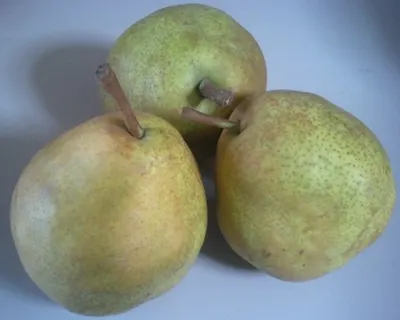
Turkey hosts the supplier Askar Tarim Urunleri Ltd. Sti., which currently lists seven active fresh‑fruit products. The catalogue comprises fresh figs, Santa Maria pears, Deveci pears, quinces, nectarines, peaches and Sultan lemons. Each item is classified under the HS chapter 08 for fresh fruit, for example figs fall under HS 0804.10 and pears under HS 0804.20. The supplier is recorded as an imported tier with a harbor trust rating, indicating it operates through Turkish export channels. The product count and variety reflect a focus on temperate‑climate stone and pome fruits commonly grown in the Aegean and Mediterranean regions of Turkey.
The listed fruits are supplied in typical export packaging such as ventilated cardboard boxes of 10 kg for small‑fruit batches and bulk 20 kg cartons for larger shipments. Seasonal availability follows the Mediterranean climate, with figs and quinces harvested from June to September, pears and peaches from July to August, and lemons available year‑round. Quality specifications generally reference size ranges (e.g., figs 30 - 45 mm length, peaches 70 - 90 mm diameter) and visual grading (Class I, II, III) used in EU import protocols. While the supplier’s specific certifications are not disclosed, the product range aligns with common export standards for Turkish fresh fruit.
Product Range and Specialties of Askar Tarim Urunleri Ltd. Sti.
The catalogue covers seven fresh fruit items. Fresh figs are typically marketed in grades based on size, skin color and sugar content, with the most common export grade being 30 mm minimum length and a minimum soluble solids content of 12 % Brix. Santa Maria and Deveci pears are pome fruits graded by firmness, sugar level (11 - 13 % Brix) and absence of blemishes, and are usually classified under HS 0804.20. Quinces are exported in whole form with a minimum weight of 150 g per fruit and are subject to a minimum acidity of 0.6 % to meet EU quality expectations. Nectarines and peaches belong to the stone‑fruit category (HS 0809) and are graded by size (minimum 70 mm diameter), skin smoothness and flesh firmness, with typical export standards requiring a minimum of 10 % Brix.
Typical certifications requested for Turkish fresh fruit include GlobalGAP, ISO 22000 and phytosanitary certificates issued by the Turkish Ministry of Agriculture. Buyers often require a certificate of origin and a laboratory analysis confirming pesticide residue limits in line with EU maximum residue limits (MRLs). Packaging for these fruits generally uses insulated containers with temperature control set between 0 °C and 4 °C for stone fruits and 5 °C to 10 °C for figs and quinces, loaded in 20‑ft or 40‑ft refrigerated containers.
Trade and Export Information - Askar Tarim Urunleri Ltd. Sti.
Turkey is a major exporter of fresh fruit to the European Union, the Gulf Cooperation Council, Russia and North Africa. The HS chapter 08 family used for these products (e.g., 0804 for figs and pears, 0809 for nectarines and peaches, 0805 for lemons) is routinely inspected by customs authorities for compliance with phytosanitary requirements. Export shipments are commonly dispatched under CIF or FOB terms, with refrigerated sea freight being the standard logistics mode for maintaining fruit quality over the 2‑4 week transit to Europe.
Turkish fruit exporters benefit from established cold‑chain infrastructure at ports such as Mersin and Izmir, enabling rapid loading into reefer containers. Buyers typically request pre‑shipment inspection reports and may engage third‑party agencies for compliance verification. Standard documentation includes the phytosanitary certificate, certificate of origin, commercial invoice and packing list, all of which must reference the correct HS codes and meet the importing country’s plant health regulations.
Sourcing from Askar Tarim Urunleri Ltd. Sti. - Buyer Guidance
Prospective buyers should request the latest GlobalGAP or ISO 22000 audit reports, as well as a phytosanitary certificate confirming freedom from pests for each fruit type. Sample shipments of 10 kg per variety are a common practice to evaluate size, firmness and taste before confirming larger orders. Verification of Brix levels, acidity and pesticide residue through accredited laboratory reports helps ensure compliance with EU or GCC import standards.
Before placing an order, buyers should confirm the packaging format (ventilated boxes vs bulk cartons), the expected temperature range during transport, and the lead time for harvest windows of each fruit. Requesting a detailed packing list that aligns with the HS codes provided (0804.10 for figs, 0804.20 for pears, 0805.20 for lemons, 0809.30 for nectarines and peaches) will aid customs clearance. Establishing a clear agreement on inspection procedures, such as pre‑loading checks by a recognized certifying body, reduces the risk of shipment rejection.
Frequently Asked Questions About Askar Tarim Urunleri Ltd. Sti.
What fresh fruit varieties does Askar Tarim Urunleri Ltd. Sti. offer?
The supplier lists fresh figs, Santa Maria pears, Deveci pears, quinces, nectarines, peaches and Sultan lemons, totaling seven distinct fruit products.
Which HS codes are applicable to the fruits in this catalogue?
Export of figs generally uses HS 0804.10, pears HS 0804.20, quinces HS 0804.30, nectarines and peaches HS 0809.30, and lemons HS 0805.20.
What quality grades are typically required for these Turkish fruits?
Buyers commonly require visual grades (Class I‑III) based on size, skin integrity and firmness, with specific benchmarks such as figs ≥30 mm length and ≥12 % Brix, pears ≥11 % Brix and firm flesh, and stone fruits ≥70 mm diameter with ≥10 % Brix.
Which certifications should a buyer request from this supplier?
Standard certifications for Turkish fresh fruit include GlobalGAP, ISO 22000, and a phytosanitary certificate; buyers should ask for the latest audit reports and the certificate of origin.
How are the fruits typically packed for export?
Export packaging usually consists of ventilated cardboard boxes (10 kg) or bulk cartons (20 kg) placed inside refrigerated containers set to 0‑4 °C for stone fruits and 5‑10 °C for figs and quinces.
What documentation is required for customs clearance?
Required documents typically include the commercial invoice, packing list, phytosanitary certificate, certificate of origin and any relevant inspection or laboratory reports, all referencing the correct HS codes.
What are the usual lead times and minimum order quantities for these fruits?
Lead times align with the seasonal harvest, generally 2‑4 weeks from order confirmation, and minimum order quantities are often set at a full container load (approximately 10‑12 metric tons) or a comparable bulk shipment.




 , Turkey
.jpg.png)