Western petroleum resources — Supplier
About Western petroleum resources - Petroleum Products Supplier in United States
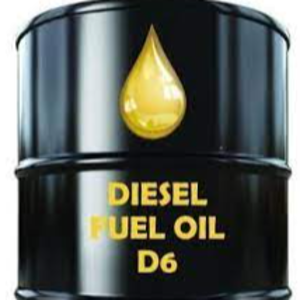
United States based Western petroleum resources lists ten active products in its catalogue. The portfolio includes Virgin Fuel Oil D6 (maximum 0.380 % sulfur), Light Cycle Oil, Aviation Kerosene Jet Fuel (TS‑1), Jet Fuel A1 with HS code 2710.19, Automotive Gas Oil (AGO), Liquefied Natural Gas (LNG), CST‑180 Fuel Oil, and a second entry for Light Cycle Oil. Both Jet Fuel A1 entries specify a refined petroleum kerosene material classified under HS chapter 27.10, a common code for petroleum oils and oils obtained from bituminous minerals. The remaining items are described without HS codes but fall within the broader petroleum product families such as diesel‑type fuel oil and specialty kerosene blends. The catalogue reflects a focus on middle‑distillate and aviation fuel grades.
The listed products cover typical middle‑distillate specifications used in marine, industrial and aviation applications. For example, Jet Fuel A1 conforms to the ASTM D1655 standard, which requires a flash point above 38 °C, a sulfur content generally below 0.30 % by mass, and a density around 0.775 g cm‑3 at 15 °C. Light Cycle Oil is a high‑boiling kerosene cut with an API gravity between 30 ° and 35 ° and a typical sulfur limit of 0.5 %. Virgin Fuel Oil D6 is a heavy fuel oil grade with a maximum sulfur level of 0.380 % as indicated in the product name. These grades are routinely shipped in ISO‑tank containers or bulk tankers according to international trade practices.
Product Range and Specialties of Western petroleum resources
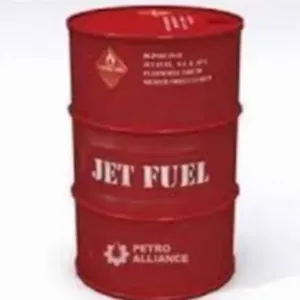
Western petroleum resources’ catalogue offers jet fuels, diesel‑type fuel oils and LNG variants. Jet Fuel A1, identified under HS code 2710.19, is a kerosene‑based jet fuel that meets ASTM D1655 and the ICAO TS‑1 specification, with typical parameters such as a freezing point below - 47 °C, a calorific value of 43 MJ kg‑1, and a sulfur ceiling of 0.30 % mass. Light Cycle Oil and CST‑180 Fuel Oil are middle‑distillate products commonly used for power generation and marine bunkering; they are usually graded by API gravity (30‑35 °) and sulfur content (0.3‑0.5 %). LNG is supplied as a cryogenic liquid in insulated tank containers, adhering to ISO 16971 standards for gas quality. Automotive Gas Oil follows the ASTM D975 diesel fuel specification, with a cetane number of at least 40 and a sulfur limit of 0.05 % for ultra‑low‑sulfur diesel.
Trade and Export Information - Western petroleum resources
The United States is a major exporter of refined petroleum products, and goods classified under HS chapter 27.10 are regularly shipped to Asia, Europe and the Middle East for aviation, marine and industrial use. Buyers typically require compliance with ASTM, ISO 9001 quality‑management and API product specifications, as well as material safety data sheets (MSDS) for handling. Export shipments are frequently arranged on FOB US ports with subsequent freight on ISO tanks (20 ft or 40 ft) or bulk carriers, and Incoterms such as CIF or DAP are common in the sector. Regulatory checks often involve customs verification of the HS code 2710.19, sulfur content limits imposed by the IMO 2020 regulation, and country‑specific fuel standards.
Because the catalogue includes both liquid fuels and LNG, packaging differs: liquid fuels are loaded into stainless‑steel or aluminum ISO tanks, while LNG is transferred in cryogenic insulated containers meeting ASME pressure vessel standards. Typical container capacities range from 20,000 L to 40,000 L for liquid fuels and 15 m³ for LNG. Importers usually request pre‑shipment inspection reports such as SGS or Bureau Veritas certificates to confirm product grade and volume.
Sourcing from Western petroleum resources - Buyer Guidance
Buyers sourcing from Western petroleum resources should request the latest product specification sheet, an independent laboratory test report covering sulfur, flash point, density and water content, and a full MSDS for each fuel grade. Verification of the HS code 2710.19 for Jet Fuel A1 and confirmation that the fuel meets ASTM D1655 or ICAO TS‑1 standards are essential before contract finalisation.
Typical minimum order quantities are 20,000 L for liquid fuels and 10 m³ for LNG, with lead times of four to six weeks after receipt of a signed purchase order and required documentation. Buyers should also confirm the intended Incoterm, packaging (ISO tank or bulk tanker), and any required certifications such as ISO 9001 or API 6A that the supplier can provide on request.
Frequently Asked Questions About Western petroleum resources
What types of jet fuel does Western petroleum resources offer?
The supplier lists Jet Fuel A1, classified under HS code 2710.19, which conforms to ASTM D1655 and ICAO TS‑1 specifications, and Aviation Kerosene Jet Fuel (TS‑1) as a separate product.
Are material safety data sheets available for the listed fuels?
Yes, buyers can request an MSDS for each fuel grade, which includes handling, storage and safety information required for compliance with transport and occupational regulations.
Which certifications should a buyer verify for these petroleum products?
Buyers should ask for ISO 9001 quality‑management certification and independent test reports that reference ASTM D1655 for jet fuel, ASTM D975 for diesel‑type fuel oils, and ISO 16971 for LNG quality.
What is the typical packaging and container size for the liquid fuels?
Liquid fuels such as Jet Fuel A1, Light Cycle Oil and CST‑180 Fuel Oil are normally shipped in ISO tanks of 20 ft (≈20,000 L) or 40 ft (≈40,000 L) capacity, or in bulk tanker shipments for larger volumes.
What are the common HS codes for the products in the catalogue?
Jet Fuel A1 is listed with HS code 2710.19; other petroleum oils fall under the broader HS chapter 27.10 for petroleum oils and oils obtained from bituminous minerals.
What are the usual lead times and minimum order quantities?
Standard lead time is four to six weeks after order confirmation, with minimum order quantities of about 20,000 L for liquid fuels and 10 m³ for LNG, subject to negotiation.
Which regions typically import these fuel products from the United States?
Major import markets include East and Southeast Asia, Western Europe and the Middle East, where aviation, marine and industrial users source US‑origin refined petroleum products.




 , United States