Nsric Green Supplies Inc. — Verified Supplier
About Nsric Green Supplies Inc. - Petroleum By Products Supplier in Canada
Canada‑based Nsric Green Supplies Inc. lists 54 active products across several commodity groups, including petroleum by‑products, bentonite, bitumen, diesel variants, industrial chemicals, crude oil, and various coal types. The catalogue explicitly names items such as Automotive Gas Oil (AGO), Aviation Jet fuel A‑1, Ultra Low Sulphur Diesel (ULSD), Export Blend Crude Gost 51 858‑2002, LNG, LPG, petroleum coke, sulphur granular, urea 46 % prilled & granular, and a range of refined vegetable oils. Each entry follows standard commodity naming conventions used in international trade, and many of the petroleum products align with HS Chapter 27 codes for mineral fuels and oils. The mineral coal entries correspond to HS Chapter 27 sub‑headings for solid mineral fuels. The bentonite and bitumen listings fall under HS Chapter 25 and Chapter 27 respectively, reflecting typical tariff classifications for these materials.
The supplier acts as an agent for refineries in Europe, Asia and North America, which is common for commodity traders that do not own processing facilities. Product descriptions mention specifications such as EN590 with 10 ppm sulfur for diesel and aviation kerosene grades, indicating compliance with widely accepted fuel standards. The inclusion of both bulk fuels (e.g., LNG, LPG) and bulk solids (e.g., coal, bentonite) shows capability to handle diverse logistics requirements, from pressurised tankers to bulk bag shipments. No additional corporate history or financial data is provided beyond the active product count and listed categories.
Product Range and Specialties of Nsric Green Supplies Inc.
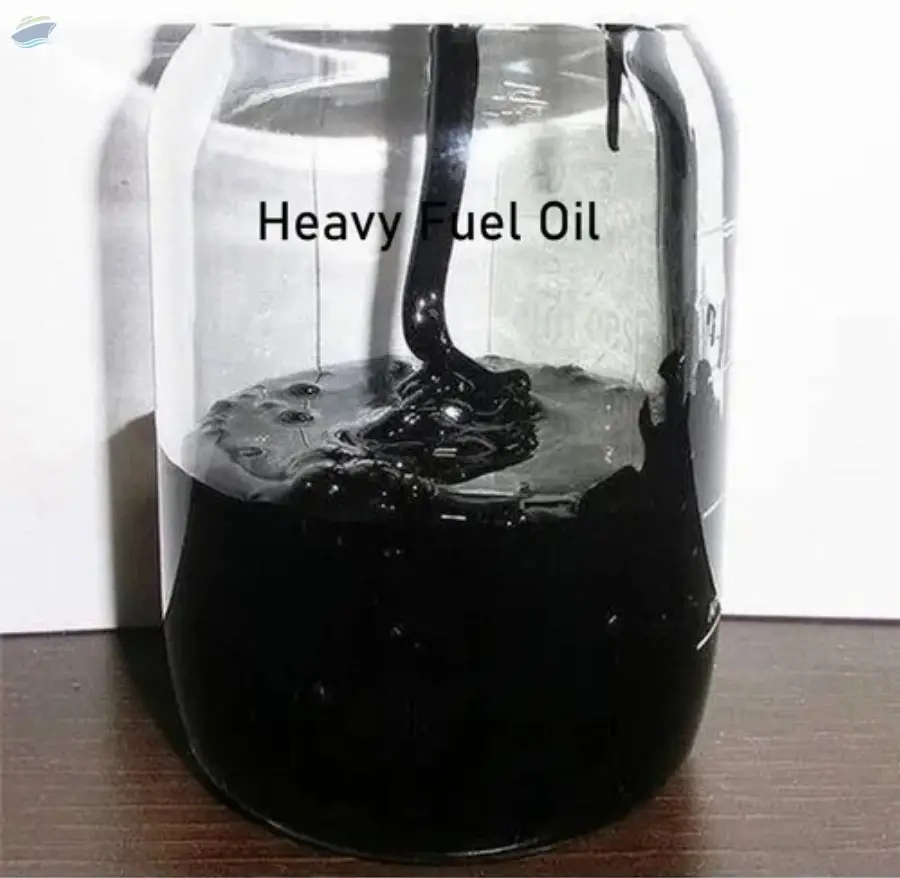
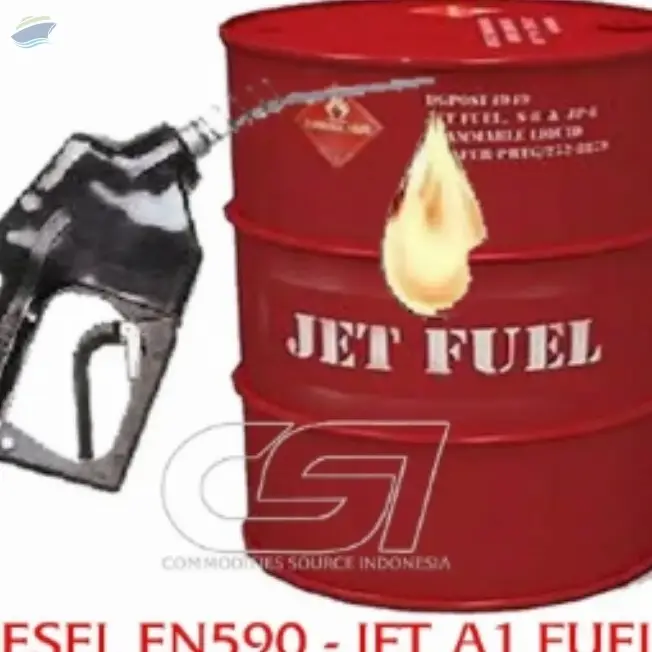
Nsric Green Supplies Inc. offers a catalogue that spans conventional diesel grades (EN590 ULSD, GOST 305‑82 D2), jet fuel A‑1, and specialty fuels such as virgin fuel oil D6 and bitumen grades 60/70 and 80/100. In the petroleum sector, buyers typically look for specifications like sulfur content ≤10 ppm for ULSD, flash point ≥60 °C for jet fuel, and viscosity ranges defined by ASTM D975 for diesel. The bitumen products correspond to common paving grades, where penetration values and softening points are key quality metrics. Bentonite is listed in 250 types, a material frequently supplied in fine powder form for drilling muds, with quality measured by grain size distribution and swelling index. Coal entries include anthracite, steam, lignite, and metallurgical grades, each evaluated by calorific value (MJ/kg), ash content, and moisture percentage.
Trade and Export Information - Nsric Green Supplies Inc.
Exporters of diesel, jet fuel and other refined petroleum products from Canada typically ship to North American, European and Asian markets, using HS codes 2710 - 2711 for fuels and 2709 for bitumen. Buyers in the transport, aviation and power generation sectors usually request certificates such as ISO 9001, API Q1, and compliance with the International Maritime Organization’s MARPOL regulations for fuel sulfur limits. For bulk solids like bentonite and coal, HS Chapter 25 and Chapter 27 classifications apply, and purchasers often require SGS or Bureau Veritas inspection reports, as well as moisture and ash analysis certificates. Canadian exporters benefit from a stable regulatory framework that includes the Canada Energy Regulator’s reporting standards and customs procedures that support containerized, rail and maritime shipments. Typical Incoterms include CIF or FOB, with container sizes of 20 ft or 40 ft for petroleum liquids in ISO tankers and bulk bags for solid commodities.
Sourcing from Nsric Green Supplies Inc. - Buyer Guidance
When sourcing petroleum fuels from Nsric Green Supplies Inc., buyers should request the latest fuel analysis certificates covering sulfur, density, flash point and cetane number for diesel, and specifications such as ASTM D1655 for jet fuel. For solid commodities like bentonite and coal, buyers normally ask for laboratory test reports on particle size distribution, moisture, ash and calorific value, together with third‑party inspection certificates. It is advisable to verify the supplier’s agency agreements with the originating refineries and to obtain a copy of the relevant export licences or customs declarations before placing a purchase order.
Frequently Asked Questions About Nsric Green Supplies Inc.
What petroleum fuel grades does Nsric Green Supplies Inc. list?
The catalogue includes Automotive Gas Oil (AGO), EN590 Ultra Low Sulphur Diesel, Aviation Jet fuel A‑1, Virgin Fuel Oil D6, Export Blend Crude Gost 51 858‑2002, and several bitumen grades. Each product follows internationally recognised specifications such as EN 590 for diesel and ASTM D1655 for jet fuel.
Which HS codes are relevant for the listed fuels?
Diesel and gasoline products fall under HS Chapter 27, typically code 2710 for petroleum oils and oils obtained from bituminous minerals. Jet fuel and aviation kerosene also use HS 2710 sub‑headings, while bitumen is classified under HS 2710 11. The exact sub‑heading depends on the product’s physical state and intended use.
What quality documents should a buyer request for LPG and LNG?
Buyers normally request a Certificate of Analysis that includes heating value, sulfur content, and moisture level, as well as a compliance statement with ISO 8217 for marine fuel or the relevant gas quality standards (e.g., EN 16723 for LNG). Third‑party inspection reports from SGS or Bureau Veritas are also standard.
Are there standard certifications required for bentonite shipments?
Bentonite shipments are commonly accompanied by an SGS inspection report and a material safety data sheet (MSDS). Buyers often look for ISO 9001 certification of the processing plant and test results for grain size and swelling index.
What specifications are typical for the coal products offered?
Coal grades are evaluated by calorific value (typically 20‑30 MJ/kg for steam coal), ash content (often <10 %), moisture (generally <5 %), and sulfur (usually <1 %). Inspection certificates covering these parameters are standard practice.
Which Incoterms are most frequently used for these exports?
Exporters from Canada commonly use FOB (Free on Board) for bulk tankers and FOB or CIF (Cost, Insurance, Freight) for containerised shipments of solid commodities. The choice depends on the buyer’s preferred responsibility for freight and insurance.
How can a buyer verify the supplier’s representation of refineries?
Buyers should request copies of agency agreements or letters of authority from the originating refineries, along with the relevant export licences issued by Canadian authorities. Cross‑checking these documents with the refinery’s own export records adds an additional layer of verification.
What packaging formats are used for the solid products?
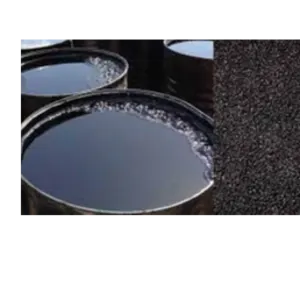
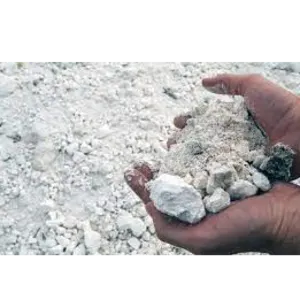
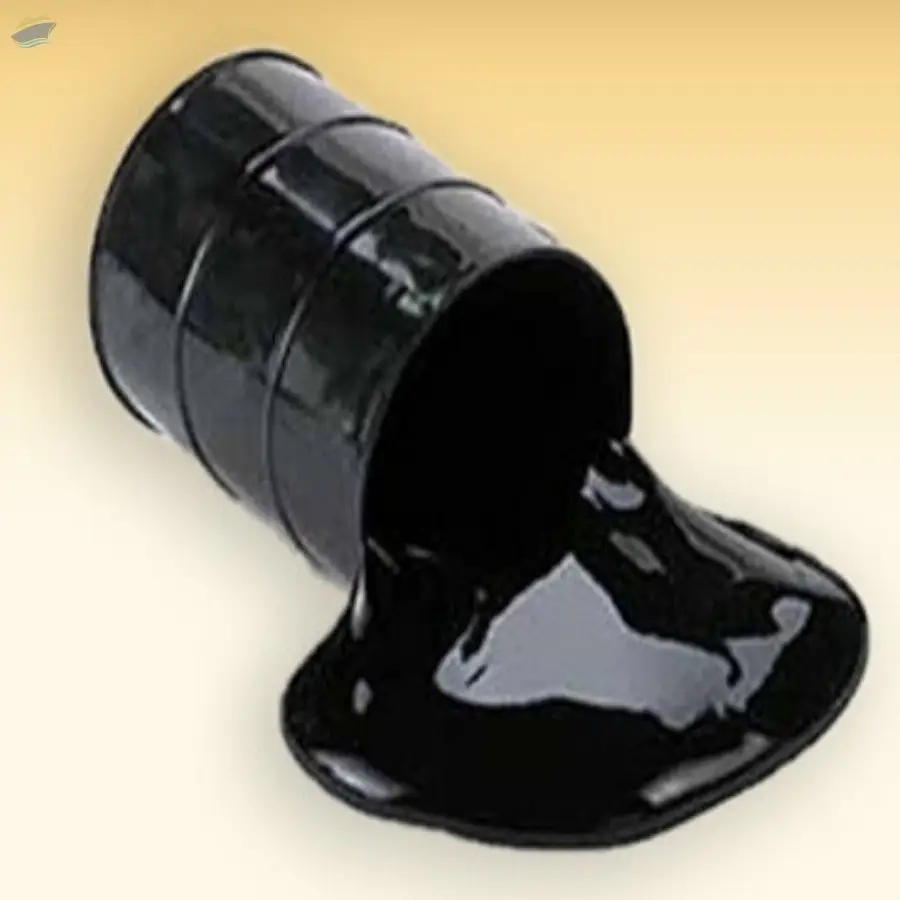
Bentonite and coal are typically packed in bulk bags (25 kg or 1 ton) or in open‑top containers for large volume shipments. Bitumen is often shipped in heated drums or bulk tankers with temperature control to maintain fluidity.




 , Canada