Medhavi SuperFoods — Verified Manufacturer & Wholesale Supplier
About Medhavi SuperFoods - Edible Oils Supplier in India
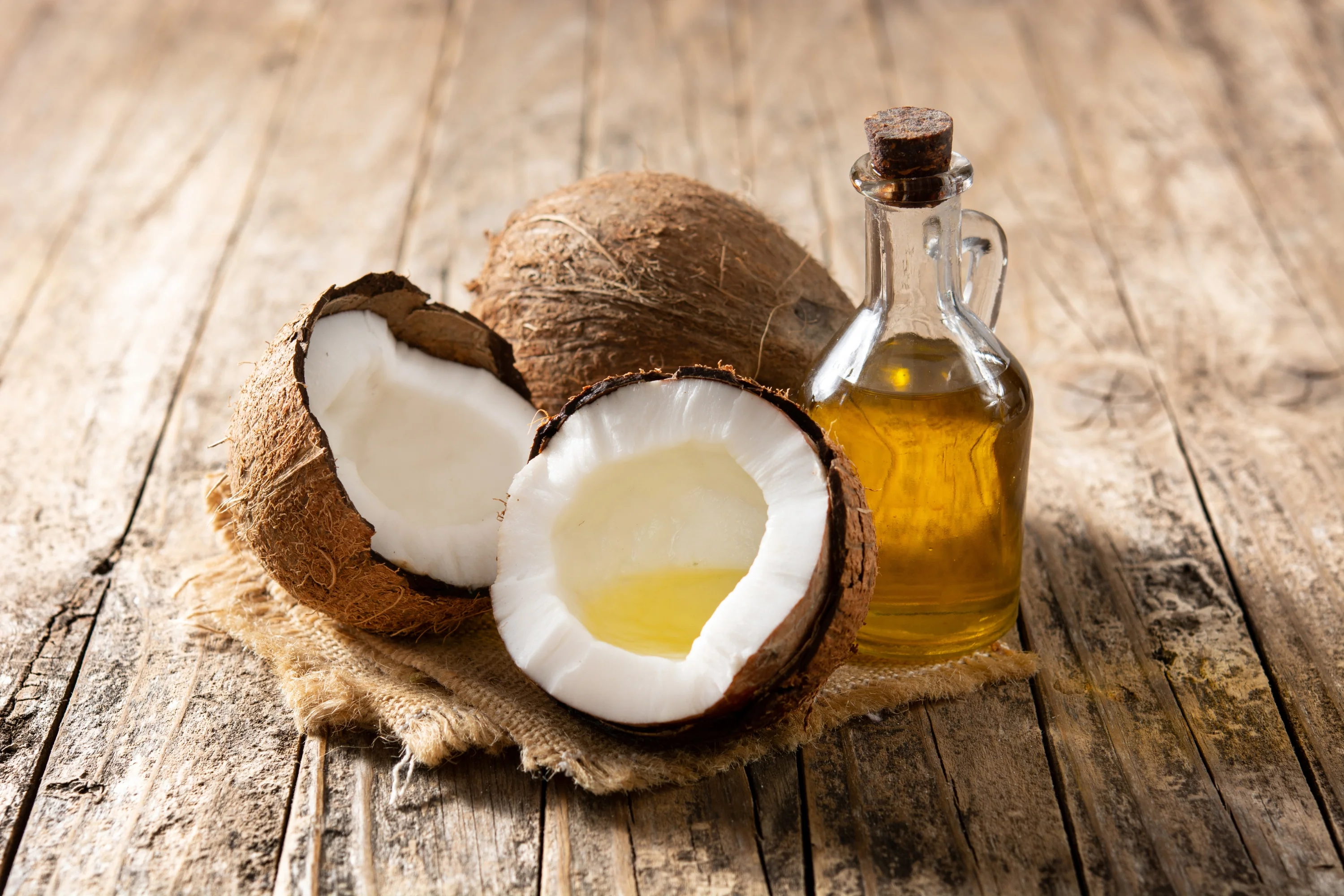
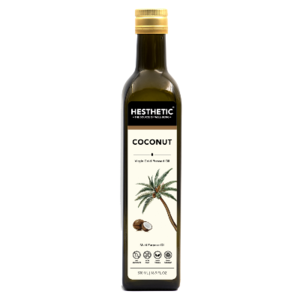
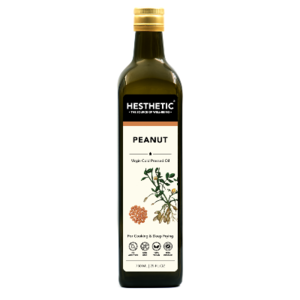
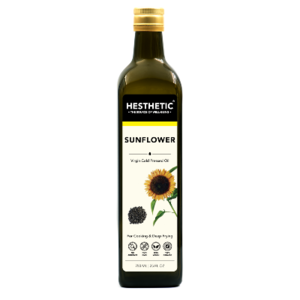
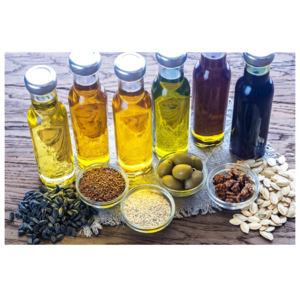
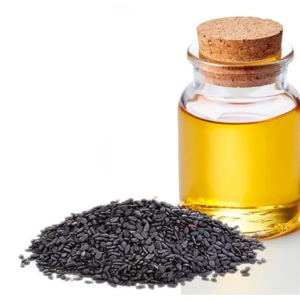
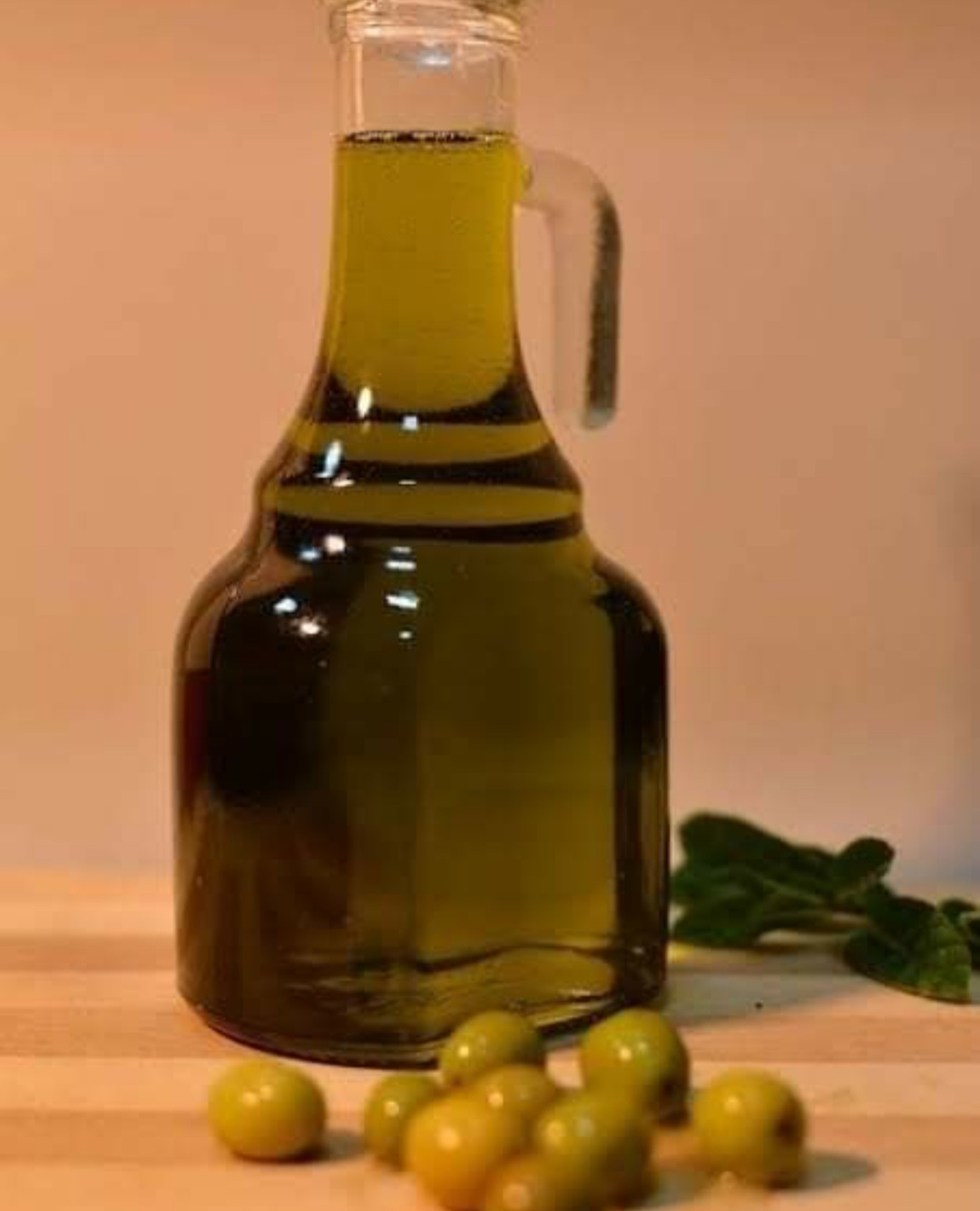
Medhavi SuperFoods, located in Chamarajnagar, KARNATAKA, India, is a supplier of edible oils with 7 active products. The company's product range includes Wood Cold Pressed Groundnut/Peanut Oil, Wood Cold Pressed Sunflower Oil, Wood Cold Pressed Coconut Oil, Wood Cold Pressed Black Sesame Oil, Wood Cold Pressed Niger Oil, Wood Cold Pressed Mustard Oil, and Wood Cold Pressed Almond Oil. These products fall under the HS code families 1508, 1512, 1513, 1514, and 1515, which are commonly used for edible oils.
The edible oil market in India is known for its diverse range of products, with various grades and specifications available. Buyers of edible oils typically require certifications such as ISO 22000:2018, which ensures quality and food safety. Medhavi SuperFoods' products are made from premium quality seeds, including groundnut/peanut seeds, sunflower seeds, coconut seeds, black sesame seeds, niger seeds, mustard seeds, and almond seeds.
Product Range and Specialties of Medhavi SuperFoods
Medhavi SuperFoods' product range includes a variety of edible oils, each with its own unique characteristics and specifications. For example, Wood Cold Pressed Groundnut/Peanut Oil is made from premium quality groundnut/peanut seeds and has an HS code of 1508.10. Wood Cold Pressed Sunflower Oil, on the other hand, is made from premium quality sunflower seeds and has an HS code of 1512.21. Buyers of edible oils should request specifications, such as the oil's acidity level, peroxide value, and fatty acid composition, to ensure they meet their requirements.
Trade and Export Information - Medhavi SuperFoods
Exporters of edible oils, such as Medhavi SuperFoods, typically export their products to regions with high demand for cooking oils, such as the Middle East, Africa, and Southeast Asia. The HS code families 1508, 1512, 1513, 1514, and 1515 are commonly used for edible oils and are subject to various regulatory requirements, including food safety and quality standards. Buyers should be aware of these regulations and ensure that the products they source comply with them. Incoterms, such as CIF or FOB, are commonly used in the edible oil trade, and buyers should understand the terms and conditions of these Incoterms to avoid any disputes.
Sourcing from Medhavi SuperFoods - Buyer Guidance
When sourcing from Medhavi SuperFoods, buyers should request specifications, such as the oil's acidity level, peroxide value, and fatty acid composition, to ensure they meet their requirements. Buyers should also request certifications, such as ISO 22000:2018, to ensure the products meet quality and food safety standards. Additionally, buyers should verify the products' packaging, labeling, and shipping requirements to ensure compliance with regulatory requirements. It is also recommended that buyers request samples and test reports to verify the products' quality before placing an order.
Frequently Asked Questions About Medhavi SuperFoods
What is the HS code for Wood Cold Pressed Groundnut/Peanut Oil?
The HS code for Wood Cold Pressed Groundnut/Peanut Oil is 1508.10.
What is the material used to make Wood Cold Pressed Sunflower Oil?
The material used to make Wood Cold Pressed Sunflower Oil is premium quality sunflower seeds.
What certifications should buyers request when sourcing from Medhavi SuperFoods?
Buyers should request certifications such as ISO 22000:2018 to ensure the products meet quality and food safety standards.
What are the common Incoterms used in the edible oil trade?
Common Incoterms used in the edible oil trade include CIF and FOB.
What should buyers verify before placing an order?
Buyers should verify the products' packaging, labeling, and shipping requirements to ensure compliance with regulatory requirements, and request samples and test reports to verify the products' quality.
What is the significance of the HS code families 1508, 1512, 1513, 1514, and 1515 in the edible oil trade?
The HS code families 1508, 1512, 1513, 1514, and 1515 are commonly used for edible oils and are subject to various regulatory requirements, including food safety and quality standards.
How do buyers ensure they meet the regulatory requirements for edible oils?
Buyers should ensure they meet the regulatory requirements for edible oils by requesting certifications, such as ISO 22000:2018, and verifying the products' packaging, labeling, and shipping requirements.
What is the recommended way to verify the quality of edible oils before placing an order?
The recommended way to verify the quality of edible oils is to request samples and test reports.





 Chamarajnagar, India