Kajar India Exports — Verified Supplier
About Kajar India Exports - Food Products Supplier in India
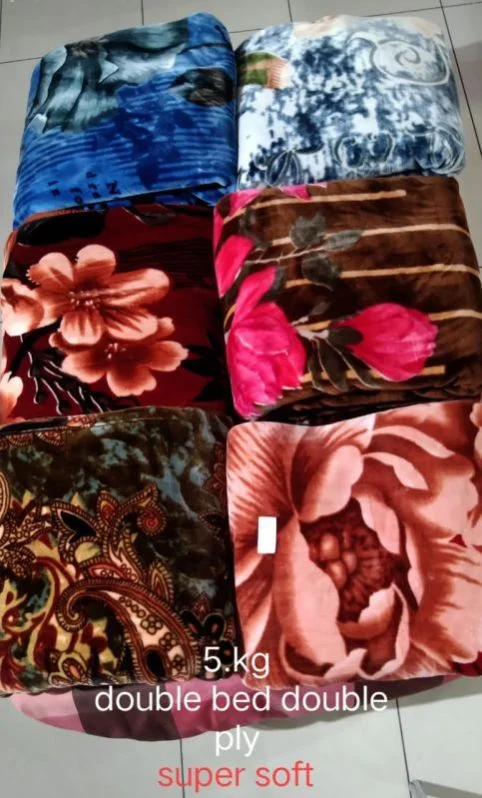
Kajar India Exports operates from India and currently lists 23 distinct products in its catalogue. The catalogue includes food items such as rice, cumin seeds, green cardamom, pulses, various whole and ground spices, and flavored tea, as well as textile and ancillary products like T‑shirts, blankets, curtains, cotton socks and paper bags. The food range covers staple grains, aromatic spices and tea blends that are commonly classified under HS chapters 10 and 09. The non‑food line comprises cotton and blended garments and packaging materials that fall under HS chapters 61 and 63. The supplier’s product list reflects a diversified export portfolio typical of Indian exporters.
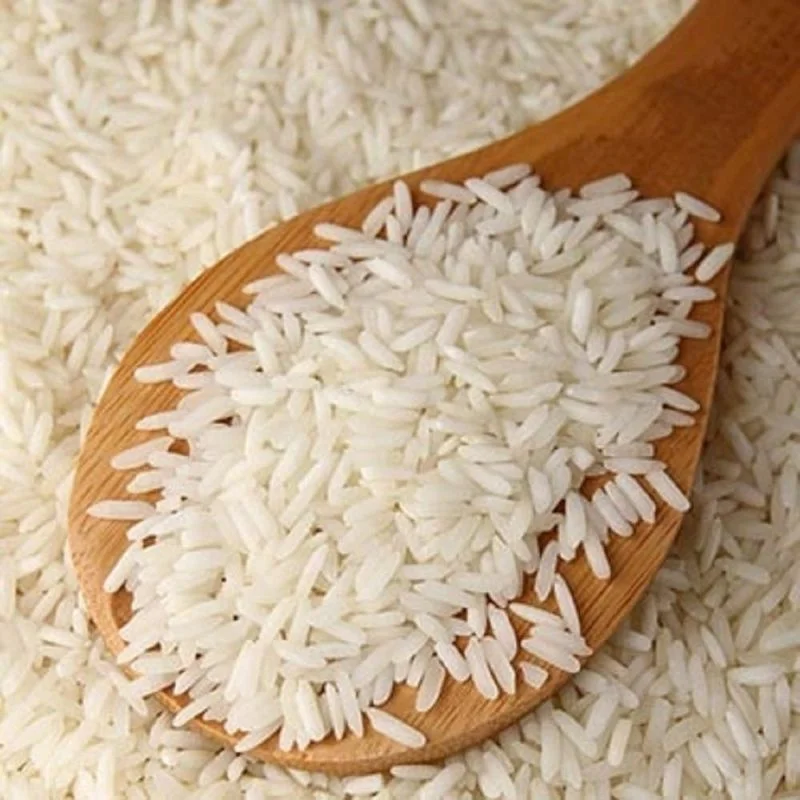
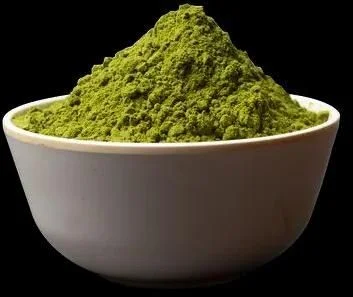
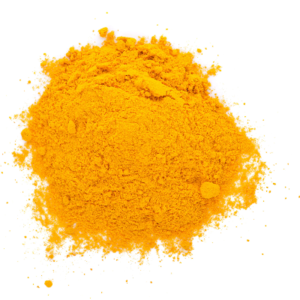
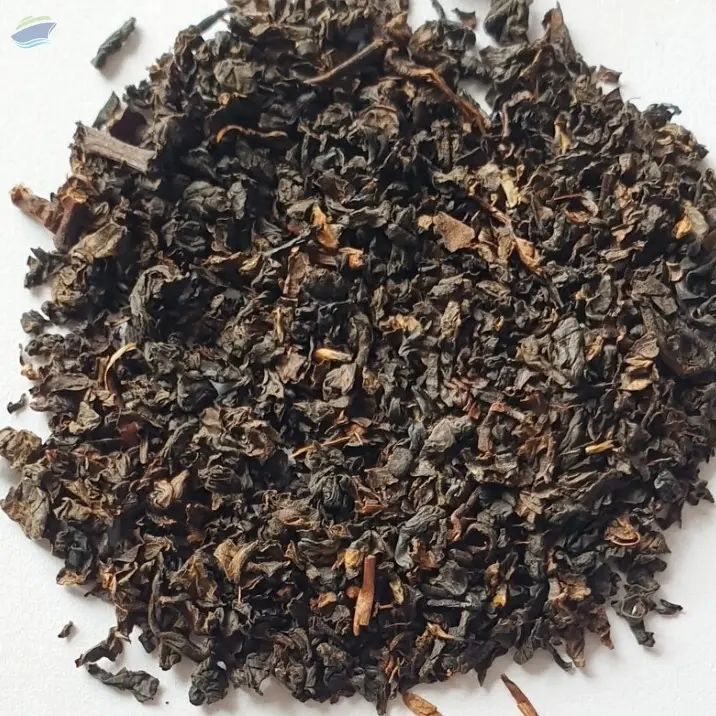
In the food segment, Kajar India Exports lists several rice varieties including standard rice, 1509 Golden Sella Rice and 1509 Steam rice, alongside a full spectrum of spices such as cumin seeds, cumin powder, coriander powder, turmeric (small pieces and powder), cinnamon, red chilli and whole spice mixes. The catalogue also features green cardamom and a range of tea products, including black and flavored teas. Apart from consumables, the supplier offers apparel items such as T‑shirts, cotton socks and leather‑accented laptop bags, plus home textiles like blankets and curtains. Packaging options include jute bags and paper bags, which are frequently used for bulk food shipments. Each product category aligns with standard export classifications used for Indian food and textile goods.
Product Range and Specialties of Kajar India Exports
The rice portfolio includes long‑grain basmati types that typically meet Indian Export Standard (IES) specifications of 6.5 mm kernel length, 12 % maximum moisture and ≤2 % broken grains. Basmati Sella rice is often exported in 25 kg or 50 kg polymer bags, while steam‑parboiled rice is shipped in 20 ft containers with bulk handling. Spice products such as cumin, coriander and turmeric are generally graded by ICUMSA colour values (e.g., turmeric powder ICUMSA 45) and moisture limits of 12 % for ground spices. Green cardamom is usually classified as Grade A with pod length ≥12 mm and total oil content ≥6 %. Tea leaves are exported as bulk black tea (HS 0902) with standard leaf size 3 - 6 mm and moisture ≤5 %. Textile items like T‑shirts and blankets are commonly supplied in cotton or cotton‑polyester blends with fabric weight ranging from 140 - 180 gsm for shirts and 250 - 300 gsm for blankets. Jute bags for bulk spice shipments typically have 12 mm thickness and a capacity of 25 kg per bag.
Trade and Export Information - Kajar India Exports
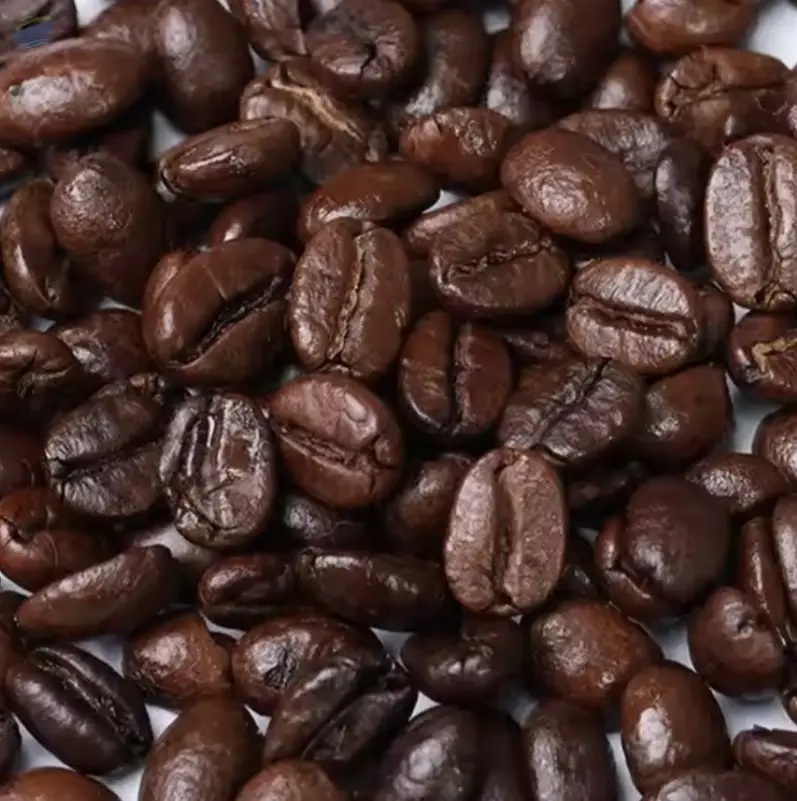
Indian exporters of rice, spices and tea mainly serve markets in the Middle East, Europe, the United States and Southeast Asia. The relevant HS code families are 1006 for milled rice, 0904 for spices, 0902 for tea, and 0901 for coffee‑related products. Buyers frequently require certifications such as FSSAI registration, ISO 22000 food safety management, HACCP compliance and, where applicable, organic or fair‑trade certifications. Packaging for bulk food items follows standards for food‑grade polyethylene or jute liners, and shipments are commonly dispatched in 20 ft or 40 ft containers under CIF or FOB terms. For textile and leather‑based accessories, HS chapters 61 and 63 apply, and buyers often request compliance with REACH and Oeko‑Tex standards, especially for EU destinations. Indian export logistics benefit from major ports such as Mumbai, Nhava Sheva and Chennai, which handle the bulk of food‑grade container traffic.
Sourcing from Kajar India Exports - Buyer Guidance
When sourcing rice or spice products from this supplier, request a recent lab analysis covering moisture content, pesticide residues, aflatoxin levels and, for turmeric, ICUMSA colour. Verify that the supplier can provide a Certificate of Origin and, where required, FSSAI or ISO 22000 compliance documents before shipment. For tea, ask for a tea tasting report, leaf size distribution and a declaration of total polyphenol content. Textile buyers should obtain fabric composition certificates, GSM measurements and wash‑fastness test results, as well as any REACH or Oeko‑Tex declarations for garments destined for the EU. Confirm packaging details - such as jute bag weight, liner material and container sealing method - to ensure compliance with the buyer’s import regulations.
Frequently Asked Questions About Kajar India Exports
What HS code is typically used for the basmati rice products listed by Kajar India Exports?
Basmati rice and other milled rice varieties are generally classified under HS code 1006.10, which covers fragrant rice such as basmati.
Which quality parameters are common for green cardamom exports?
Green cardamom is usually graded by pod length (≥12 mm), total oil content (≥6 %), moisture ≤7 % and free‑from‑foreign‑matter standards. Buyers often request a certificate confirming these parameters.
What certifications should a buyer request for the spice range?
Typical certifications include FSSAI registration, ISO 22000 or HACCP food safety certificates, and, if required, organic certification such as NOP or EU organic. A phytosanitary certificate is also standard for international shipments.
How are tea products from India normally packaged for export?
Black and flavored teas are commonly packed in food‑grade multi‑layer polyethylene bags, often 25 kg per bag, and then placed in 20 ft or 40 ft containers with moisture‑absorbing liners.
What documentation is needed for the textile items like T‑shirts and blankets?
Buyers should request fabric composition certificates, GSM specifications, wash‑fastness test reports and, for EU markets, REACH or Oeko‑Tex compliance statements.
What are the typical container sizes used for bulk spice shipments?
Bulk spices are usually shipped in 20 ft or 40 ft containers, with the spices packed in jute or polypropylene bags of 25 kg each, stacked to maximize container load.
Which markets most frequently import Indian food products such as rice and spices?
Key import regions include the United Arab Emirates, Saudi Arabia, the United Kingdom, Germany, the United States and Singapore, where demand for Indian staple foods and aromatic spices is high.
What sample procedures are advisable before placing a large order?
Request a representative sample of each product batch, accompanied by a laboratory analysis report covering moisture, purity, colour (e.g., ICUMSA for turmeric) and any pesticide residues. The sample should be sealed and labelled according to the buyer’s specifications.




 , India