J K International — Verified Supplier
About J K International - Basmati Rice, Jaggery, Pepper, Black Cardamom, Sesame Seeds, Knitted & Woven Fabrics, Quilts, Silk Supplier in Bangladesh
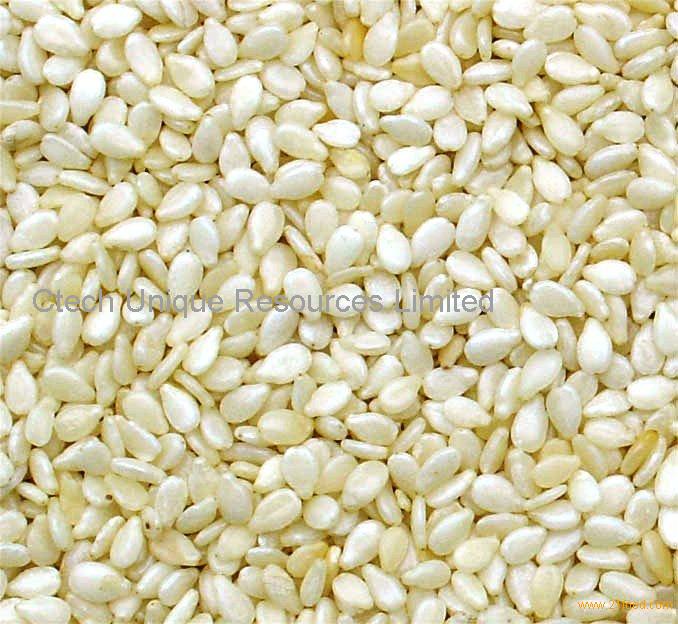
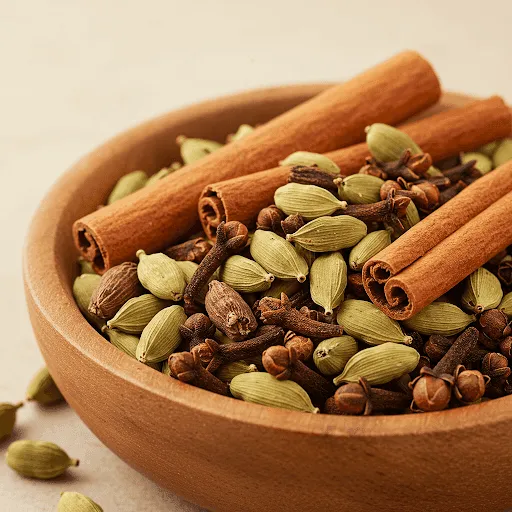
J K International, located in Bangladesh, offers a diverse range of 25 products. The company's catalogue includes various types of rice, such as 1121 Basmati Rice, 1121 Sella Basmati rice, and Pusa Basmati Rice, with HS codes ranging from 1006.30. Additionally, J K International supplies spices like Pepper, Jaggery, and Black Cardamom, as well as sesame seeds and knitted and woven fabrics. The company's product range also encompasses quilts, silk fabrics, and other textile items.
The Bangladeshi city/region where J K International is based provides a strategic location for trade and export. The company's active product count and diverse catalogue make it an attractive supplier for buyers seeking a range of products. With its origin in Bangladesh, J K International is well-positioned to cater to the demands of various industries and regions, including those that typically import rice, spices, and textiles from South Asia.
Product Range and Specialties of J K International
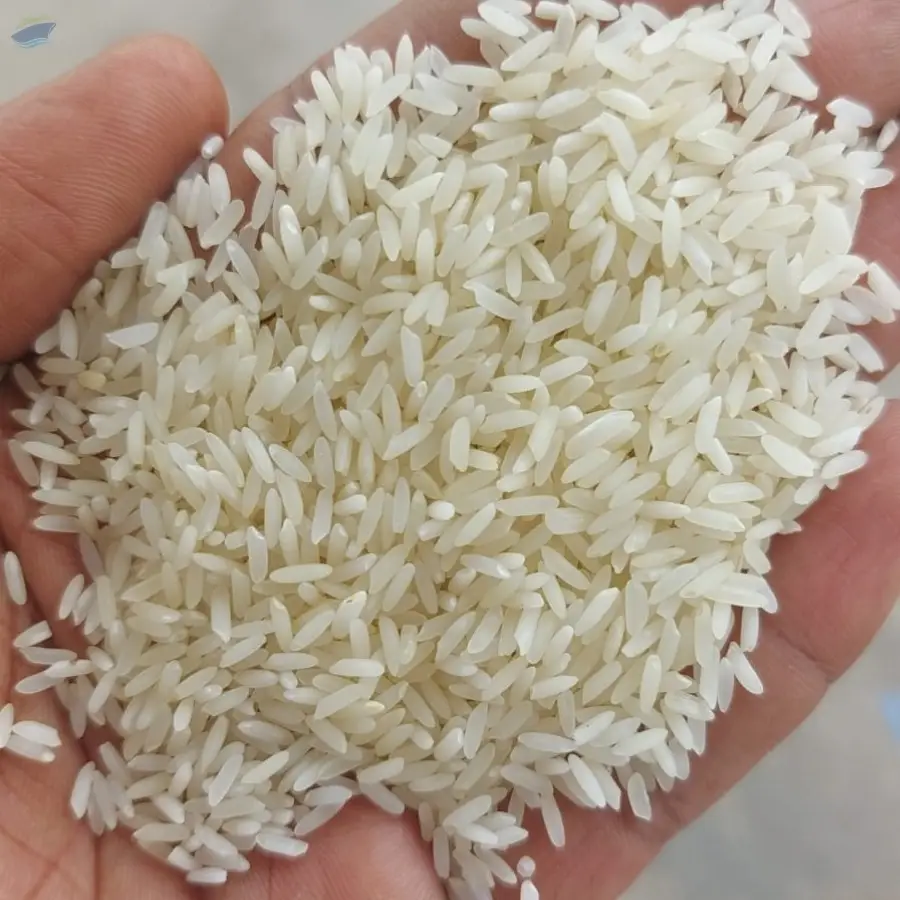
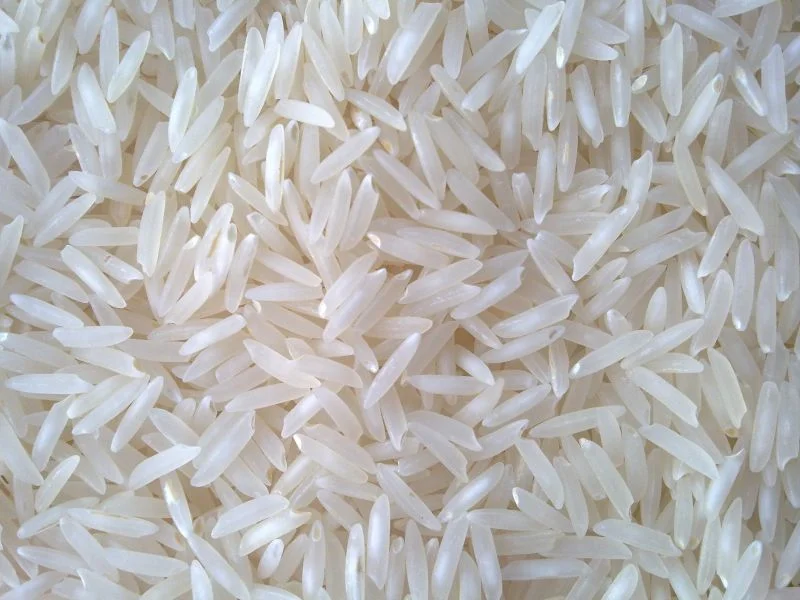
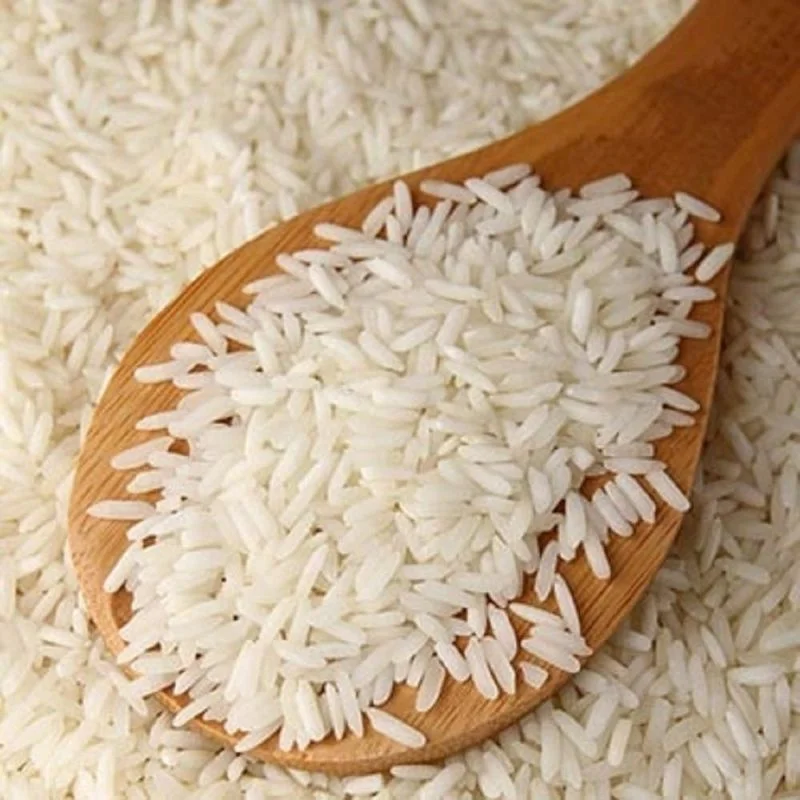
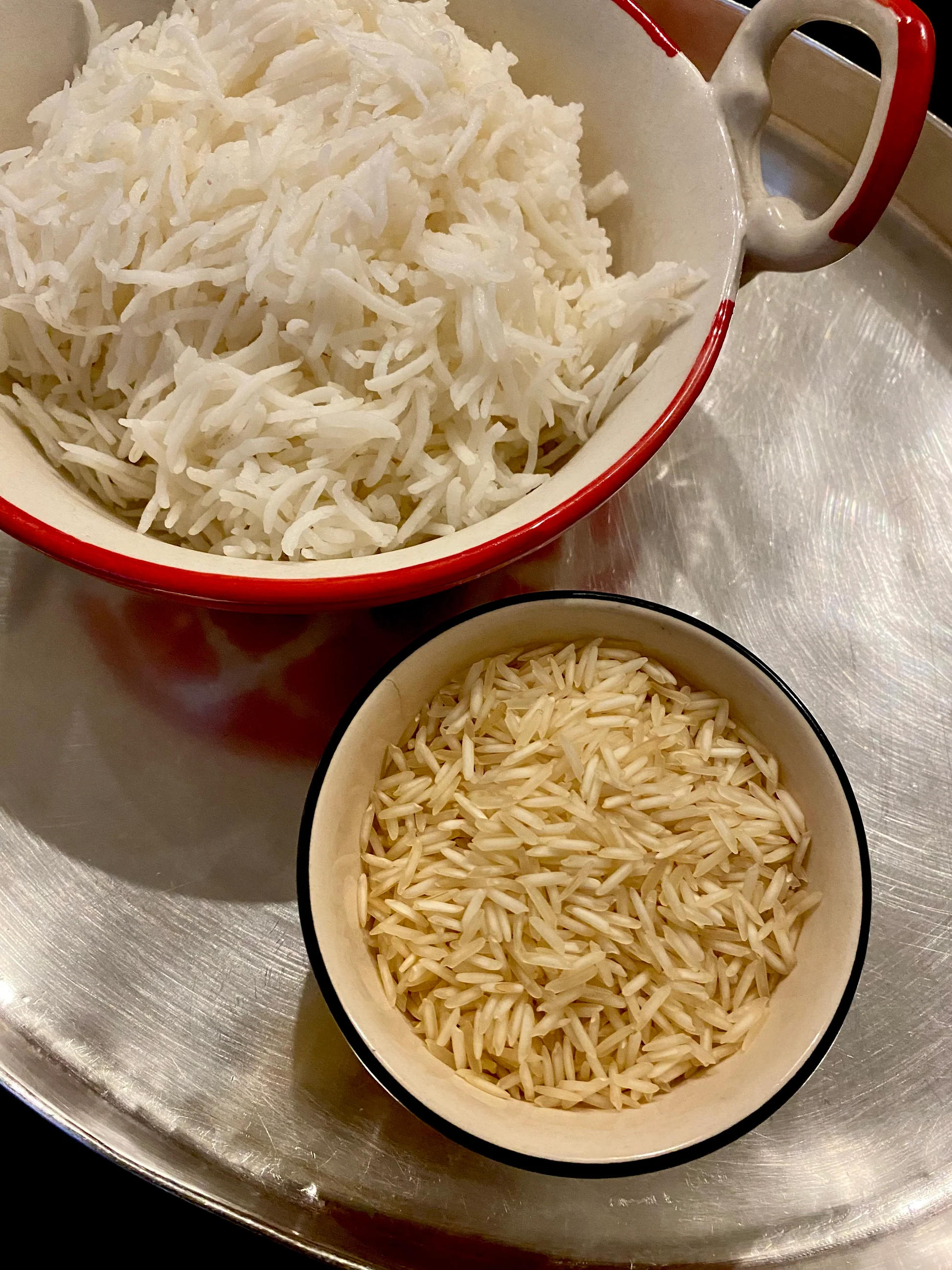
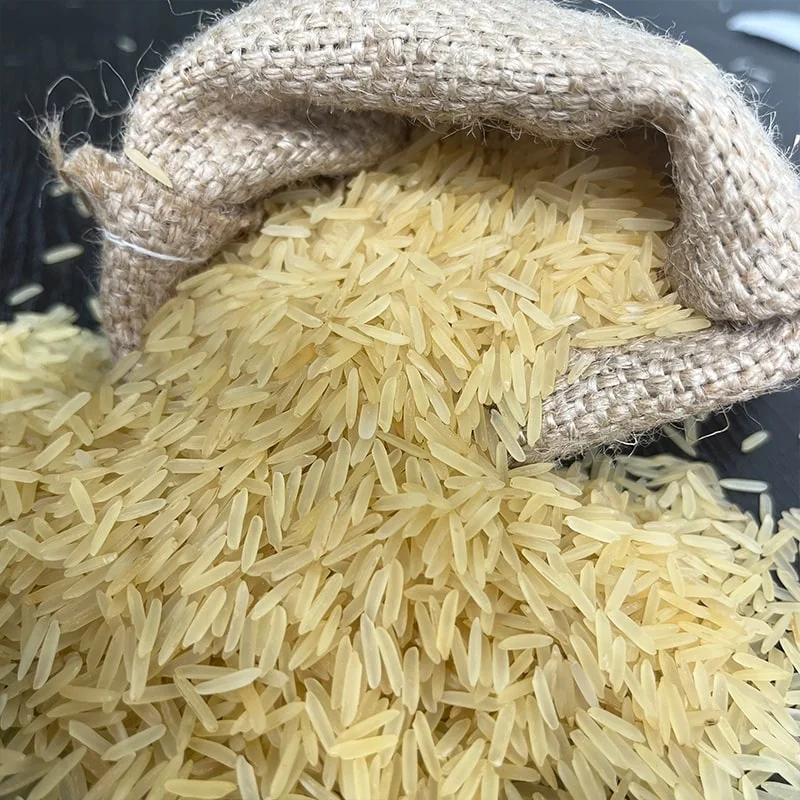
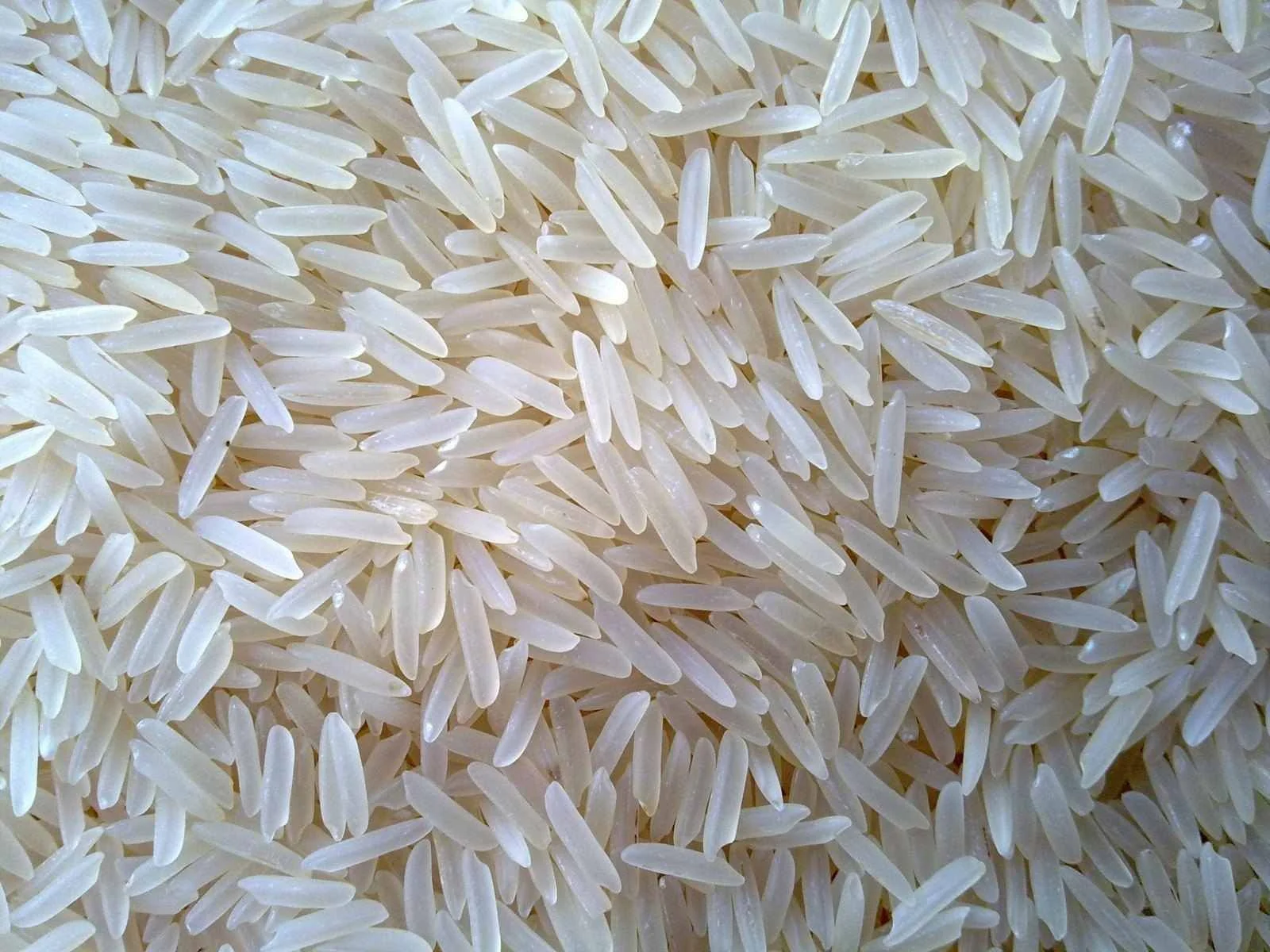
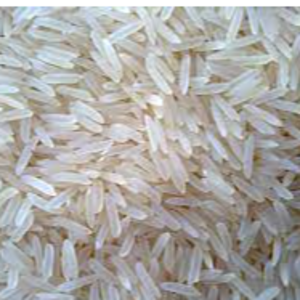
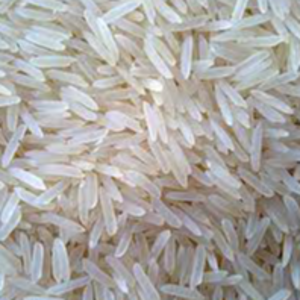
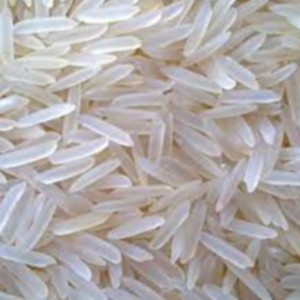
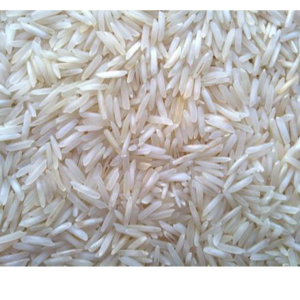
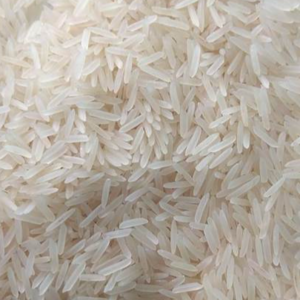
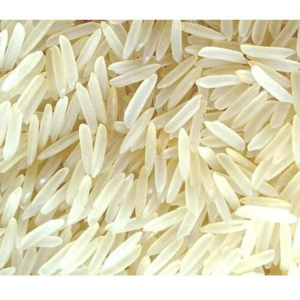
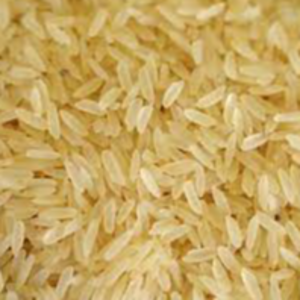
J K International's product range is characterized by its variety of rice types, including 1121 Basmati Rice, 1121 Sella Basmati rice, and Pusa Basmati Rice, which are known for their distinct quality parameters and standards. For instance, 1121 Basmati Rice is recognized for its extra-long grain length, typically ranging from 7.5 to 8.5 mm, and its characteristic aroma. The company's spices, such as Pepper and Jaggery, are also subject to specific quality standards, with buyers often requiring certifications like ISO 9001 or HACCP for these products.
In the context of the textile industry, J K International's knitted and woven fabrics, quilts, and silk fabrics are subject to standards like GSM (grams per square meter) and fabric density. Buyers of these products typically require specifications like thread count, weave type, and material composition to ensure the desired quality.
Trade and Export Information - J K International
Exporters of rice, spices, and textiles from Bangladesh, like J K International, typically cater to regions like the Middle East, Africa, and Southeast Asia, which have a high demand for these products. The HS code family 1006.30, which includes rice, is commonly used in international trade for these products. Certifications like ISO 9001, HACCP, and Halal are often required for rice and spice exports from Bangladesh, while textiles may require certifications like OEKO-TEX or GOTS.
The logistics and packaging of these products also play a crucial role in international trade. Buyers usually require products to be packaged in 20 ft or 40 ft containers, with moisture levels controlled to prevent spoilage. Incoterms like CIF or FOB are commonly used in the trade of these products, and buyers should be aware of the regulatory requirements and standards applicable to their region.
Sourcing from J K International - Buyer Guidance
When sourcing from J K International, buyers should request specifications, samples, and test reports to verify the quality of the products. For rice, buyers should ask for parameters like grain length, moisture content, and broken grain percentage. For spices, buyers should request certifications like ISO 9001 or HACCP, as well as specifications like volatile oil content and ash content.
Buyers should also verify the company's export capabilities, including its experience with Incoterms, packaging, and logistics. It is essential to confirm the product's compliance with the buyer's country's regulatory requirements and standards, such as those related to food safety, labeling, and packaging.
Frequently Asked Questions About J K International
What is the typical grain length of 1121 Basmati Rice?
The typical grain length of 1121 Basmati Rice is between 7.5 to 8.5 mm. Buyers should request this specification to ensure the desired quality.
What certifications are required for rice exports from Bangladesh?
Certifications like ISO 9001, HACCP, and Halal are often required for rice exports from Bangladesh. Buyers should request these certifications to ensure compliance with international standards.
What is the typical packaging requirement for rice exports?
Buyers usually require products to be packaged in 20 ft or 40 ft containers, with moisture levels controlled to prevent spoilage. Buyers should confirm the packaging requirements with the supplier.
What is the minimum order quantity (MOQ) for J K International's products?
The MOQ for J K International's products varies depending on the product type. Buyers should request the MOQ and lead time to confirm before placing an order.
How can buyers verify the quality of J K International's products?
Buyers can verify the quality of J K International's products by requesting specifications, samples, and test reports. They should also confirm the company's export capabilities and compliance with regulatory requirements.
What are the common Incoterms used in the trade of rice and spices?
Incoterms like CIF or FOB are commonly used in the trade of rice and spices. Buyers should be aware of the regulatory requirements and standards applicable to their region and confirm the Incoterms with the supplier.
What is the typical lead time for J K International's products?
The lead time for J K International's products varies depending on the product type and destination. Buyers should request the lead time to confirm before placing an order.
How can buyers ensure compliance with food safety regulations when sourcing from J K International?
Buyers should confirm the product's compliance with their country's regulatory requirements and standards, such as those related to food safety, labeling, and packaging. They should also request certifications like HACCP or ISO 22000 to ensure the supplier's compliance with international food safety standards.




 , Bangladesh



.jpg.png)