Aroyan Organics — Verified Trader & Wholesale Supplier
About Aroyan Organics - Food Supplies Supplier in India
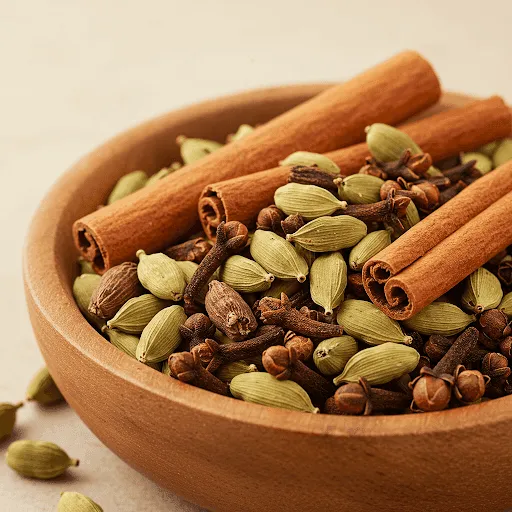
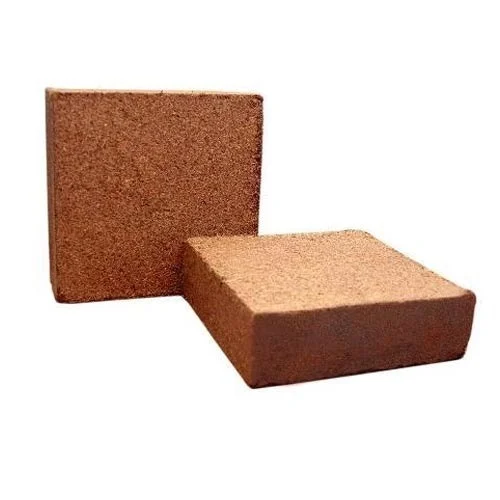
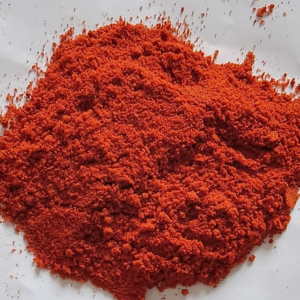
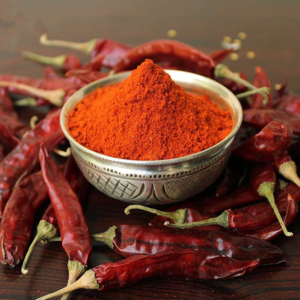
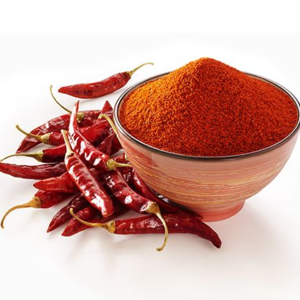
India, Bhopal, Madhya Pradesh hosts Aroyan Organics, which lists eight active products in its catalogue. The catalogue includes Foxnuts (HS 1209.99, lotus seeds puffed), Coco peat / COIR Pith (HS 1401.20, compressed coconut fiber), Bengal Gram - Desi Chana (HS 0713.20.00, dried legume), Chick Peas - Kabuli Chana (HS 0713.10, dried legume seeds), Red Chili Powder (HS 0904.20, dried red chilies), Dry Whole red chilly (HS 0904.21, whole pods), Cinnamon Bark & Powder (HS 0905.20, Ceylon or Cassia cinnamon), and Soy Bean (HS 1201.90, soybean seeds).
The listed items span the HS chapters for oilseeds and nuts (12), vegetable fibers (14), dried vegetables and pulses (07), and spices (09). Quantities mentioned in the supplier profile range from one tonne up to fifty tonnes per order, reflecting bulk‑grade handling typical for food‑grade bulk shipments.
Product Range and Specialties of Aroyan Organics
The product set covers key Indian export categories: legumes such as Bengal Gram and Chick Peas, oilseed soybean, spice ingredients like Red Chili Powder, Cinnamon Bark, and Cumin‑type powders, as well as horticultural fibre material (coco peat) and snack‑type Foxnuts. In the global market, Bengal Gram is usually graded by size (e.g., 6 mm ± 0.5 mm) and moisture below 12 %, while chick peas are commonly classified as ‘large’ (≥ 12 mm) with moisture ≤ 13 %. Soybeans for food use are typically 45 % - 48 % protein and 0.5 % - 1 % moisture. Spices such as red chili powder are graded by colour index (SCAR 2‑3) and moisture ≤ 12 %, and cinnamon bark is assessed for oil content (≤ 3 %) and ash ≤ 6 %. Foxnuts are sold in bulk with a target moisture of 5 %‑8 % and a bulk density of 0.3‑0.35 t/m³. Packaging for bulk shipments often uses 25 kg polypropylene bags for legumes and spices, 20 ft or 40 ft containers for volumes up to 22 t, and bulk sacks for coco peat.
Trade and Export Information - Aroyan Organics
India is a major exporter of legumes, oilseeds, and spices, with the Middle East, European Union, and United States representing the largest import markets for these categories. HS chapter 07 (dried vegetables) and chapter 09 (spices) typically require phytosanitary certificates, a Certificate of Origin, and analytical test reports for pesticide residues and aflatoxin levels. Buyers often request ISO 22000 or FSSC 22000 compliance, and for organic‑labelled goods, India Organic certification or equivalent third‑party organic certificates are standard. Shipping is usually arranged on a FOB or CIF basis; a 20 ft container can accommodate roughly 20 t of bulk legumes or spices, while coco peat is commonly shipped in compressed bales or bulk bags, requiring moisture‑proof packaging. Export documentation from India also includes a Commercial Invoice, Packing List, and, where required, an Export Inspection Certificate under the Directorate General of Foreign Trade (DGFT).
Sourcing from Aroyan Organics - Buyer Guidance
When sourcing from Aroyan Organics, request a product sample that includes moisture, ash, and pesticide residue analysis in accordance with EU or US standards. Verify that the supplied HS codes match the intended product and request the supplier’s test reports for aflatoxin (especially for soybeans) and microbial counts (for spices). Confirm any organic claims with the relevant certification copy and ensure that packaging complies with your market’s phytosanitary and fumigation requirements before confirming the order. Typical minimum order quantities are one tonne, and lead times reported by similar Indian exporters range from 30 to 45 days after order confirmation.
Frequently Asked Questions About Aroyan Organics
What product categories does Aroyan Organics list in its catalogue?
The catalogue includes Foxnuts, coco peat (coir pith), Bengal Gram (Desi Chana), Chick Peas (Kabuli Chana), Red Chili Powder, Dry Whole red chilly, Cinnamon Bark & Powder, and Soy Bean, each identified with a specific HS code.
Which HS codes are associated with the listed products?
Foxnuts - 1209.99; Coco peat - 1401.20; Bengal Gram - 0713.20.00; Chick Peas - 0713.10; Red Chili Powder - 0904.20; Dry Whole red chilly - 0904.21; Cinnamon Bark & Powder - 0905.20; Soy Bean - 1201.90.
What typical quality specifications should a buyer verify for the spices?
Spice powders are generally checked for moisture ≤ 12 %, colour index (SCAR) appropriate to the spice, ash content ≤ 6 % for cinnamon, and pesticide residues below EU maximum residue limits.
Are any certifications required for importing these goods?
Buyers usually request a phytosanitary certificate, a Certificate of Origin, and, where applicable, ISO 22000/FSSC 22000 compliance. Organic claims should be backed by an India Organic or equivalent third‑party certificate.
What is the typical minimum order quantity and packaging?
The supplier mentions quantities from one tonne up to fifty tonnes. Legumes and spices are commonly packed in 25 kg polypropylene bags, while coco peat is shipped in compressed bales or bulk sacks.
What lead time can a buyer expect for a new order?
Based on standard Indian export timelines for similar food commodities, lead time is usually 30‑45 days after order confirmation, depending on product availability and required certifications.
How are the products usually shipped?
Exports are usually arranged on FOB or CIF terms. A 20 ft container can carry approximately 20 tonnes of bulk legumes or spices, while larger 40 ft containers can accommodate up to 40 tonnes.
What documentation should a buyer request before shipment?
Buyers should obtain a Commercial Invoice, Packing List, Phytosanitary Certificate, Certificate of Origin, and any relevant test reports (e.g., pesticide residue, aflatoxin) to satisfy import regulations.





 Bhopal, India





.jpg.png)