Redemption Energy Corporation — Verified Supplier
About Redemption Energy Corporation - Petroleum Fuels Supplier in United States
Redemption Energy Corporation is based in the United States and currently lists six active products in its catalogue. The supplier’s portfolio covers a range of petroleum‑derived fuels and related chemicals, grouped under HS code 2710.19 for refined petroleum products and HS codes 2711.11 and 2711.19 for liquefied gases. The catalogue includes jet fuel, three diesel specifications, liquefied natural gas, liquefied petroleum gas and urea fertilizer. These items are presented under broad categories such as petrol, kerosene oil, diesel generators and aircraft fuel.
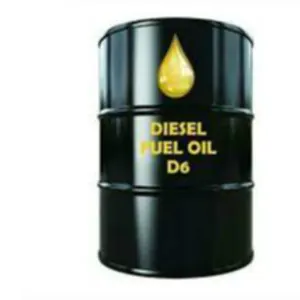
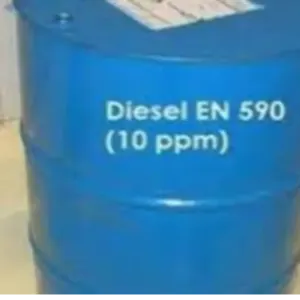
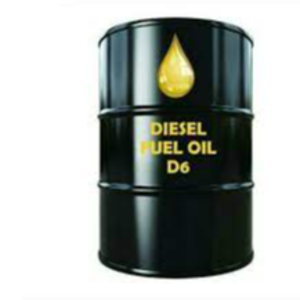
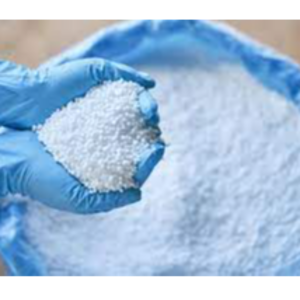
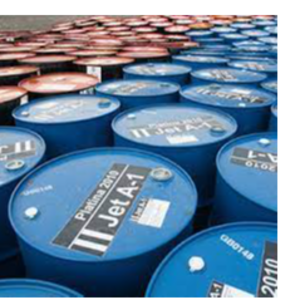
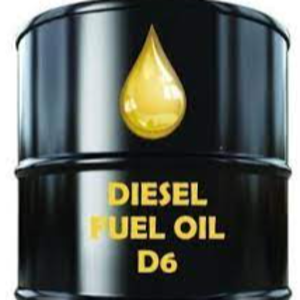
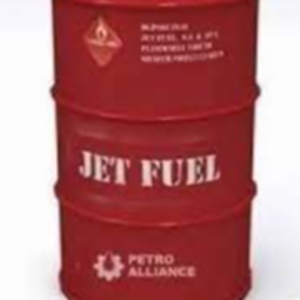
The jet fuel entry refers to petroleum‑derived kerosene‑type aviation turbine fuel meeting the Jet A‑1 / Jet A specifications. Diesel offerings include EN590 compliant diesel with a maximum sulfur content of 10 ppm and a D6 ultra‑low‑sulfur middle‑distillate fuel, both classified under the same HS heading. The urea product is described as (NH2)2CO with a nitrogen content of 46 %. LNG is identified as liquefied natural gas containing more than 85 % methane, while LPG is a propane‑butane mixture. All products are listed with their respective HS codes, allowing buyers to align customs documentation accurately.
Product Range and Specialties of Redemption Energy Corporation
Redemption Energy’s catalogue lists Jet A‑1 aviation fuel, which in the industry conforms to ASTM D1655 specifications, typically requiring a flash point of at least 38 °C, a freezing point not lower than - 47 °C and a sulfur content below 30 mg/kg. The EN590 diesel conforms to European standard EN 590 with a maximum sulfur limit of 10 ppm, a cetane number of 51 or higher, and a density range of 0.820‑0.845 kg/L. D6 diesel is a middle‑distillate fuel often used in marine applications and is expected to meet ISO 8217 specifications for sulfur (≤10 ppm) and viscosity. Urea fertilizer is commonly supplied as a granular or prilled product meeting ISO quality management requirements and containing 46 % nitrogen, 0 % phosphorus and 0 % potassium. LNG exports usually require a methane purity of ≥85 % and a moisture content below 0.5 %, while LPG is typically a 60/40 propane‑butane blend meeting ASTM D3236. These industry benchmarks help buyers compare the supplier’s offerings with standard specifications.
Trade and Export Information - Redemption Energy Corporation
United States exporters of refined petroleum products such as jet fuel, diesel and LPG commonly ship to Europe, East Asia, the Middle East and Latin America, where demand for low‑sulfur fuels and aviation turbine fuel is high. The HS code 2710.19 covers a broad range of refined oils, requiring compliance with the U.S. Department of Energy’s Energy Policy Act and often the International Maritime Organization’s MARPOL standards for fuel sulfur content. LNG (HS 2711.11) and LPG (HS 2711.19) are regulated under the U.S. Energy Information Administration reporting rules and may need certification to ISO 9001 or ISO 14001 for quality and environmental management. Importing countries typically request a Certificate of Origin, a Quality Certificate and a Safety Data Sheet aligned with ASTM or EN standards.
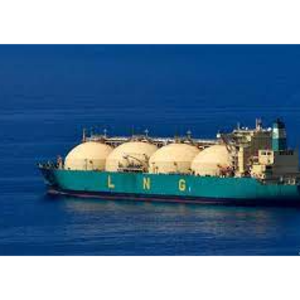
Bulk shipments of jet fuel and diesel are usually loaded in ISO‑tank containers or dedicated tanker vessels, while LNG is transported in insulated cryogenic carriers and LPG in pressure vessels or ISO‑tanker containers. Common Incoterms for these commodities include CIF (Cost, Insurance, Freight) to the port of discharge and FOB (Free on Board) for buyers who arrange main carriage. Buyers should verify that the supplier can provide the required testing reports, such as ASTM D4052 for diesel density or EN 590 test results, and confirm that packaging meets the International Convention for the Safety of Life at Sea (SOLAS) requirements.
Sourcing from Redemption Energy Corporation - Buyer Guidance
When sourcing jet fuel or diesel from Redemption Energy, buyers should request the latest ASTM D1655 or EN 590 test certificates, confirming flash point, sulfur content, cetane number and density. For LNG and LPG, a Gas Quality Certificate showing methane purity, heating value, water content and propane‑butane ratio is standard, together with a Safety Data Sheet that complies with GHS labeling. The urea fertilizer should be accompanied by an analysis report indicating nitrogen content, moisture level and particle size distribution.
Buyers are advised to verify the supplier’s export licences and any applicable U.S. Department of Commerce export controls before placing orders. Sampling procedures typically involve a 5‑litre jet fuel sample or a 10‑kg bulk diesel sample, with analysis performed by an accredited laboratory. Confirmation of the HS code, packaging dimensions (e.g., 20‑ft or 40‑ft ISO tank for liquids, 40‑ft refrigerated container for LNG) and the chosen Incoterm should be documented in the purchase contract to avoid customs discrepancies.
Frequently Asked Questions About Redemption Energy Corporation
What HS codes apply to the fuels listed in the catalogue?
Jet Fuel, EN590 diesel and D6 diesel are classified under HS 2710.19; LNG uses HS 2711.11; LPG uses HS 2711.19; and Urea fertilizer falls under HS 3102.10. These codes are required for customs declarations and trade statistics.
Which specifications should I request for jet fuel?
Request an ASTM D1655 certificate that records a flash point of at least 38 °C, a freezing point no lower than - 47 °C, sulfur content below 30 mg/kg and the fuel’s density and calorific value. The certificate should be dated within the last three months to reflect current production.
What documentation is typically needed for diesel purchases?
Buyers usually ask for an EN 590 test report showing sulfur ≤10 ppm, cetane number ≥51, and density within the 0.820‑0.845 kg/L range, together with a Certificate of Origin, a Quality Certificate and a Safety Data Sheet that meets GHS requirements.
How is LNG normally packaged for export?
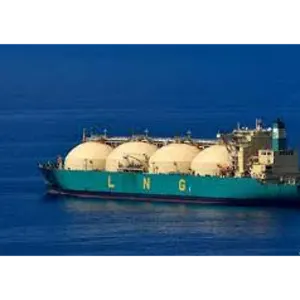
LNG is exported in insulated cryogenic carriers or 40‑ft refrigerated ISO containers, with a Gas Quality Certificate stating methane purity of ≥85 % and moisture content of ≤0.5 %. The packaging must comply with IMO and IEC standards for cryogenic transport.
What blend ratios are common for the LPG offered?
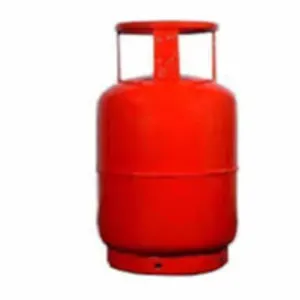
The LPG supplied is a propane‑butane mixture, most often a 60 % propane / 40 % butane blend. Buyers should obtain an ASTM D3236 test report that confirms the exact propane‑butane ratio and the heating value.
Which certifications should be verified before ordering urea fertilizer?
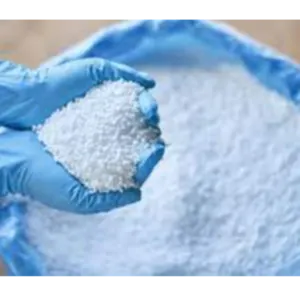
A fertilizer analysis report confirming 46 % nitrogen content is essential, and buyers should request evidence of ISO 9001 quality‑management certification if the supplier holds it. Additional documents may include a Safety Data Sheet and a Certificate of Origin.
What Incoterms are commonly used for these commodities?
For liquid fuels, CIF to the destination port is frequently used, while FOB is common when the buyer arranges the main carriage. LNG and LPG shipments may also be quoted under FCA (Free Carrier) to a designated terminal, allowing the buyer to select the carrier.




 , United States