Agriculture›
 Apparel and fashion accessories›
 Construction & real estate›💡Electronic & Electrical›🍎Food & Beverages›🛋️Home furnishing & supplies›⚗️Industrial goods & chemical›🪨Minerals & metals›📦Miscellaneous›Agriculture›Apparel and fashion accessories›Construction & real estate›💡Electronic & Electrical›🍎Food & Beverages›🛋️Home furnishing & supplies›⚗️Industrial goods & chemical›🪨Minerals & metals›📦Miscellaneous›
Gremlog Trading Dmcc
⚓ Harbor , United Arab EmiratesNew supplier / no reviews yet
Gremlog Trading Dmcc Product Catalog
About Gremlog Trading Dmcc - Industrial Chemicals Supplier in United Arab Emirates
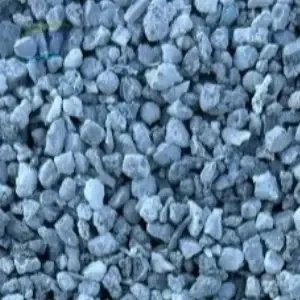
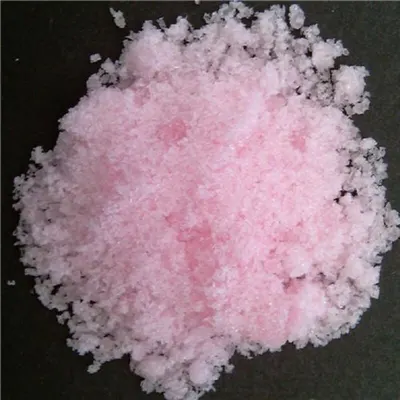
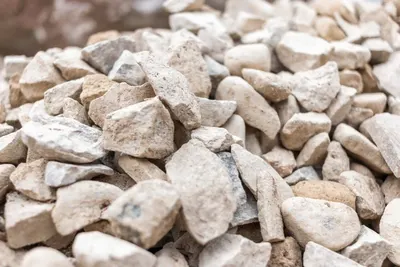
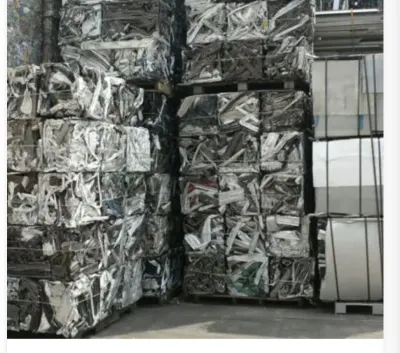
Gremlog Trading Dmcc is based in the United Arab Emirates and lists 82 active products across several material streams. The catalogue groups items under Industrial Chemicals, Recycled Plastic, Other Ores & Minerals, Steel Scrap, Silica Sand, Plastic Raw Materials, Plastic Scrap and Aluminium Scrap, reflecting a focus on secondary raw materials for construction, metallurgical, cement and chemical sectors. The supplier’s profile notes that it acts as the procurement hub for the VIQA Investment Group, handling both local and international demand. Its product list includes carbon anodes, various grades of cryolite, aluminium and steel scrap, recycled silica sand, and a selection of polymer grades such as PET bottles, PP and HDPE.
The listed items span a range of physical forms: carbon anodes and carbon dust are supplied as bulk powders, cryolite appears in size fractions from 0‑5 mm up to 40 mm, and metal scrap is described by type (aluminium, cast iron, fine iron, rebars). Plastic offerings cover both commodity granules and post‑consumer forms like PET bottles. The catalogue’s breadth demonstrates the supplier’s role in supplying secondary feedstock for aluminium smelting, cement kilns, steelmaking and plastic recycling operations.
Product Range and Specialties of Gremlog Trading Dmcc
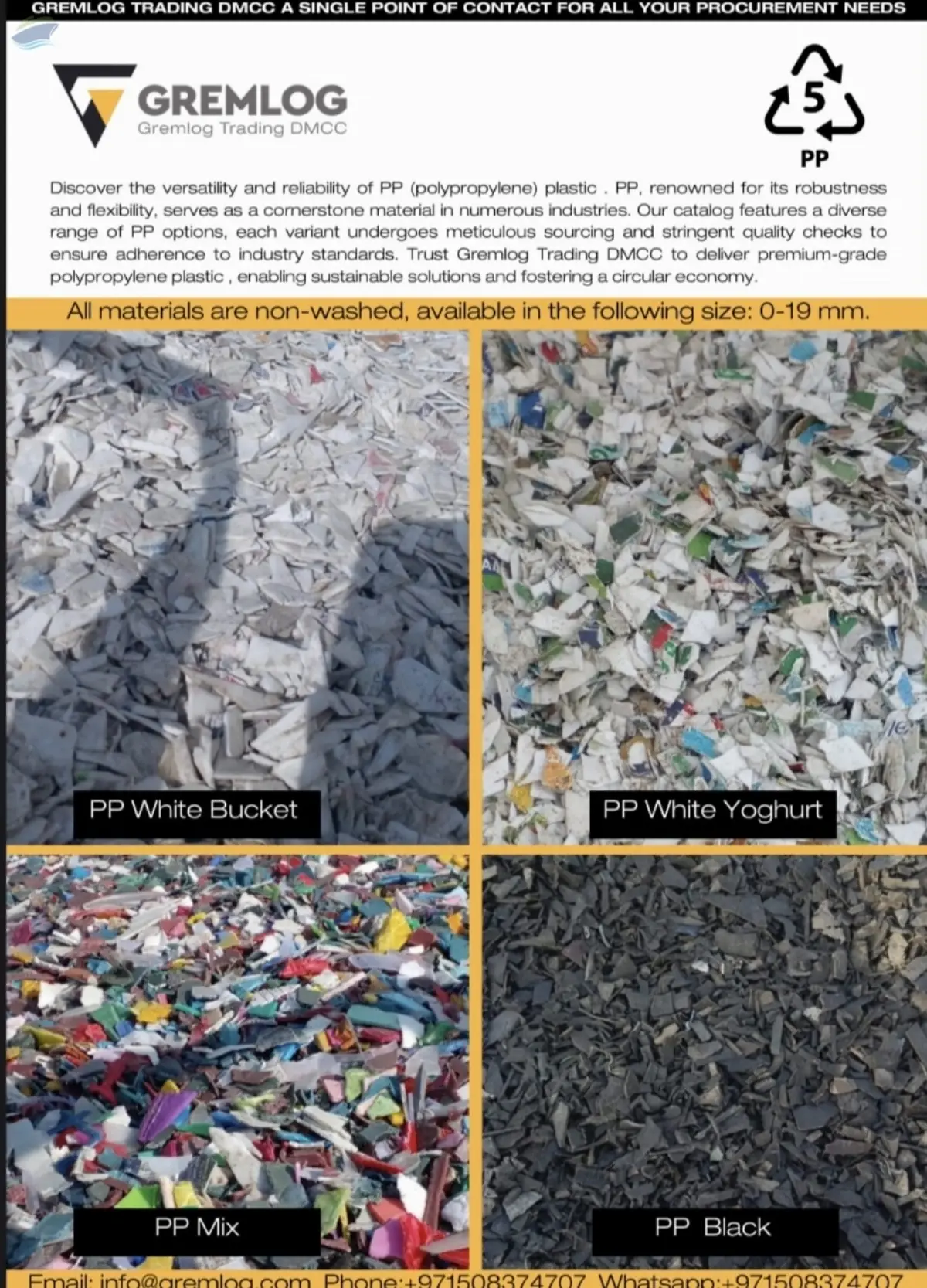
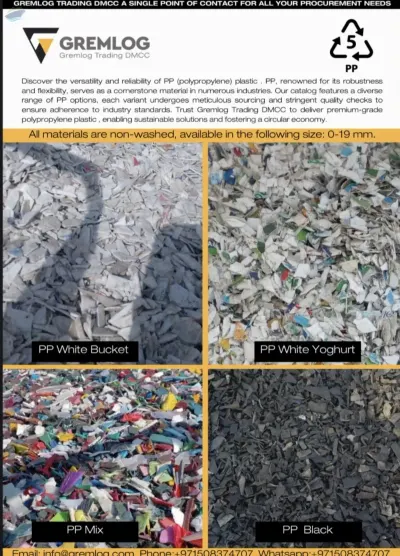
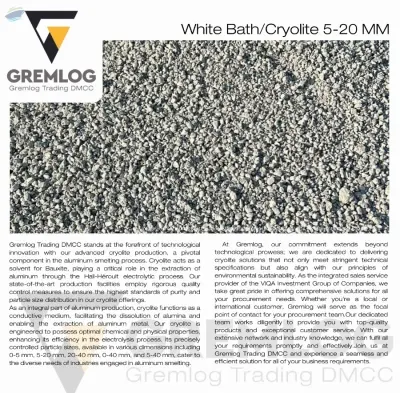
The product portfolio comprises carbon‑based materials (carbon anodes, carbon dust, low‑grade coal powders), cryolite in several particle‑size bands (0‑5 mm, 5‑20 mm, 20‑40 mm) and synthetic variants at 60 % purity, aluminium scrap, cast iron and fine iron scrap, steel scrap including rebars, recycled silica sand, and polymer plastics (PET bottles, polypropylene and high‑density polyethylene). In the broader industry, carbon anodes for aluminium smelting are typically specified by electrical resistivity (≤ 0.025 Ω·cm) and purity (> 99 %). Cryolite used as bath material is commonly required at 60‑70 % Na₃AlF₆ purity with controlled particle size for fluidity. Aluminium scrap grades range from 1A (clean, low‑alloy) to 3B (mixed alloys) and are evaluated by alloy composition and contamination levels. Steel scrap is classified by size and steel type, with standard specifications such as 7208.1 for shredded steel. Recycled silica sand for foundry or glass applications is often graded by grain size distribution (e.g., 0‑1 mm) and silica content (> 99 %). Polymer recyclates are typically assessed by melt flow index (MFI) and residual moisture (< 0.05 %).
Frequently Asked Questions About Gremlog Trading Dmcc
What size ranges are available for cryolite from Gremlog?
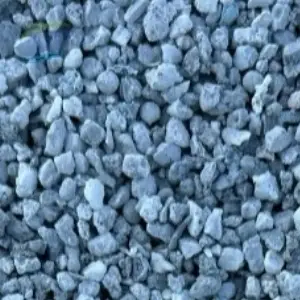
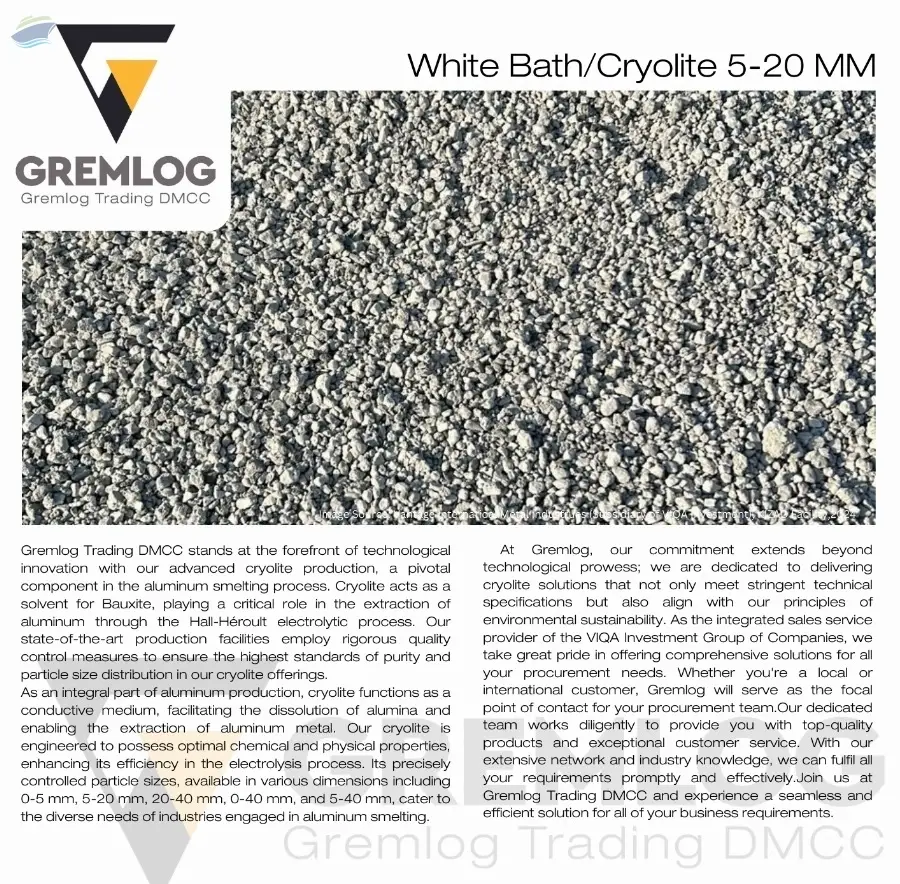
The catalogue lists cryolite in four size fractions: 0‑5 mm, 5‑20 mm, 20‑40 mm and a combined 0‑40 mm range. Each size is offered as secondary or synthetic cryolite with 60 % Na₃AlF₆ purity.
Does Gremlog provide purity certificates for carbon anodes?
Yes, buyers can request a certificate of analysis that includes electrical resistivity, carbon content and any trace‑metal limits for the carbon anodes.
Which metal scrap grades are included in the product list?
The supplier lists aluminium scrap, cast iron scrap, fine iron scrap, steel scrap and rebars scrap. Each category is described by material type rather than a specific alloy grade.
What documentation is typical for recycled silica sand shipments?
Importers usually ask for a test report showing silica content (generally > 99 %), grain‑size distribution and moisture level, together with an MSDS.
Are there standard certifications that buyers should verify for the plastic products?
Buyers should look for ISO 9001 quality management, REACH registration for the polymer type and a melt‑flow index test report for PP and HDPE grades.
United Arab EmiratesRelated Suppliers & Products
Explore similar suppliers, related products and trending categories