Petro Alliance LLC — Verified Supplier
About Petro Alliance LLC - Petroleum By Products Supplier in Ukraine
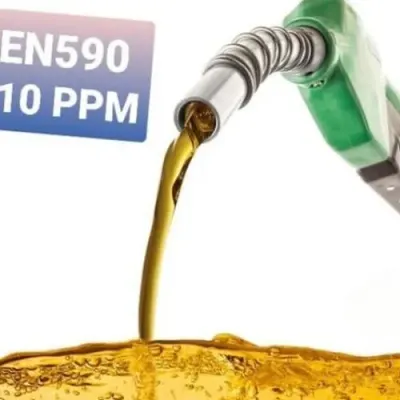
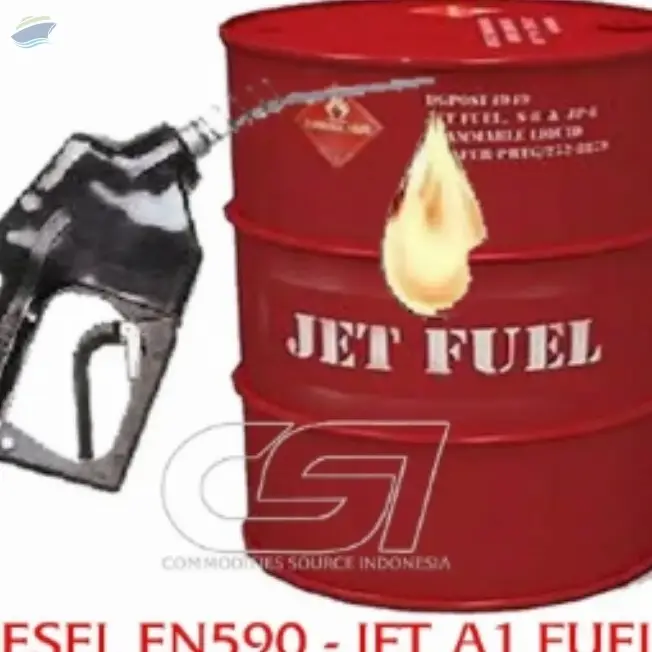
Petro Alliance LLC is based in Ukraine and lists 30 active products in its catalogue. The portfolio includes petroleum by‑products such as D2 diesel, ultra‑low sulfur EN590 diesel, Jet A‑1/JP‑54 aviation fuel, D6 diesel, liquid natural gas (LNG), liquefied petroleum gas (LPG), petroleum coke, and vacuum gas oil. In addition, the catalogue contains refined sunflower seed oil, refined soybean oil, bitumen 60/70, and refined cane sugar (ICUMSA‑45). The listed items fall under HS‑code families 2701 (crude oil), 2702 (oil residues and bitumen), 2710 (petroleum oils and LPG), 2711 (refined petroleum products), and 1701 (sugar).
Product Range and Specialties of Petro Alliance LLC
The supplier’s catalogue groups products into three main petroleum segments: diesel fuels (D2, EN590, D6), aviation and marine fuels (Jet A‑1/JP‑54, marine gas oil), and downstream derivatives such as LPG, petroleum coke and vacuum gas oil. Typical industry grades for these segments include EN 590 diesel with sulfur ≤10 ppm, Jet A‑1 meeting ASTM D1655 specifications, and LPG classified by propane/butane ratio and a boiling‑point range of - 42 °C to 0 °C. Non‑petroleum items follow common standards: refined sunflower and soybean oils are usually packaged as food‑grade oils with free‑fat content ≥99 %, bitumen 60/70 conforms to penetration 60‑70 dmm, and cane sugar is graded ICUMSA‑45 for purity and color.
Trade and Export Information - Petro Alliance LLC
Ukrainian exporters of petroleum products commonly ship to EU member states, North‑African markets, and Asian refineries, using 20‑ft or 40‑ft containers for LPG and bulk tankers for diesel, jet fuel and crude oil. Buyers typically require certifications such as ISO 9001 quality management, API Q1 for petroleum processing, and product‑specific certificates like EN 590 compliance, ASTM D1655 for jet fuel, and SGS analysis reports for sugar purity. HS code 2701 (crude oil) and 2711 (refined petroleum) are subject to customs examinations and may need a Certificate of Origin and a Quality Inspection Certificate. Standard Incoterms used are CIF or FOB, with goods packed in ISO‑standard drums for lubricants, food‑grade bulk bags for oils, and bulk tankers for liquid fuels.
Sourcing from Petro Alliance LLC - Buyer Guidance
When sourcing from Petro Alliance LLC, buyers should request the latest test reports that confirm compliance with EN 590 (sulfur, density, cetane number) for diesel, ASTM D1655 for Jet A‑1, and ISO 8217 for marine fuel where applicable. For LPG, a specification sheet showing propane‑butane ratio, calorific value and vapor pressure is essential, together with a COA from an accredited laboratory. Verification of a valid Certificate of Origin, a recent SGS inspection report, and any applicable ISO or API certifications will help assess product quality before contract finalisation.
Frequently Asked Questions About Petro Alliance LLC
What are the standard specifications for EN590 ultra‑low sulfur diesel offered by Petro Alliance LLC?
EN590 diesel must contain sulfur ≤10 ppm, have a density of 820‑845 kg/m³ at 15 °C, a cetane number of at least 51, and a flash point ≥52 °C. Buyers should request an EN590 compliance certificate and a recent laboratory analysis report.
Which certification should a buyer request for the Jet A‑1/JP‑54 aviation fuel?
Aviation fuel should meet ASTM D1655 or ISO 8217 specifications. The buyer should ask for the fuel’s ASTM D1655 test report, including parameters such as freezing point, flash point, and aromatic content.
What HS‑code is normally used for the LPG product listed by Petro Alliance LLC?
LPG is classified under HS code 2710. Importers typically need a Certificate of Origin and a quality inspection certificate that references this HS code.
How is bitumen 60/70 graded and what test results are common?
Bitumen 60/70 is graded by penetration value, measured in dmm, with a typical range of 60‑70 dmm at 100 °C. Buyers should obtain a penetration test report and a softening point test (Ring‑and‑Ball) as part of the quality documentation.
What documentation is recommended for the refined cane sugar (ICUMSA‑45) product?
The supplier should provide an ICUMSA‑45 analysis certificate showing purity ≥99.5 %, moisture ≤0.2 %, and ash content ≤0.03 %. A recent SGS inspection report and a Certificate of Origin are also advisable.
What packaging formats are typical for the petroleum coke and vacuum gas oil?
Petroleum coke is usually shipped in bulk bags or open‑top containers, while vacuum gas oil is commonly packed in 200 L steel drums or ISO tanks for bulk transport. Buyers should confirm the packaging dimensions and any moisture‑proofing requirements.
Which incoterms are most frequently used for bulk diesel shipments from Ukraine?
For bulk diesel shipments, FOB (Free on Board) at the Ukrainian port of export and CIF (Cost, Insurance, Freight) to the buyer’s destination port are the most common Incoterms. The choice influences who arranges marine insurance and freight.
What quality tests are standard for the refined sunflower and soybean oils?
Food‑grade refined oils are tested for free‑fat content (≥99 %), peroxide value (≤10 meq O₂/kg), and iodine value (sunflower ≈120‑130, soybean ≈120‑140). Buyers should request a COA that includes these parameters and confirms compliance with EU food‑safety standards.




 , Ukraine