SHREE LAXMI SAW MILL — Verified Manufacturer & Wholesale Supplier
About SHREE LAXMI SAW MILL - Wood Products Supplier in India
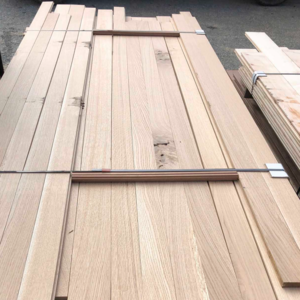
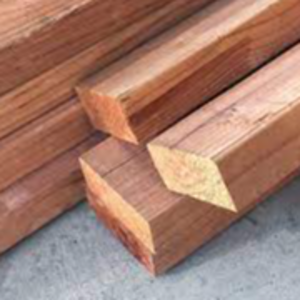
India, specifically the city of Anand in Gujarat, is the base of SHREE LAXMI SAW MILL, which currently lists 12 distinct wood products in its catalogue. The catalogue covers a range of HS code families including 4403 for hardwood, 4407 for sawn timber, 4412 for plywood, and 4415 for wooden pallets. Products such as Neem wood (HS 4407.29) and Babul wood thin (HS 4407.19) are classified under tropical hardwood categories, while the plywood sheet is recorded under HS 4412.31. The supplier also offers a rice product (Pancharau thin) under HS 1006.30, reflecting a diversified product list beyond timber. All items are described with their botanical material source, indicating a focus on species‑specific timber.
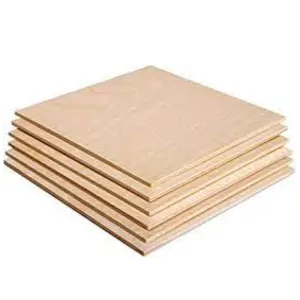
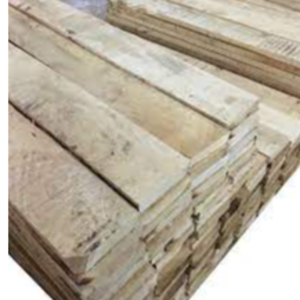
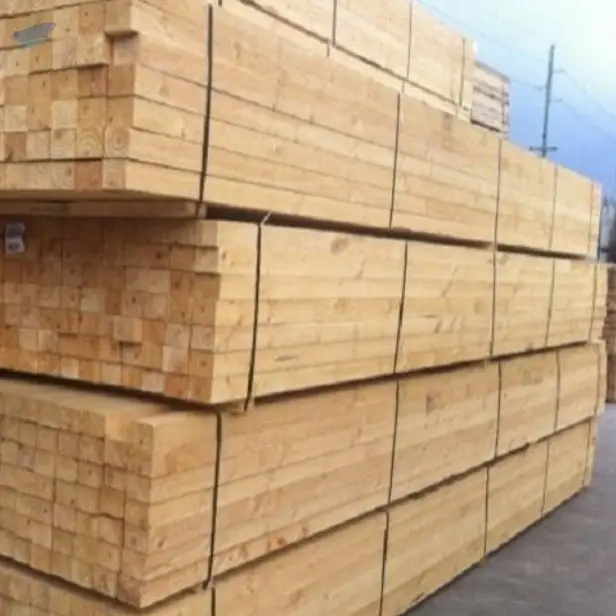
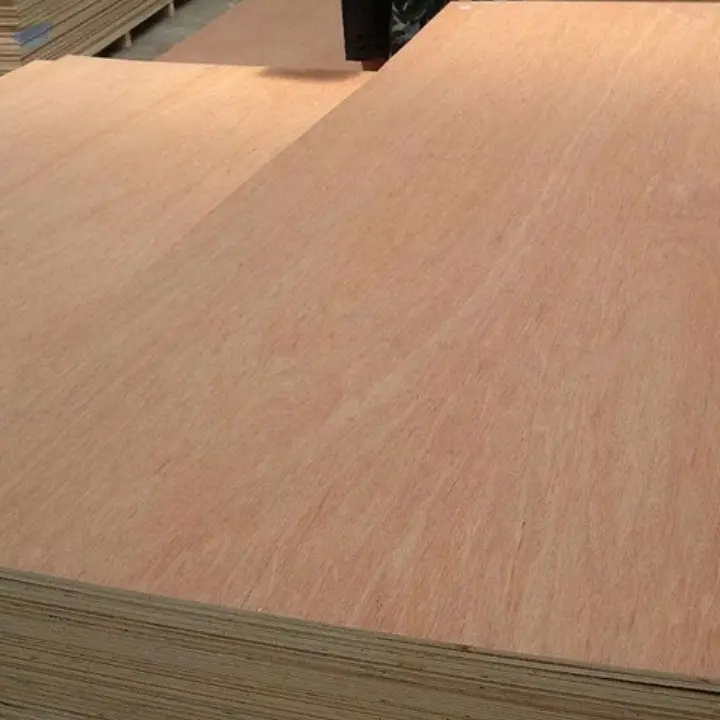
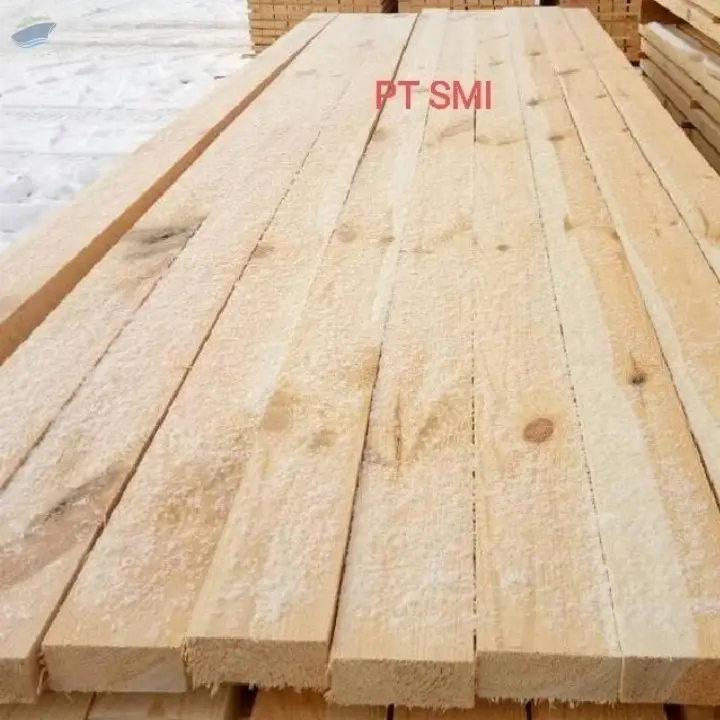
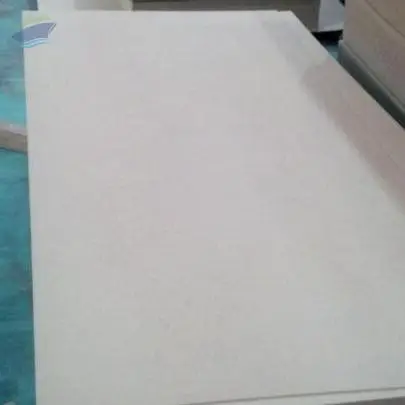
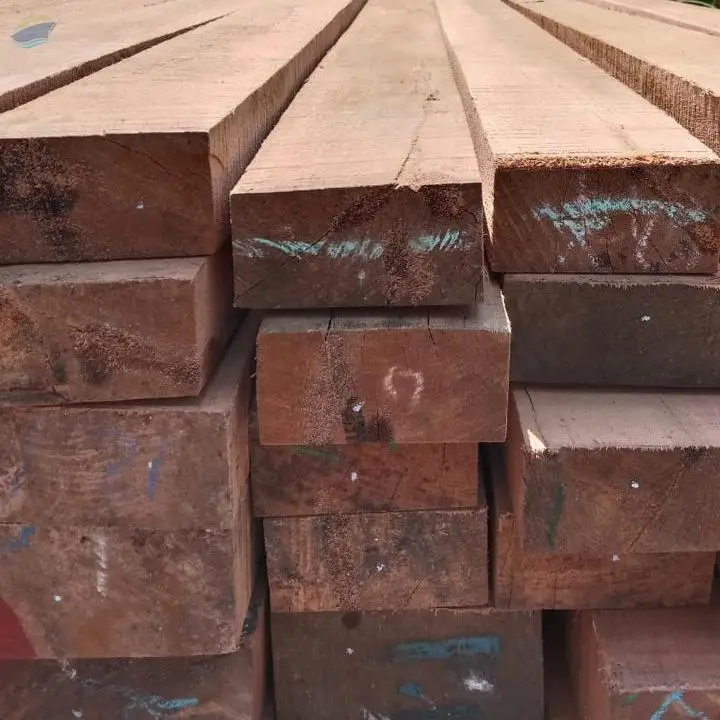
The listed wood items include Neem, Babul, Jamun, Brown Indian Non‑Teak (LAFA), Sheesham, Eucalyptus Nilgiri pole, Mango sheet, and various pallet and plywood formats. Each entry specifies the HS code and the botanical material, for example Sheesham Wood Fanta is recorded under HS 4407.99 as Dalbergia sissoo. The wooden pallets fall under HS 4415.00 and are typically manufactured from pine or hardwood for structural strength. The range also contains a thin rice product (HS 1006.30) and a plywood sheet with a hardwood veneer core and phenolic resin adhesive (HS 4412.31). This product mix reflects typical Indian timber export categories that serve construction, furniture, and packaging markets.
Product Range and Specialties of SHREE LAXMI SAW MILL
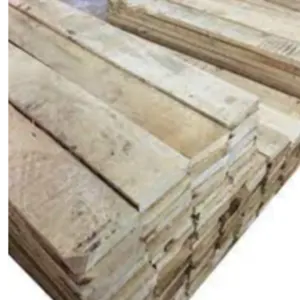
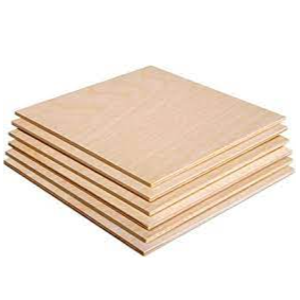
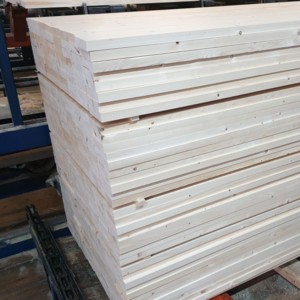
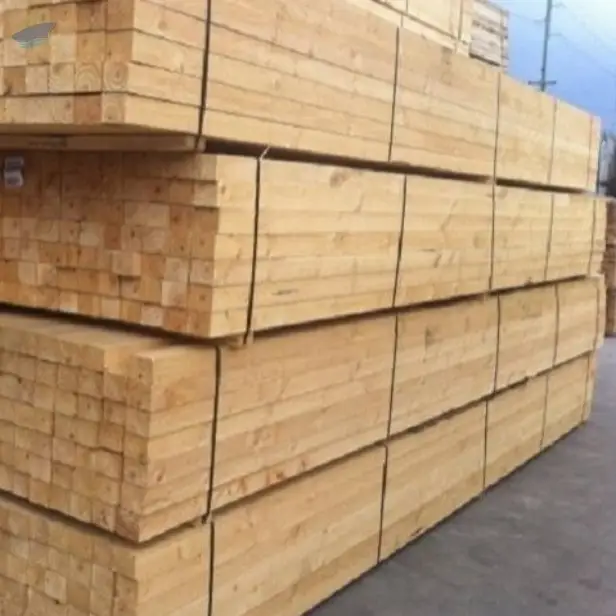
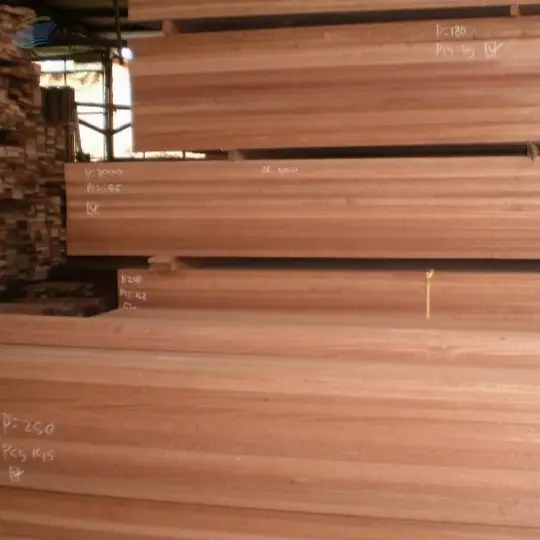
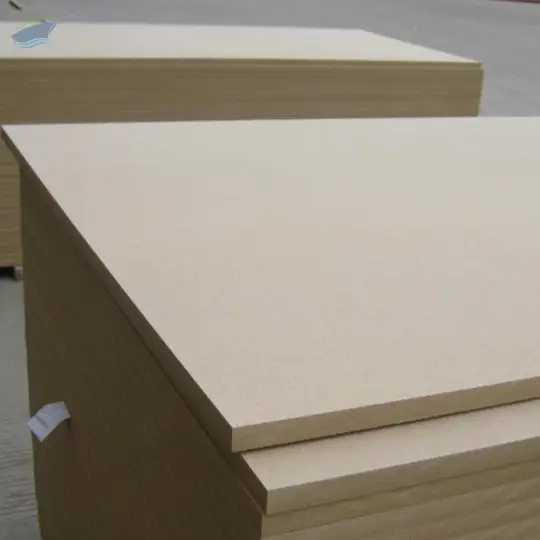
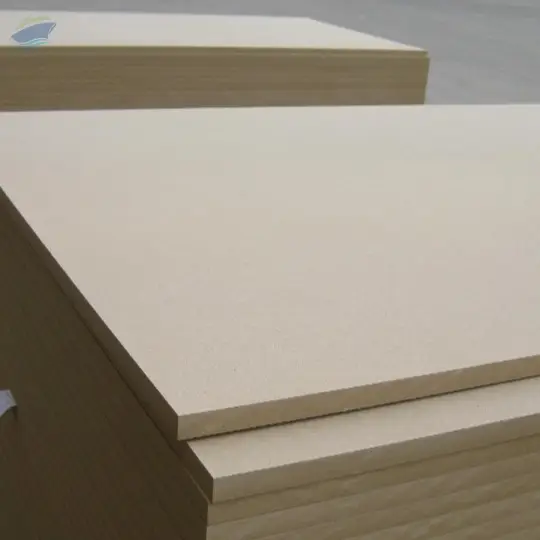
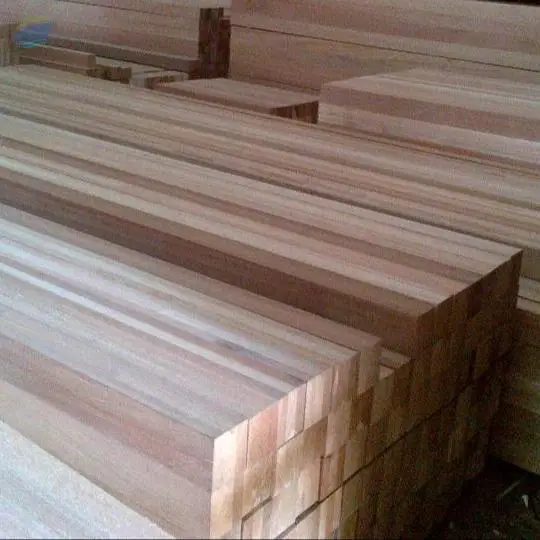
The supplier’s catalogue comprises sawn timber such as Neem (HS 4407.29) and its thin variant (HS 4407.21), both commonly graded by moisture content below 12 % and density around 0.6 - 0.8 g/cm³ for structural use. Babul (Acacia) thin wood (HS 4407.19) and Sheesham (Dalbergia sissoo) under HS 4407.99 are tropical hardwoods that buyers typically evaluate for Janka hardness values between 1,500 and 2,200 N. Jamun hardwood (HS 4403.99 and 4407.29) is valued for its natural resistance to decay, often supplied in dimensions of 2 m × 0.15 m × 0.05 m. The plywood sheet (HS 4412.31) conforms to standard grades such as MR (Moisture Resistance) or BWR (Boiling Water Resistance) with thicknesses from 6 mm to 25 mm. Wooden pallets (HS 4415.00) are generally built to ISPM 15 heat‑treated standards, supporting loads up to 1,000 kg. The non‑wood entry, Pancharau thin rice (HS 1006.30), is a polished long‑grain Basmati grade typically meeting Indian export standard of ≤12 % moisture.
Trade and Export Information - SHREE LAXMI SAW MILL
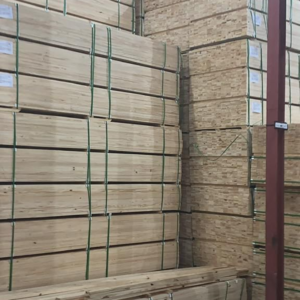
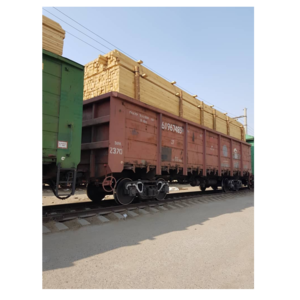
Indian hardwood exporters primarily ship to the United Arab Emirates, Saudi Arabia, the United Kingdom, and the United States, where construction, furniture, and flooring sectors demand tropical timber. HS chapters 44 (wood) and 1006 (rice) are routinely inspected under the World Customs Organization framework, and shipments often require phytosanitary certificates and, for pallets, ISPM 15 compliance. Buyers usually request ISO 9001 quality‑management certification, FSC or PEFC sustainability certificates, and lab reports confirming moisture content, dimensional stability, and strength class. Standard export packaging includes bulk bundles on shrink‑wrap for sawn timber, 20‑ft or 40‑ft containers for plywood and pallets, and moisture‑proof liners for rice. Indian exporters benefit from the country’s established timber processing zones in Gujarat, which provide streamlined customs clearance for HS 44 goods.
Sourcing from SHREE LAXMI SAW MILL - Buyer Guidance
Prospective buyers should request sample boards or pallet units to verify moisture content (≤12 %) and check for any fungal contamination. Verify that the supplier can provide a phytosanitary certificate, an ISPM 15 heat‑treatment statement for pallets, and, where applicable, FSC or PEFC chain‑of‑custody documentation. For hardwoods such as Neem or Sheesham, request a Janka hardness test report and density measurement to confirm suitability for load‑bearing applications. Confirm container loading plans, typical 20‑ft container capacity of approximately 1.2 tonnes for sawn timber and 1.5 tonnes for plywood, and ensure that the supplier can arrange CIF terms to target markets. Clarifying lead times, which commonly range from 30 to 45 days after order confirmation, helps align production schedules.
Frequently Asked Questions About SHREE LAXMI SAW MILL
What HS codes does SHREE LAXMI SAW MILL use for its wood products?
The supplier lists HS 4407.29 for Neem wood, 4407.21 for Neem thin, 4407.19 for Babul thin, 4403.99 and 4407.29 for Jamun wood, 4403.49 for Brown Indian Non‑Teak (LAFA), 4407.99 for Sheesham, 4403.10 for Eucalyptus Nilgiri pole, 4408.39 for Mango sheet, 4412.31 for plywood sheet and 4415.00 for wooden pallets.
Which certifications should buyers request for these timber exports?
Buyers typically ask for a phytosanitary certificate, ISPM 15 heat‑treatment proof for pallets, and sustainability certificates such as FSC or PEFC, together with ISO 9001 quality‑management documentation.
What are the common quality parameters for the hardwoods offered?
Hardwood grades are usually verified by moisture content below 12 %, density between 0.6‑0.9 g/cm³, and Janka hardness values ranging from about 1,500 N for Babul to over 2,200 N for Sheesham.
How are the plywood sheets packaged for export?
Plywood sheets are stacked, edge‑banded, wrapped in moisture‑resistant film and loaded in 20‑ft or 40‑ft containers, with typical capacity of 1.5 tonnes per 20‑ft box.
What is the typical lead time for an order of sawn timber?
Lead times generally fall between 30 and 45 days from order confirmation, depending on product size and required certifications.
Can the supplier provide samples of the rice product?
Yes, the Pancharau thin rice (HS 1006.30) can be supplied in 25 kg sample bags that meet the Indian export standard of ≤12 % moisture.
What packaging is used for wooden pallets?
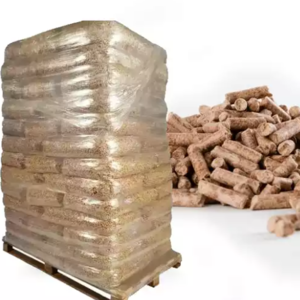
Pallets are assembled to ISPM 15 standards, wrapped in heat‑treated straw or shrink‑wrap, and shipped on pallets ready for immediate use.
Which markets does the supplier target for its timber?
While specific markets are not listed, Indian hardwood exporters commonly serve the Middle East, Europe and North America, where construction and furniture industries are major importers.





 Anand, India