Energy Bridge — Verified Trader & Wholesale Supplier
About Energy Bridge - Vegetable Oils Supplier in Hungary
Energy Bridge is based in Budapest, Hungary and lists six active products in its catalogue. The company’s catalogue covers used cooking oil (UCO), palm oil mill effluent (POME), palm acid oil (PAO), recycled cellulose fiber products, fuel‑grade bioethanol, and used beverage cans (UBC). These items fall under HS chapter 15 for oils and fats (1518.00, 1513.29, 2303.20), chapter 22 for spirits (2207.10), chapter 47 for paper products (4707.90), and chapter 76 for aluminium (7602.00). Each product is described with its material composition, such as a recycled vegetable oil blend for UCO or aluminium alloy 3004/3104 for UBC. The catalogue reflects Energy Bridge’s focus on bio‑fuel feedstocks and recycled material streams.
Product Range and Specialties of Energy Bridge
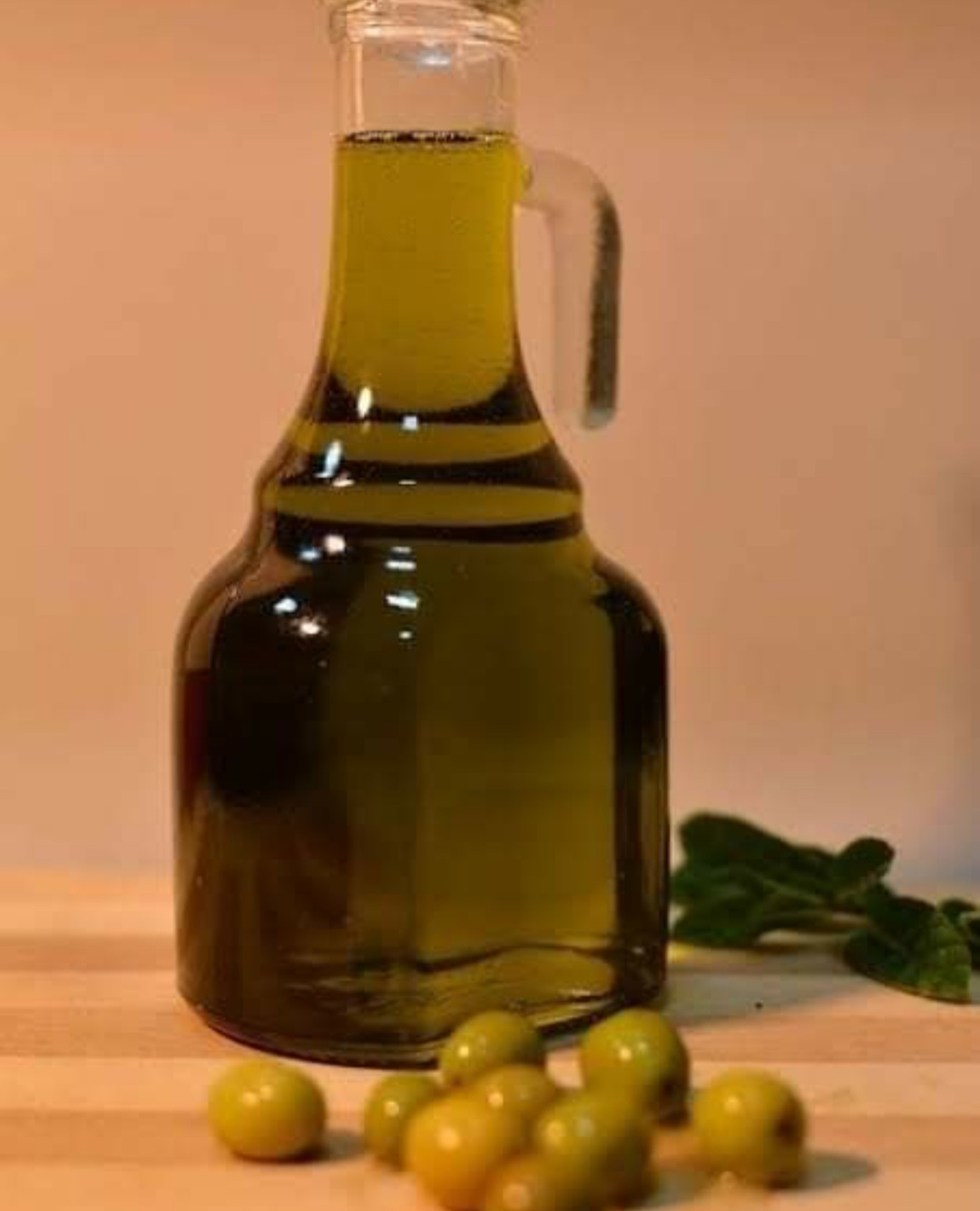
Energy Bridge’s UCO product is a recycled vegetable oil blend typically evaluated for free fatty acid (FFA) content below 2 % and moisture under 0.1 % to meet biodiesel feedstock standards such as ASTM D6751 and EN 14214. In the market, POME is often supplied with a chemical oxygen demand (COD) of 30‑50 g O₂/L and a total suspended solids (TSS) level below 5 g/L, parameters that influence its suitability for anaerobic digestion. PAO generally exhibits an acid value of 5‑15 mg KOH/g and a moisture content below 0.5 %, specifications common for downstream esterification processes. Recycled cellulose fiber products are graded by basis weight, commonly 40‑80 g/m², and are used in packaging or paper pulp blends. Fuel‑grade bioethanol is produced to meet ISO 18287, with denatured variants often requiring a 99.5 % ethanol purity and a water content below 0.5 %. The UBC material is sorted to aluminium alloy 3004/3104, which is compatible with standard recycling streams and is typically shipped in 40‑ft containers with a net weight of up to 20 t.
Trade and Export Information - Energy Bridge
Hungary’s strategic location in the Central European Union and its established logistics infrastructure make it a common origin for bio‑fuel feedstocks and recycled materials destined for the EU, North Africa and the Middle East. UCO, POME and PAO are exported primarily to biodiesel refineries in Germany, Italy, Spain and the Netherlands, where EU renewable energy directives drive demand for sustainable feedstocks. HS chapter 15 oils and fats are subject to EU REACH registration and often require a Certificate of Origin and a laboratory analysis confirming FFA, moisture and iodine value. Bioethanol under HS 2207.10 is regulated by the EU Renewable Energy Directive and typically needs a fuel‑quality certificate complying with EN 15376. Recycled cellulose fiber (HS 4707.90) and aluminium scrap (HS 7602.00) are traded to paper mills in Poland and Turkey and to aluminium smelters in the United Arab Emirates, respectively, with buyers commonly requesting ISO 9001 and ISO 14001 compliance certificates. Standard Incoterms for these bulk and containerized shipments are FOB Budapest or CIF Rotterdam, with transport via road‑train corridors for solid goods and bulk tankers for oil streams.
Typical packaging for UCO, POME and PAO is in 20‑ft or 40‑ft ISO tanks equipped with stainless‑steel liners, allowing 24 t per tank and compliance with UN 1904 hazardous material regulations for flammable liquids. Recycled cellulose fiber is usually palletized in 1 m³ bundles, while aluminium cans are compacted and bound in steel straps for container loading. Buyers frequently request pre‑shipment inspection reports such as SGS or Bureau Veritas, along with material safety data sheets (MSDS) and, where applicable, phytosanitary certificates for organic biomass.
Sourcing from Energy Bridge - Buyer Guidance
When sourcing UCO, POME or PAO from Energy Bridge, buyers should request a recent analysis report covering free fatty acid (FFA), moisture, iodine value and flash point, as these parameters determine suitability for biodiesel conversion. For bioethanol, a certificate of analysis confirming ≥99.5 % ethanol purity, water content and denaturant level should be obtained before contract finalisation. Recycled cellulose fiber buyers need to verify basis weight, fiber length and ash content, typically documented in a mill test report, and confirm that the material complies with the EU Waste Framework Directive. Aluminium UBC shipments should be accompanied by a material composition certificate indicating alloy 3004/3104 and a conformity statement to EN 573‑3.
Samples are generally provided in 5‑litre drums for oil products and 500 g bags for solid materials, allowing laboratory verification against the buyer’s specifications. MOQ thresholds vary by product: oil streams often start at one 20‑ft ISO tank (≈24 t), while recycled paper and aluminium are commonly quoted per 20‑ft container (≈18 t). Lead times reported by Hungarian exporters range from 2 weeks for ready‑stock oil to 4‑6 weeks for processed recycled fiber, depending on production scheduling and customs clearance.
Frequently Asked Questions About Energy Bridge
What HS codes are used for Energy Bridge’s main products?
Energy Bridge classifies Used Cooking Oil under HS code 1518.00, Palm Oil Mill Effluent (POME) under 2303.20, Palm Acid Oil under 1513.29, recycled cellulose fiber products under 4707.90, fuel‑grade bioethanol under 2207.10, and used beverage cans under 7602.00.
What quality parameters should be verified for the Used Cooking Oil?
Buyers should verify that the UCO has a free fatty acid (FFA) content below 2 % and moisture below 0.1 %, as these limits are typical for biodiesel feedstock compliance with ASTM D6751 and EN 14214.
Which certifications are commonly required for the bioethanol product?
Bioethanol intended for fuel use is usually required to meet ISO 18287 and EN 15376 standards, and buyers often request a fuel‑quality certificate and a Certificate of Origin to satisfy EU renewable energy regulations.
How is the recycled cellulose fiber packaged for export?
The recycled cellulose fiber is palletized in 1 m³ bundles, each bundle wrapped to protect moisture, and then loaded into 20‑ft or 40‑ft containers for sea freight.
What incoterms and shipping methods are typical for the oil products?
Energy Bridge commonly ships oil products under FOB Budapest or CIF Rotterdam, using ISO tank containers (20‑ft or 40‑ft) that can hold approximately 24 t of oil per tank.
What sample size can a buyer request for the aluminium used beverage cans?
A standard sample for UBC is offered as a 500 kg lot, which can be inspected for alloy composition and physical condition before a full container order is placed.
What documentation should be requested before ordering Palm Acid Oil (PAO)?
Buyers should request a recent laboratory analysis report (acid value, moisture, iodine value), a Material Safety Data Sheet (MSDS), a Certificate of Origin, and confirmation of REACH compliance for the PAO shipment.





 , Hungary