ImpexMate International Traders LLP — Verified Trader & Wholesale Supplier
About ImpexMate International Traders LLP - Millet Supplier in India
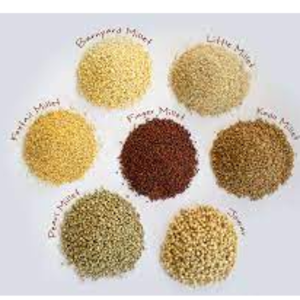
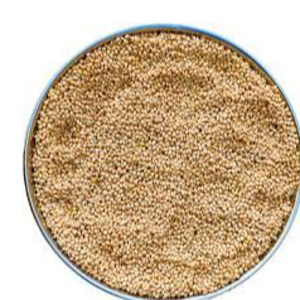
ImpexMate International Traders LLP operates from Kanpur Nagar in Uttar Pradesh, India, and currently lists ten distinct agro‑product lines in its catalogue. The company’s catalogue includes finger millets (HS 1008.20), pearl millets (HS 1008.29), sorghum millets (HS 1007.00), kodo millets (HS 1008.20), raw groundnut kernels (HS 1202.42), popped lotus seeds (HS 1208.90), broken rice grains (HS 1006.40), non‑durum wheat (HS 1001.99), biomass wood ash (HS 2622.19) and organic farmyard manure (HS 3101.00). Each entry specifies the material type, for example whole grain finger millets (Eleusine coracana) and raw groundnut kernels (Arachis hypogaea).
The product list reflects a focus on staple cereals, oilseed legumes and value‑added by‑products used in animal feed or organic fertilisers. The HS‑code families range from 1001‑1008 for cereals and millets, 1202‑1208 for oilseeds and nuts, to 2622 and 3101 for biomass and manure. This structure aligns with standard Indian export classifications for agricultural commodities and related organic inputs.
Product Range and Specialties of ImpexMate International Traders LLP
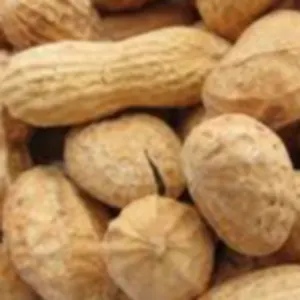
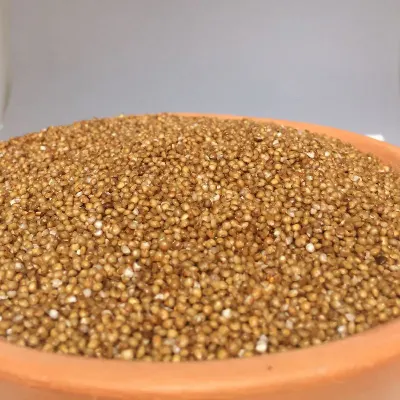
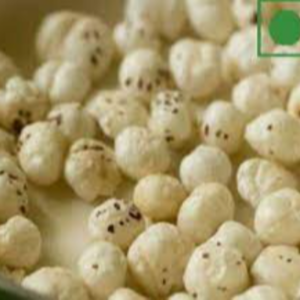
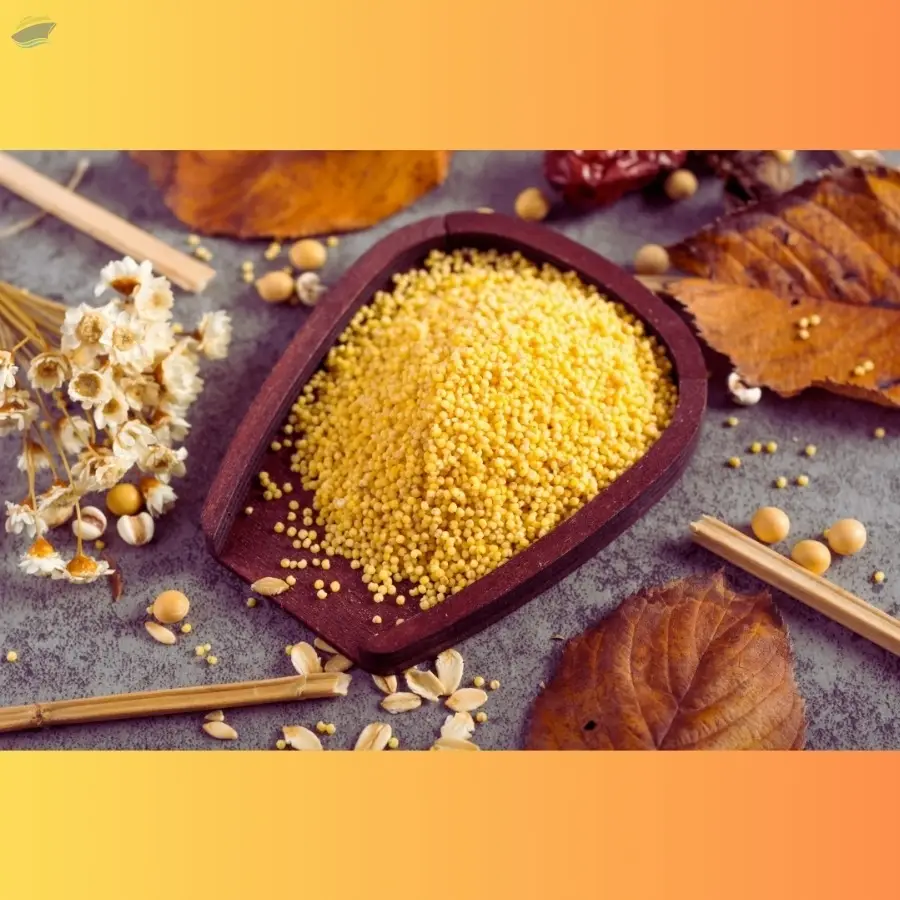
The catalogue covers four millet species - finger, pearl, sorghum and kodo - each exported under HS codes 1008.20, 1008.29 and 1007.00. In global trade, millets are graded by moisture (typically ≤12 %), broken grain ratio (≤5 %) and foreign matter limits (≤0.5 %). Groundnuts are listed under HS 1202.42; buyers usually require Grade A kernels with moisture ≤6 % and aflatoxin < 10 ppb. Foxnuts (popped lotus seeds) fall under HS 1208.90 and are commonly shipped as 10 kg polypropylene bags with a moisture content of ≤8 %.
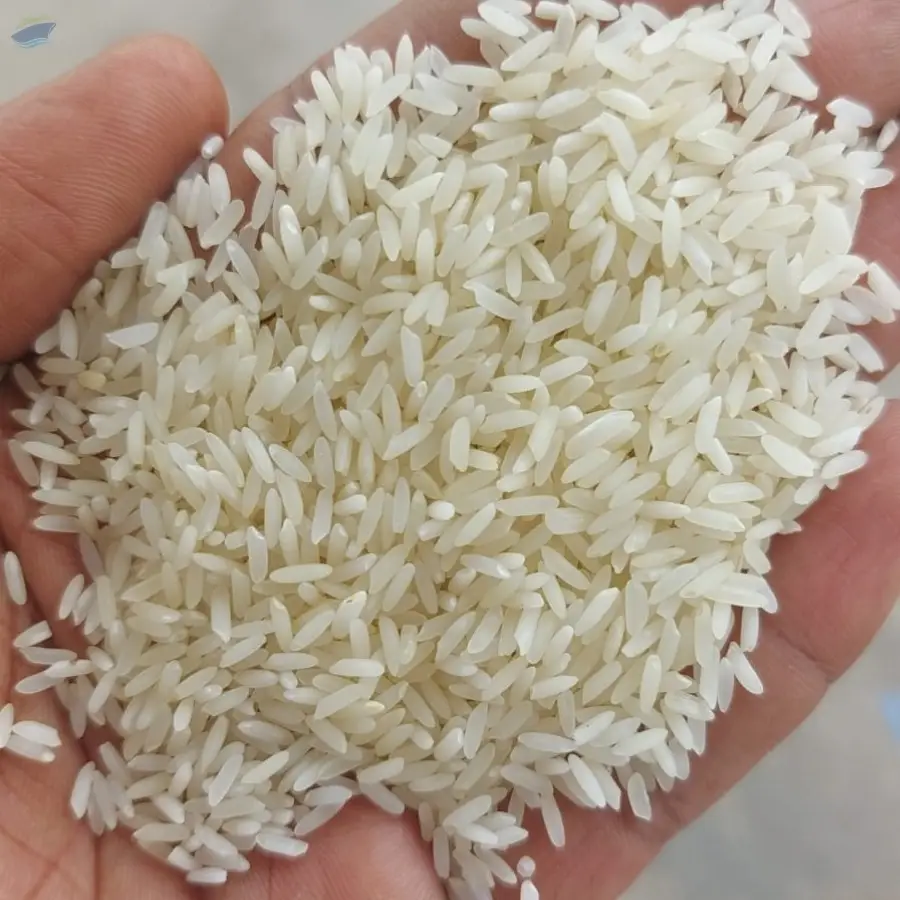
Rice is offered as broken rice (HS 1006.40), a product that generally meets the Indian Standard IS 2064 for broken rice with ≤5 % broken fraction. Wheat (non‑durum) under HS 1001.99 is typically supplied as 25 kg bags meeting protein content of 10‑12 % and moisture ≤14 %. Wood ash (HS 2622.19) is a biomass by‑product used as a soil amendment, usually characterized by pH 8‑9 and low heavy‑metal content. Cow dung manure (HS 3101.00) is exported as organic fertilizer, commonly tested for N‑P‑K values (e.g., N ≈ 1.5 %, P₂O₅ ≈ 0.8 %, K₂O ≈ 0.5 %).
Trade and Export Information - ImpexMate International Traders LLP
India is a major exporter of millets, groundnuts and rice to the Middle East, Africa, Southeast Asia and the European Union. HS chapter 10 (cereals and millets) and chapter 12 (oilseeds and nuts) are subject to phytosanitary certification under the International Plant Protection Convention (IPPC) and often require a fumigation certificate for shipments to EU markets. Organic fertilizer products such as wood ash and cow‑dung manure typically need a certificate of analysis confirming heavy‑metal limits and may be classified under HS 3101 for customs duty exemptions in African Union trade agreements. Buyers usually request compliance with FSSAI food‑safety standards, ISO 22000 for processing, and where applicable, USDA or EU organic certification for premium markets.
Standard Incoterms for these bulk agricultural goods are FOB Kanpur or CIF ports such as Mumbai or Chennai. Packaging follows industry norms: millets and grains are packed in 20 ft or 40 ft containers with inner bulk bags (10‑25 kg), while wood ash and manure are loaded in bulk bags or bulk‑loaders with moisture barriers. Export documentation commonly includes a commercial invoice, packing list, certificate of origin, phytosanitary certificate and, where required, a laboratory test report for pesticide residues or mycotoxins.
Sourcing from ImpexMate International Traders LLP - Buyer Guidance
When sourcing millets, request a sample analysis showing moisture, ash and broken grain percentages, as well as a phytosanitary certificate confirming freedom from pests. For groundnuts, ask for an aflatoxin test report, moisture content, and a declaration of any organic certification if the buyer requires it. Rice and wheat buyers should verify that the grain meets the relevant Indian Standards (IS 2064 for rice, IS 3029 for wheat) and request a moisture and impurity test sheet.
For wood ash and cow‑dung manure, obtain a certificate of analysis that details pH, nutrient composition (N‑P‑K), heavy‑metal limits (e.g., Pb < 10 ppm) and an organic‑origin declaration. Confirm that the supplier can provide the required phytosanitary or sanitary certificates for each product line, and clarify the packaging size (e.g., 25 kg bulk bags) and loading method before finalising the order.
Frequently Asked Questions About ImpexMate International Traders LLP
What millet varieties does ImpexMate International Traders LLP export and under which HS codes?
The supplier lists finger millets (HS 1008.20), pearl millets (HS 1008.29), sorghum millets (HS 1007.00) and kodo millets (HS 1008.20), each supplied as whole grain with typical moisture ≤12 %.
Which certifications should a buyer request for the groundnut product?
Buyers should request an ISO 22000 or FSSAI compliance certificate, an aflatoxin test report (<10 ppb), and, if organic, a USDA or EU organic certificate.
How is broken rice packaged for export?
Broken rice (HS 1006.40) is normally packed in 20 ft or 40 ft containers using 10‑25 kg polypropylene bags, with a moisture content not exceeding 14 %.
What documentation is required for shipping wood ash from India?
Typical documents include a commercial invoice, packing list, certificate of origin, phytosanitary certificate, and a laboratory analysis confirming pH 8‑9 and heavy‑metal limits.
What are the usual quality parameters for foxnuts (popped lotus seeds)?
Foxnuts (HS 1208.90) are assessed for moisture ≤8 %, foreign matter ≤0.5 % and are often delivered in 10 kg bags with a moisture‑proof liner.
Which markets commonly import Indian millets and what standards apply?
Millets are exported mainly to the Middle East, Africa and the EU, where buyers typically require compliance with IPPC phytosanitary standards and may request a grain‑grade certificate meeting Codex Alimentarius specifications.
What is the standard lead time for a container shipment of wheat from Kanpur?
Lead times for wheat (HS 1001.99) from Kanpur to major ports are usually 30‑45 days, allowing time for quality testing, certification and container loading.
How should a buyer verify the organic status of the manure product?
The buyer should request an organic‑farm certification (e.g., India’s NPOP or EU organic) and a recent laboratory analysis showing nutrient composition and compliance with heavy‑metal limits.




 Kanpur Nagar, India


.jpg.png)