Panacea — Verified Manufacturer & Wholesale Supplier
About Panacea - Multi‑Category Food Supplier in Egypt
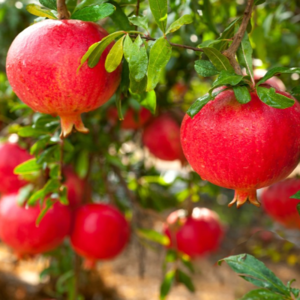
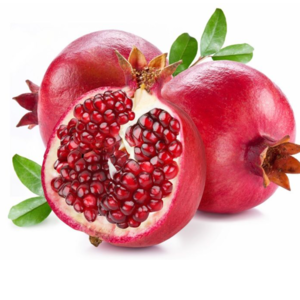
Egypt, Alexandria hosts Panacea, which lists 19 active products across fresh vegetables, fresh fruits, frozen berries, processed potato items and a range of seafood. The catalogue records items such as Sweet potato (HS 0714.20), Lettuce iceberg (HS 0705.11), Orange Valencia (HS 0805.10), Spring onion (HS 0712.30) and Carrot (HS 0706.10) among the vegetable line‑up. Fruit entries include Pomegranate (HS 0813.40) and frozen Strawberry IQF (HS 0811.10). The seafood portfolio comprises frozen shrimp (HS 03061290), smoked salmon (HS 03054100), frozen crab and mixed seafood mixes (HS 03061490). Packaging details range from 6 kg cartons for sweet potato to 10 kg cartons for frozen strawberries and bulk wooden bins for pumpkin seed products.
Panacea reports ISO 9001, GLOBAL GAP, SMETA and GRASP certifications as part of its quality system. The supplier mentions handling bulk loadings and a field‑to‑fork supply chain, but no further operational claims are made. Product descriptions include material specifications such as plastic baskets for spring onion, 20 kg plastic bags for carrot, and 25 kg bags for fresh potato. The seafood items are listed simply as “frozen shrimp” or “seafood mix” without further processing details. All listed products are presented with their HS codes and standard packaging formats.
Product Range and Specialties of Panacea
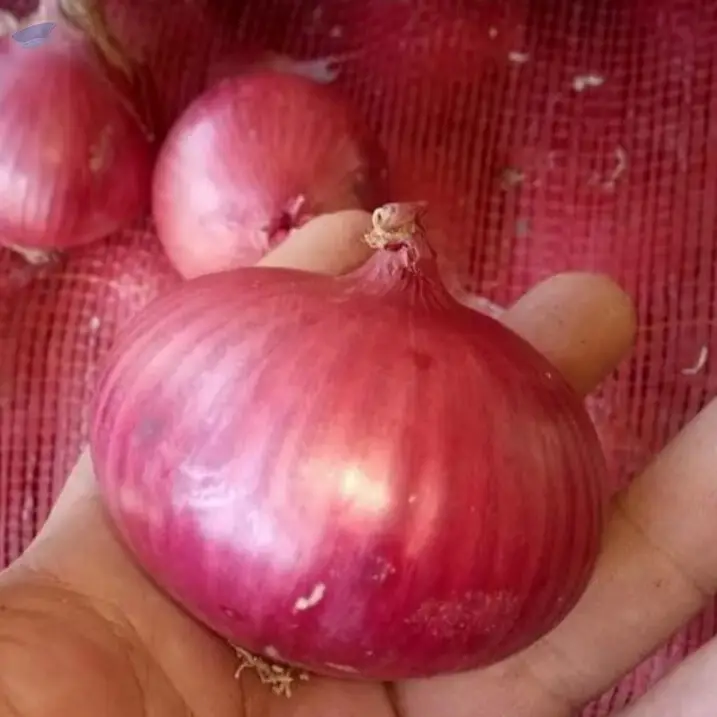
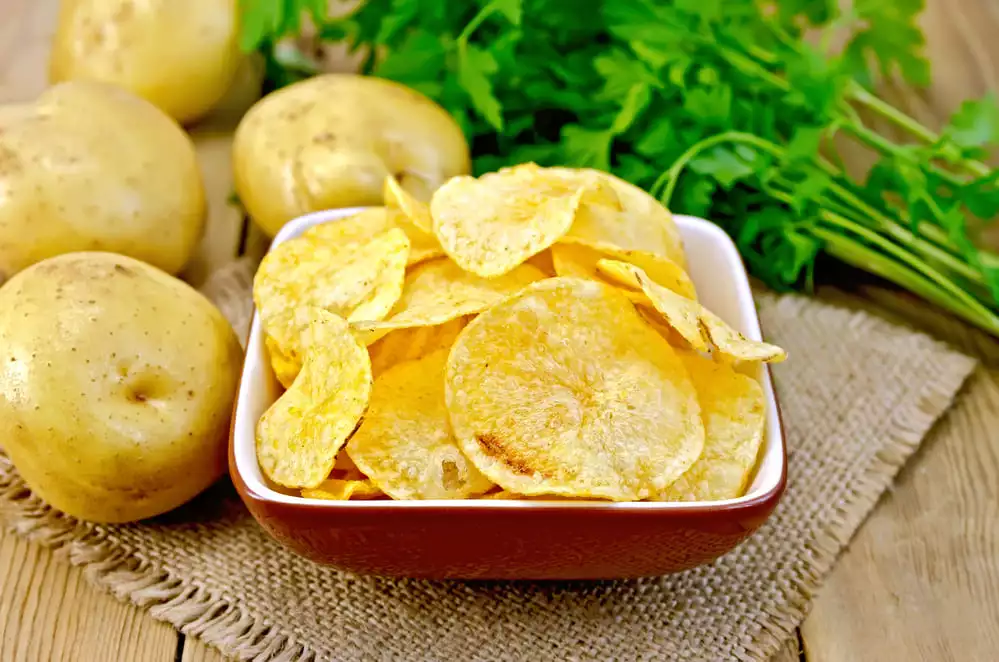
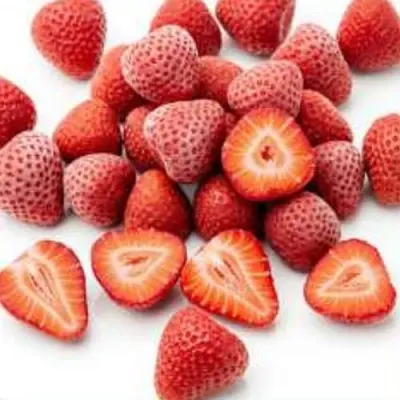
The product list covers typical Egyptian export grades: sweet potatoes are usually graded by size (e.g., 150 - 200 mm) and low moisture (<12 %). Iceberg lettuce exported to EU markets often meets EU Commercial Fresh Lettuce (CFL) specifications for head weight (250 - 350 g) and visual quality. Valencia oranges are commonly evaluated by Brix values of 11 - 13 % and acidity below 1 %. Spring onion varieties are graded by stem length (10 - 15 cm) and uniform colour. Carrots and red onions are sorted by length (150 - 250 mm) and absence of blemishes. Frozen strawberries IQF are typically frozen at - 18 °C within 24 h of harvest, with moisture content around 85 % and a sugar content of 7 - 9 % Brix. Seafood such as shrimp, crab and smoked salmon are processed under HACCP conditions, with size classifications (e.g., shrimp 20 - 30 mm) and smoke levels measured in phenol ppm. Packaging follows industry norms: bulk produce in 6 - 10 kg cartons, root crops in 20 - 25 kg bags, and seafood in insulated cartons or wooden boxes for frozen transport.
Trade and Export Information - Panacea
Egypt is a long‑standing exporter of fresh and frozen horticultural products to the EU, GCC and North‑African markets. HS 07‑08 chapters for vegetables and fruits typically require phytosanitary certificates and, for organic claims, EU organic certification in addition to ISO 9001 or GLOBAL GAP. Frozen berries and seafood fall under HS 08 and HS 03 chapters, where buyers often request health certificates, HACCP compliance and, for EU imports, a EU RASFF notification. Temperature‑controlled containers (20 ft or 40 ft reefers) are standard for frozen strawberries, shrimp, crab and smoked salmon, with a typical load of 18 - 20 tons per 40 ft container. Fresh produce such as lettuce, carrots and potatoes are shipped in ventilated containers or in bulk using insulated trucks for regional delivery.
Sourcing from Panacea - Buyer Guidance
When sourcing from Panacea, buyers should request a product specification sheet that includes size grades, moisture limits, Brix values (for citrus) and any organic or residue test results. Samples should be taken for organoleptic and microbiological testing, especially for frozen seafood where total viable count and histamine levels are critical. Verify the ISO 9001, GLOBAL GAP, SMETA and GRASP certificates and ask for the latest phytosanitary certificate for fresh vegetables and fruits. Confirm packaging details - e.g., 6 kg cartons for sweet potato or 10 kg insulated cartons for frozen strawberries - to ensure compatibility with the buyer’s logistics.
Frequently Asked Questions About Panacea
What HS codes are used for Panacea’s fresh vegetable products?
The fresh vegetables are classified under HS chapter 07, with specific codes such as 0714.20 for sweet potato, 0705.11 for iceberg lettuce, 0712.30 for spring onion, 0706.10 for carrot and 0703.10 for red onion.
Which certifications does Panacea currently hold?
Panacea lists ISO 9001, GLOBAL GAP, SMETA and GRASP certifications as part of its documented quality system.
What packaging formats are available for the frozen strawberry IQF product?
Frozen strawberries are packed in 10 kg cartons, suitable for palletized loading in refrigerated containers.
How is the seafood range packaged for export?
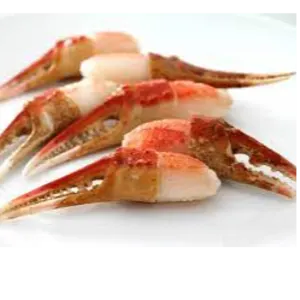
Seafood items such as frozen shrimp, crab and mixed seafood are typically placed in insulated cartons or wooden bins, with frozen shrimp listed under HS 03061290 and the mixed seafood under HS 03061490.
What documentation should a buyer request for the citrus export?
Buyers should request a phytosanitary certificate, a certificate of origin, and any applicable EU organic or quality certificates, along with a specification sheet showing Brix (11 - 13 %).
What are the typical container loads for Panacea’s bulk products?
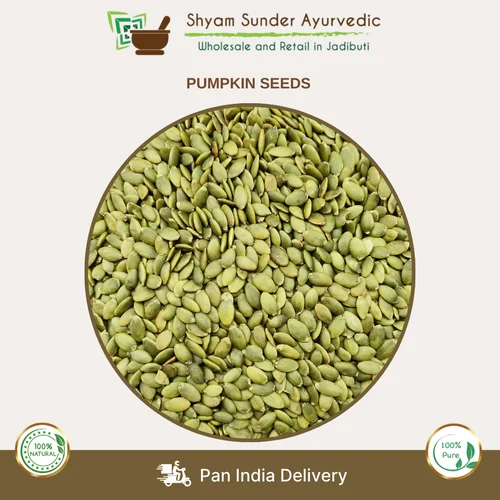
Bulk items like pumpkin seeds in 500 kg wooden bins or fresh potatoes in 25 kg bags can fill a 20 ft container at approximately 15 tons, while frozen seafood loads a 40 ft reef container with up to 18 tons of product.
Are samples available for the smoked salmon product?
Samples can be requested in vacuum‑sealed portions, and buyers should verify smoke level (phenol ppm) and fillet thickness against HACCP specifications.
What temperature controls are required for shipping the frozen crab?
Frozen crab must be maintained at - 18 °C or lower throughout transport, using a refrigerated container with continuous temperature monitoring and a temperature data logger.





 , Egypt



.jpg.png)