Flying Fish International Co., Ltd. — Verified Supplier

About Flying Fish International Co., Ltd. - Seafood Supplier in China

China hosts Flying Fish International Co., Ltd., which lists 16 active seafood products. The catalogue comprises a variety of frozen and fresh marine items, including Atlantic mackerel fillet, chum salmon fillets, several forms of scallops (sea, half‑shell, with roe), pen shell meat, short‑necked clam meat and whole clam, mussel meat and half‑shell mussel, whole swimming crab (raw and cooked), squid tube, and Greenland halibut fillets. These items fall under the standard HS chapters for fish (0304), crustaceans such as crab and shrimp (0305), and molluscs including scallops, clams and mussels (0306). The supplier’s catalogue does not specify processing methods beyond frozen, boiled or cooked forms, which is typical for bulk seafood export listings.

Among the 16 entries, three scallop variants are distinguished by presentation: whole sea scallops, half‑shell scallops, and scallops with roe retained, reflecting common market segmentation for premium and value‑added products. The presence of both raw and cooked whole swimming crab indicates capability to supply both fresh‑freeze and ready‑to‑eat segments, which are classified under HS 0305. Halibut fillets from Greenland are listed alongside Atlantic species, showing a geographic spread that aligns with consumer demand for high‑latitude whitefish. The inclusion of squid tube adds a cephalopod category, typically coded under HS 0307. All products are reported as frozen, a format that facilitates containerized shipping in 20‑ft or 40‑ft refrigerated units.

Product Range and Specialties of Flying Fish International Co., Ltd.

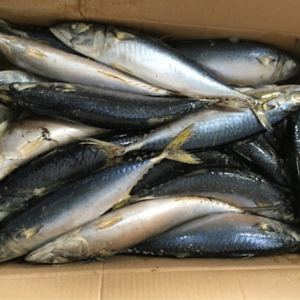
Flying Fish International’s seafood catalogue includes Atlantic mackerel fillet, chum salmon fillet, various scallop forms, pen shell meat, short‑necked clam meat, mussel meat, half‑shell mussel, whole swimming crab (raw and cooked), squid tube, and Greenland halibut fillet. In the global market, Atlantic mackerel fillets are commonly graded by flesh firmness and moisture content, with specifications such as ≤8 % moisture and ≥12 % fat. Chum salmon fillets are often evaluated for fillet thickness (20‑30 mm) and are typically ice‑glazed in 10 kg cartons for export.

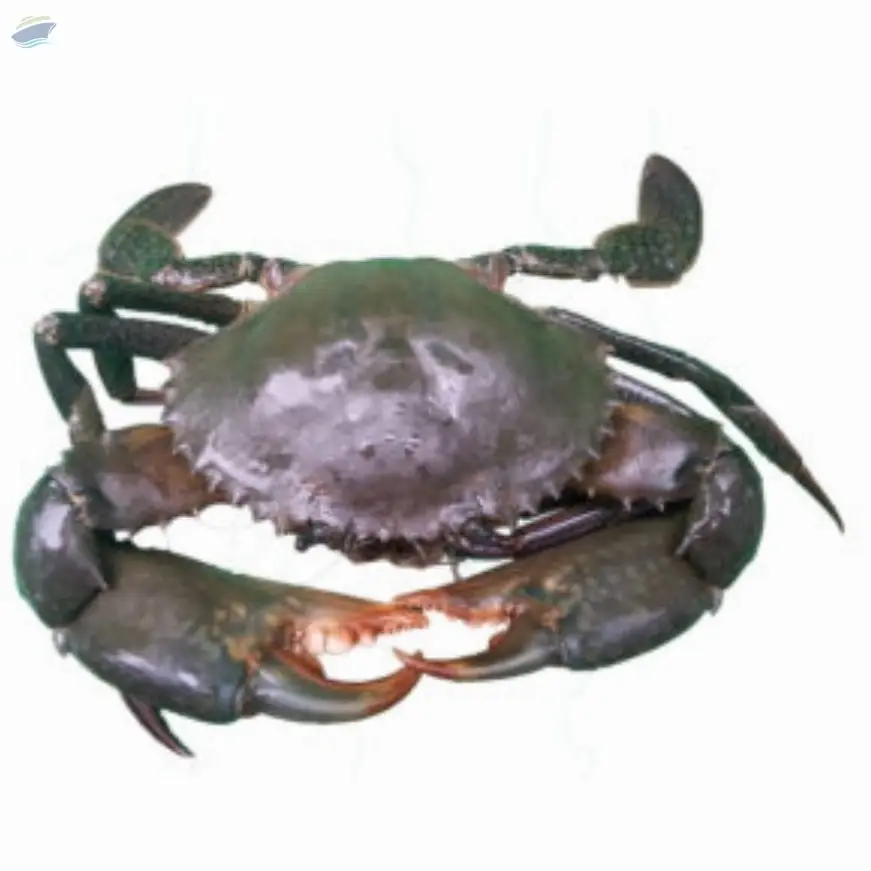
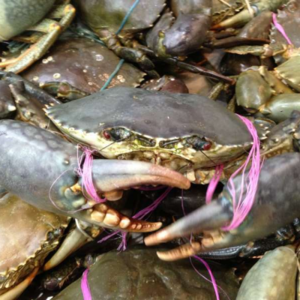
Scallops, including sea, half‑shell, and roe‑on variants, are generally sorted by shell size (30‑45 mm) and meat yield (≥55 % of shell weight). Pen shell meat and short‑necked clam meat are usually frozen at - 18 °C and packed in 10 kg blocks for bulk buyers. Mussel meat and half‑shell mussel follow similar standards, with shell‑to‑meat ratios of about 1.5:1. Whole swimming crab, whether raw or pre‑cooked, is typically sized 300‑500 g per crab and packed in insulated boxes with gel packs. Squid tubes are measured by length (150‑200 mm) and sold in 20 kg vacuum‑sealed bags. Greenland halibut fillets are graded for white flesh, low oil content (<2 %), and are commonly packaged in 10 kg vacuum packs.

Trade and Export Information - Flying Fish International Co., Ltd.

China is a major exporter of frozen seafood, with shipments directed to markets in the United States, the European Union, Southeast Asia, and the Middle East. HS Chapter 03 codes (0304 for fish, 0305 for crustaceans, 0306 for molluscs, 0307 for cephalopods) are routinely inspected under the Shanghai Customs Inspection Center, and importers often require phytosanitary certificates, health certificates, and a HACCP or BRC food safety audit report. Buyers typically request proof of compliance with the EU Regulation 853/2004 for fishery products or the US FDA seafood HACCP regulations, and many require ISO 22000 certification for the processing facility. Shipping of frozen seafood from China generally uses refrigerated containers (40 ft reefer) under CIF or FOB terms, with temperature monitoring devices to ensure the - 18 °C chain is maintained.

The product mix listed by Flying Fish International aligns with demand from restaurant chains, food‑service distributors, and retail frozen sections that prioritize consistent size grading and traceability. Export logistics often involve pre‑cooling the cargo, using EPS or gel‑pack insulation for smaller shipments, and providing a Certificate of Origin to qualify for preferential tariffs under various free‑trade agreements. While the supplier’s target markets are not specified, typical importers from the EU and North America request a sanitary certificate issued by Chinese authorities and may conduct third‑party laboratory testing for contaminants such as mercury, histamine, and microbial load.

Sourcing from Flying Fish International Co., Ltd. - Buyer Guidance

Buyers sourcing seafood from Flying Fish International should request the latest HACCP plan, ISO 22000 or BRC audit reports, and specific health certificates for each product category. For fish fillets and whitefish such as Greenland halibut, a test report confirming mercury levels below 0.5 ppm is standard, while crustaceans like swimming crab often require a microbial analysis showing total plate count under 5 × 10⁴ CFU/g. Samples are usually requested in 2‑5 kg frozen portions, with accompanying product specification sheets that detail moisture, fat, and size parameters.

Prior to order confirmation, verify the HS code declared for each product matches the category (e.g., 0304 90 for other fish fillets, 0305 90 for other crustaceans, 0306 90 for other molluscs). Confirm packaging dimensions and container loading plans to ensure the cargo fits standard 40 ft reefer units, and ask for a pre‑shipment inspection report if required by the destination country. Requesting a third‑party lab certificate for allergens, such as shellfish protein, can help meet EU or US labeling regulations.

Frequently Asked Questions About Flying Fish International Co., Ltd.

What HS codes are used for the seafood products offered by Flying Fish International?

Typical HS codes for the catalogue are 0304 90 for other fish fillets (e.g., Atlantic mackerel, chum salmon, Greenland halibut), 0305 90 for other crustaceans such as whole swimming crab, and 0306 90 for other molluscs including scallops, clams and mussels. Cephalopod products like squid tube fall under HS 0307 90. Buyers should confirm the exact sub‑heading with the supplier before customs filing.

Which food‑safety certifications does Flying Fish International hold?

The facts do not list any specific certifications for the supplier. Buyers should request copies of the company’s HACCP plan, ISO 22000 or BRC audit reports, and any export health certificates that the supplier can provide for seafood products.

What are the typical minimum order quantities for the listed seafood items?

In the frozen seafood trade, minimum orders are often set by container capacity. A common MOQ is one 20‑ft or 40‑ft refrigerated container, which translates to roughly 8‑12 metric tonnes for fillets and 10‑15 metric tonnes for whole crustaceans or molluscs, depending on packaging density.

How are the scallops and crabs packaged for export?

Scallops are usually sized 30‑45 mm, frozen, and vacuum‑packed in 5 kg or 10 kg bags, then placed in insulated cartons for reefers. Whole swimming crabs are typically 300‑500 g each, packed in insulated boxes with gel packs, and the boxes are stacked on pallets inside the refrigerated container.

How can a buyer request a sample of the Greenland halibut fillet?

Buyers can ask the supplier to ship a 2‑5 kg frozen sample, sealed in a vacuum‑packed bag, with an accompanying product specification sheet and a recent laboratory test report for mercury and microbiological parameters. The sample is normally dispatched under a small‑parcel service with dry‑ice to maintain the required temperature.

What documents are required for customs clearance of these seafood products?

Importers usually need a commercial invoice, packing list, Certificate of Origin, health certificate issued by Chinese authorities, and any applicable HACCP or ISO audit report. For EU or US destinations, a sanitary certificate and proof of compliance with local fishery regulations are also standard.

What lead times are common for shipping frozen seafood from China?

After order confirmation and production, lead times typically range from 25 to 40 days, including product preparation, quality inspection, inland transport to the port, and a 20‑day sea voyage in a refrigerated container. Seasonal demand peaks can add a week or more to the schedule.


Other Suppliers in Seafood

Top Trusted Suppliers

Related Products in Seafood

Trending in Parent Category

More Suppliers in Parent Category

Related Products

Other Suppliers

EximNext
58.4K+ live requirements
Register Free🎁 5 free buy-lead credits
Post Requirement
🌍 Trusted by 224.4K+ businesses in 200+ countries|
58.4K+ active requirements right now
✉️ [email protected]
|
Sell on EximNextPost Requirement
EximNext
AgricultureApparelConstructionElectronicFoodHomeIndustrialMineralsMiscellaneous
🔥 Deals|✨ AI Match|🏭 Suppliers|📋 Buy Leads|💰 Trade Finance|⭐ Upgrade
58.4K+ live RFQs·194.5K+ suppliers
🎁 5 free credits →
EximNext
EximNext
Register Free
🎁 5 free buy-lead credits
Sign In
📋Post Requirement💬Get QuotesAI Match📋RFQ Marketplace
All Categories
Services & Tools
🏭Supplier Directory🔥Today's Deals💰Trade FinanceMembership
Sell on EximNext
AboutContactBlogHelp
🏭

Flying Fish International Co., Ltd.

Harbor
Country flag , China
🛡️
79/100
Trust Score

Flying Fish International Co., Ltd. Product Catalog

Showing 12 of 16 products
View all products →
Swimming Crab Whole
Harbor
Swimming Crab Whole
Contact
MOQ: 1 Unit
Cooked Swimming Crab Whole
Harbor
Cooked Swimming Crab Whole
Contact
MOQ: 1 Unit
Squid Tube
Harbor
Squid Tube
Contact
MOQ: 1 Unit
Greenland Halibut Fillets
Harbor
Greenland Halibut Fillets
Contact
MOQ: 1 Unit
Half Shell Mussel
Harbor
Half Shell Mussel
Contact
MOQ: 1 Unit
Frozen Boiled Mussel Meat
Harbor
Frozen Boiled Mussel Meat
Contact
MOQ: 1 Unit
Frozen Boiled Short-Necked Clam
Harbor
Frozen Boiled Short-Necked Clam
Contact
MOQ: 1 Unit
Frozen Boiled Short-Necked Clam Meat
Harbor
Frozen Boiled Short-Necked Clam Meat
Contact
MOQ: 1 Unit
Pen Shell Meat
Harbor
Pen Shell Meat
Contact
MOQ: 1 Unit
Bay Scallops
Harbor
Bay Scallops
Contact
MOQ: 1 Unit
Frozen Boiled Scallops
Harbor
Frozen Boiled Scallops
Contact
MOQ: 1 Unit
Sea Scallops With Roe On
Harbor
Sea Scallops With Roe On
Contact
MOQ: 1 Unit

About Flying Fish International Co., Ltd. - Seafood Supplier in China

China hosts Flying Fish International Co., Ltd., which lists 16 active seafood products. The catalogue comprises a variety of frozen and fresh marine items, including Atlantic mackerel fillet, chum salmon fillets, several forms of scallops (sea, half‑shell, with roe), pen shell meat, short‑necked clam meat and whole clam, mussel meat and half‑shell mussel, whole swimming crab (raw and cooked), squid tube, and Greenland halibut fillets. These items fall under the standard HS chapters for fish (0304), crustaceans such as crab and shrimp (0305), and molluscs including scallops, clams and mussels (0306). The supplier’s catalogue does not specify processing methods beyond frozen, boiled or cooked forms, which is typical for bulk seafood export listings.

Among the 16 entries, three scallop variants are distinguished by presentation: whole sea scallops, half‑shell scallops, and scallops with roe retained, reflecting common market segmentation for premium and value‑added products. The presence of both raw and cooked whole swimming crab indicates capability to supply both fresh‑freeze and ready‑to‑eat segments, which are classified under HS 0305. Halibut fillets from Greenland are listed alongside Atlantic species, showing a geographic spread that aligns with consumer demand for high‑latitude whitefish. The inclusion of squid tube adds a cephalopod category, typically coded under HS 0307. All products are reported as frozen, a format that facilitates containerized shipping in 20‑ft or 40‑ft refrigerated units.

Product Range and Specialties of Flying Fish International Co., Ltd.

Flying Fish International’s seafood catalogue includes Atlantic mackerel fillet, chum salmon fillet, various scallop forms, pen shell meat, short‑necked clam meat, mussel meat, half‑shell mussel, whole swimming crab (raw and cooked), squid tube, and Greenland halibut fillet. In the global market, Atlantic mackerel fillets are commonly graded by flesh firmness and moisture content, with specifications such as ≤8 % moisture and ≥12 % fat. Chum salmon fillets are often evaluated for fillet thickness (20‑30 mm) and are typically ice‑glazed in 10 kg cartons for export.

Scallops, including sea, half‑shell, and roe‑on variants, are generally sorted by shell size (30‑45 mm) and meat yield (≥55 % of shell weight). Pen shell meat and short‑necked clam meat are usually frozen at - 18 °C and packed in 10 kg blocks for bulk buyers. Mussel meat and half‑shell mussel follow similar standards, with shell‑to‑meat ratios of about 1.5:1. Whole swimming crab, whether raw or pre‑cooked, is typically sized 300‑500 g per crab and packed in insulated boxes with gel packs. Squid tubes are measured by length (150‑200 mm) and sold in 20 kg vacuum‑sealed bags. Greenland halibut fillets are graded for white flesh, low oil content (<2 %), and are commonly packaged in 10 kg vacuum packs.

Trade and Export Information - Flying Fish International Co., Ltd.

China is a major exporter of frozen seafood, with shipments directed to markets in the United States, the European Union, Southeast Asia, and the Middle East. HS Chapter 03 codes (0304 for fish, 0305 for crustaceans, 0306 for molluscs, 0307 for cephalopods) are routinely inspected under the Shanghai Customs Inspection Center, and importers often require phytosanitary certificates, health certificates, and a HACCP or BRC food safety audit report. Buyers typically request proof of compliance with the EU Regulation 853/2004 for fishery products or the US FDA seafood HACCP regulations, and many require ISO 22000 certification for the processing facility. Shipping of frozen seafood from China generally uses refrigerated containers (40 ft reefer) under CIF or FOB terms, with temperature monitoring devices to ensure the - 18 °C chain is maintained.

The product mix listed by Flying Fish International aligns with demand from restaurant chains, food‑service distributors, and retail frozen sections that prioritize consistent size grading and traceability. Export logistics often involve pre‑cooling the cargo, using EPS or gel‑pack insulation for smaller shipments, and providing a Certificate of Origin to qualify for preferential tariffs under various free‑trade agreements. While the supplier’s target markets are not specified, typical importers from the EU and North America request a sanitary certificate issued by Chinese authorities and may conduct third‑party laboratory testing for contaminants such as mercury, histamine, and microbial load.

Sourcing from Flying Fish International Co., Ltd. - Buyer Guidance

Buyers sourcing seafood from Flying Fish International should request the latest HACCP plan, ISO 22000 or BRC audit reports, and specific health certificates for each product category. For fish fillets and whitefish such as Greenland halibut, a test report confirming mercury levels below 0.5 ppm is standard, while crustaceans like swimming crab often require a microbial analysis showing total plate count under 5 × 10⁴ CFU/g. Samples are usually requested in 2‑5 kg frozen portions, with accompanying product specification sheets that detail moisture, fat, and size parameters.

Prior to order confirmation, verify the HS code declared for each product matches the category (e.g., 0304 90 for other fish fillets, 0305 90 for other crustaceans, 0306 90 for other molluscs). Confirm packaging dimensions and container loading plans to ensure the cargo fits standard 40 ft reefer units, and ask for a pre‑shipment inspection report if required by the destination country. Requesting a third‑party lab certificate for allergens, such as shellfish protein, can help meet EU or US labeling regulations.

Frequently Asked Questions About Flying Fish International Co., Ltd.

What HS codes are used for the seafood products offered by Flying Fish International?

Typical HS codes for the catalogue are 0304 90 for other fish fillets (e.g., Atlantic mackerel, chum salmon, Greenland halibut), 0305 90 for other crustaceans such as whole swimming crab, and 0306 90 for other molluscs including scallops, clams and mussels. Cephalopod products like squid tube fall under HS 0307 90. Buyers should confirm the exact sub‑heading with the supplier before customs filing.

Which food‑safety certifications does Flying Fish International hold?

The facts do not list any specific certifications for the supplier. Buyers should request copies of the company’s HACCP plan, ISO 22000 or BRC audit reports, and any export health certificates that the supplier can provide for seafood products.

What are the typical minimum order quantities for the listed seafood items?

In the frozen seafood trade, minimum orders are often set by container capacity. A common MOQ is one 20‑ft or 40‑ft refrigerated container, which translates to roughly 8‑12 metric tonnes for fillets and 10‑15 metric tonnes for whole crustaceans or molluscs, depending on packaging density.

How are the scallops and crabs packaged for export?

Scallops are usually sized 30‑45 mm, frozen, and vacuum‑packed in 5 kg or 10 kg bags, then placed in insulated cartons for reefers. Whole swimming crabs are typically 300‑500 g each, packed in insulated boxes with gel packs, and the boxes are stacked on pallets inside the refrigerated container.

How can a buyer request a sample of the Greenland halibut fillet?

Buyers can ask the supplier to ship a 2‑5 kg frozen sample, sealed in a vacuum‑packed bag, with an accompanying product specification sheet and a recent laboratory test report for mercury and microbiological parameters. The sample is normally dispatched under a small‑parcel service with dry‑ice to maintain the required temperature.

What documents are required for customs clearance of these seafood products?

Importers usually need a commercial invoice, packing list, Certificate of Origin, health certificate issued by Chinese authorities, and any applicable HACCP or ISO audit report. For EU or US destinations, a sanitary certificate and proof of compliance with local fishery regulations are also standard.

What lead times are common for shipping frozen seafood from China?

After order confirmation and production, lead times typically range from 25 to 40 days, including product preparation, quality inspection, inland transport to the port, and a 20‑day sea voyage in a refrigerated container. Seasonal demand peaks can add a week or more to the schedule.

About Flying Fish International Co., Ltd. - Seafood Supplier in China

China hosts Flying Fish International Co., Ltd., which lists 16 active seafood products. The catalogue comprises a variety of frozen and fresh marine items, including Atlantic mackerel fillet, chum salmon fillets, several forms of scallops (sea, half‑shell, with roe), pen shell meat, short‑necked clam meat and whole clam, mussel meat and half‑shell mussel, whole swimming crab (raw and cooked), squid tube, and Greenland halibut fillets. These items fall under the standard HS chapters for fish (0304), crustaceans such as crab and shrimp (0305), and molluscs including scallops, clams and mussels (0306). The supplier’s catalogue does not specify processing methods beyond frozen, boiled or cooked forms, which is typical for bulk seafood export listings.

Among the 16 entries, three scallop variants are distinguished by presentation: whole sea scallops, half‑shell scallops, and scallops with roe retained, reflecting common market segmentation for premium and value‑added products. The presence of both raw and cooked whole swimming crab indicates capability to supply both fresh‑freeze and ready‑to‑eat segments, which are classified under HS 0305. Halibut fillets from Greenland are listed alongside Atlantic species, showing a geographic spread that aligns with consumer demand for high‑latitude whitefish. The inclusion of squid tube adds a cephalopod category, typically coded under HS 0307. All products are reported as frozen, a format that facilitates containerized shipping in 20‑ft or 40‑ft refrigerated units.

Product Range and Specialties of Flying Fish International Co., Ltd.

Flying Fish International’s seafood catalogue includes Atlantic mackerel fillet, chum salmon fillet, various scallop forms, pen shell meat, short‑necked clam meat, mussel meat, half‑shell mussel, whole swimming crab (raw and cooked), squid tube, and Greenland halibut fillet. In the global market, Atlantic mackerel fillets are commonly graded by flesh firmness and moisture content, with specifications such as ≤8 % moisture and ≥12 % fat. Chum salmon fillets are often evaluated for fillet thickness (20‑30 mm) and are typically ice‑glazed in 10 kg cartons for export.

Scallops, including sea, half‑shell, and roe‑on variants, are generally sorted by shell size (30‑45 mm) and meat yield (≥55 % of shell weight). Pen shell meat and short‑necked clam meat are usually frozen at - 18 °C and packed in 10 kg blocks for bulk buyers. Mussel meat and half‑shell mussel follow similar standards, with shell‑to‑meat ratios of about 1.5:1. Whole swimming crab, whether raw or pre‑cooked, is typically sized 300‑500 g per crab and packed in insulated boxes with gel packs. Squid tubes are measured by length (150‑200 mm) and sold in 20 kg vacuum‑sealed bags. Greenland halibut fillets are graded for white flesh, low oil content (<2 %), and are commonly packaged in 10 kg vacuum packs.

Trade and Export Information - Flying Fish International Co., Ltd.

China is a major exporter of frozen seafood, with shipments directed to markets in the United States, the European Union, Southeast Asia, and the Middle East. HS Chapter 03 codes (0304 for fish, 0305 for crustaceans, 0306 for molluscs, 0307 for cephalopods) are routinely inspected under the Shanghai Customs Inspection Center, and importers often require phytosanitary certificates, health certificates, and a HACCP or BRC food safety audit report. Buyers typically request proof of compliance with the EU Regulation 853/2004 for fishery products or the US FDA seafood HACCP regulations, and many require ISO 22000 certification for the processing facility. Shipping of frozen seafood from China generally uses refrigerated containers (40 ft reefer) under CIF or FOB terms, with temperature monitoring devices to ensure the - 18 °C chain is maintained.

The product mix listed by Flying Fish International aligns with demand from restaurant chains, food‑service distributors, and retail frozen sections that prioritize consistent size grading and traceability. Export logistics often involve pre‑cooling the cargo, using EPS or gel‑pack insulation for smaller shipments, and providing a Certificate of Origin to qualify for preferential tariffs under various free‑trade agreements. While the supplier’s target markets are not specified, typical importers from the EU and North America request a sanitary certificate issued by Chinese authorities and may conduct third‑party laboratory testing for contaminants such as mercury, histamine, and microbial load.

Sourcing from Flying Fish International Co., Ltd. - Buyer Guidance

Buyers sourcing seafood from Flying Fish International should request the latest HACCP plan, ISO 22000 or BRC audit reports, and specific health certificates for each product category. For fish fillets and whitefish such as Greenland halibut, a test report confirming mercury levels below 0.5 ppm is standard, while crustaceans like swimming crab often require a microbial analysis showing total plate count under 5 × 10⁴ CFU/g. Samples are usually requested in 2‑5 kg frozen portions, with accompanying product specification sheets that detail moisture, fat, and size parameters.

Prior to order confirmation, verify the HS code declared for each product matches the category (e.g., 0304 90 for other fish fillets, 0305 90 for other crustaceans, 0306 90 for other molluscs). Confirm packaging dimensions and container loading plans to ensure the cargo fits standard 40 ft reefer units, and ask for a pre‑shipment inspection report if required by the destination country. Requesting a third‑party lab certificate for allergens, such as shellfish protein, can help meet EU or US labeling regulations.

Frequently Asked Questions About Flying Fish International Co., Ltd.
What HS codes are used for the seafood products offered by Flying Fish International?
Typical HS codes for the catalogue are 0304 90 for other fish fillets (e.g., Atlantic mackerel, chum salmon, Greenland halibut), 0305 90 for other crustaceans such as whole swimming crab, and 0306 90 for other molluscs including scallops, clams and mussels. Cephalopod products like squid tube fall under HS 0307 90. Buyers should confirm the exact sub‑heading with the supplier before customs filing.
Which food‑safety certifications does Flying Fish International hold?
The facts do not list any specific certifications for the supplier. Buyers should request copies of the company’s HACCP plan, ISO 22000 or BRC audit reports, and any export health certificates that the supplier can provide for seafood products.
What are the typical minimum order quantities for the listed seafood items?
In the frozen seafood trade, minimum orders are often set by container capacity. A common MOQ is one 20‑ft or 40‑ft refrigerated container, which translates to roughly 8‑12 metric tonnes for fillets and 10‑15 metric tonnes for whole crustaceans or molluscs, depending on packaging density.
How are the scallops and crabs packaged for export?
Scallops are usually sized 30‑45 mm, frozen, and vacuum‑packed in 5 kg or 10 kg bags, then placed in insulated cartons for reefers. Whole swimming crabs are typically 300‑500 g each, packed in insulated boxes with gel packs, and the boxes are stacked on pallets inside the refrigerated container.
How can a buyer request a sample of the Greenland halibut fillet?
Buyers can ask the supplier to ship a 2‑5 kg frozen sample, sealed in a vacuum‑packed bag, with an accompanying product specification sheet and a recent laboratory test report for mercury and microbiological parameters. The sample is normally dispatched under a small‑parcel service with dry‑ice to maintain the required temperature.
What documents are required for customs clearance of these seafood products?
Importers usually need a commercial invoice, packing list, Certificate of Origin, health certificate issued by Chinese authorities, and any applicable HACCP or ISO audit report. For EU or US destinations, a sanitary certificate and proof of compliance with local fishery regulations are also standard.
What lead times are common for shipping frozen seafood from China?
After order confirmation and production, lead times typically range from 25 to 40 days, including product preparation, quality inspection, inland transport to the port, and a 20‑day sea voyage in a refrigerated container. Seasonal demand peaks can add a week or more to the schedule.

🏭
Flying Fish International Co., Ltd.
Country flag , China
Harbor
79/100
Trust Score
📦
16
Products
Free to contact — no commission
Escrow payment available
Verified business identity
Compare more suppliers
Post a requirement — get 10 quotes free
Let verified suppliers compete for your business. Free, fast, no commitment.
EximNext Verified Supplier
Business identity verified
Physical address confirmed
Financial history checked
Certifications authenticated
Trade references validated
Due Diligence
Verify this supplier's real shipping history.
Every shipment, every buyer, every port. Trade data that can't be faked.
Run due diligence →
Discover More

Related Suppliers & Products

Explore similar suppliers, related products and trending categories

Other Suppliers in Seafood

Top Trusted Suppliers

Related Products in Seafood

Trending in Parent Category

More Suppliers in Parent Category

Stay ahead in global trade
Weekly market insights & new supplier alerts.
EximNext
Exim Next is a leading global B2B marketplace, connecting over 205,000 verified suppliers and buyers across 200+ countries. As a trusted import export marketplace, it serves as the essential B2B portal for businesses worldwide, empowering them to expand their international reach. With Exim Next, businesses can trade smarter and grow faster.
SECURE PAYMENTS
VISAMastercardPayPalSWIFTL/CEscrow
Follow us
© 2026 EximNext