Khumsub Asia Goods Trading Co., Ltd. — Verified Supplier
About Khumsub Asia Goods Trading Co., Ltd. - Food Products Supplier in Thailand
Thailand‑based Khumsub Asia Goods Trading Co., Ltd. lists 202 active food‑related SKUs in its online catalogue. The catalogue is grouped under top categories such as Canned Food, Dehydrated Fruits, Noodles & Pasta, Processed Fruit Products, Food Raw Material and Pickles & Sauces. Each category aligns with standard HS chapter groups - for example HS 16 for canned fish, HS 20 for rice and HS 20.05 for coconut‑based products. The supplier’s portfolio therefore spans a wide spectrum of processed and raw agricultural commodities originating from Thai producers.
The product list includes Organic Coconut Water, Dried Fruit, Coconut Bite, Crispy Brownie, Canned Mackerel (plain and in Tomato Sauce), Coconut Chips, Dried Vegetables, Ketchup, Canned Lychee, Curry Paste, Canned Coconut Milk, various rice forms (Broken Parboiled, Rice Flour, Rice Berry, Long Grain, Basmati), Cooked Tail‑On Shrimp, Canned Shrimp, Canned Clam, Canned Peach, various crabmeat formats, Canned Aloe Vera, Baby Corn in Glass Jar and Peanut Butter. All items are presented under the broader food‑processing categories without specific HS‑code details attached in the source data.
Product Range and Specialties of Khumsub Asia Goods Trading Co., Ltd.
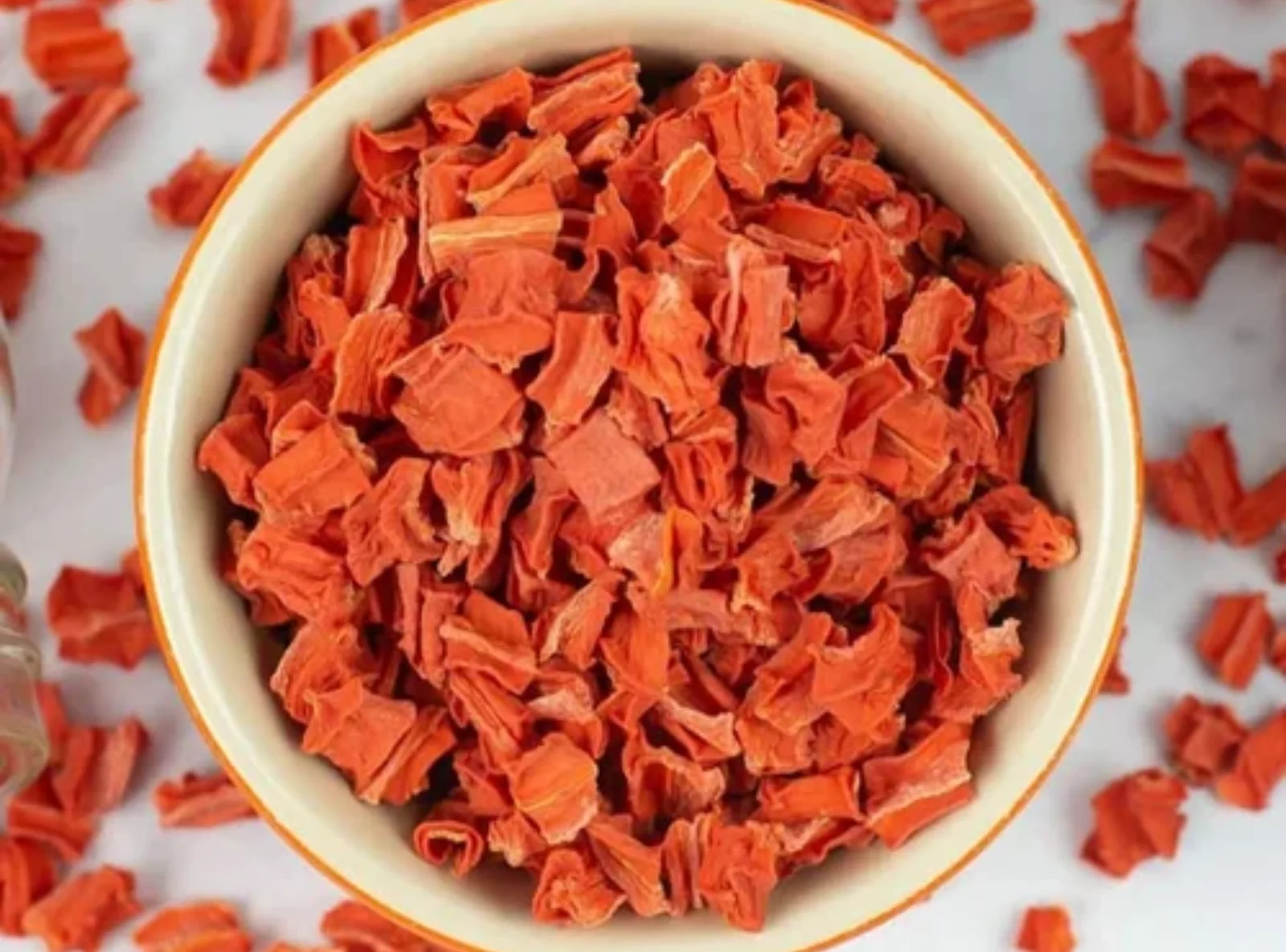
The catalogue covers typical Thai processed food lines: canned seafood such as mackerel, shrimp and clam (commonly classified under HS 1604 and HS 0306), canned fruits like lychee, peach and aloe vera (HS 2008), and a range of coconut derivatives - coconut water, coconut milk, coconut chips and coconut‑based snacks (HS 2009). Dehydrated fruits and vegetables follow standard moisture limits of 10‑12 % and are often sold in 5 kg or 25 kg bags. Rice products, including broken parboiled, rice flour and Basmati, are usually exported as HS 1006 with moisture content below 14 % and a grain length of 6‑8 mm for Basmati. Noodles & pasta and sauces such as ketchup fall under HS 1902 and HS 2103 respectively, with typical specifications including a minimum of 70 % dry matter for noodles and a pH range of 3.2‑3.8 for ketchup.
Trade and Export Information - Khumsub Asia Goods Trading Co., Ltd.
Thai exporters of canned seafood, rice and coconut products primarily ship to the European Union, United States, Middle East and Southeast Asian markets. HS chapter 16 (fish & crustaceans) and chapter 20 (cereals & cereal preparations) are the most frequently inspected categories, requiring phytosanitary certificates for fresh produce and HACCP‑type food safety documentation for processed items. Importers commonly request BRC, ISO 22000 or IFS certificates, especially when the goods are destined for retail chains. Standard export logistics involve FOB Bangkok Port or CIF to major ports, with container loads ranging from 20 ft (approximately 18 t of rice) to 40 ft (up to 22 t of canned seafood). Thailand’s export policy encourages compliance with EU food safety directives and US FDA prior‑notice requirements, which aligns with the supplier’s stated adherence to HACCP, ISO 22000 and other international standards.
Sourcing from Khumsub Asia Goods Trading Co., Ltd. - Buyer Guidance
Buyers should request the supplier’s HACCP, ISO 22000 and, where applicable, BRC or IFS certificates before placing orders. For canned fish, a product specification sheet should include net weight, packing material (e.g., tin‑plated steel cans with BPA‑free liners), shelf‑life (typically 24‑36 months) and a laboratory analysis confirming compliance with Codex maximum limits for heavy metals. Rice shipments should be accompanied by a moisture test report and a grain length measurement. Samples of coconut water, coconut milk and dried fruit are normally provided in 500 ml bottles or 1 kg pouches for quality verification. Verify container loading plans, labeling language requirements and any required pre‑shipment inspection reports for the destination country.
Frequently Asked Questions About Khumsub Asia Goods Trading Co., Ltd.
What main product categories does Khumsub Asia Goods Trading Co., Ltd. offer?
The supplier lists items under Canned Food, Dehydrated Fruits, Noodles & Pasta, Processed Fruit Products, Food Raw Material, Processed Food and Pickles & Sauces, covering both raw agricultural goods and processed convenience foods.
Which certifications does the supplier claim to hold?
The company mentions compliance with HACCP, ISO 22000, GMP, BRC, IFS, MSC, ASC, BAP, GAP, BSCI and Organic standards in its profile.
What types of canned seafood are available?
The catalogue includes Canned Mackerel (plain and in tomato sauce), Canned Shrimp, Canned Clam, Canned Pink Crabmeat and Canned Lump Crabmeat, all typical of HS 1604 fish and crustacean products.
Are rice products supplied in different forms?
Yes, the supplier provides Broken Parboiled Rice, Rice Flour, Rice Berry, Parboiled Rice, Broken White Rice, Long Grain Rice and Basmati Rice, which are usually exported under HS 1006.
What packaging formats are used for coconut‑based products?
Coconut Water and Organic Coconut Water are offered in cartons or PET bottles, Coconut Milk and Canned Coconut Milk in metal cans, while Coconut Chips and Coconut Bite are packed in resealable pouches or bulk bags.
What documentation should an importer request before purchasing?
Importers should ask for HACCP and ISO 22000 certificates, product specification sheets, laboratory test reports (e.g., heavy‑metal limits for seafood), moisture analysis for rice, and a phytosanitary certificate for any fresh or minimally processed items.
What are the typical shipment sizes for these products?
Standard container loads are 20 ft for bulk rice (approximately 18 t) and 40 ft for canned seafood or coconut products (up to 22 t), with goods palletised on Euro‑pallets or wooden crates according to HS‑code packaging guidelines.
Which markets commonly import Thai canned and processed foods?
Key import regions include the European Union, the United States, the Middle East and neighboring Asian countries, where buyers usually require compliance with EU food‑safety regulations or US FDA prior‑notice procedures.




 , Thailand