Nusanto — Verified Supplier
About Nusanto - Agricultural & Mineral Supplier in Indonesia
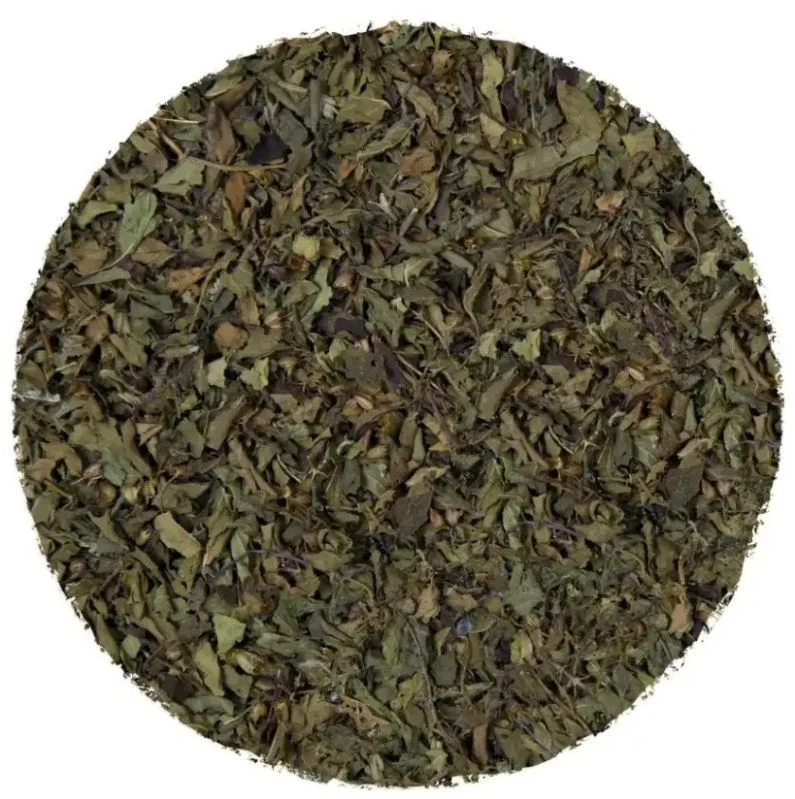
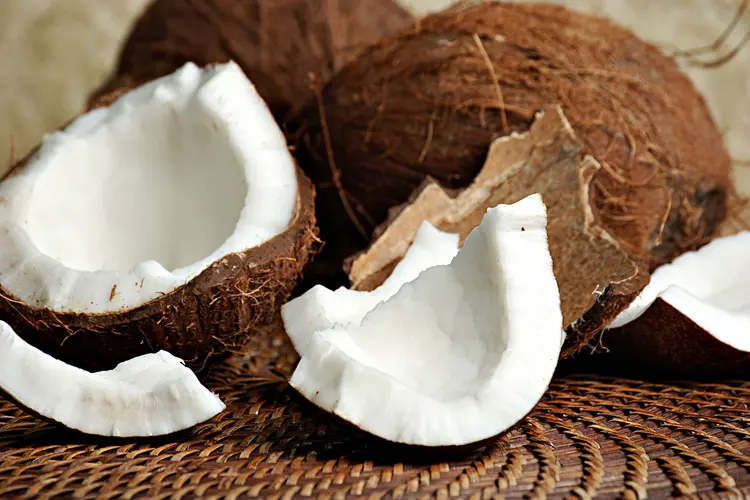
Indonesia hosts the supplier Nusanto, which currently lists 14 active products spanning agricultural, horticultural and mineral categories. The catalogue includes Aloe Vera leaf, brown sugar bars, cassava, pineapple, fresh ginger, coal, corn and corn kernels, coconut shell, rattan plate, mangosteen fruits, banana leaf, live mud crabs, fresh coconut and sunflower oil. Each item is grouped under broad HS‑code families such as 1301 for plant leaves, 1701 for refined sugars, 0704 for tubers, 0804 for tropical fruits, 0910 for spices, 2701 for coal, 1005 for cereals, 4407 for wood waste, 4602 for rattan, 0306 for live crustaceans and 1509 for vegetable oils. The supplier is classified in the “harbor” trust tier, indicating a moderate level of verification in the platform.
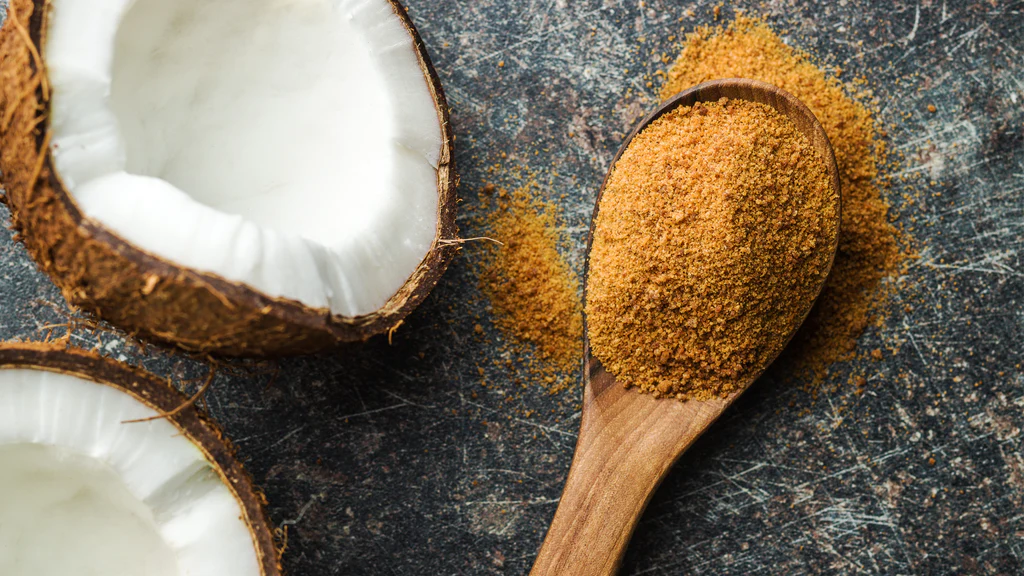
Products are offered in formats common to international trade: Aloe Vera leaf is supplied as fresh or dried foliage, brown sugar bars are packed in 25 kg cartons, cassava roots are shipped in bulk or 20 kg sacks, and pineapples arrive in 1 kg per piece cartons. Fresh ginger is typically bundled in 10 kg net weight packs, coal is delivered as bulk cargo in 30‑tonnage shipments, while corn kernels are bagged in 1 ton polypropylene bags. Coconut shell material is provided as raw shell pieces for industrial use, rattan plates are manufactured as finished furniture components, and mangosteen fruits are packed in 5 kg cartons. Live mud crabs are exported with a 24‑hour transit requirement under chilled conditions, and sunflower oil is offered in 200 L drums meeting food‑grade specifications.
Product Range and Specialties of Nusanto
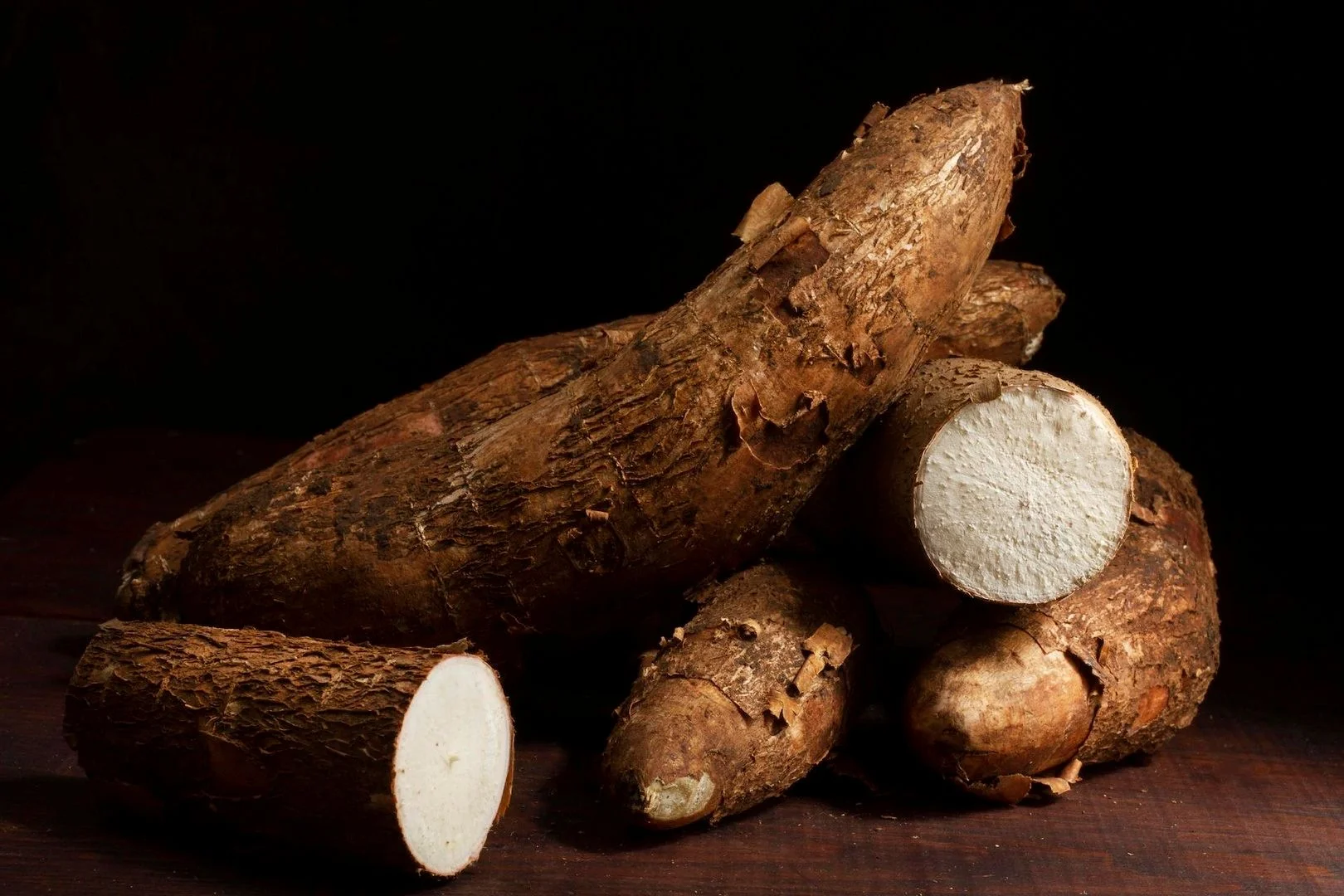
Nusanto’s catalogue covers a wide spectrum of Indonesian commodities. For Aloe Vera leaf, exporters generally target a leaf length of 20‑30 cm and a moisture content below 12 %, with phytosanitary clearance required. Brown sugar bars are commonly produced to ICUMSA 45 grade, with a sucrose purity of ≥ 99 % and moisture ≤ 5 %. Cassava roots destined for starch extraction are expected to have a starch content of 20‑25 % and a moisture level under 14 %.
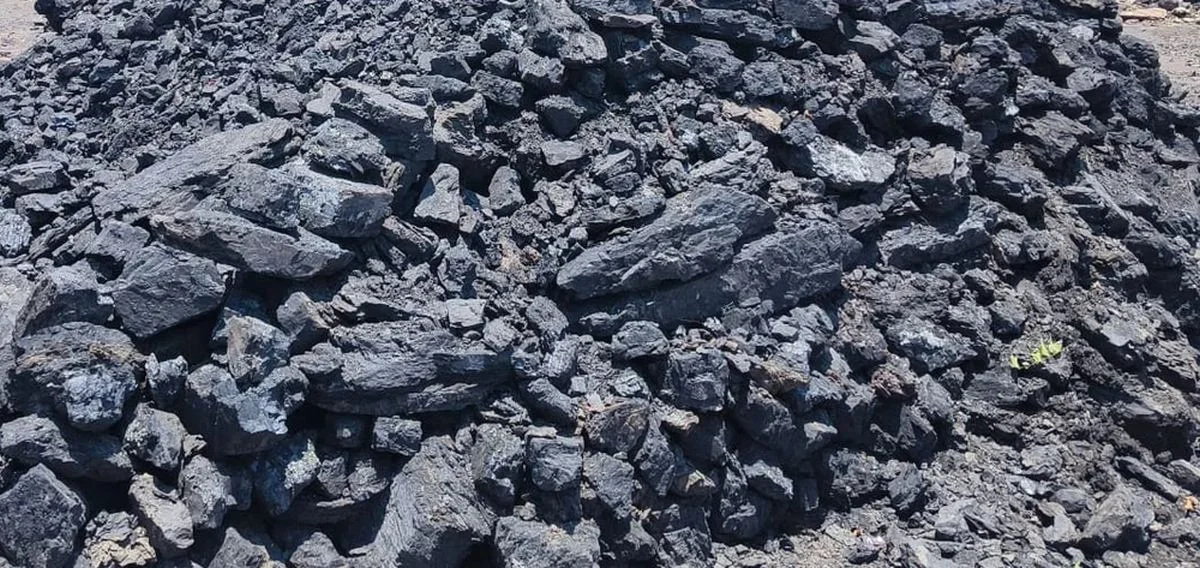
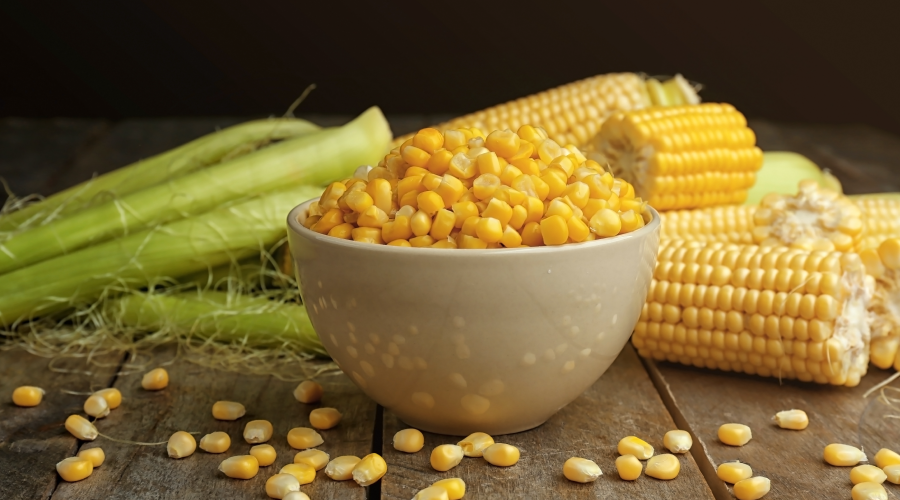
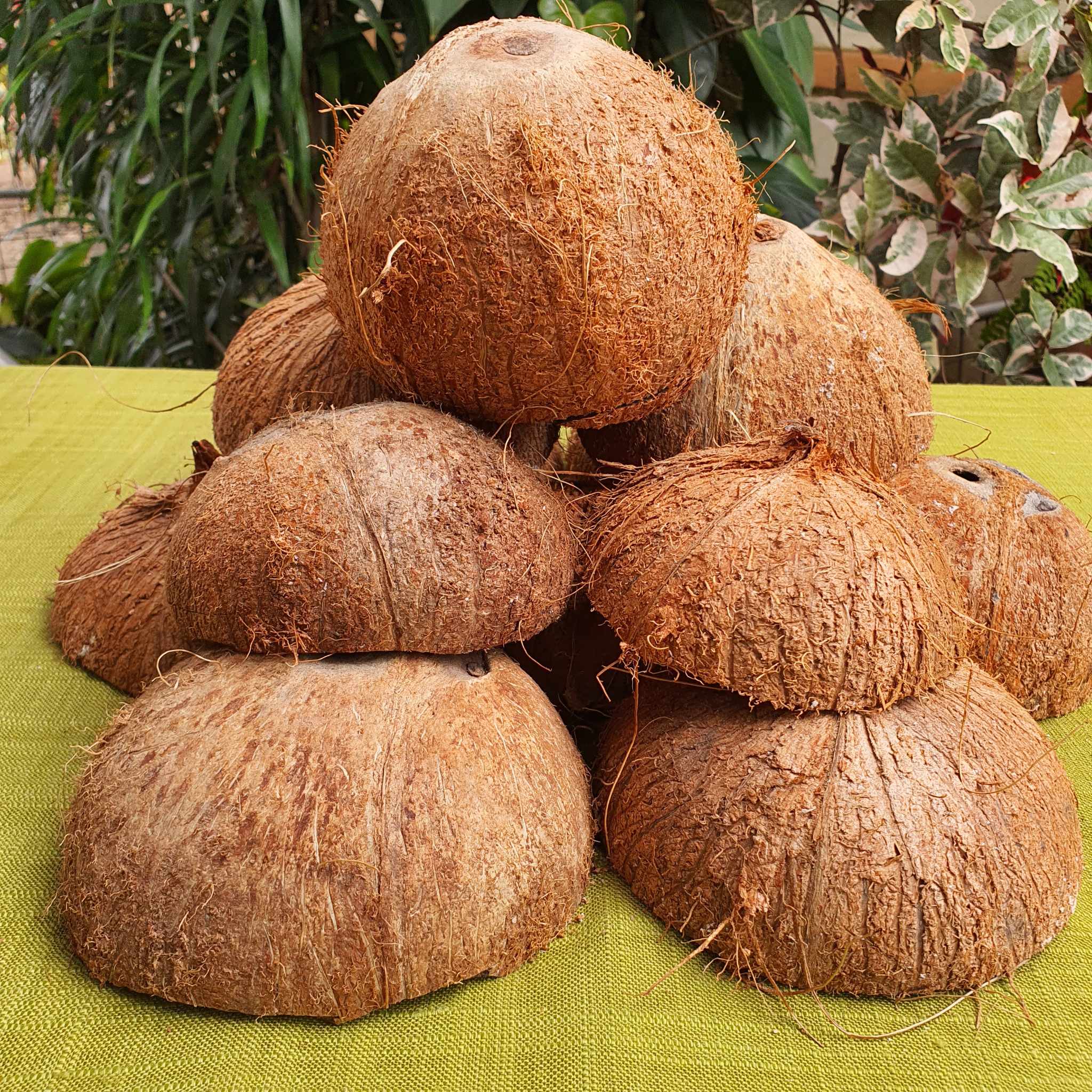
Fresh pineapples exported from Indonesia are usually graded A or B based on weight (1.0‑1.5 kg per fruit), external appearance and Brix values above 12 %. Ginger shipments typically meet a minimum gingerol content of 0.5 % and a moisture range of 8‑10 %. Coal from Indonesian mines is often classified as thermal coal with a calorific value of 5,000‑6,000 kcal/kg and ash content below 15 %. Corn kernels are graded by moisture (12‑14 %) and foreign matter less than 0.5 %. Coconut shells are supplied as clean, dry shells with size fractions of 20‑30 mm, while rattan plates are produced to a thickness of 3‑5 mm. Live mud crabs are graded by carapace width (6‑8 cm) and must be delivered with a live‑animal health certificate. Sunflower oil is typically refined to an acid value below 0.1 % and a peroxide value under 10 meq O₂/kg.
Trade and Export Information - Nusanto
Indonesia is a major exporter of tropical horticultural produce and mineral commodities to East Asia, the European Union, the Middle East and North America. Buyers of fresh Aloe Vera, pineapple, mangosteen and other fruits usually require phytosanitary certificates, HACCP compliance and, for some markets, organic certification. Sugar bars and corn are often shipped under CIF terms in 20‑ft containers, while bulk coal is transported by bulk carrier vessels to power‑generation hubs in China, Japan and South Korea.
Typical documentation includes a commercial invoice, packing list, certificate of origin, and where applicable a sanitary export certificate issued by the Indonesian Ministry of Agriculture. For edible oils such as sunflower oil, buyers frequently request a Certificate of Analysis confirming free fatty acid level, iodine value and absence of pesticide residues. Packaging standards follow ISO 9001 for container sealing and ISO 14001 for environmental handling of coal and wood waste. Freight forwarders commonly use 20‑ft or 40‑ft containers for solid goods, refrigerated containers for live mud crabs, and bulk carriers for coal shipments.
Sourcing from Nusanto - Buyer Guidance
Prospective buyers should request recent laboratory test reports for each commodity: ICUMSA grade for sugar, Brix or moisture analysis for fresh produce, calorific value for coal, and acid value for sunflower oil. Phytosanitary certificates and, where required, organic or fair‑trade verification should be confirmed before order confirmation. Verify that the supplier can provide an ISO‑9001 quality management system audit report if the buyer’s internal procedures demand it.
Samples are typically supplied in the same packaging as the commercial shipment; for fresh produce a 5 kg sample batch is standard, while a 1 L oil sample suffices for quality testing. Buyers should also check the supplier’s ability to meet standard Incoterms such as FOB Jakarta Port or CIF Shanghai, and confirm lead times - most fresh produce requires 7‑10 days from harvest to loading, whereas coal and raw shells may need 20‑30 days for bulk handling. Confirm packaging integrity (e.g., polypropylene bags for corn, sealed drums for oil) and ensure that the shipping method aligns with the product’s temperature and moisture sensitivities.
Frequently Asked Questions About Nusanto
What product categories does Nusanto offer?
Nusanto lists 14 items including Aloe Vera leaf, brown sugar bars, cassava roots, pineapple, fresh ginger, thermal coal, corn kernels, coconut shell pieces, rattan plates, mangosteen fruits, banana leaf, live mud crabs, fresh coconut and sunflower oil. Each commodity is presented under its respective HS‑code family for export classification.
How can I obtain a sample of the fresh produce?
The supplier can ship a 5 kg sample of each fruit or vegetable in insulated cardboard cartons. Samples are usually dispatched within 7 days of request, allowing the buyer to assess size, Brix and visual quality before confirming a full order.
Which certifications are commonly required for these Indonesian exports?
Buyers typically request phytosanitary certificates and HACCP or ISO 22000 food‑safety compliance for fresh produce. Sugar and oil shipments often need a Certificate of Analysis showing ICUMSA grade or acid value, while coal exports may require a coal quality test report and a certificate of origin.
What are the typical minimum order quantities (MOQs) for the listed products?
MOQs vary by commodity: fresh fruits such as pineapple or mangosteen are often ordered in full 20‑ft container loads (approximately 12 tons), corn or sugar bars in 1‑ton bags, coal in 30‑ton bulk shipments, and sunflower oil in 200 L drums with a minimum of 10 drums per order.
What are the standard lead times for shipment?
Fresh horticultural items generally need 7‑10 days from harvest to loading, while live mud crabs require a 24‑hour chilled transport window. Bulk commodities like coal or coconut shell may require 20‑30 days for processing, packaging and container loading.
Which Incoterms does Nusanto usually work with?
The supplier commonly offers FOB Jakarta Port and CIF to destination ports in China, Japan, the EU or the United States. These terms allow the buyer to select the most suitable responsibility for freight and insurance.
How is the product packaged for export?
Packaging follows industry norms: fresh fruits and vegetables are boxed in ventilated cardboard cartons, brown sugar bars in 25 kg wooden crates, corn and cassava in polypropylene bags, coal in bulk holds, coconut shells in bulk sacks, and sunflower oil in 200 L steel drums sealed with tamper‑evident caps. All packaging complies with relevant ISO standards for safety and durability.




 , Indonesia