Kabra Import Export Pvt. Ltd — Verified Supplier
About Kabra Import Export Pvt. Ltd - Sugar Supplier in India
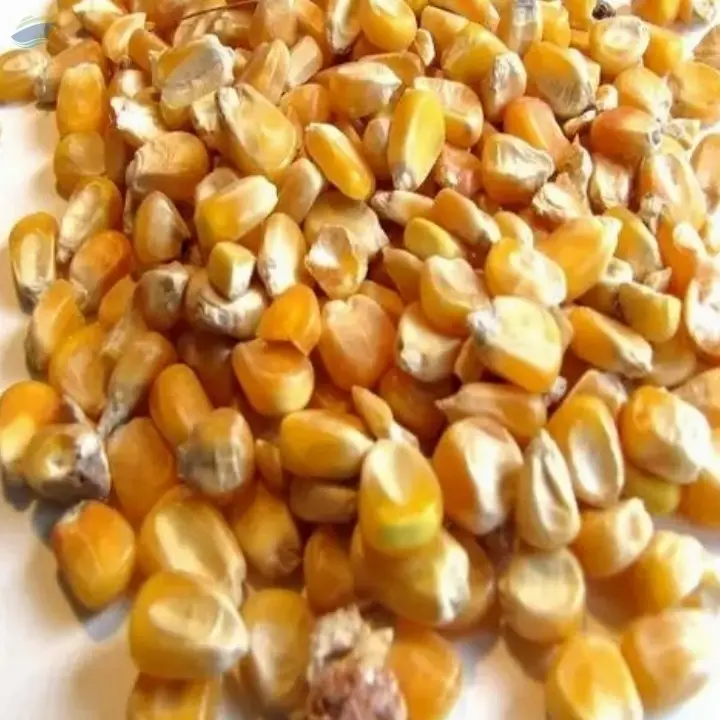
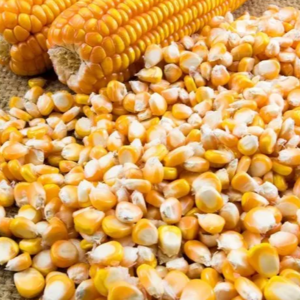
India‑based Kabra Import Export Pvt. Ltd lists 21 active products across food, agricultural and industrial categories. The catalogue includes multiple sugar grades such as Brazilian white crystal sugar ICUMSA 45, cane sugar ICUMSA 100, raw brown sugar and beet sugar, as well as staple grains like barley, wheat, corn (maize), soybean, pulses, oat and guar gum (cassia). In addition, the supplier offers processed food items, caustic soda, rock phosphate, silica sand, soda ash and a range of surveillance and home‑appliance equipment including cameras and TV/LCD/LED sets. Each product is identified by its standard HS‑code family - for example sugar falls under HS 1701, grains under HS 1001‑1008 and chemicals under HS 2836 - which guides customs classification for buyers.
The company’s product list reflects common export commodities from India, where sugar and cereals are among the top agricultural outputs and chemicals such as caustic soda and soda ash serve regional manufacturing hubs. The inclusion of surveillance equipment and consumer electronics aligns with India’s growing electronics manufacturing sector, which frequently ships to Africa, the Middle East and Southeast Asia. All items are presented without price information, focusing on specifications, grades and typical export logistics rather than promotional language.
Product Range and Specialties of Kabra Import Export Pvt. Ltd
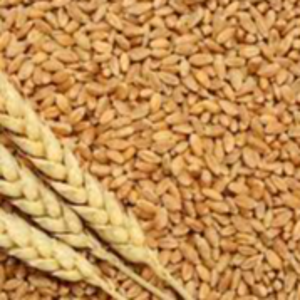
Kabra Import Export’s catalogue covers four main groups: food sugars, cereal grains and pulses, industrial chemicals/minerals, and electronic surveillance/home‑appliance goods. In the sugar segment the listed grades correspond to industry standards - ICUMSA 45 is a high‑purity white crystal sugar with ≤0.04 % ash, while ICUMSA 100 is a lower‑cost raw sugar often used for bulk processing. Grain listings such as barley, wheat, corn, soybean, oat and pulses typically meet moisture limits of 12‑14 % and protein specifications that range from 9 % for wheat to 30 % for soybeans, with standard export packaging of 25 kg polypropylene bags or bulk bulk‑truck loads. Chemical products like caustic soda, soda ash and rock phosphate are usually supplied at ≥99 % purity, accompanied by a Certificate of Analysis and packaged in 1‑ton or 20‑ton drums for bulk shipment. Surveillance equipment (cameras) and TV/LCD/LED units are generally shipped in wooden crates with CE and RoHS compliance, reflecting common export practices for Indian electronics.
Industry standards add context: sugar exporters from India often obtain FSSAI clearance and may be audited under ISO 9001; grain exporters must provide phytosanitary certificates and may be inspected under the EU’s RAPEX system for contaminants. Chemical exporters typically need a Material Safety Data Sheet (MSDS) and may be required to meet REACH registration for EU buyers. Electronics are commonly tested to IEC 60950‑1 for safety and IEC 62368‑1 for performance. These benchmarks help buyers compare Kabra’s offerings against global expectations.
Trade and Export Information - Kabra Import Export Pvt. Ltd
India is a major exporter of bulk food commodities, with sugar, wheat and pulses routinely shipped to the Middle East, Africa and Southeast Asian markets. HS 1701 (sugar) and HS 1001‑1008 (cereals and pulses) are among the most traded codes from the country, and buyers usually request FSSAI registration, phytosanitary certificates and laboratory test reports for contaminants such as pesticide residues. Industrial chemicals like caustic soda (HS 2836) and soda ash are exported to textile, glass and detergent manufacturers in the United States, Europe and the GCC, where buyers often require ISO 9001 quality management certification and a detailed MSDS. Mineral products such as rock phosphate and silica sand follow HS 2505 and are supplied to fertilizer and construction industries, with customs frequently demanding a Certificate of Origin and a non‑hazardous declaration. Electronic goods, classified under HS 8528‑8529, are shipped in 20‑ft or 40‑ft containers with CE marking and may be subject to additional testing under the destination country’s EMC regulations. Typical Incoterms used by Indian exporters include FOB Mumbai or CIF Dubai, with bulk shipments packed in 20‑ft containers for grains and chemicals, and specialized pallets for electronics.
Buyers importing from Kabra should verify that the supplier can provide the standard documentation for each product class: COA for sugars and chemicals, phytosanitary certificates for grains, MSDS for caustic soda and soda ash, and CE/ RoHS certificates for electronic items. Requesting pre‑shipment inspection reports from an accredited agency such as SGS or Bureau Veritas adds an extra layer of assurance, especially for high‑volume bulk orders. Packaging specifications - for example 25 kg bags for cereals, 1‑ton drums for chemicals, or reinforced wooden crates for TVs - should be confirmed to match the buyer’s logistics plan. Lead times for Indian bulk commodities typically range from 30 to 60 days after order confirmation, while electronics may require 45‑75 days depending on model and certification checks.
Sourcing from Kabra Import Export Pvt. Ltd - Buyer Guidance
When sourcing sugar from Kabra, ask for the latest ICUMSA analysis, moisture content and ash levels, together with a recent FSSAI registration copy. For grains and pulses, request a phytosanitary certificate, moisture and protein analysis, and a sample batch tested for mycotoxins such as aflatoxin B1. Chemical buyers should obtain a Certificate of Analysis showing purity (≥99 %), a full MSDS, and confirm that the product complies with REACH if destined for the EU. Electronics purchasers need to see CE and RoHS test reports, as well as an IEC compliance declaration, before arranging a sea‑freight shipment. Verify the HS code used on the commercial invoice matches the product description to avoid customs delays, and confirm the chosen Incoterm (FOB or CIF) aligns with the buyer’s preferred shipping arrangement. Finally, establish a minimum order quantity - usually 20 metric tonnes for bulk grains, 5 tonnes for chemicals and a single container (≈200 units) for electronics - and negotiate a pre‑shipment inspection if required.
Typical verification steps include reviewing the supplier’s export licence, confirming the presence of a valid Bank Guarantee or LC, and cross‑checking the Certificate of Origin with the Indian Chamber of Commerce. A positive response to these checks, together with timely provision of COA, MSDS and certification copies, indicates a reliable sourcing channel for the listed product categories.
Frequently Asked Questions About Kabra Import Export Pvt. Ltd
What product categories does Kabra Import Export Pvt. Ltd offer?
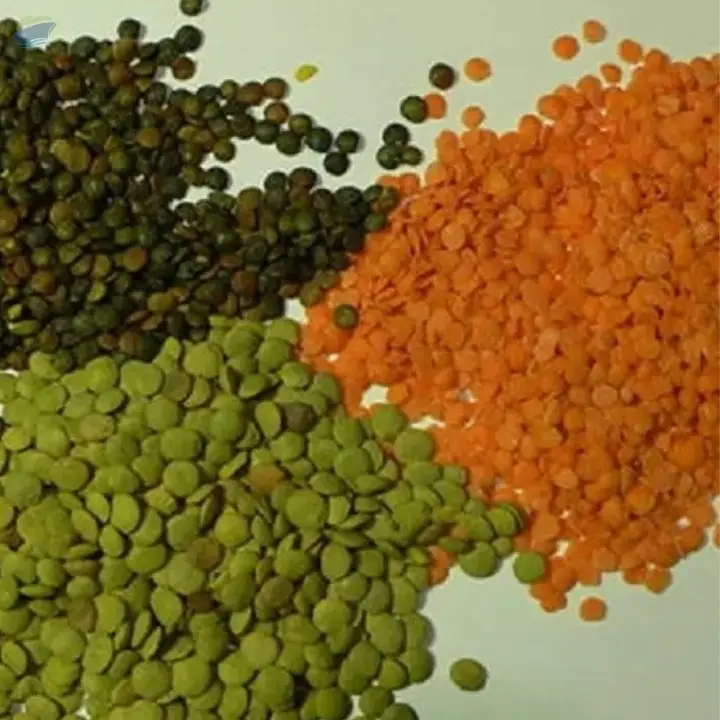
The company lists 21 products that include sugar grades (ICUMSA 45, ICUMSA 100), cereal grains such as barley, wheat, corn, soybean, oat and pulses, industrial chemicals like caustic soda, rock phosphate, silica sand and soda ash, processed food items, guar gum, and electronic surveillance equipment including cameras and TV/LCD/LED sets.
Which HS codes are relevant for Kabra’s main export items?
Typical HS‑code families are 1701 for sugar, 1001‑1008 for grains and pulses, 2836 for caustic soda and soda ash, 2505 for rock phosphate and silica sand, and 8528‑8529 for televisions and surveillance cameras.
What certifications should a buyer expect for Indian sugar imports?
Buyers usually request an FSSAI registration copy, an ICUMSA analysis report, and, where required, an ISO 9001 quality‑management certificate from the supplier.
How is barley typically packaged for export from India?
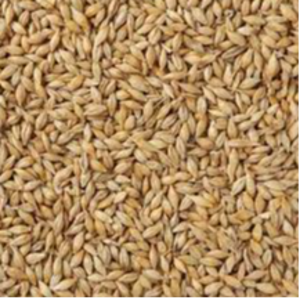
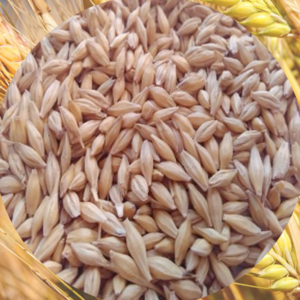
Barley is commonly packed in 25 kg polypropylene bags, stacked in 20‑ft containers, with a moisture limit of 12‑14 % and a protein content of 9‑12 % indicated on the lab report.
What documentation is needed to import caustic soda from India?
A Certificate of Analysis showing ≥99 % purity, a full Material Safety Data Sheet, a Certificate of Origin and, if the destination is the EU, a REACH registration confirmation are standard requirements.
What lead time is typical for bulk wheat shipments from Kabra?
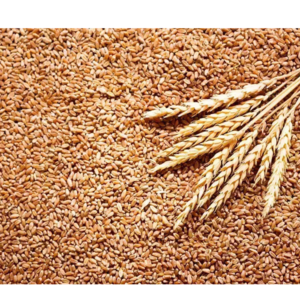
Bulk wheat orders are generally ready for shipment within 30‑45 days after order confirmation, assuming all certifications and payment terms are satisfied.
Which quality tests are common for processed food items supplied by Kabra?
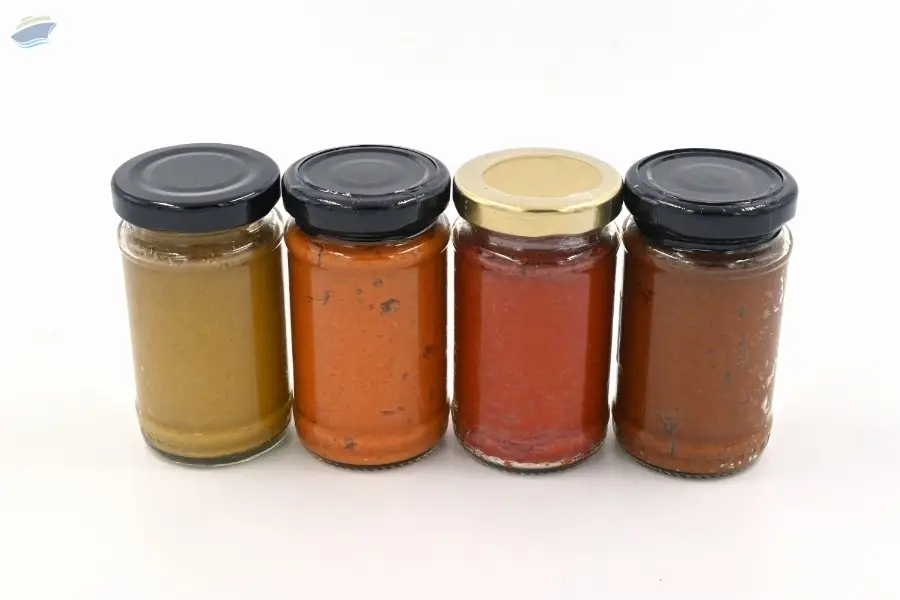
Processed foods are usually subject to microbiological testing for total plate count, yeast and mold, as well as checks for pesticide residues and compliance with the destination country’s food‑safety standards.
How can a buyer request a sample of Indian surveillance cameras?
Buyers can ask Kabra to send a functional sample in a sealed wooden crate; the supplier should provide a CE test report and a RoHS compliance statement along with the sample.




 , India




.jpg.png)