Agriculture›
 Apparel and fashion accessories›
 Construction & real estate›💡Electronic & Electrical›🍎Food & Beverages›🛋️Home furnishing & supplies›⚗️Industrial goods & chemical›🪨Minerals & metals›📦Miscellaneous›Agriculture›Apparel and fashion accessories›Construction & real estate›💡Electronic & Electrical›🍎Food & Beverages›🛋️Home furnishing & supplies›⚗️Industrial goods & chemical›🪨Minerals & metals›📦Miscellaneous›

Aquaglory International Limited
🚢 Voyage , United StatesEst. 2021-01-015(1 reviews)
Aquaglory International Limited Product Catalog

About Aquaglory International Limited - Cocoa Beans Supplier in United States
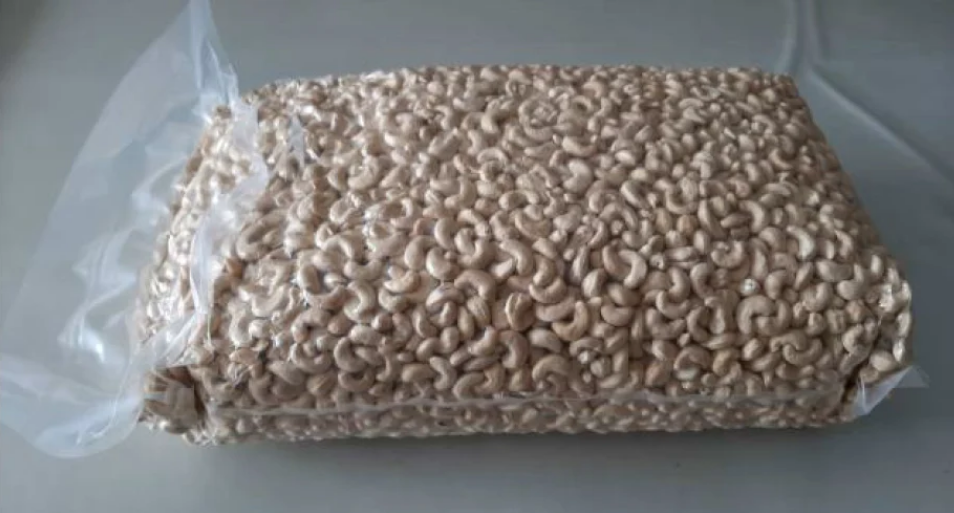
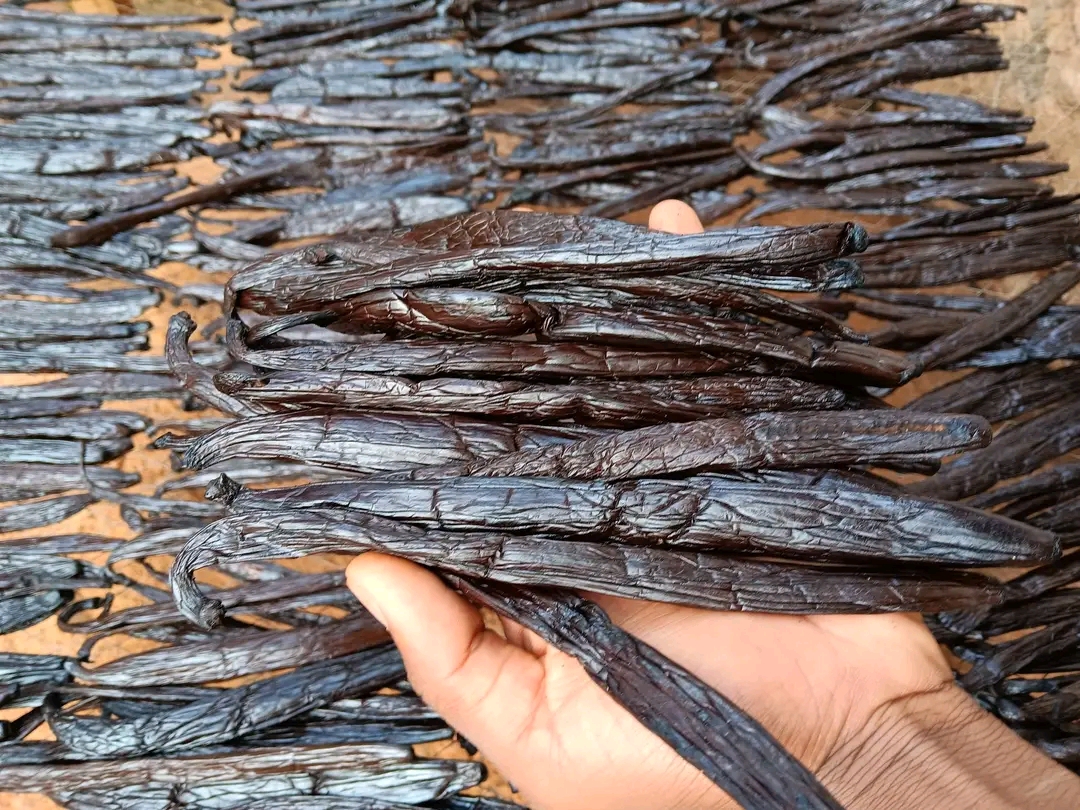
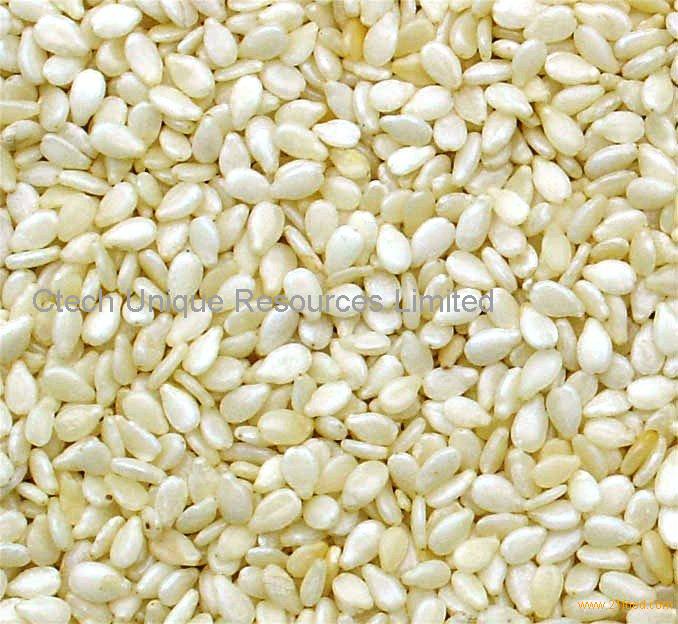
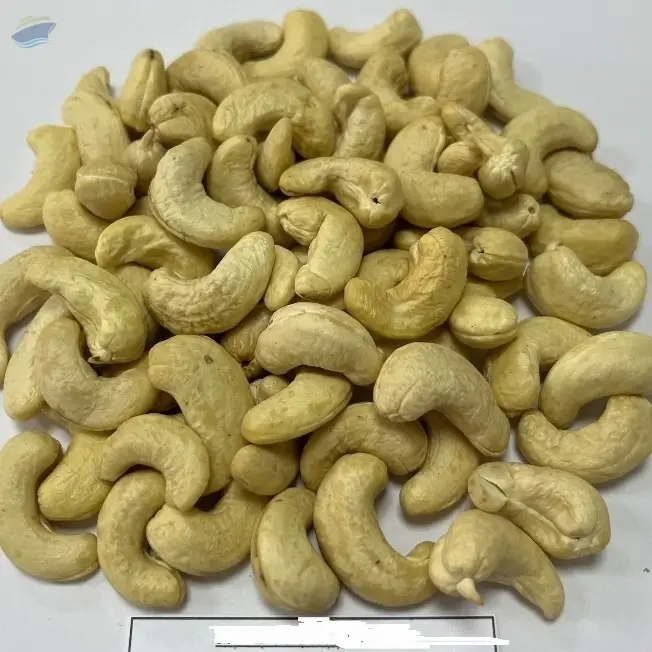
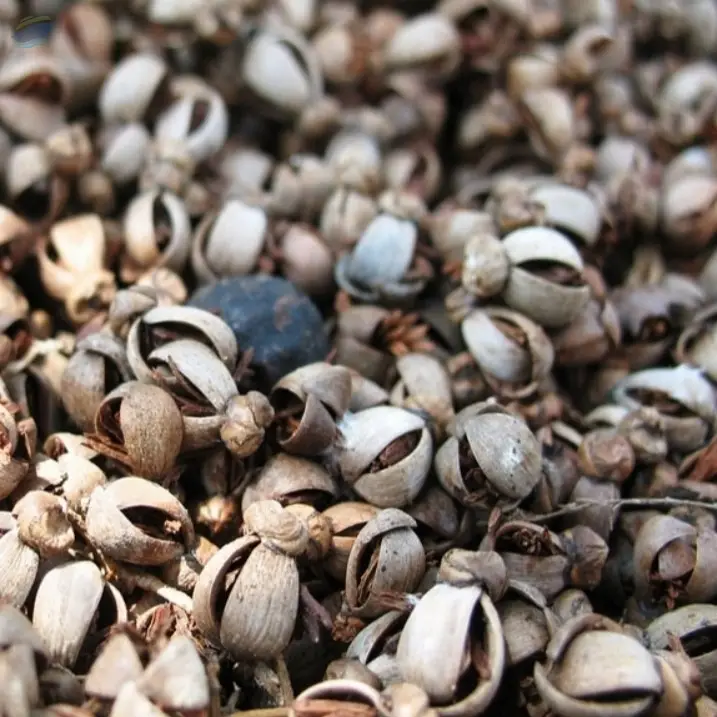
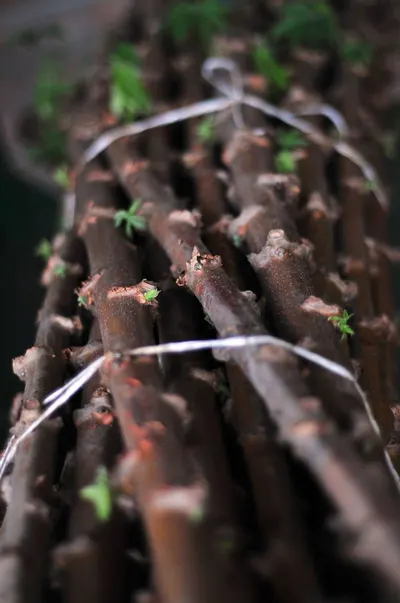
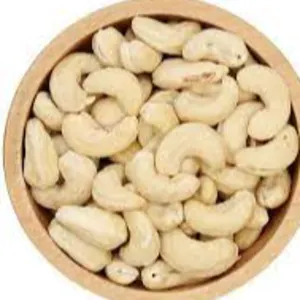
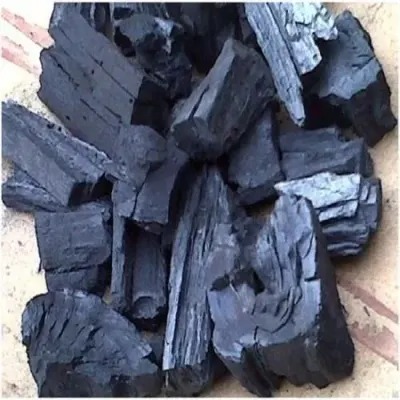
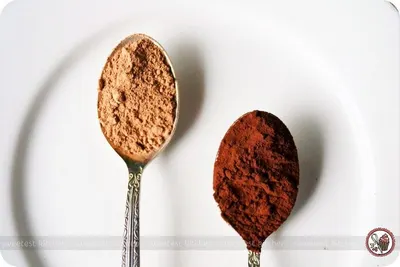
Aquaglory International Limited is based in Ohio, United States and currently lists seven active agricultural products. The company’s catalogue includes cocoa, charcoal, cashew beans, cassava tubers, sesame seeds, dried hibiscus flower (HS code 1211.90, 100 % natural food‑grade) and whole palm kernel nuts (HS code 1207.10, 95 %+ purity, moisture 7‑8 %). Each entry is recorded under the broader categories of cocoa beans, charcoal, nuts and seeds, tubers and dried flowers, reflecting the supplier’s focus on primary agricultural commodities and related equipment.
The supplier’s profile states involvement in production, sourcing and distribution of agricultural commodities as well as machinery for agricultural production. No additional corporate history, employee numbers or revenue figures are provided, limiting the factual description to the geographic location (Ohio, United States) and the seven listed product types together with their HS‑code designations where available.
Product Range and Specialties of Aquaglory International Limited
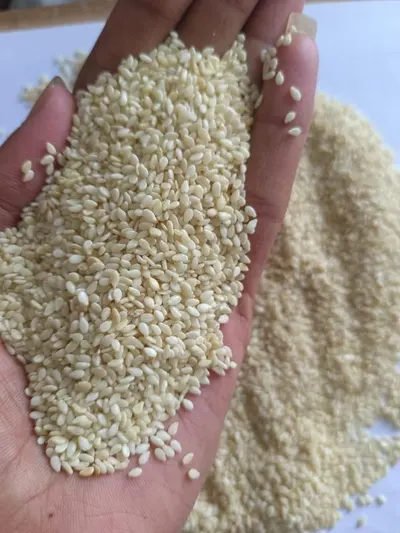
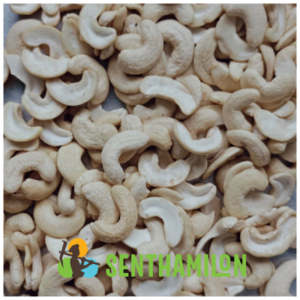
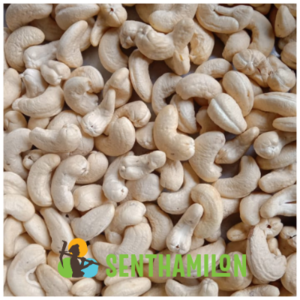
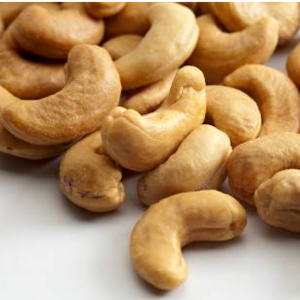
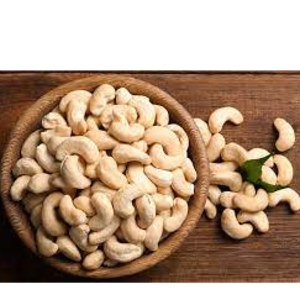
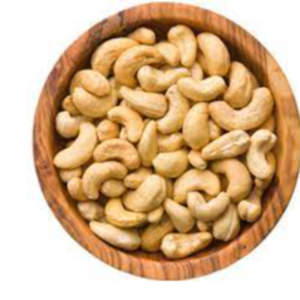
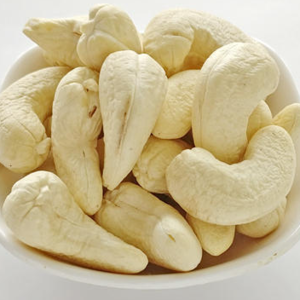
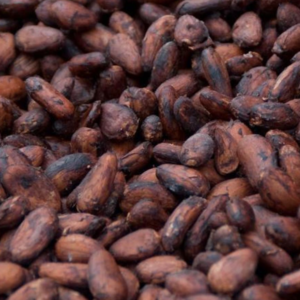
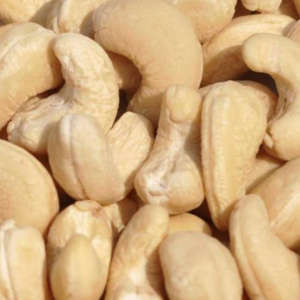
The catalogue covers cocoa beans, a core ingredient for chocolate manufacturing, alongside charcoal used for fuel and industrial processes. Cashew beans and palm kernel nuts are listed with specific purity and moisture specifications, while cassava tubers and sesame seeds represent staple starch and oilseed crops. Dried hibiscus flower (HS 1211.90) is a food‑grade botanical used in beverages and extracts. In the cocoa sector, buyers typically look for beans graded by size, moisture (≤7 %), ferment quality and ICUMSA 45‑70 color standards. Charcoal is commonly evaluated by fixed carbon content, ash percentage and particle size, with lump or briquette formats. Cashew kernels are classified by grade (e.g., W‑180, W‑250), moisture (<5 %) and aflatoxin limits. Palm kernel nuts are assessed for oil content (≈55‑60 %), moisture (7‑8 %) and shell‑to‑kernel ratio. Sesame seeds are graded by hull removal, oil content (≈50‑55 %) and moisture (<6 %). Hibiscus dried flowers are usually required to have moisture below 12 % and a uniform red hue.
Frequently Asked Questions About Aquaglory International Limited
What HS codes are associated with Aquaglory International Limited’s products?
The catalogue lists HS code 1211.90 for dried hibiscus flower and HS code 1207.10 for whole palm kernel nuts. Other products such as cocoa, charcoal, cashew beans, cassava tubers and sesame are listed without specific HS codes in the supplied data.
How can I verify the purity and moisture specifications of the palm kernel nuts?
The supplier states a purity of 95 %+ and moisture between 7 % and 8 %. Request a recent lab analysis report or a certificate of analysis that includes these parameters before placing an order.
What quality parameters are typical for cocoa beans from this supplier?
Buyers usually check bean size, moisture (≤7 %), ferment quality and ICUMSA color grade (45‑70). Ask the supplier for a bean grading sheet and any recent moisture or fermentation reports.
Which certifications should I request for the dried hibiscus flower?
Typical certifications include a food‑grade certificate, pesticide residue test, moisture analysis (<12 %) and a phytosanitary certificate. If organic status is required, request the corresponding organic certification.
What packaging formats are used for the cassava tubers?
While the specific packaging is not detailed in the facts, cassava tubers are commonly shipped in bulk on breathable burlap sacks or stacked in ventilated wooden crates to prevent moisture buildup during transit.
United StatesRelated Suppliers & Products
Explore similar suppliers, related products and trending categories
.jpg.png)