Synesis Ltd — Verified Trader & Wholesale Supplier
About Synesis Ltd - Spice Seeds Supplier in Isle of Man
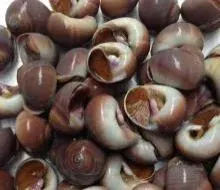
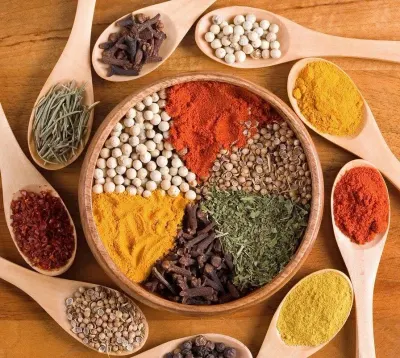
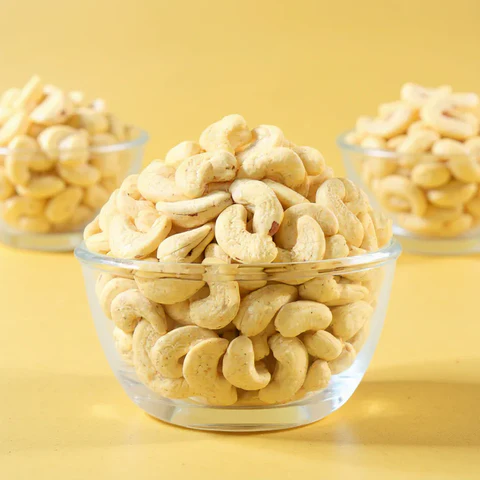
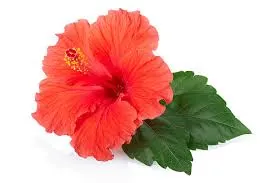
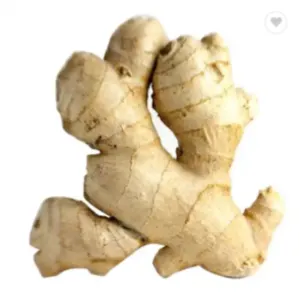
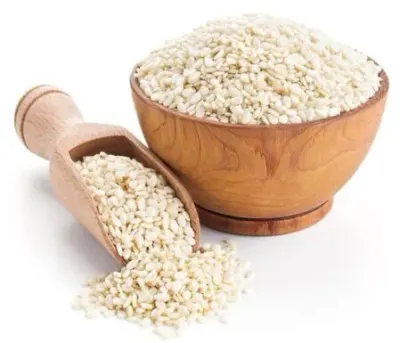
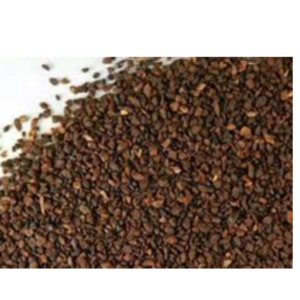
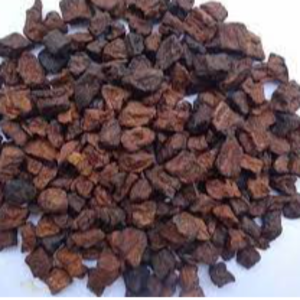
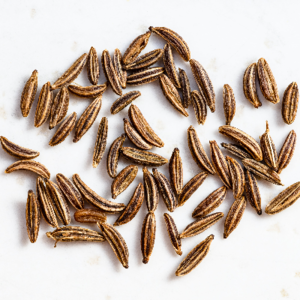
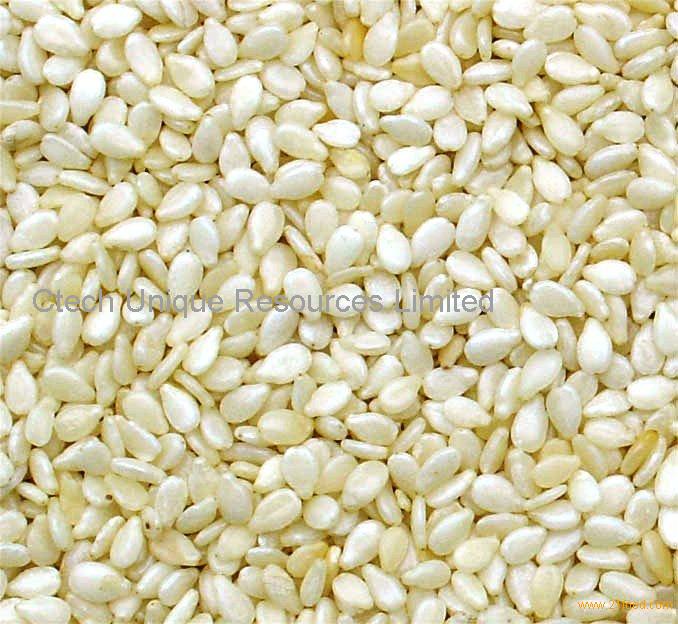
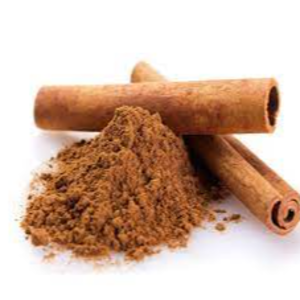
Synesis Ltd is registered in Castletown on the Isle of Man and currently lists eight active products in its catalogue. The catalogue covers a mix of spice seeds, dried botanicals, nuts, frozen vegetables and an edible mollusk, each identified with a specific HS‑code family such as 1207.40 for sesame seeds and 0910.11 for dry split ginger. The company’s top categories include Spice Seeds, Ginger Tea, Turmeric, Fruit Seeds, Vegetable Seeds, Mustard Seeds, Poppy Seeds and Sesame Seeds, reflecting a focus on raw agro‑commodities suitable for further processing. All product entries specify the material source, for example “Sesamum Indicum Seeds” for sesame and “Cinnamomum cassia bark, dried and processed” for cassia, providing clear commodity definitions for buyers. The eight listed items are: Sesame Seeds (HS 1207.40), Dry Split Ginger (HS 0910.11), Dried Hibiscus Sabdariffa (HS 0712.90), Cashew Nuts (HS 1515.90), Spices - Whole Celery Seeds (HS 0909.11), Cassia bark (HS 0906.19), Frozen Yam (HS 0714.90) and Giant African Land Snails (HS 0307.60). Each entry includes the botanical name and a brief material description, allowing importers to match the listing with standard commodity specifications used in global trade. No additional company history or financial data is provided in the source material.
Product Range and Specialties of Synesis Ltd
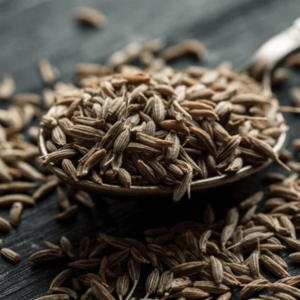
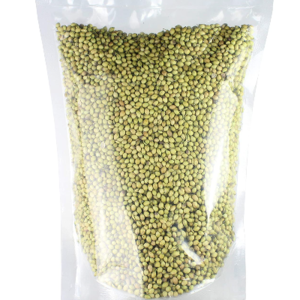
The catalogue’s seed segment features sesame, celery, mustard, poppy and other spice seeds, which in international trade are commonly graded by size (e.g., 2 mm - 3 mm), colour (white, off‑white) and purity levels such as 98 % - 99 % for whole seeds. For sesame, buyers often request hulled or unhulled variants with moisture below 6 % and oil content around 50 %. Dry split ginger is typically classified as Grade A when moisture does not exceed 12 % and the split pieces are uniform in length (10 mm - 20 mm). Dried hibiscus calyces are graded by colour intensity and moisture under 10 %, while cashew kernels are evaluated by shell‑removal percentage (W320 standard) and aflatoxin limits under 10 µg/kg. Cassia bark is sorted by bark length (30 mm - 60 mm) and moisture below 12 %. Frozen yam roots are usually supplied in 20 kg or 25 kg cartons, frozen at - 18 °C, with Brix values around 18 % for consistent processing quality. Giant African land snails are traded as fresh or frozen edible mollusks, with size classifications (e.g., 30 mm - 60 mm shell length) and strict sanitary controls. Typical packaging includes food‑grade polyethylene bags, 25 kg bulk bags for seeds and nuts, and insulated containers for frozen items, allowing loading into standard 20‑ft or 40‑ft containers.
Trade and Export Information - Synesis Ltd
Isle of Man operates as a free‑port hub, enabling re‑export of African‑origin agro‑commodities under the HS‑code families listed. Exporters of spices, seeds and nuts from this region generally serve the European Union, the Middle East and Southeast Asian food‑manufacturing sectors, where demand for organic and high‑purity inputs is strong. HS 0909, HS 1207 and HS 1515 families are subject to EU food safety regulations, requiring compliance with EU Regulation 1169/2011 on food information and, for nuts, the EU maximum limits for aflatoxins (2 µg/kg for total aflatoxins). Common certifications requested by buyers include ISO 22000 or HACCP for food safety management, organic certification (e.g., EU organic logo) when the supplier markets an organic tier, and phytosanitary certificates issued by the exporting authority. Logistics for the eight products typically involve 20‑ft containers for bulk seeds and nuts (approximately 20 t per container) and refrigerated containers for frozen yam and edible snails, with standard Incoterms such as FOB Castletown or CIF European ports. Documentation normally includes a commercial invoice, packing list, certificate of origin, phytosanitary certificate and, where applicable, a laboratory analysis report for moisture, pesticide residues and microbial limits.
Sourcing from Synesis Ltd - Buyer Guidance
When sourcing from Synesis Ltd, buyers should request a product data sheet that lists moisture content, purity percentage, size grading and any organic certification details. Samples should be examined for colour, uniformity and tested for pesticide residues, aflatoxins (for nuts) and microbial load to meet EU or US import thresholds. Verify that the supplier can provide a phytosanitary certificate for botanical products and a certificate of origin confirming the African source, as customs authorities often require these for HS 0906, HS 0910 and HS 1207 entries. Typical minimum order quantities range from 500 kg for seed commodities to 5 t for bulk nuts, with lead times of 30‑45 days from order confirmation to shipment, depending on seasonal harvest cycles. Buyers should also confirm container loading plans, especially for frozen yam and land snails, to ensure temperature‑controlled logistics are in place.
Frequently Asked Questions About Synesis Ltd
What HS codes are used for the products offered by Synesis Ltd?
The catalogue assigns HS 1207.40 to sesame seeds, HS 0910.11 to dry split ginger, HS 0712.90 to dried hibiscus calyces, HS 1515.90 to cashew nuts, HS 0909.11 to whole celery seeds, HS 0906.19 to cassia bark, HS 0714.90 to frozen yam and HS 0307.60 to giant African land snails.
Which certifications should a buyer request from Synesis Ltd?
Buyers should ask for an organic certification if required, a phytosanitary certificate for all plant‑based items, and food‑safety certifications such as ISO 22000 or HACCP. Additional laboratory analysis reports for moisture, pesticide residues and aflatoxin limits are standard for spices, nuts and dried botanicals.
What are the typical minimum order quantities for the seed products?
Seed commodities such as sesame, celery and mustard are commonly ordered in batches of at least 500 kg, which fits standard 25 kg bulk‑bag packaging and allows efficient loading into a 20‑ft container.
How are frozen products like yam and land snails shipped?
Frozen yam and edible snails are shipped in refrigerated containers (reefers) maintained at - 18 °C or lower. They are usually packed in insulated pallets with food‑grade polyethylene liners to preserve quality during transit.
What quality parameters are most important for the cashew nuts?
Cashew nuts are evaluated on shell‑removal percentage (W320 standard), moisture content below 6 %, oil content around 50 % and aflatoxin levels under 10 µg/kg. Buyers typically request a COA confirming these parameters before final acceptance.
Can I obtain samples before placing a full order?
Synesis Ltd can provide sample quantities ranging from 5 kg to 20 kg for seeds, spices and nuts, and smaller refrigerated samples (up to 2 kg) for frozen yam and snails. Samples are shipped with accompanying test reports for moisture and purity.
What packaging formats are used for bulk shipments?
Bulk seeds and nuts are packed in 25 kg food‑grade polyethylene bags, stacked in 20‑ft containers (approximately 20 t capacity). Frozen products are placed in insulated pallets with temperature‑controlled liners, and snails are boxed in sealed, vacuum‑packed trays to meet sanitary standards.
Which markets typically import the products listed by Synesis Ltd?
The primary import markets include the European Union, the United Arab Emirates, Saudi Arabia and Southeast Asian countries such as Thailand and Vietnam, where food manufacturers source organic and high‑purity spices, seeds and nuts for processed foods and confectionery.




 , Isle of Man