DHN International — Verified Manufacturer & Wholesale Supplier

About DHN International - Herbs Supplier in India

India, specifically Ahmedabad in the state of Gujarat, is the location of DHN International. The company lists 13 active products in its public catalogue, covering herbs, spices, dried flowers and a few textile‑related vegetable powders. Each item is identified with an HS‑code that falls within the 0900, 1200, 1300 and 3912 families, reflecting spices, medicinal plants, vegetable products and polymer‑type powders. The catalogue includes both seed forms such as coriander and cumin, leaf material like Senna and Cassia alata, and processed powders such as CMT‑8 and Senna extract. Packaging formats range from bulk powders to dried seed bags, matching common export practices for Indian herbal commodities.

Product Range and Specialties of DHN International

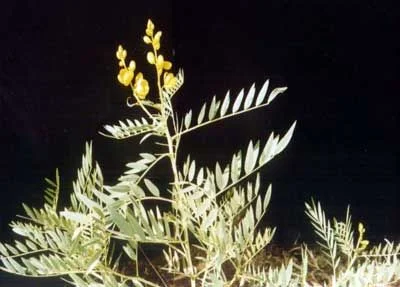
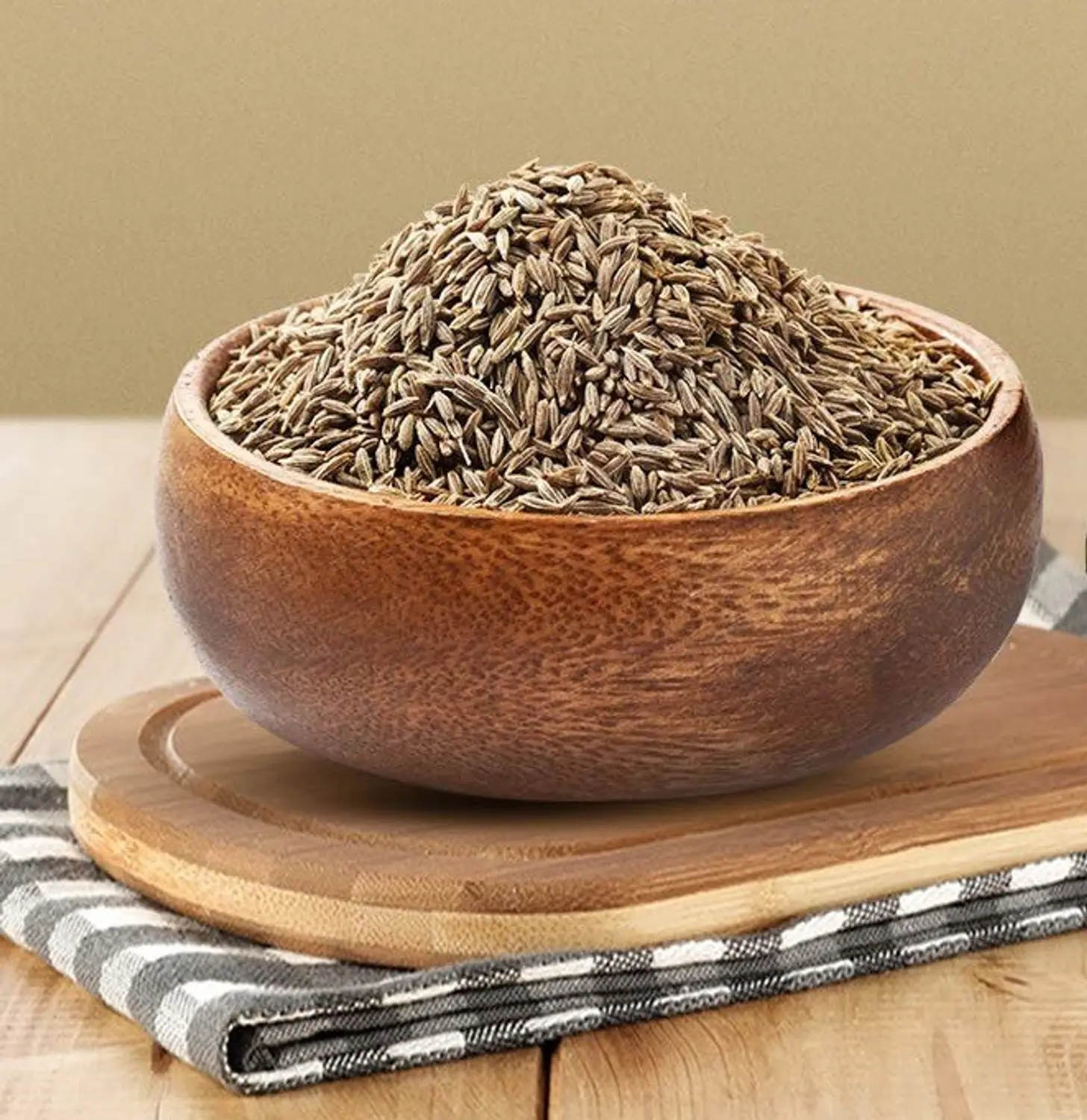
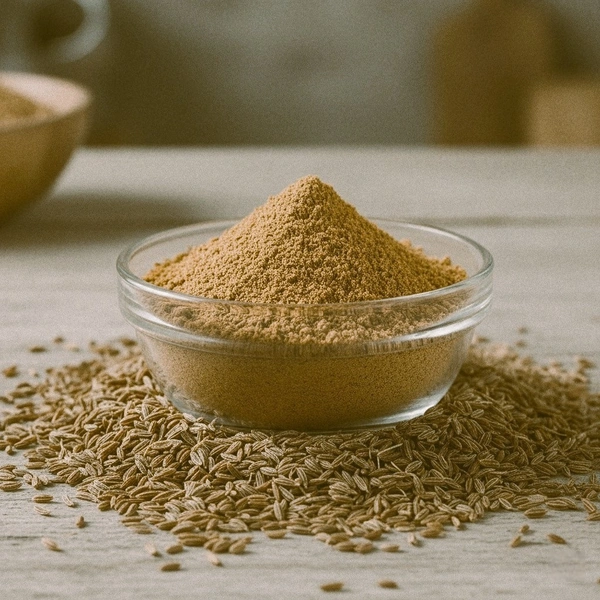
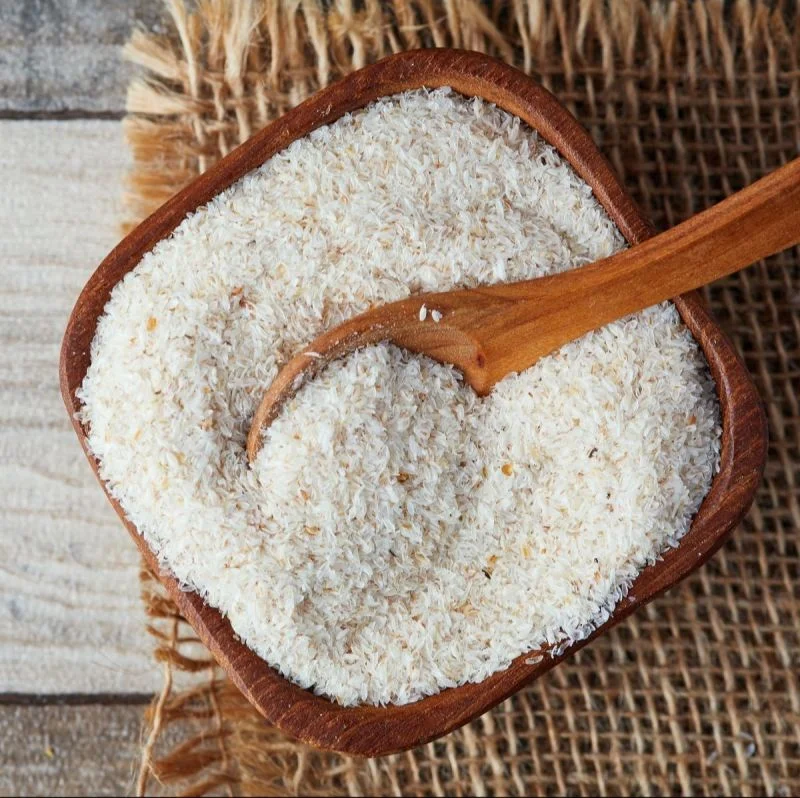
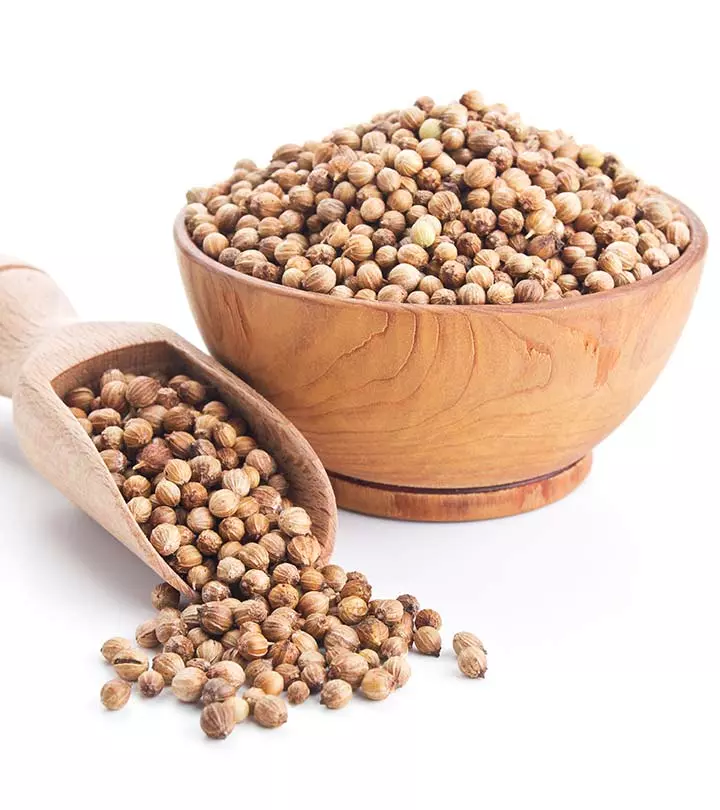
The listed catalogue items comprise CMT‑8 powder (HS 3912.31), coriander seeds (HS 0909.21), Cassia Angustifolia Senna leaves (HS 1211.20), Guar churi - natural guar seed husk (HS 1301.90), Senna pods (HS 1211.90), Senna extract (HS 1302.19), as well as Senna leaves/pods/extracts, Cassia Tora seed, cumin seeds, psyllium husk, dried safflower petals and Cassia alata leaves & T‑cuts. In the herb and spice trade, coriander seeds are typically graded by seed size (>5 mm), moisture below 12 % and ash under 2 %. Cumin seeds usually target oil content above 40 % and moisture under 10 %. Senna leaf material is evaluated for leaf size, colour and pesticide residue compliance. Psyllium husk is expected to have purity above 95 % and husk length of 1‑3 mm. Dried safflower petals are commonly shipped with moisture below 8 % and free of microbial contamination. Standard export packaging includes 25 kg multi‑layer jute bags for bulk herbs and sealed poly‑bags for powdered extracts, often consolidated into 20 ft or 40 ft containers.

Trade and Export Information - DHN International

India is a major exporter of medicinal herbs and spices, with the European Union, United States and Middle East being the largest destination markets. HS chapter 09 covers spices such as coriander, while chapter 12 includes dried medicinal plants like Senna and Cassia, and chapter 13 covers vegetable products and extracts. International buyers usually require certifications such as ISO 22000 or ISO 9001 for food safety, FSSAI registration, and where organic claims are made, USDA Organic or EU organic certificates. A phytosanitary certificate and a Certificate of Analysis are standard regulatory documents, and shipments are typically arranged on FOB or CIF terms using 20 ft or 40 ft containers, with moisture‑controlled pallets for powdered products.

Sourcing from DHN International - Buyer Guidance

When sourcing from DHN International, buyers should request a current Certificate of Analysis that details moisture, ash, pesticide residues and microbial limits for each herb or spice. A phytosanitary certificate confirming compliance with the importing country’s plant health regulations, as well as any organic or quality‑management certificates, should be obtained before finalising the order. Verify the HS code classification provided in the catalogue against the intended customs tariff, and request a sample - typically 1 kg of the bulk product - to confirm particle size, colour and purity before committing to larger volumes.

Frequently Asked Questions About DHN International

What herbal and spice products are listed by DHN International?

The catalogue includes CMT‑8 powder, coriander seeds, Cassia Angustifolia (Senna leaves), Guar churi (guar seed husk), Senna pods, Senna extract, Senna leaves/pods/extracts, Cassia Tora seed, cumin seeds, psyllium husk, dried safflower petals and Cassia alata leaves & T‑cuts.

Which HS codes are associated with the listed products?

The listed HS codes are 3912.31 for CMT‑8 powder, 0909.21 for coriander seeds, 1211.20 for Cassia Angustifolia leaves, 1301.90 for Guar churi, 1211.90 for Senna pods and 1302.19 for Senna extract. Other items fall under the same HS chapters 09, 12 or 13 according to Indian customs classification.

What typical quality specifications should a buyer verify for these herbs and spices?

Buyers usually require moisture below 12 % for coriander and below 10 % for cumin, pesticide residues meeting EU limits, microbial counts under 10³ CFU/g and a verified origin certificate. For powders such as CMT‑8 and Senna extract, purity above 95 % and particle‑size distribution complying with ISO 3310 are common checks.

What certifications are generally expected from Indian herb exporters?

Exporters commonly hold ISO 22000 or ISO 9001 quality‑management certification, FSSAI registration and, when applicable, USDA Organic or EU organic certification. Buyers should request the relevant certificates together with a recent laboratory analysis report.

How are these products typically packaged for international shipment?

Standard packaging includes 25 kg multi‑layer jute bags for bulk herbs, 1 ton bulk containers for powders and sealed poly‑bag packs for dried petals. Loads are usually palletised and dispatched in 20 ft or 40 ft containers.

What documentation should a buyer request before placing an order?

A buyer should obtain a Certificate of Analysis, a Phytosanitary Certificate, the HS‑code declaration and any organic or quality‑management certificates. A sample test report confirming moisture, ash and pesticide limits is also advisable.


Other Suppliers in Herbs

Top Trusted Suppliers

Related Products in Herbs

Trending in Parent Category

More Suppliers in Parent Category

Related Products

Other Suppliers

EximNext
58.4K+ live requirements
Register Free🎁 5 free buy-lead credits
Post Requirement
🌍 Trusted by 224.4K+ businesses in 200+ countries|
58.4K+ active requirements right now
✉️ [email protected]
|
Sell on EximNextPost Requirement
EximNext
AgricultureApparelConstructionElectronicFoodHomeIndustrialMineralsMiscellaneous
🔥 Deals|✨ AI Match|🏭 Suppliers|📋 Buy Leads|💰 Trade Finance|⭐ Upgrade
58.4K+ live RFQs·194.4K+ suppliers
🎁 5 free credits →
EximNext
EximNext
Register Free
🎁 5 free buy-lead credits
Sign In
📋Post Requirement💬Get QuotesAI Match📋RFQ Marketplace
All Categories
Services & Tools
🏭Supplier Directory🔥Today's Deals💰Trade FinanceMembership
Sell on EximNext
AboutContactBlogHelp
DHN International

DHN International

🚢 Voyage
Country flag Ahmedabad, IndiaEst. 2017-01-01
🏆
9+
Years in Business
🛡️
64/100
Trust Score

DHN International Product Catalog

Showing 12 of 13 products
View all products →
Senna Leaves Pods & Extracts
🚢 Voyage
Senna Leaves Pods & Extracts
Contact
MOQ: 1 Unit
Cassia Tora seed (Cassia Obtusifolia)
🚢 Voyage
Cassia Tora seed (Cassia Obtusifolia)
Contact
MOQ: 1 Unit
Cumin Seeds
🚢 Voyage
Cumin Seeds
Contact
MOQ: 1 Unit
Cumin Seed
🚢 Voyage
Cumin Seed
Contact
MOQ: 1 Unit
Psyllium Husk Seed
🚢 Voyage
Psyllium Husk Seed
Contact
MOQ: 1 Unit
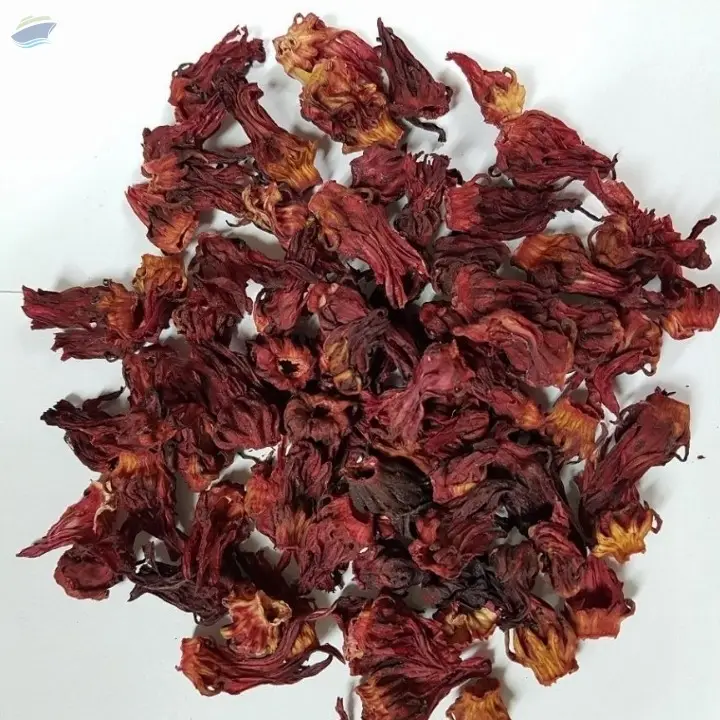
Dried Safflower Petals
🚢 Voyage
Dried Safflower Petals
Contact
MOQ: 1 Unit
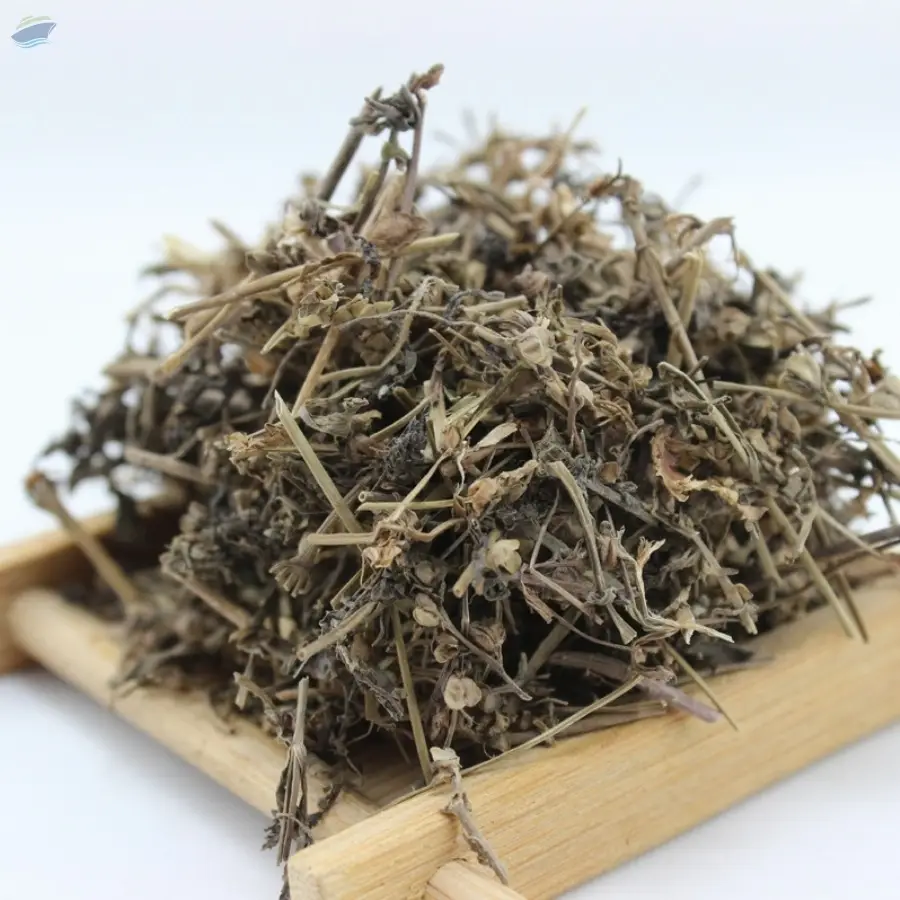
Cassia alata Leaves & T-Cuts (Candle bush)
🚢 Voyage
Cassia alata Leaves & T-Cuts (Candle bush)
Contact
MOQ: 1 Unit
Senna extract
🚢 Voyage
Senna extract
Contact
MOQ: 1 Unit
Senna pods
🚢 Voyage
Senna pods
Contact
MOQ: 1 Unit
Guar churi
🚢 Voyage
Guar churi
Contact
MOQ: 1 Unit
Cassia Angustifolia (Senna leaves)
🚢 Voyage
Cassia Angustifolia (Senna leaves)
Contact
MOQ: 1 Unit
Coriander seeds
🚢 Voyage
Coriander seeds
Contact
MOQ: 1 Unit

About DHN International - Herbs Supplier in India

India, specifically Ahmedabad in the state of Gujarat, is the location of DHN International. The company lists 13 active products in its public catalogue, covering herbs, spices, dried flowers and a few textile‑related vegetable powders. Each item is identified with an HS‑code that falls within the 0900, 1200, 1300 and 3912 families, reflecting spices, medicinal plants, vegetable products and polymer‑type powders. The catalogue includes both seed forms such as coriander and cumin, leaf material like Senna and Cassia alata, and processed powders such as CMT‑8 and Senna extract. Packaging formats range from bulk powders to dried seed bags, matching common export practices for Indian herbal commodities.

Product Range and Specialties of DHN International

The listed catalogue items comprise CMT‑8 powder (HS 3912.31), coriander seeds (HS 0909.21), Cassia Angustifolia Senna leaves (HS 1211.20), Guar churi - natural guar seed husk (HS 1301.90), Senna pods (HS 1211.90), Senna extract (HS 1302.19), as well as Senna leaves/pods/extracts, Cassia Tora seed, cumin seeds, psyllium husk, dried safflower petals and Cassia alata leaves & T‑cuts. In the herb and spice trade, coriander seeds are typically graded by seed size (>5 mm), moisture below 12 % and ash under 2 %. Cumin seeds usually target oil content above 40 % and moisture under 10 %. Senna leaf material is evaluated for leaf size, colour and pesticide residue compliance. Psyllium husk is expected to have purity above 95 % and husk length of 1‑3 mm. Dried safflower petals are commonly shipped with moisture below 8 % and free of microbial contamination. Standard export packaging includes 25 kg multi‑layer jute bags for bulk herbs and sealed poly‑bags for powdered extracts, often consolidated into 20 ft or 40 ft containers.

Trade and Export Information - DHN International

India is a major exporter of medicinal herbs and spices, with the European Union, United States and Middle East being the largest destination markets. HS chapter 09 covers spices such as coriander, while chapter 12 includes dried medicinal plants like Senna and Cassia, and chapter 13 covers vegetable products and extracts. International buyers usually require certifications such as ISO 22000 or ISO 9001 for food safety, FSSAI registration, and where organic claims are made, USDA Organic or EU organic certificates. A phytosanitary certificate and a Certificate of Analysis are standard regulatory documents, and shipments are typically arranged on FOB or CIF terms using 20 ft or 40 ft containers, with moisture‑controlled pallets for powdered products.

Sourcing from DHN International - Buyer Guidance

When sourcing from DHN International, buyers should request a current Certificate of Analysis that details moisture, ash, pesticide residues and microbial limits for each herb or spice. A phytosanitary certificate confirming compliance with the importing country’s plant health regulations, as well as any organic or quality‑management certificates, should be obtained before finalising the order. Verify the HS code classification provided in the catalogue against the intended customs tariff, and request a sample - typically 1 kg of the bulk product - to confirm particle size, colour and purity before committing to larger volumes.

Frequently Asked Questions About DHN International

What herbal and spice products are listed by DHN International?

The catalogue includes CMT‑8 powder, coriander seeds, Cassia Angustifolia (Senna leaves), Guar churi (guar seed husk), Senna pods, Senna extract, Senna leaves/pods/extracts, Cassia Tora seed, cumin seeds, psyllium husk, dried safflower petals and Cassia alata leaves & T‑cuts.

Which HS codes are associated with the listed products?

The listed HS codes are 3912.31 for CMT‑8 powder, 0909.21 for coriander seeds, 1211.20 for Cassia Angustifolia leaves, 1301.90 for Guar churi, 1211.90 for Senna pods and 1302.19 for Senna extract. Other items fall under the same HS chapters 09, 12 or 13 according to Indian customs classification.

What typical quality specifications should a buyer verify for these herbs and spices?

Buyers usually require moisture below 12 % for coriander and below 10 % for cumin, pesticide residues meeting EU limits, microbial counts under 10³ CFU/g and a verified origin certificate. For powders such as CMT‑8 and Senna extract, purity above 95 % and particle‑size distribution complying with ISO 3310 are common checks.

What certifications are generally expected from Indian herb exporters?

Exporters commonly hold ISO 22000 or ISO 9001 quality‑management certification, FSSAI registration and, when applicable, USDA Organic or EU organic certification. Buyers should request the relevant certificates together with a recent laboratory analysis report.

How are these products typically packaged for international shipment?

Standard packaging includes 25 kg multi‑layer jute bags for bulk herbs, 1 ton bulk containers for powders and sealed poly‑bag packs for dried petals. Loads are usually palletised and dispatched in 20 ft or 40 ft containers.

What documentation should a buyer request before placing an order?

A buyer should obtain a Certificate of Analysis, a Phytosanitary Certificate, the HS‑code declaration and any organic or quality‑management certificates. A sample test report confirming moisture, ash and pesticide limits is also advisable.

About DHN International - Herbs Supplier in India

India, specifically Ahmedabad in the state of Gujarat, is the location of DHN International. The company lists 13 active products in its public catalogue, covering herbs, spices, dried flowers and a few textile‑related vegetable powders. Each item is identified with an HS‑code that falls within the 0900, 1200, 1300 and 3912 families, reflecting spices, medicinal plants, vegetable products and polymer‑type powders. The catalogue includes both seed forms such as coriander and cumin, leaf material like Senna and Cassia alata, and processed powders such as CMT‑8 and Senna extract. Packaging formats range from bulk powders to dried seed bags, matching common export practices for Indian herbal commodities.

Product Range and Specialties of DHN International

The listed catalogue items comprise CMT‑8 powder (HS 3912.31), coriander seeds (HS 0909.21), Cassia Angustifolia Senna leaves (HS 1211.20), Guar churi - natural guar seed husk (HS 1301.90), Senna pods (HS 1211.90), Senna extract (HS 1302.19), as well as Senna leaves/pods/extracts, Cassia Tora seed, cumin seeds, psyllium husk, dried safflower petals and Cassia alata leaves & T‑cuts. In the herb and spice trade, coriander seeds are typically graded by seed size (>5 mm), moisture below 12 % and ash under 2 %. Cumin seeds usually target oil content above 40 % and moisture under 10 %. Senna leaf material is evaluated for leaf size, colour and pesticide residue compliance. Psyllium husk is expected to have purity above 95 % and husk length of 1‑3 mm. Dried safflower petals are commonly shipped with moisture below 8 % and free of microbial contamination. Standard export packaging includes 25 kg multi‑layer jute bags for bulk herbs and sealed poly‑bags for powdered extracts, often consolidated into 20 ft or 40 ft containers.

Trade and Export Information - DHN International

India is a major exporter of medicinal herbs and spices, with the European Union, United States and Middle East being the largest destination markets. HS chapter 09 covers spices such as coriander, while chapter 12 includes dried medicinal plants like Senna and Cassia, and chapter 13 covers vegetable products and extracts. International buyers usually require certifications such as ISO 22000 or ISO 9001 for food safety, FSSAI registration, and where organic claims are made, USDA Organic or EU organic certificates. A phytosanitary certificate and a Certificate of Analysis are standard regulatory documents, and shipments are typically arranged on FOB or CIF terms using 20 ft or 40 ft containers, with moisture‑controlled pallets for powdered products.

Sourcing from DHN International - Buyer Guidance

When sourcing from DHN International, buyers should request a current Certificate of Analysis that details moisture, ash, pesticide residues and microbial limits for each herb or spice. A phytosanitary certificate confirming compliance with the importing country’s plant health regulations, as well as any organic or quality‑management certificates, should be obtained before finalising the order. Verify the HS code classification provided in the catalogue against the intended customs tariff, and request a sample - typically 1 kg of the bulk product - to confirm particle size, colour and purity before committing to larger volumes.

Frequently Asked Questions About DHN International
What herbal and spice products are listed by DHN International?
The catalogue includes CMT‑8 powder, coriander seeds, Cassia Angustifolia (Senna leaves), Guar churi (guar seed husk), Senna pods, Senna extract, Senna leaves/pods/extracts, Cassia Tora seed, cumin seeds, psyllium husk, dried safflower petals and Cassia alata leaves & T‑cuts.
Which HS codes are associated with the listed products?
The listed HS codes are 3912.31 for CMT‑8 powder, 0909.21 for coriander seeds, 1211.20 for Cassia Angustifolia leaves, 1301.90 for Guar churi, 1211.90 for Senna pods and 1302.19 for Senna extract. Other items fall under the same HS chapters 09, 12 or 13 according to Indian customs classification.
What typical quality specifications should a buyer verify for these herbs and spices?
Buyers usually require moisture below 12 % for coriander and below 10 % for cumin, pesticide residues meeting EU limits, microbial counts under 10³ CFU/g and a verified origin certificate. For powders such as CMT‑8 and Senna extract, purity above 95 % and particle‑size distribution complying with ISO 3310 are common checks.
What certifications are generally expected from Indian herb exporters?
Exporters commonly hold ISO 22000 or ISO 9001 quality‑management certification, FSSAI registration and, when applicable, USDA Organic or EU organic certification. Buyers should request the relevant certificates together with a recent laboratory analysis report.
How are these products typically packaged for international shipment?
Standard packaging includes 25 kg multi‑layer jute bags for bulk herbs, 1 ton bulk containers for powders and sealed poly‑bag packs for dried petals. Loads are usually palletised and dispatched in 20 ft or 40 ft containers.
What documentation should a buyer request before placing an order?
A buyer should obtain a Certificate of Analysis, a Phytosanitary Certificate, the HS‑code declaration and any organic or quality‑management certificates. A sample test report confirming moisture, ash and pesticide limits is also advisable.

DHN International
DHN International
Country flag Ahmedabad, India
🚢 Voyage
64/100
Trust Score
📦
13
Products
Free to contact — no commission
Escrow payment available
Verified business identity
Compare more suppliers
Post a requirement — get 10 quotes free
Let verified suppliers compete for your business. Free, fast, no commitment.
EximNext Verified Supplier
Business identity verified
Physical address confirmed
Financial history checked
Certifications authenticated
Trade references validated
Due Diligence
Verify this supplier's real shipping history.
Every shipment, every buyer, every port. Trade data that can't be faked.
Run due diligence →
Discover More

Related Suppliers & Products

Explore similar suppliers, related products and trending categories

Other Suppliers in Herbs

Top Trusted Suppliers

Related Products in Herbs

Trending in Parent Category

More Suppliers in Parent Category

Stay ahead in global trade
Weekly market insights & new supplier alerts.
EximNext
Exim Next is a leading global B2B marketplace, connecting over 205,000 verified suppliers and buyers across 200+ countries. As a trusted import export marketplace, it serves as the essential B2B portal for businesses worldwide, empowering them to expand their international reach. With Exim Next, businesses can trade smarter and grow faster.
SECURE PAYMENTS
VISAMastercardPayPalSWIFTL/CEscrow
Follow us
© 2026 EximNext