Luggard Impex Nigeria Limited — Verified Trader & Wholesale Supplier
About Luggard Impex Nigeria Limited - Agro Commodities Supplier in Nigeria
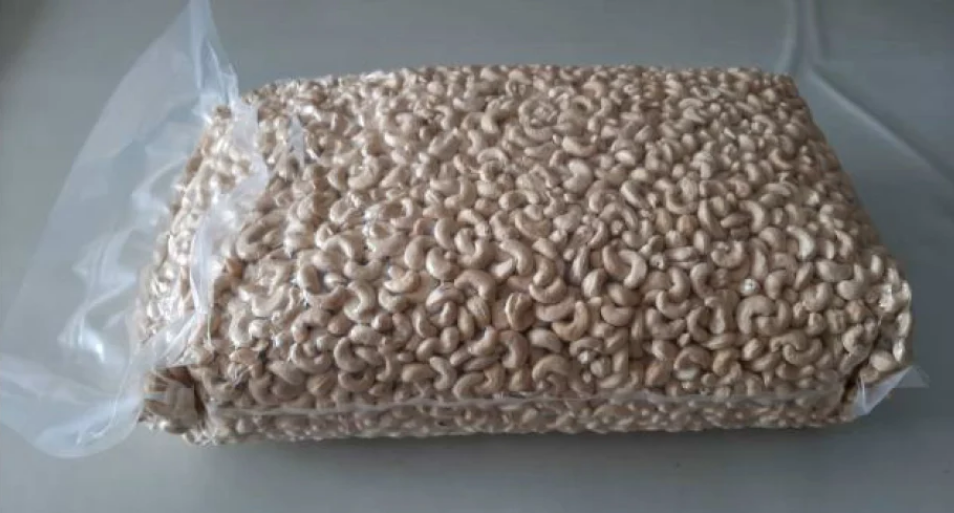
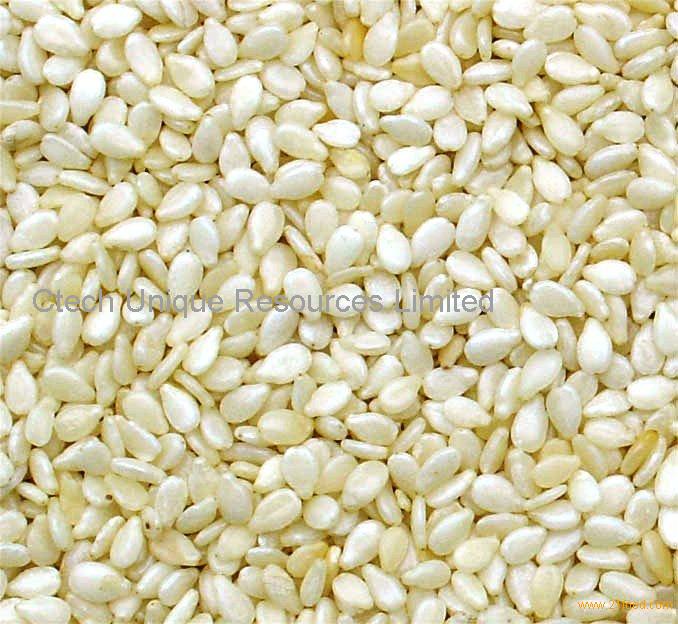
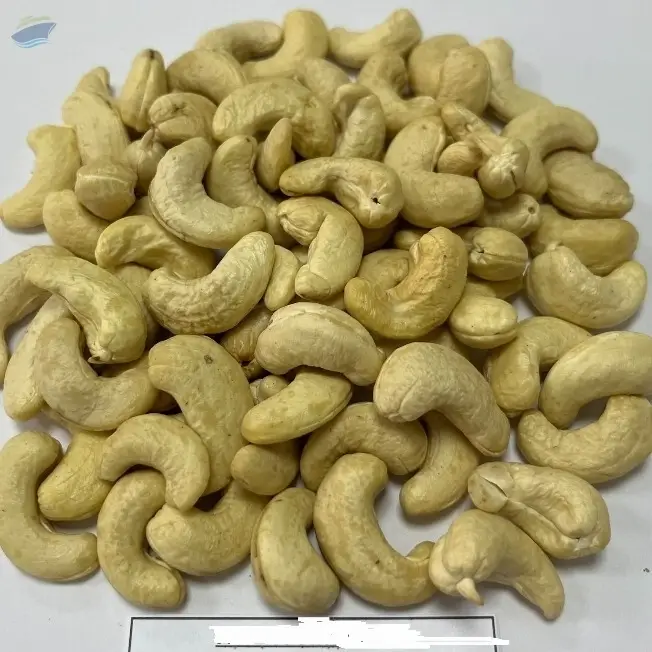
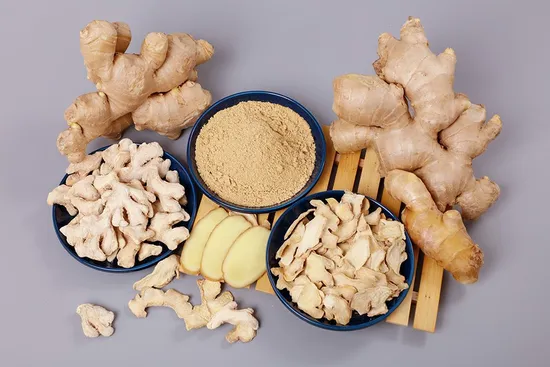
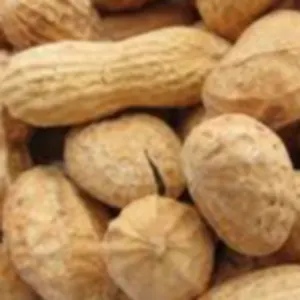
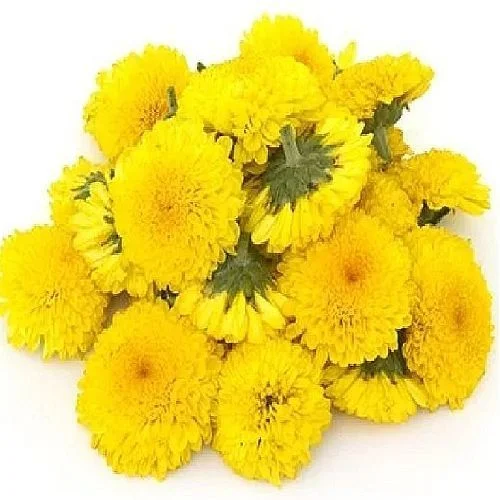
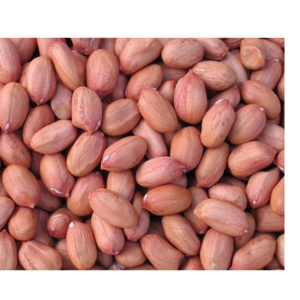
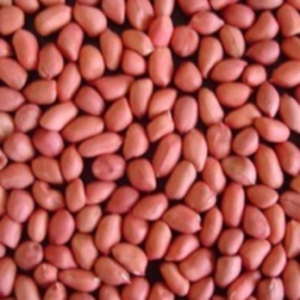
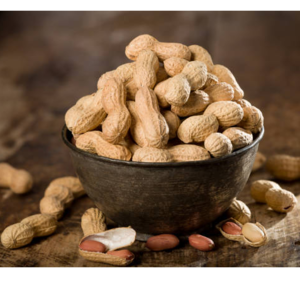
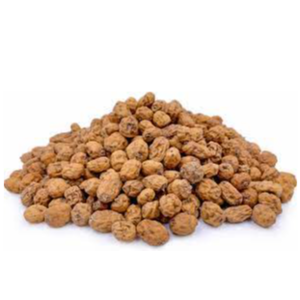
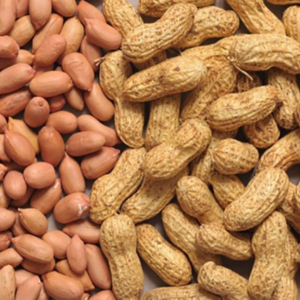
Nigeria, the supplier's country of origin, lists seven active agro‑commodity products. Luggard Impex Nigeria Limited’s catalogue includes organic tigernuts (HS 1212.99, Cyperus esculentus), cashew kernels (HS 1515.90, Anacardium occidentale), sesame seeds (HS 1207.40, Sesamum indicum), dried hibiscus flowers (HS 0603.90, Hibiscus sabdariffa), organic groundnut kernels (HS 1202.30, Arachis hypogaea), dried ginger root (HS 0910.11, Zingiber officinale) and dried cassava root slices (HS 0714.10, Manihot esculenta). The supplier is classified in the organic tier and is a registered member of the Nigerian Export Promotion Council. All listed items are described as food‑grade and sourced from farms that meet basic organic handling requirements, though no specific certification details are provided in the supplied data.
Product Range and Specialties of Luggard Impex Nigeria Limited
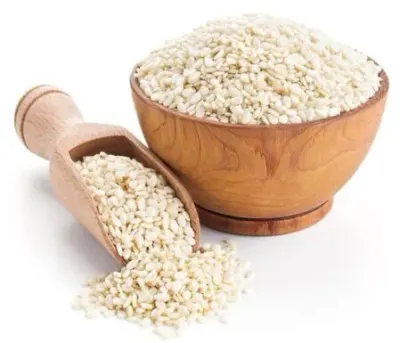
The catalogue covers oil‑seeds (sesame, cashew), legumes (groundnuts, tigernuts), a spice root (ginger), a tuber (cassava) and a herbal product (hibiscus). In global trade, sesame seeds are offered in hulled (1207.40.20) and unhulled (1207.40.90) grades with oil content typically 48‑55 % and moisture ≤6 %. Cashew kernels are classified by grade (US 1, US 2) with moisture ≤5 % and shell‑free kernel size 12‑15 mm. Organic groundnuts are commonly graded by size (large, medium) and must meet aflatoxin limits of ≤10 µg kg⁻¹ for EU markets. Tigernuts are usually sold in 10‑12 mm diameter, moisture 10‑12 % and are packed in jute or PP bags of 25 kg. Dried ginger roots are evaluated for gingerol content (≥1 % dry weight) and moisture ≤12 %. Dried cassava slices are graded by starch content (≈30‑35 %) and moisture ≤12 %. Hibiscus flowers are exported with colour intensity measured by anthocyanin content and moisture ≤12 %.
Trade and Export Information - Luggard Impex Nigeria Limited
Nigeria is a major exporter of nuts, oil‑seeds and root crops to the EU, Middle East and Asian markets. HS chapter 12 (edible nuts and seeds) and chapter 09 (spices and aromatic vegetables) dominate the export profile, with typical container loads of a 20 ft container holding 20‑22 metric tonnes of bulk nuts or 18 tonnes of dried ginger. Buyers usually require phytosanitary certificates, origin certificates and, for organic claims, a valid organic certification such as NOP or EU organic. Additional certifications frequently requested are ISO 22000, HACCP and compliance with EU pesticide residue limits (e.g., maximum residue limits for aflatoxins in groundnuts). Export logistics from Lagos ports commonly use FOB or CIF terms, with goods packed in 25 kg PP bags for nuts, 20 kg jute bags for tubers, and bulk cartons for hibiscus.
Sourcing from Luggard Impex Nigeria Limited - Buyer Guidance
When sourcing from Luggard Impex, buyers should request recent laboratory analysis reports covering moisture, aflatoxin (for groundnuts and tigernuts), oil content (sesame, cashew) and pesticide residues. An up‑to‑date phytosanitary certificate and, if organic status is required, a copy of the organic certificate issued by a recognised body should be obtained before contract finalisation. Typical minimum order quantities are 5 tonnes for nuts and seeds, 2 tonnes for dried ginger and cassava, and 1 tonne for hibiscus flowers, with lead times of 30‑45 days from order confirmation to shipment. Verify packaging specifications (e.g., 25 kg PP bags, moisture‑barrier liners) and confirm that HS codes match the intended customs classification to avoid delays.
Frequently Asked Questions About Luggard Impex Nigeria Limited
What HS codes apply to the products offered by Luggard Impex?
The catalogue lists HS 1212.99 for organic tigernuts, 1515.90 for cashew kernels, 1207.40 for sesame seeds, 0603.90 for dried hibiscus flowers, 1202.30 for organic groundnuts, 0910.11 for dried ginger root, and 0714.10 for dried cassava slices.
Which quality specifications are typical for the sesame seeds supplied?
International buyers expect hulled or unhulled sesame seeds with moisture ≤6 %, oil content 48‑55 % and free from foreign matter. Grades are usually classified under HS 1207.40.20 (hulled) or 1207.40.90 (unhulled).
How can I verify the organic status of the groundnuts?
Request a current organic certification issued by an accredited body (e.g., EU organic, NOP) together with the phytosanitary certificate. The certification should cover the entire supply chain from farm to export.
What packaging formats are used for the nuts and seeds?
Nuts such as tigernuts, cashews, sesame and groundnuts are typically packed in 25 kg polypropylene bags placed inside 1‑tonne wooden crates; bulk shipments may also use 20 ft containers loaded with 20‑22 tonnes of product.
What are the common minimum order quantities and lead times?
Standard MOQ is 5 tonnes for nuts and seeds, 2 tonnes for dried ginger and cassava, and 1 tonne for hibiscus flowers. Lead time from order confirmation to shipment ranges from 30 to 45 days, depending on product and required certifications.
Which certifications do buyers usually request for these agro commodities?
Typical buyer requirements include a phytosanitary certificate, ISO 22000 or HACCP compliance, and, where applicable, organic certification. For groundnuts and tigernuts, an aflatoxin test report meeting EU limits (≤10 µg kg⁻¹) is also commonly required.
What Incoterms are commonly used for shipments from Nigeria?
Exporters from Nigeria frequently operate on FOB Lagos or CIF destination, allowing buyers to arrange freight or receive a cost‑inclusive quote that covers insurance and freight to the final port.





 , Nigeria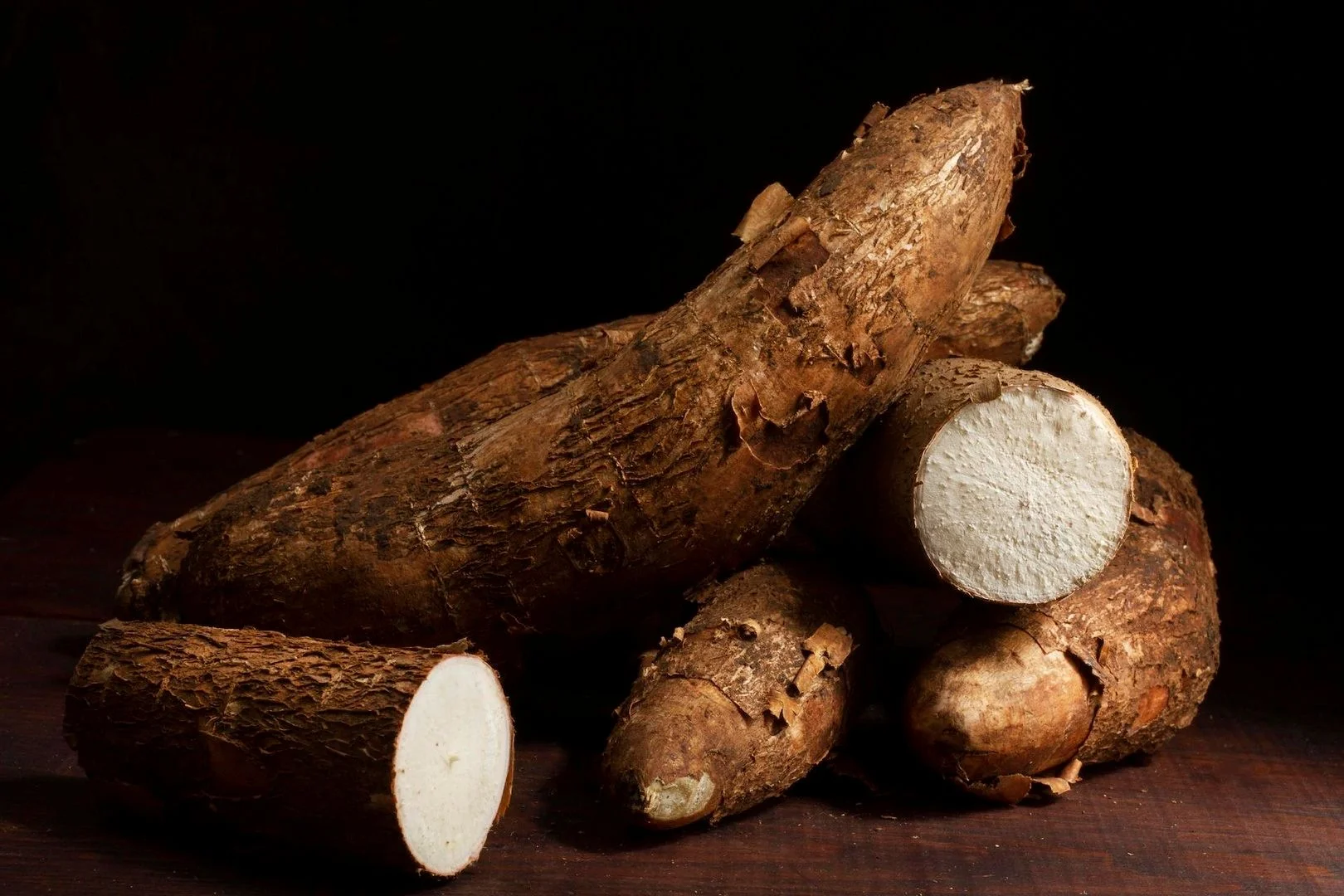




.jpg.png)