Cv Dinda Batam — Verified Supplier
About Cv Dinda Batam - Multi‑Category Food & Raw Material Supplier in Indonesia
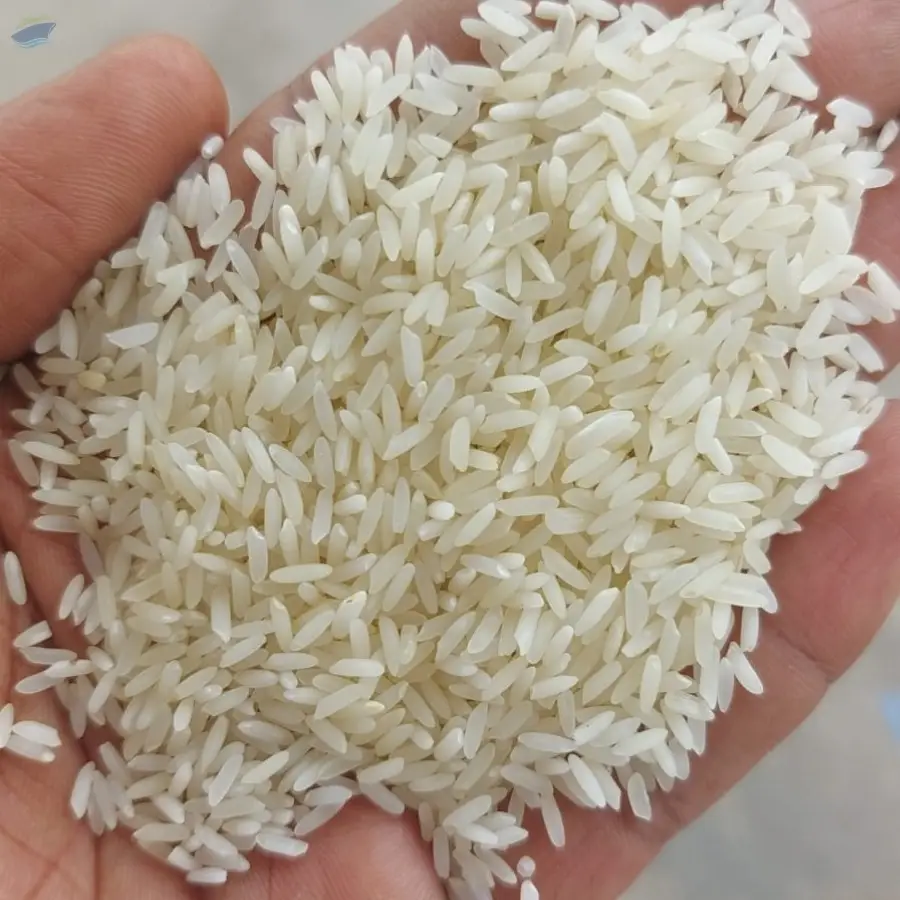
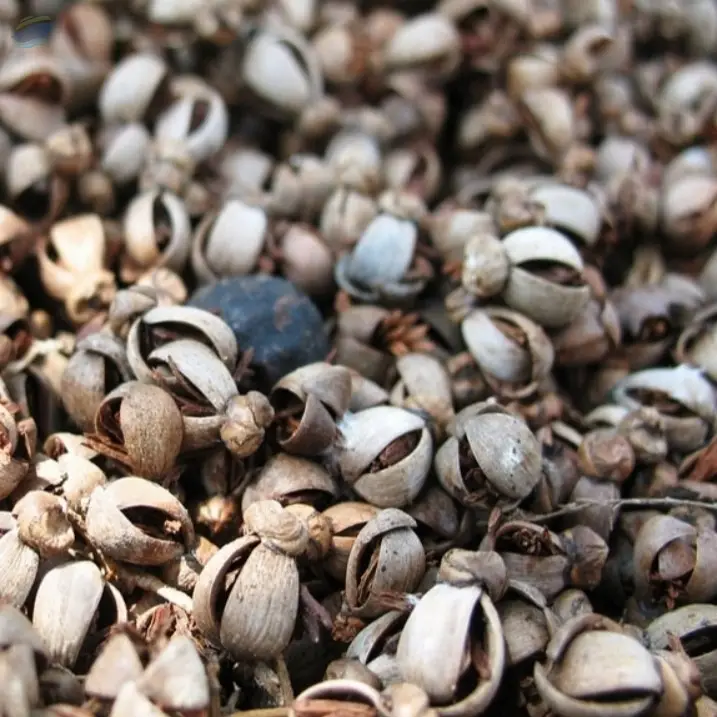
Cv Dinda Batam is based in Batam, Indonesia and currently lists 18 active products on its catalogue. The catalogue spans fresh horticultural produce such as potato, sweet potato, cassava, turmeric, ginger, corn, onion and rice, as well as a range of spices and nuts including pepper, cinnamon bark, nutmeg seeds, vanilla, clove and areca nut. Processed bulk items are also present, notably coconut briquette, charcoal briquette, coffee beans and lemongrass oil. One product, dried whole areca nut, is recorded with the specific HS code 0802.90 and material description as a dried whole areca nut from the Arecaceae family. The supplier is classified as an imported tier with a harbor trust tier, indicating it operates through Indonesian ports for outbound logistics.
The product list further includes sugar, coffee beans, lemongrass oil, and a variety of aromatic spices that fall under HS chapters 0701 (fresh potatoes), 0702 (cassava), 0905 (pepper), 0906 (ginger), 1005 (corn), 1701 (sugar), 0805 (vanilla, clove, cinnamon, nutmeg) and 3301 (essential oils). Although only the areca nut entry contains an explicit HS code, the other items are typically classified within these standard HS chapters for customs and trade reporting. The supplier’s catalogue therefore covers both fresh produce and processed raw materials that are commonly shipped in bulk or bagged formats for international markets.
Product Range and Specialties of Cv Dinda Batam
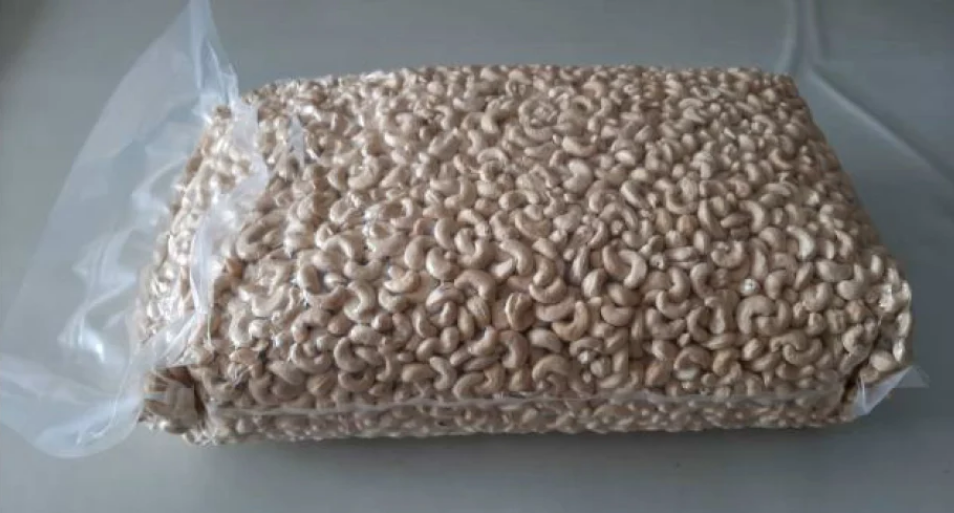
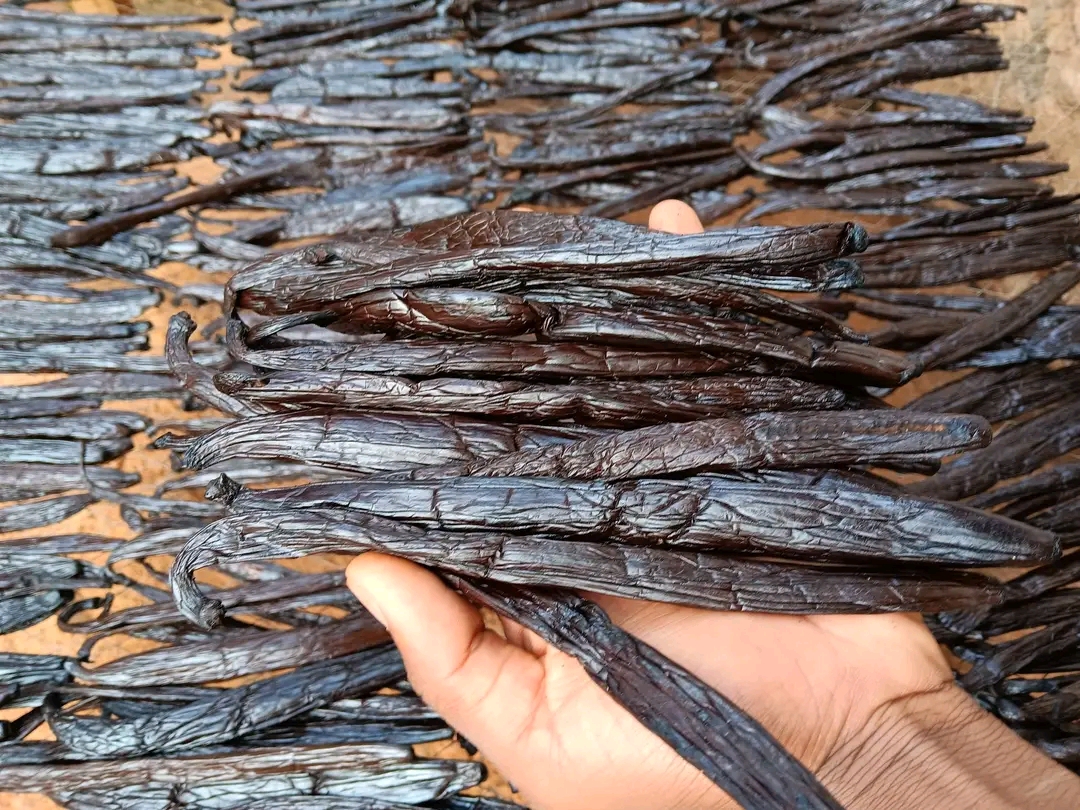
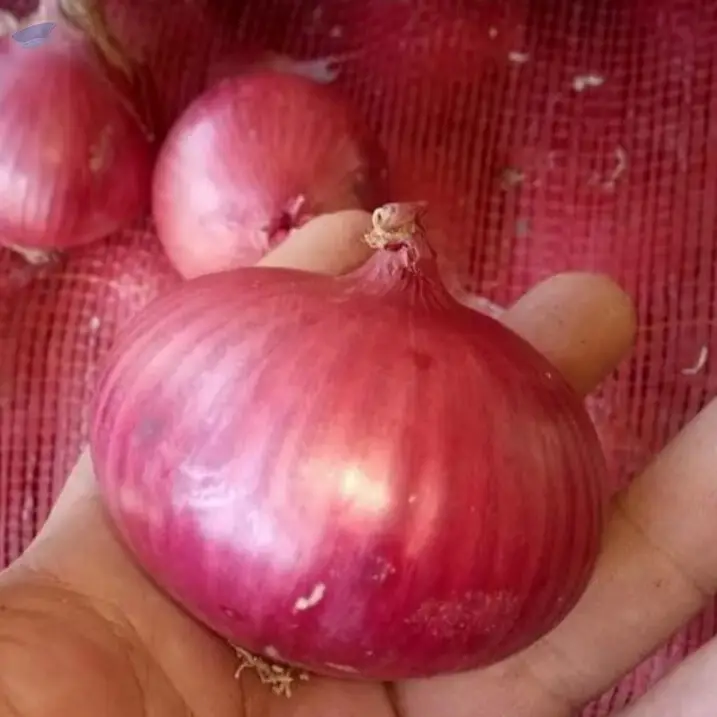
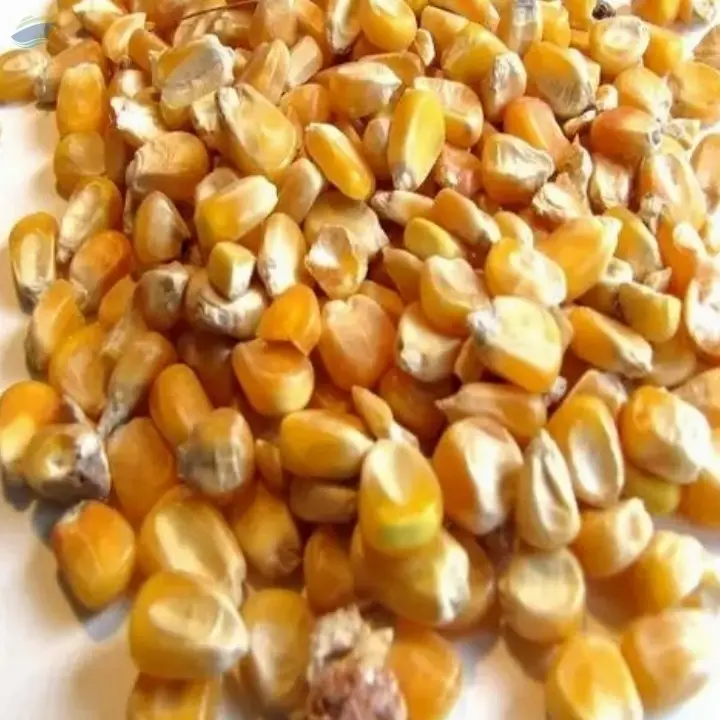
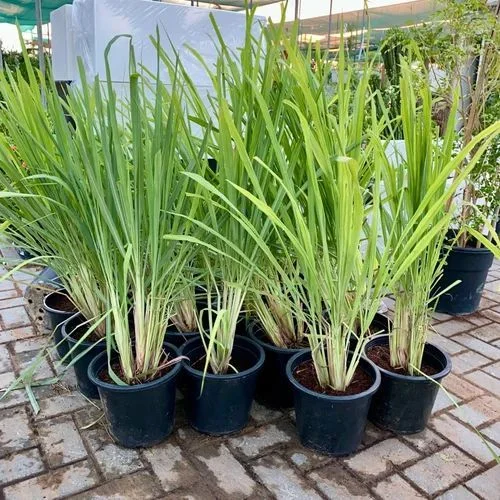
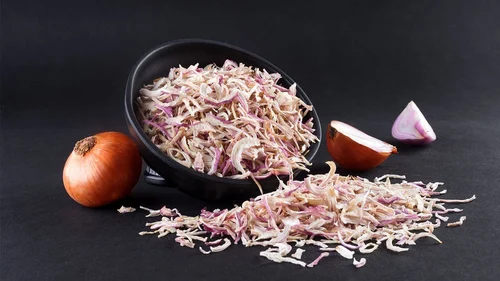
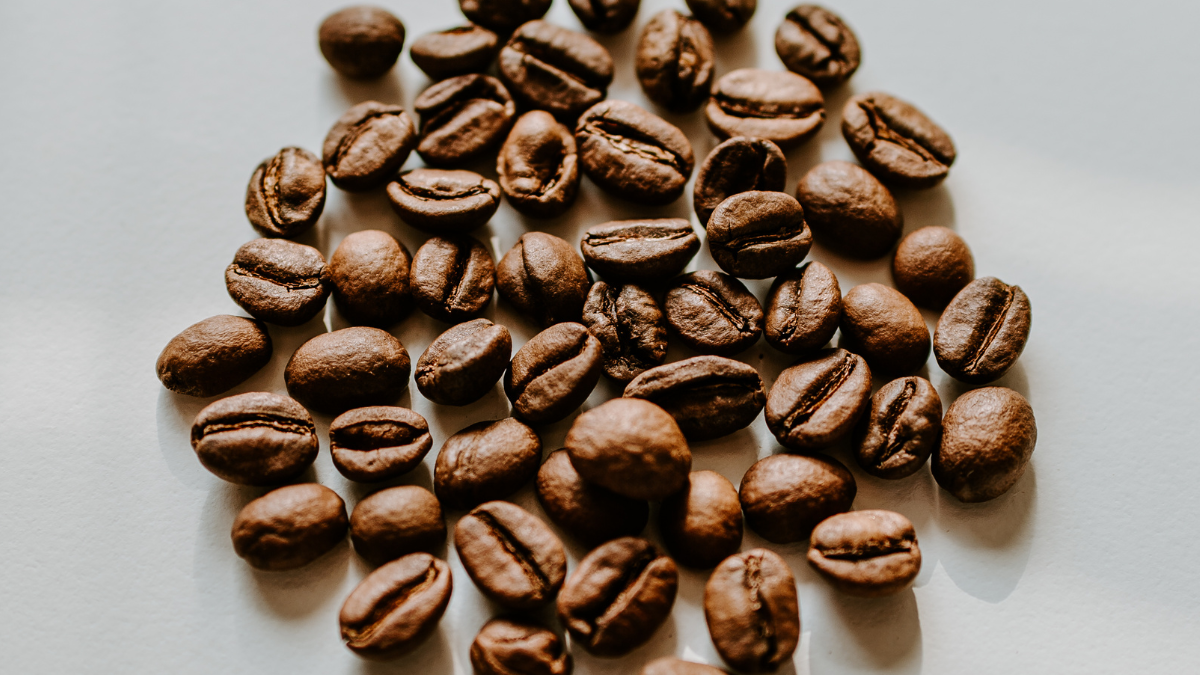
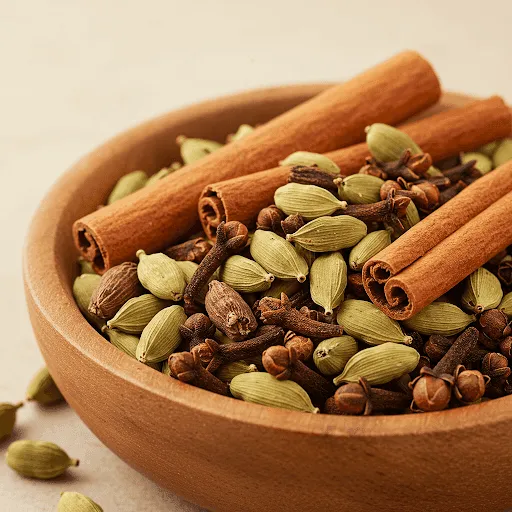
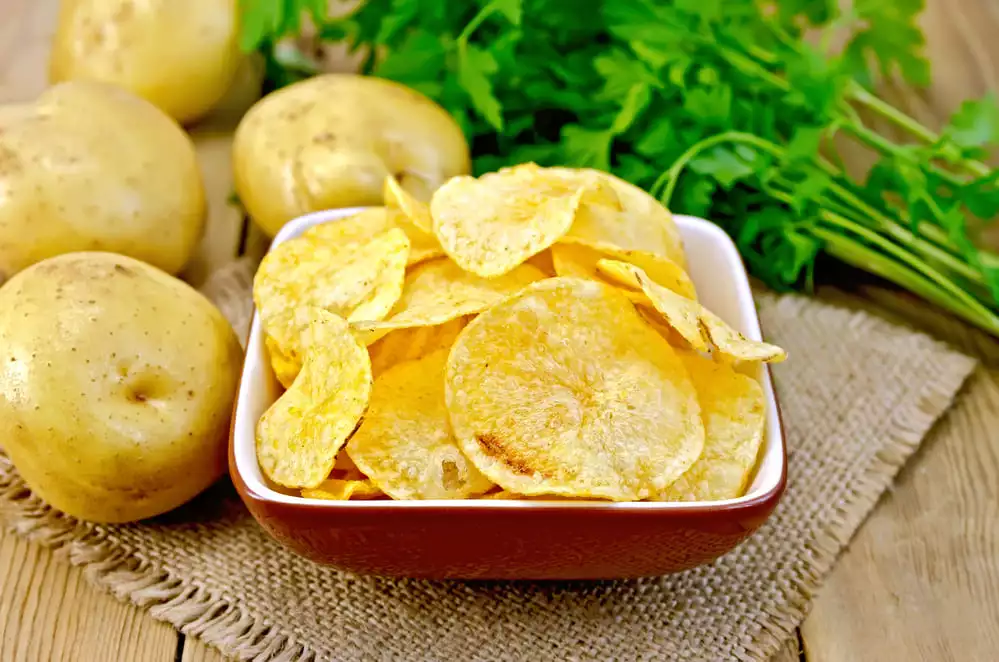
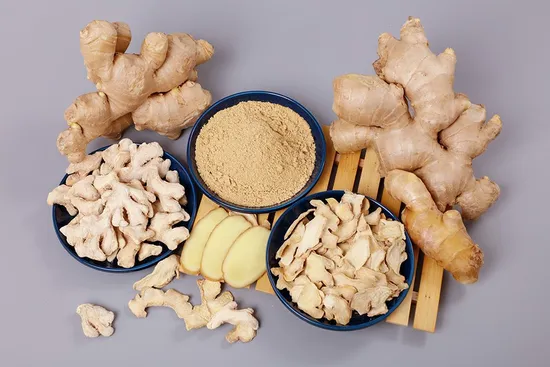
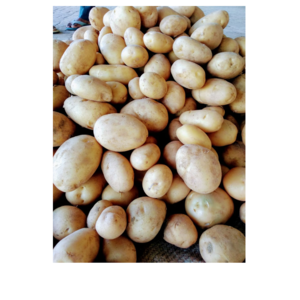
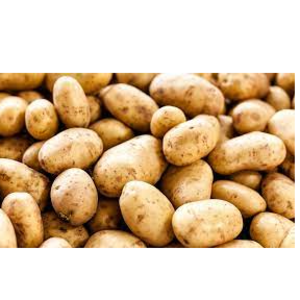
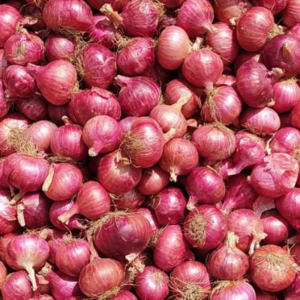
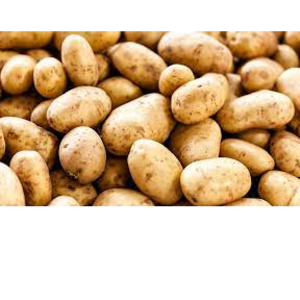
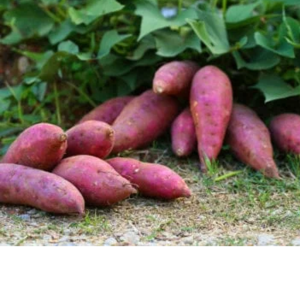
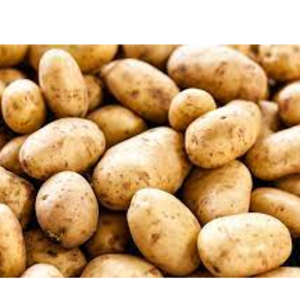
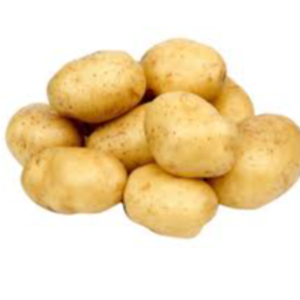
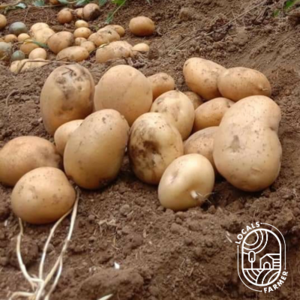
The catalogue’s fresh produce segment includes potato (often sized 40‑60 mm, moisture < 12 %), sweet potato, cassava tubers (starch ≈ 25 %), turmeric root, ginger rhizome, corn kernels and onion, each generally graded according to size, appearance and moisture content. In the spice and nut segment, pepper, cinnamon bark, nutmeg seeds, vanilla beans, clove and areca nut are typically sold in 25 kg jute bags and graded by grade I/II, moisture < 13 % and essential oil content where applicable. Processed bulk items such as coconut briquette and charcoal briquette are measured by calorific value (≈ 7 000 kcal kg⁻¹) and bulk density, while coffee beans are usually classified as Arabica grade I with moisture < 12 %. Lemongrass oil falls under essential oils with citral content 70‑80 % and a typical flash point above 150 °C. The supplier’s product mix therefore matches the standard specifications used by international buyers for these categories.
Trade and Export Information - Cv Dinda Batam
Indonesia is a major exporter of tropical agricultural commodities, and its ports on Batam handle shipments to East Asia, the European Union, the Middle East and North America. Fresh potatoes, cassava and corn are usually dispatched in refrigerated 20 ft containers or open‑top containers to preserve freshness, while spices, nuts and dried areca nut travel in 25 kg or 1 ton polypropylene bags secured in standard 40 ft containers. The HS code families cited above (0701‑0702, 0905‑0906, 1005, 1701, 0805, 3301) are routinely inspected by customs authorities, and buyers often require a phytosanitary certificate, a certificate of origin and, for food‑grade items, ISO 22000 or HACCP compliance. Indonesian exporters of charcoal briquettes typically provide a calorific value test report and compliance with the EU’s REACH registration when supplying to European markets. Common Incoterms used by suppliers in this region are FOB Batam or CIF destination, reflecting the established maritime links and container handling capacity of the island’s logistics infrastructure.
Sourcing from Cv Dinda Batam - Buyer Guidance
Buyers should request a recent phytosanitary certificate and a laboratory analysis report that confirms moisture, ash and active ingredient levels for each product. For spices and aromatic oils, a Certificate of Analysis detailing essential oil percentage, microbial limits and pesticide residues is standard, while charcoal and coconut briquettes should be accompanied by a calorific value test and bulk density measurement. Verify that the HS code used on the commercial invoice matches the product description (e.g., 0802.90 for dried areca nut) and confirm packaging details such as bag weight, container sealing method and any required fumigation procedures before finalising the order. Typical minimum order quantities range from 1 ton for spices to 20 tons for bulk fresh produce, with lead times of 30‑45 days after order confirmation, depending on harvest season and customs clearance.
Frequently Asked Questions About Cv Dinda Batam
What product categories does Cv Dinda Batam list in its catalogue?
The catalogue includes fresh vegetables (potato, sweet potato, cassava, corn, onion, rice), spices and herbs (pepper, turmeric, ginger, cinnamon bark, nutmeg seeds, vanilla, clove), nuts (dried whole areca nut, areca nut), processed bulk items (coconut briquette, charcoal briquette, coffee beans) and lemongrass essential oil.
Is there an HS code provided for any of the listed products?
Yes, the dried whole areca nut is listed with HS code 0802.90. Other products fall under standard HS chapters such as 0701 for fresh potatoes, 0905 for pepper and 3301 for essential oils, but specific codes are not supplied in the catalogue.
What certifications should a buyer request for the spice and herb products?
Buyers should request a phytosanitary certificate, a Certificate of Analysis showing moisture, microbial limits and pesticide residues, and evidence of food‑safety systems such as ISO 22000 or HACCP, which are commonly required for Indonesian spice exports.
What are the typical packaging formats for the bulk items?
Bulk items like charcoal briquette and coconut briquette are usually packed in 1‑ton polypropylene bags or bulk bags (B‑type), while spices and nuts are shipped in 25 kg jute or woven polypropylene bags. Fresh produce is typically loaded in refrigerated 20 ft containers or open‑top containers with ventilation.
What minimum order quantities and lead times are typical for these products?
Minimum order quantities are generally around 1 ton for spices and nuts, and 20 tons for fresh vegetables or bulk briquettes. Lead times range from 30 to 45 days after order confirmation, depending on harvest cycles and required documentation.
Which Incoterms are most commonly used by Cv Dinda Batam for export shipments?
The supplier commonly operates on FOB Batam or CIF destination terms, reflecting the standard practice for Indonesian exporters handling containerized shipments to overseas buyers.
How can a buyer verify the quality of the lemongrass oil?
Buyers should request a Certificate of Analysis that includes citral content (typically 70‑80 %), flash point, density and any residual solvent limits. Independent third‑party testing reports are also advisable for verification before bulk purchase.




 , Indonesia
.jpg.png)