Ningbo Jiangbei Junrong Electron Teachnology Co., Ltd. — Supplier
About Ningbo Jiangbei Junrong Electron Teachnology Co., Ltd. - Electric Sensors Supplier in China
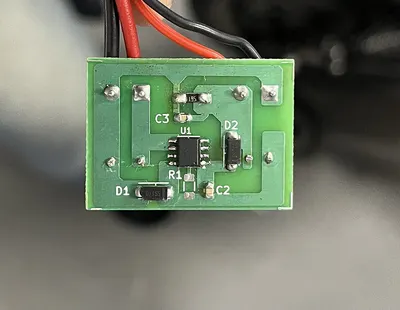
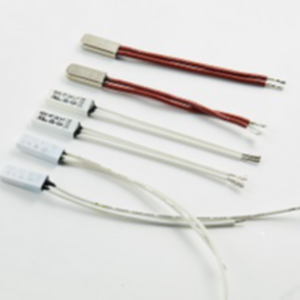
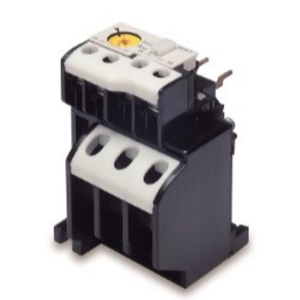
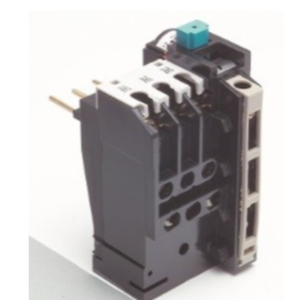
Ningbo Jiangbei Junrong Electron Teachnology Co., Ltd. is based in Ningbo, Zhejiang province, China and currently lists five active electronic sensor products. The catalogue includes three humidity‑sensor modules (MHR1B, MHTC1A, MHTR1D), a combined humidity‑temperature module (MHTC1A), and a humidity controller unit (JRACH606B). All items fall under the broader electric sensor and temperature controller categories that are commonly classified under HS chapter 85 for electrical machinery and HS chapter 90 for precision instruments. The supplier’s product titles indicate modular designs intended for integration into industrial automation, HVAC, and environmental monitoring equipment.
The listed modules are typical of Chinese manufacturers that provide compact, PCB‑mountable sensor solutions for OEMs. They are generally supplied without built‑in wireless capability but may feature standard I²C or UART interfaces. While the catalogue does not specify certifications, similar humidity and temperature sensors from China often target CE, RoHS, and sometimes UL compliance to satisfy global market entry requirements. The humidity controller JRACH606B is a stand‑alone unit likely designed for indoor climate control, fitting into the temperature controller and indicator segment.
Product Range and Specialties of Ningbo Jiangbei Junrong Electron Teachnology Co., Ltd.
The supplier’s five products cover two main sub‑categories: humidity sensor modules and a humidity controller. Humidity sensor modules such as the MHR1B typically operate over a relative humidity range of 10‑95 %RH with an accuracy of ±2 %RH and response times under 10 seconds. Temperature‑integrated modules (MHTC1A, MHTR1D) usually combine the same humidity range with a temperature span of - 40 °C to +125 °C and accuracy of ±0.5 °C, using semiconductor or polymer‑based sensing elements. The JRACH606B controller is generally a compact unit that accepts sensor input and provides calibrated output to drive HVAC or de‑humidification equipment, often featuring LCD indicators and relay outputs.
In the global market, humidity sensors are frequently graded as industrial‑grade (IP65 protection, extended temperature range) or commercial‑grade (IP44, limited temperature range). Buyers often request data sheets that list calibration curves, supply voltage (3.3 V or 5 V), and communication protocols. For controllers, specifications such as set‑point range, hysteresis adjustment, and output type (dry‑contact or analog voltage) are standard selection criteria.
Trade and Export Information - Ningbo Jiangbei Junrong Electron Teachnology Co., Ltd.
Electronics components such as humidity sensors and temperature controllers are among China’s top export categories, with major destinations including the United States, the European Union, and Southeast Asian manufacturing hubs. These goods are typically classified under HS 9025 (humidity and temperature measuring instruments) or HS 8542 (electronic integrated circuits) depending on the level of integration. Export shipments are usually packed in anti‑static foam or PE bags inside cardboard cartons, with 20‑ft or 40‑ft containers handling volumes ranging from 500 kg to 2 t per shipment.
Importers commonly require compliance documentation such as CE Declaration of Conformity, RoHS test reports, and, for certain markets, IEC 60730 safety standards for controllers. Freight terms often follow FOB Ningbo Port or CIF destination, with buyers arranging customs clearance under the relevant HS codes. Chinese exporters of sensor modules frequently work with third‑party inspection agencies (e.g., SGS, Bureau Veritas) to provide pre‑shipment quality certificates.
Sourcing from Ningbo Jiangbei Junrong Electron Teachnology Co., Ltd. - Buyer Guidance
When sourcing from Ningbo Jiangbei Junrong Electron Teachnology Co., Ltd., buyers should request full datasheets that detail operating voltage, accuracy, response time, and communication interface for each sensor module. It is advisable to ask for a sample unit accompanied by a calibration certificate and, if required by the destination market, a CE or RoHS test report. Verifying that the humidity controller complies with IEC 60730 or equivalent safety standards can reduce downstream certification effort.
Typical minimum order quantities for sensor modules range from 500 to 1 000 pieces, while controller units may be ordered in batches of 200 or more, depending on packaging options. Lead times for production and testing are usually 15‑30 days after order confirmation, subject to raw‑material availability. Buyers should confirm packaging (anti‑static bags, moisture‑proof cartons) and preferred Incoterm to align with logistics planning.
Frequently Asked Questions About Ningbo Jiangbei Junrong Electron Teachnology Co., Ltd.
What types of humidity sensors does the supplier offer?
The catalogue lists three humidity sensor modules (MHR1B, MHTC1A, MHTR1D) that cover a relative humidity range of roughly 10‑95 %RH and are designed for PCB mounting with standard I²C or UART interfaces.
Are temperature measurements included in any of the modules?
Yes, the MHTC1A and MHTR1D modules combine humidity sensing with temperature measurement, typically spanning - 40 °C to +125 °C and offering ±0.5 °C accuracy.
What certifications should a buyer request for these products?
Buyers should request CE Declaration of Conformity, RoHS compliance reports, and any applicable IEC safety standard certificates (e.g., IEC 60730 for the humidity controller).
What is the usual packaging for the sensor modules?
Modules are commonly packed in anti‑static foam trays or sealed PE bags, placed inside double‑wall cardboard cartons suitable for container loading.
What are the typical minimum order quantities?
Sensor modules often have MOQs of 500‑1 000 pieces, while the humidity controller JRACH606B is typically ordered in batches of 200 or more.
Which HS codes are relevant for these products?
Humidity and temperature measuring instruments are generally classified under HS 9025, while electronic sensor modules may fall under HS 8542 depending on their integration level.
What lead time should a buyer expect?
Standard lead times are 15‑30 days after order confirmation, subject to raw‑material supply and any required testing or certification procedures.
Which markets commonly import Chinese humidity sensors?
Major import markets include the United States, European Union countries, and Southeast Asian manufacturers that integrate sensors into HVAC, automotive, and consumer electronics systems.




 , China