Shenzhen Beilai Technology Co., Ltd. — Verified Manufacturer & Wholesale Supplier
About Shenzhen Beilai Technology Co., Ltd. - Industrial Ethernet I/O Modules Supplier in China
Shenzhen Beilai Technology Co., Ltd. is located in Guangdong province, China, and currently lists eight active products. The catalogue spans Industrial Ethernet I/O modules, IoT gateways, 4G remote‑control units, embedded edge computers and a battery‑pack monitoring module. Product listings are grouped under HS code 8517.62 for telecommunications equipment, 8471.41 for electronic computers, 8537.10 for electrical switching apparatus, and 9030.89 for measuring instruments. The company markets these items for industrial automation, smart‑factory and remote monitoring applications. Its profile notes OEM and ODM capabilities across the listed product families.
The eight items include a Wireless Cellular IoT Modbus RTU for BTS monitoring (HS 8517.62), a 4G SMS Alarm Controller (HS 8517.62), an ARM‑based Embedded EdgeCOM Computer (HS 8471.41), a Battery Pack Monitoring Module (HS 9030.89), a 4G Industrial Remote Control unit (HS 8537.10), an 8‑DO Ethernet I/O module (HS 8537.10), an Industrial Computer with 512 MB RAM running Linux (HS 8471.41) and a BL121AC Air Conditioner‑to‑OPC UA Gateway (HS 8517.62). Materials cited range from FR‑4 PCBs and aluminum alloy enclosures to ABS and steel housings, reflecting typical industrial‑grade construction.
Product Range and Specialties of Shenzhen Beilai Technology Co., Ltd.
The catalogue’s core includes Ethernet I/O modules classified under HS 8537.10. In the industry these modules are commonly offered with 8 - 16 digital inputs and 4 - 8 digital outputs, 24 V DC rating, and enclosure IP20 or IP65 depending on environmental exposure. They often support Modbus TCP/IP, IEC 61850 and proprietary protocols, and are built on FR‑4 PCBs with copper traces meeting IPC‑2221 standards.
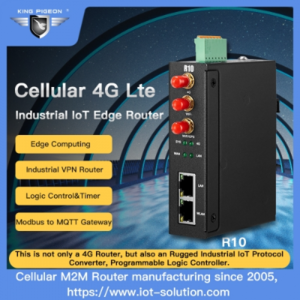
IoT gateways and 4G industrial routers listed under HS 8517.62 typically integrate LTE‑Cat 4/6 modems, support up to 150 Mbps downlink, and are housed in IP67‑rated steel or polymer cases to survive - 40 °C to 85 °C. Embedded edge computers (HS 8471.41) frequently use ARM Cortex‑A7 or A9 processors, 512 MB to 1 GB RAM, 4 - 8 GB flash storage, and comply with IEC 60950‑1 safety standards. Battery‑pack monitoring modules (HS 9030.89) are calibrated to measure voltage, current and temperature and are often supplied with IEC 60730‑1 compliance documentation.
Trade and Export Information - Shenzhen Beilai Technology Co., Ltd.
China is a major exporter of industrial networking and automation equipment, and products classified under HS 8517.62, 8471.41 and 8537.10 are routinely shipped to Europe, North America and the Asia‑Pacific region. Importers in these markets usually require CE marking for the European Union, FCC certification for the United States, and RoHS compliance to confirm restriction of hazardous substances.
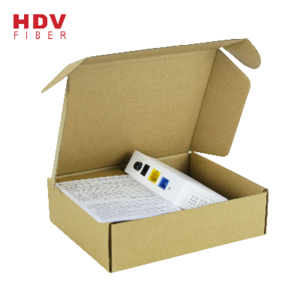
Standard packaging for these electronic assemblies includes anti‑static bubble wrap, corrugated cardboard boxes and, for larger units, wooden crates with moisture‑proof liners. Freight forwarders often handle shipments on 20‑ft or 40‑ft containers under FOB or CIF terms, with HS‑specific customs documentation such as commercial invoices, packing lists and certificates of origin. Buyers commonly request test reports covering EMC, electrical safety (IEC 62368‑1) and environmental durability.
Sourcing from Shenzhen Beilai Technology Co., Ltd. - Buyer Guidance
When sourcing from Shenzhen Beilai Technology, buyers should request a full datasheet that lists input voltage, current ratings, IP protection class and supported communication protocols for each module. Certification copies for CE, FCC, RoHS and any applicable IEC safety standards should be reviewed before order confirmation.
Samples are typically provided in anti‑static packaging; a functional test report covering Modbus/TCP communication, LTE signal performance or ARM CPU benchmarks helps verify compliance. Verify OEM/ODM capability by checking a signed non‑disclosure agreement and a prototype development schedule. MOQ commonly starts at a single unit for prototypes and scales to 100 units for mass production, with lead times ranging from 30 days for standard stock to 90 days for custom firmware.
Frequently Asked Questions About Shenzhen Beilai Technology Co., Ltd.
What product categories does Shenzhen Beilai Technology list under its catalogue?
The supplier lists eight products covering a Wireless Cellular IoT Modbus RTU, a 4G SMS Alarm Controller, an ARM‑based Embedded EdgeCOM Computer, a Battery Pack Monitoring Module, a 4G Industrial Remote Control unit, an 8‑DO Ethernet I/O module, an Industrial Computer with Linux and an Air‑Conditioner‑to‑OPC UA Gateway, classified under HS codes 8517.62, 8471.41, 8537.10 and 9030.89.
Which HS codes are associated with the supplier’s Ethernet I/O and remote‑control devices?
The Ethernet I/O module and the 4G Industrial Remote Control unit are listed under HS code 8537.10, which covers electrical apparatus for switching or protecting electrical circuits.
What certifications are typically required for the supplier’s 4G industrial routers and IoT gateways?
Buyers usually request CE marking for EU markets, FCC certification for the US, and RoHS compliance; additional safety certification such as IEC 60950‑1 or IEC 62368‑1 is common for industrial networking equipment.
What material construction is common for the supplier’s edge computers and monitoring modules?
The edge computers use FR‑4 PCBs with aluminum alloy or steel enclosures, while the battery‑pack monitoring module combines FR‑4 PCB, ABS housing and copper wiring, reflecting standard industrial‑grade material choices.
What are typical minimum order quantities and lead times for standard stock items?
Standard stock items can be ordered in quantities as low as one unit for prototype testing, with a typical lead time of 30 days; custom‑configured units usually require an MOQ of 100 units and 60‑90 days lead time.
How are the products packaged for international shipment?
Items are packed in anti‑static bubble wrap inside corrugated cardboard boxes; larger units are placed in wooden crates with moisture‑proof liners and secured for 20‑ft or 40‑ft container loading under FOB or CIF terms.
What documentation should a buyer request before finalising a purchase?
Buyers should obtain the product datasheet, CE/FCC/RoHS certificates, a Declaration of Conformity, EMC and safety test reports, and, for OEM projects, a prototype development agreement and tooling cost estimate.





 , China