Xiamen Kegan Iot Technology Co., Ltd. — Manufacturer & Wholesale Supplier
About Xiamen Kegan Iot Technology Co., Ltd. - Electronic Sensors Supplier in China
Xiamen Kegan Iot Technology Co., Ltd. operates from Fujian province in China and currently lists five active products in its catalogue. The company focuses on electronic measurement and monitoring devices, covering sensor types for level, pressure, speed, and temperature detection. Each product is classified under specific HS‑code families such as 9026.10 for radar level sensors, 8526.91 for radar speed modules, 9026.20 for pressure and liquid level transducers, and 9025.19 for explosion‑proof temperature transmitters. Materials reported include ABS housing, FR4 PCB substrates, stainless steel 304/316, titanium, PTFE joints, and aluminum/epoxy sealed assemblies. The catalogue reflects a mix of industrial automation, pipeline monitoring, water metering, and automotive sensor applications.
The supplier’s top categories include Electronic Sensors, Pipeline Monitoring Systems, Water Meters, Automobile Sensors, Temperature Scanners, Electric Sensors, Electronic Meters, and Electronic Siren/Alarm. These categories map directly to the five listed products, each targeting specific measurement tasks such as 20 m radar level detection for oil tanks, 24 GHz traffic speed monitoring, LoRa‑enabled pressure and liquid level control, NB‑IoT/Lora 4G oil‑tank level transmission, and explosion‑proof temperature monitoring. All products are described with material specifications and HS codes that align with international customs classification for measuring instruments.
Product Range and Specialties of Xiamen Kegan Iot Technology Co., Ltd.
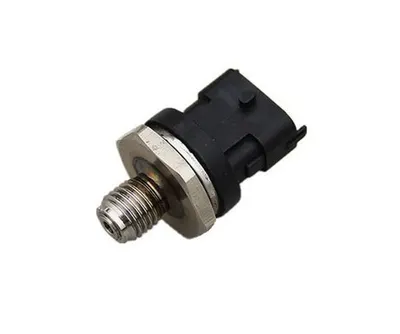
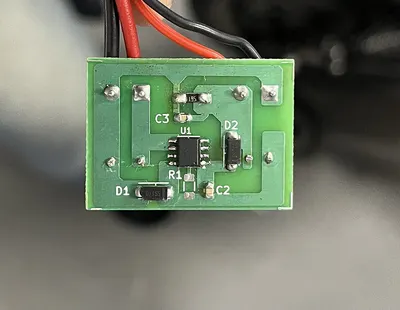
The catalogue comprises a 20 m radar level sensor (HS 9026.10, ABS housing) that typically offers ±1 cm accuracy, IP68 protection, and a 0‑20 m measurement range used in oil‑tank and water‑storage monitoring. The 24 GHz traffic speed monitoring module (HS 8526.91, FR4 PCB with RF components) follows the IEEE 802.11p standard and is commonly calibrated to ±5 km/h accuracy over 0‑200 m. LoRa pressure sensors (HS 9026.20) employ stainless‑steel 304/316 or titanium sensing elements with PTFE seals, usually rated to 0‑10 bar and IEC 60529 IP67. The NB‑IoT/Lora 4G level transmitter (HS 9026.20) combines an ABS housing with a 316L stainless probe, typical for remote monitoring of fuel or water tanks via cellular networks. The explosion‑proof temperature sensor (HS 9025.19) uses a 316L probe, aluminum/steel housing and epoxy‑sealed electronics, often certified to ATEX Ex ia III T4 and IECEx for hazardous environments. Industry standards such as IEC 60812 for failure analysis, IEC 61508 functional safety, and RoHS restrictions on hazardous substances are routinely applied to these types of instruments.
Trade and Export Information - Xiamen Kegan Iot Technology Co., Ltd.
China is a leading exporter of electronic measurement devices, and Fujian’s logistics hubs facilitate container shipments to Europe, North America, the Middle East, and Southeast Asia. HS 9026.xx codes fall under chapter 90 for optical, photographic, cinematographic, measuring, checking, precision, medical or surgical instruments, while HS 8526.xx is classified in chapter 85 for transmission apparatus. Buyers typically request CE marking, RoCE, FCC ID, and where relevant ATEX or IECEx certificates to satisfy safety and electromagnetic compatibility regulations. Standard packaging includes anti‑static bubble wrap, sealed cartons, and wooden pallets sized for 20‑ft or 40‑ft containers, with moisture‑resistant liners for outdoor‑rated sensors. Incoterms most often used are FOB Fujian Port or CIF destination ports, allowing buyers to arrange customs clearance and inland transport according to regional import requirements.
Sourcing from Xiamen Kegan Iot Technology Co., Ltd. - Buyer Guidance
When sourcing from this supplier, request the latest datasheet, calibration certificate, and any applicable safety certifications such as CE, IECEx or ATEX for the explosion‑proof temperature unit. Verify material grades (e.g., stainless‑steel 316L, PTFE seals) against the product specification sheet and ask for a test report confirming accuracy, temperature range, and IP rating. Samples should be evaluated for firmware version, wireless protocol compliance (LoRa, NB‑IoT, 4G), and mechanical robustness before committing to larger orders.
Frequently Asked Questions About Xiamen Kegan Iot Technology Co., Ltd.
What sensor categories are listed in the supplier’s catalogue?
The catalogue lists radar level sensors, radar speed monitoring modules, LoRa pressure and liquid level transducers, NB‑IoT/Lora 4G level transmitters, and explosion‑proof temperature sensors.
Which HS codes correspond to the listed products?
The radar level sensor uses HS 9026.10, the traffic speed module uses HS 8526.91, both pressure/level transmitters use HS 9026.20, and the temperature transmitter uses HS 9025.19.
What material specifications should a buyer verify?
Buyers should confirm the housing material (ABS or aluminum), probe material (stainless‑steel 304/316 or titanium), and seal material (PTFE) as described for each product.
Which certifications are typically required for explosion‑proof temperature sensors?
Explosion‑proof temperature sensors are usually required to hold ATEX Ex ia III T4 or IECEx certification, along with CE marking for general safety.
What are typical lead times for these electronic sensors?
Manufacturers in Fujian commonly quote 4‑6 weeks from order receipt for standard models, with longer times if custom firmware or certification testing is needed.
What is the usual minimum order quantity (MOQ) for the radar level sensor?
The standard MOQ for the 20 m radar level sensor is typically one full pallet, around 50‑60 units, depending on packaging configuration.
How are the products packaged for international shipping?
Products are packed in anti‑static bubble wrap, placed in sealed cartons, and stacked on wooden pallets suitable for 20‑ft or 40‑ft containers, with moisture‑proof liners for outdoor‑rated units.
Which Incoterms does the supplier commonly use?
The supplier most frequently offers FOB Fujian Port or CIF to the buyer’s destination port, allowing the buyer to manage import clearance and inland transport.




 , China







.jpg.png)