Control Technologies FZE — Verified Supplier
About Control Technologies FZE - Heating, Air Conditioner & Ventilation Supplier in United Arab Emirates
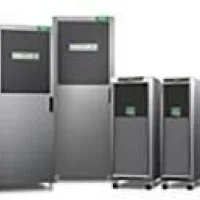
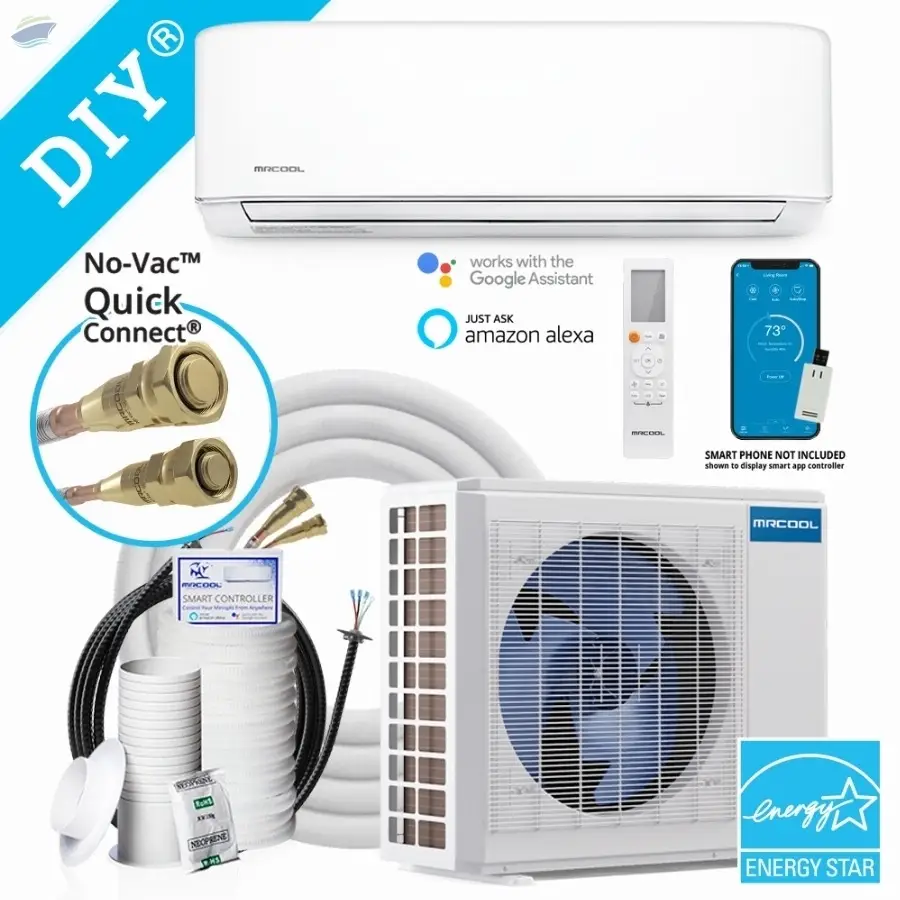
Control Technologies FZE is based in the United Arab Emirates and currently lists fifteen distinct products in its online catalogue. The supplier is classified as an imported, harbor‑tier provider on the platform. Its catalogue spans several top categories, including Heating, Air Conditioner & Ventilation; UPS; Air Conditioner Parts; Sports Goods & Equipment; Agriculture; Flooring; Stabilizers; and Temperature Controllers & Indicators. Within the HVAC segment the company offers desert and outdoor coolers, various dehumidifiers, and computer‑room air conditioners. In the power protection segment it lists uninterruptible power supplies, static transfer switches and voltage stabilizers. Additional entries cover water‑leak detection systems, close control units and temperature‑and‑humidity monitoring devices.
The product titles in the catalogue reference standard industry terminology such as “Uninterruptible Power Supply (UPS)”, “Voltage Stabilizer/Regulator (AVR)”, “Static Transfer Switch (STS)” and “Computer Room Air Conditioner”. These items fall under the electrical equipment HS chapter 85, while air‑conditioning units are classified under HS chapter 84.71. Typical specifications for UPS units include IEC 62040‑2 compliance, sine‑wave output, and battery backup ranging from 1 kVA to 10 kVA. Dehumidifiers are commonly rated by moisture removal capacity (e.g., 20 L/day) and operate with energy‑efficiency classes defined in IEC 60335‑2‑40. Temperature controllers and indicators usually conform to IEC 60730 for thermostatic control and may feature digital displays with ±0.5 °C accuracy. The catalogue does not provide explicit certifications, so buyers should verify CE marking, UL listing, or ISO 9001 quality‑management certification where applicable.
Product Range and Specialties of Control Technologies FZE
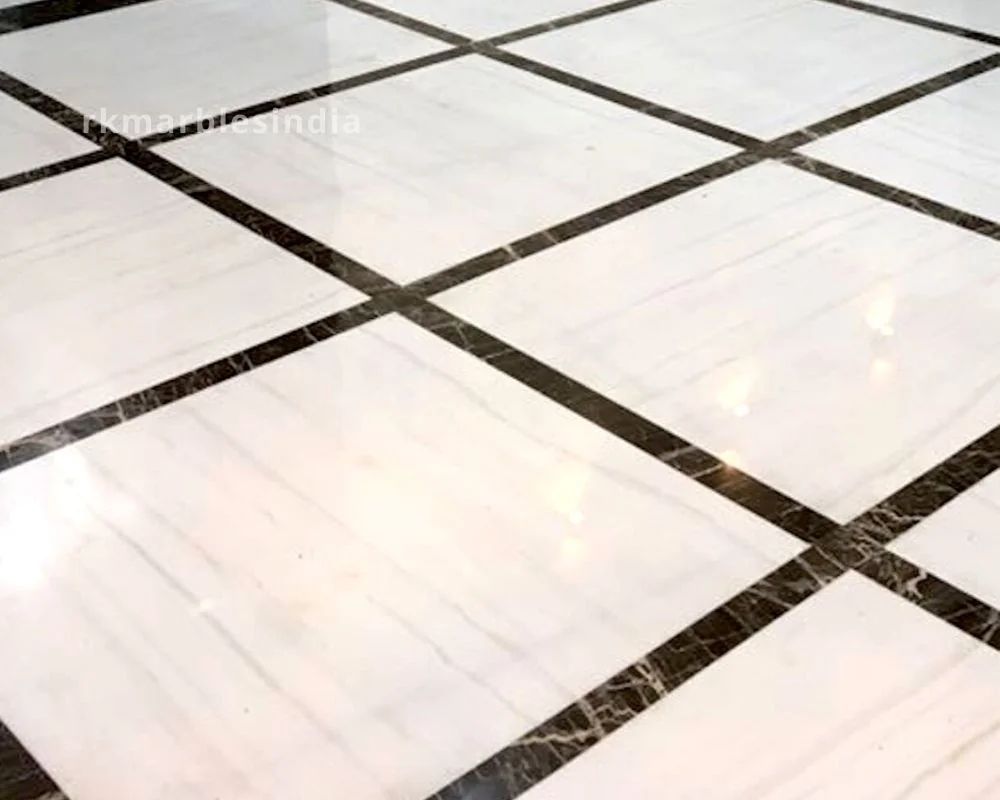
The catalogue lists three UPS‑related items (UPS, Ge UPS, Static Transfer Switch), two voltage‑stabilizer entries, and a close control unit for precision monitoring. It also includes five dehumidifier models covering household, industrial and swimming‑pool applications, a desert/outdoor cooler, a computer‑room air conditioner, and a raised access floor system for data‑centre flooring. In the HVAC arena buyers typically encounter cooling capacities from 0.9 kW (portable units) to 12 kW (outdoor coolers) and SEER values between 3.0 and 5.0 for energy‑efficient models. UPS equipment is usually offered in 1 kVA, 3 kVA and 5 kVA ratings, with battery technologies such as sealed lead‑acid or lithium‑ion and a runtime of 5‑30 minutes at full load. Dehumidifiers are graded by daily moisture extraction (10‑30 L/day) and often carry an IP‑44 or higher enclosure rating for industrial use. Voltage stabilizers commonly provide regulation ranges of ±10 % to ±15 % across input voltages of 180‑260 V, with overload protection per IEC 61809.
Trade and Export Information - Control Technologies FZE
The United Arab Emirates is a regional hub for re‑export of HVAC and power‑protection equipment to the Gulf Cooperation Council, East Africa and South‑Asian markets. Products in HS chapter 85 (electrical machinery) and HS chapter 84.71 (air‑conditioning units) are routinely shipped in 20‑ft or 40‑ft containers, with typical gross weights of 1 800 kg for a full UPS pallet and 2 200 kg for a batch of industrial dehumidifiers. Importers frequently require CE conformity, UL listing or IEC type‑approval certificates, as well as a test report verifying performance against IEC 62040 (UPS) or IEC 60335 (dehumidifiers). Packing standards include double‑wall wooden crates for UPS units and moisture‑resistant pallets for dehumidifiers. Incoterms such as FOB Dubai Port or CIF Mombasa are common in the region, with freight forwarding firms accustomed to handling temperature‑sensitive cargo for air‑conditioning equipment.
Typical buyers include data‑centre operators, hospitality facilities, construction contractors and agricultural processors that need climate control or power continuity. Export documentation from the UAE often includes a Certificate of Origin, a Commercial Invoice and a Packing List, and many buyers request a Pre‑Shipment Inspection (PSI) under the Ministry of Economy guidelines for electrical equipment.
Sourcing from Control Technologies FZE - Buyer Guidance
When sourcing from Control Technologies FZE, buyers should request product data sheets that specify IEC compliance, cooling capacity (kW or BTU), moisture‑removal rate (L/day), battery type, runtime and input‑output voltage ranges. Sample units are advisable for UPS and dehumidifier models to verify noise level, efficiency and control interface before a full order. Buyers should also obtain a copy of the CE Declaration of Conformity or an equivalent UL/ISO certificate, and verify that the supplier can provide a test report from an accredited laboratory for each equipment class. Validation of packaging - such as crate dimensions, palletization method and moisture barrier for dehumidifiers - helps prevent damage during sea freight. Finally, confirm lead times (typically 15‑30 days for standard models) and minimum order quantities, which for most items in the catalogue range from a single unit to a pallet load of 10‑12 units depending on size and weight.
Frequently Asked Questions About Control Technologies FZE
What types of UPS equipment does Control Technologies FZE list?
The catalogue includes standard uninterruptible power supplies, a GE‑branded UPS and a static transfer switch, all falling under HS chapter 85.
Are there specifications for the dehumidifiers?
Dehumidifier entries cover household, industrial and swimming‑pool models, usually rated for 10‑30 L of moisture removal per day and built to IEC 60335‑2‑40 standards.
Which certifications should a buyer request for these products?
Buyers should ask for CE marking, UL listing or IEC type‑approval certificates, and an ISO 9001 quality‑management certificate if available.
What is the typical packaging for the air‑conditioner units?
Air‑conditioner units are normally packed in reinforced wooden crates with internal foam padding and secured on standard 1 m×1 m pallets.
What are common lead times for the listed items?
Standard lead times range from 15 days for single‑unit orders to 30 days for bulk shipments of UPS or dehumidifier pallets.
Is a minimum order quantity required?
Minimum order quantities vary by product; most units can be ordered individually, while bulk items such as dehumidifiers or stabilizers often require a pallet‑load of 10‑12 units.
Which HS codes apply to the listed products?
UPS and voltage stabilizers are classified under HS chapter 85, while desert coolers and computer‑room air conditioners fall under HS chapter 84.71 for air‑conditioning equipment.
How can a buyer arrange a sample before placing a full order?
Buyers can request a sample unit through the supplier’s trade platform, specifying the exact model number; the supplier typically ships samples using air freight with the buyer covering shipping costs.




 , United Arab Emirates