KASTURI COCONUT PROCESSING — Verified Manufacturer & Wholesale Supplier
About KASTURI COCONUT PROCESSING - Coconut Products Supplier in India
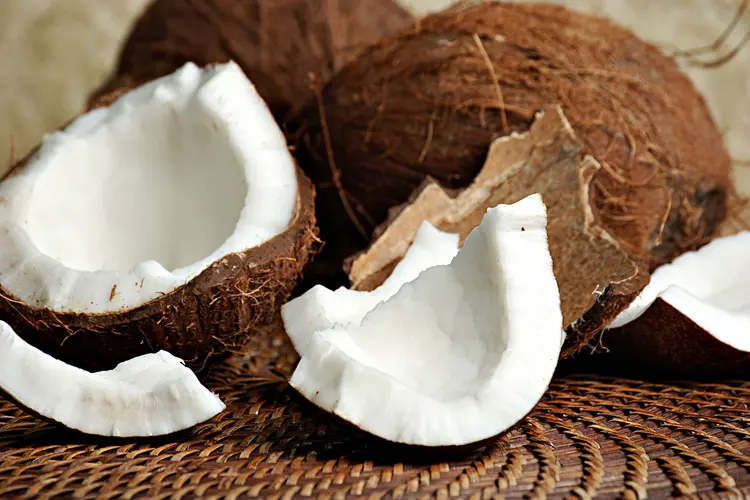
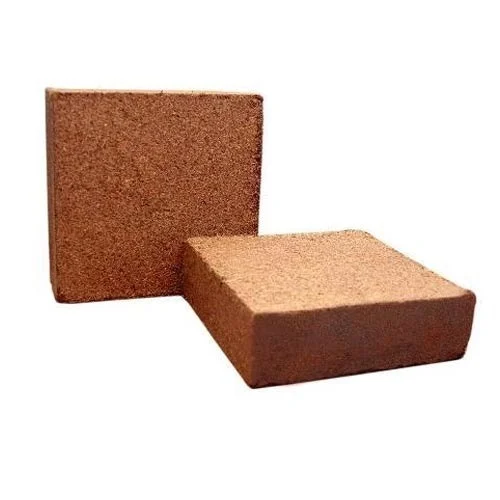
KASTURI COCONUT PROCESSING operates from Channapatna, in the southern Indian state of Karnataka, a region historically tied to coconut cultivation and processing. The company lists 46 active products spanning fresh coconuts, dried copra, desiccated coconut, virgin coconut oil, coconut shell charcoal, coconut water derivatives, and raw materials for incense stick manufacture. Its catalogue cuts across three primary HS code families: HS 0801 covering fresh and desiccated coconuts, HS 1203 covering copra (dried coconut kernel), and HS 1513 for virgin coconut oil, with secondary codes including HS 4402 for coconut shell charcoal and HS 2007 for processed coconut water products such as nata de coco. The supplier's profile describes it as a manufacturer and trader of fresh semi husked coconut, desiccated coconut powder, copra, coconut oil, virgin coconut oil, coconut shell, coconut shell charcoal, nata de coco, and agarbathi raw materials. Geographically, Channapatna sits within reach of Karnataka's coconut-growing districts and Tamil Nadu, giving the operation access to the major South Indian coconut belt where Tamil Nadu, Karnataka, and Kerala together account for the bulk of India's coconut output. The product mix is built almost entirely around the coconut palm, covering the nut itself (fresh and dried), processed kernel products (oil, desiccated powder, flakes, chips, sugar), the shell (halves, powder, charcoal, briquettes), coir derivatives (rope, pith blocks), and coconut water derivatives (nata de coco, vinegar).
Product Range and Specialties of KASTURI COCONUT PROCESSING
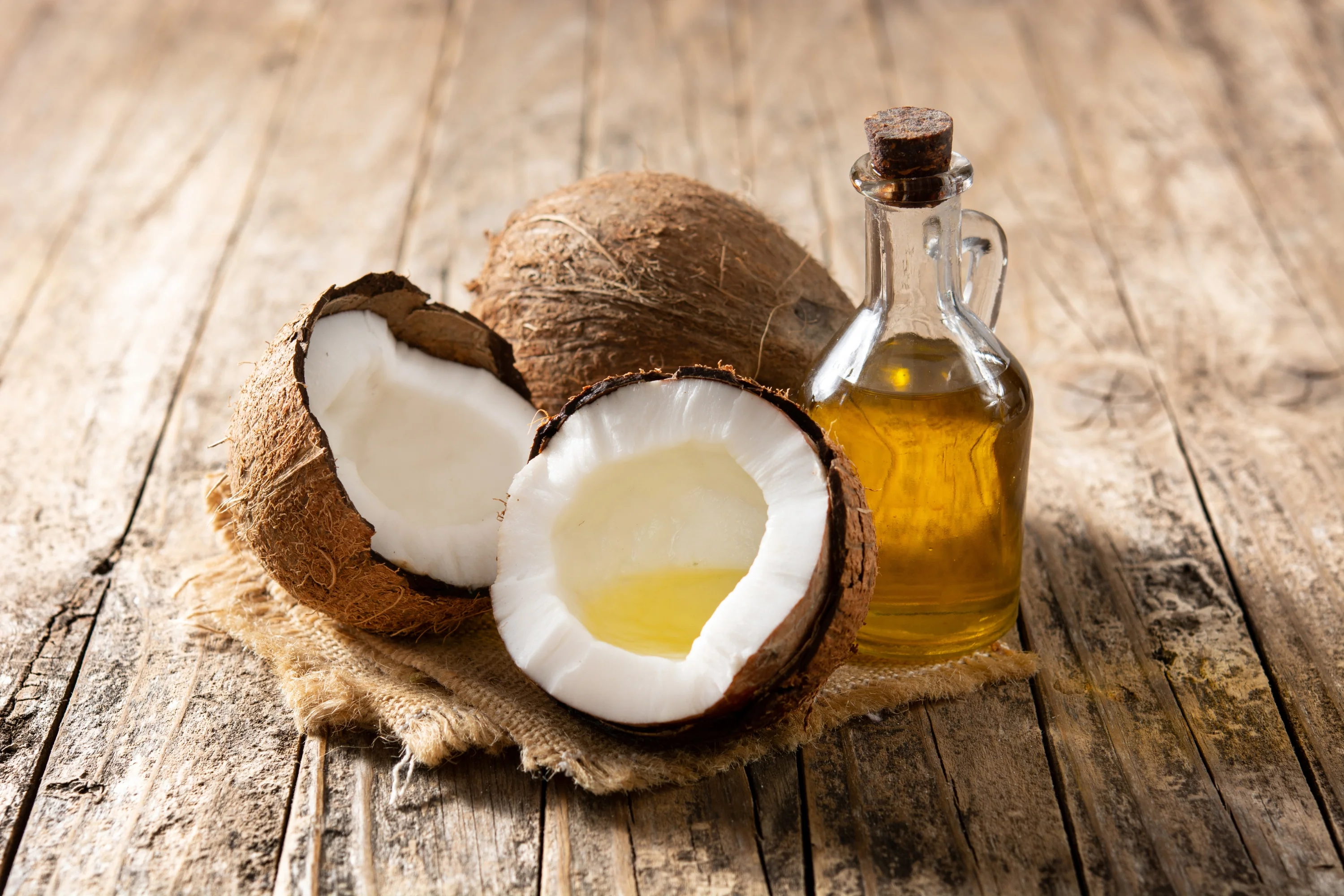
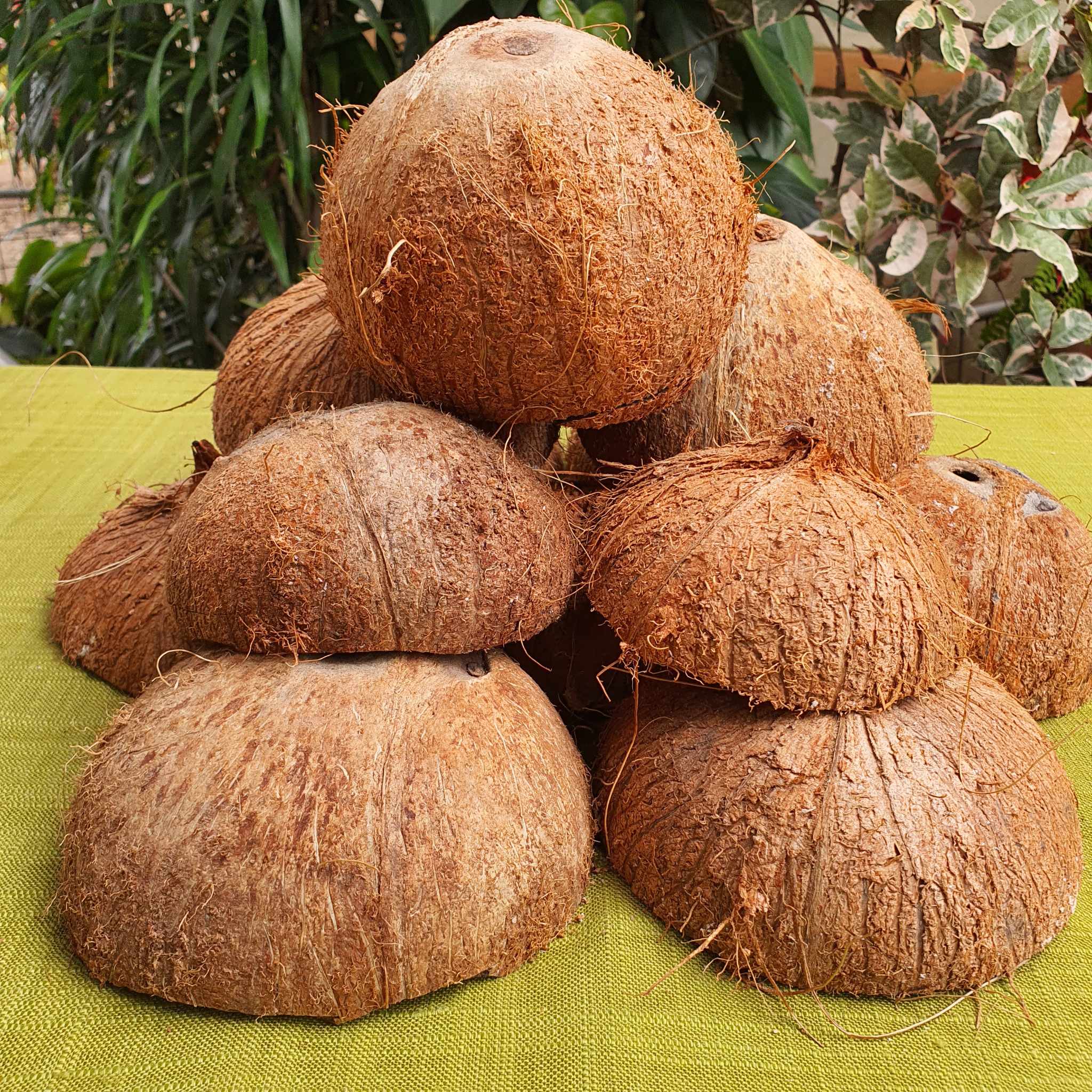
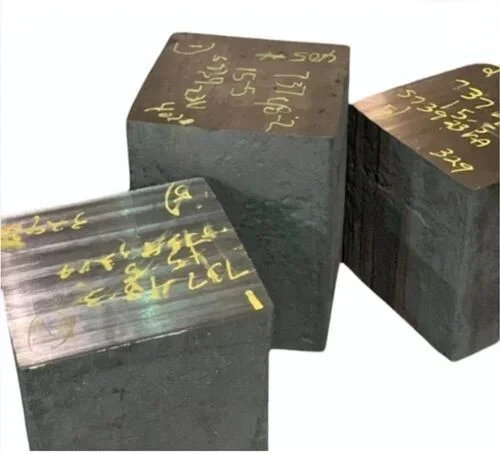
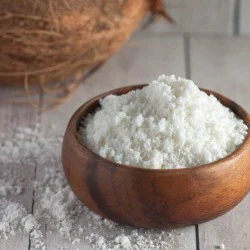
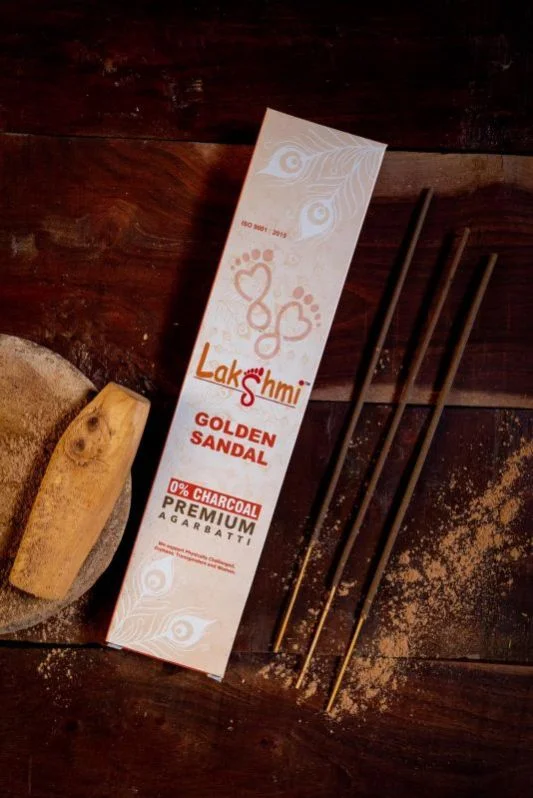
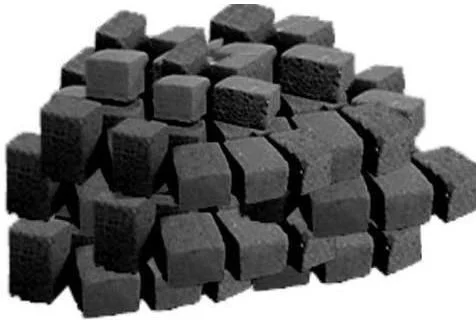
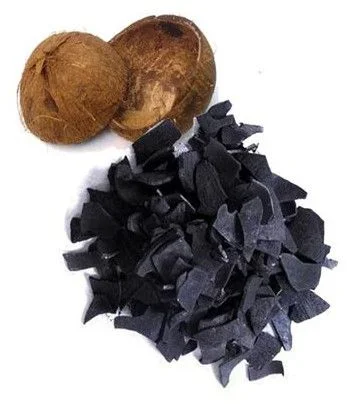
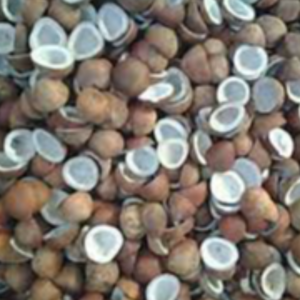
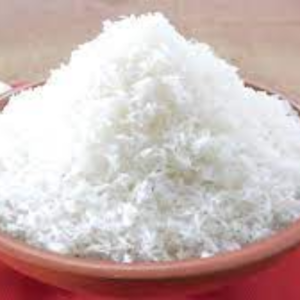
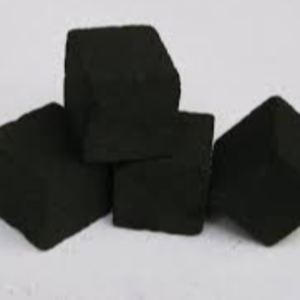
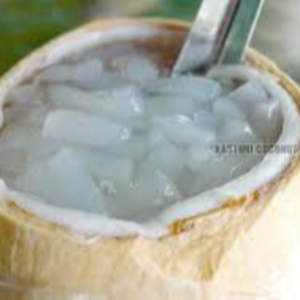
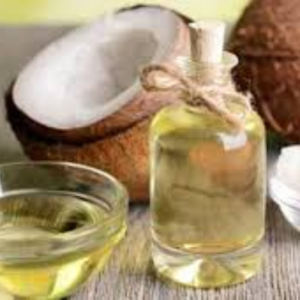
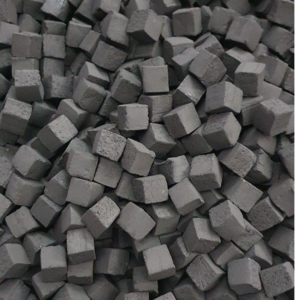
The KASTURI COCONUT PROCESSING catalogue is anchored in coconut-based goods, with 46 active listings. Fresh and semi-husked coconut entries sit under HS 0801, alongside desiccated coconut powder, coconut flakes, and coconut chips. Dried coconut products, including dry coconut, dry coconut two halves, and dried coconut ball copra, fall under HS 1203 (copra). Virgin coconut oil is classified under HS 1513, the same chapter that covers coconut soap oil. Coconut shell charcoal hookah cubes and coconut shell charcoal briquettes are listed under HS 4402, the chapter for wood charcoal, while coconut shell powder, coconut shell halves, and coconut shell two halves are additional shell-based items. Nata de coco (coconut jelly) is filed under HS 2007, covering jams, jellies, and similar processed fruit products. Buyers familiar with the coconut category will recognise the standard grade and specification framework that applies here. Desiccated coconut is typically traded in fine, medium, and coarse grades, with moisture commonly held below 3% and fat content around 60-65%, conforming to Codex Alimentarius CXS 177 for desiccated coconut. Virgin coconut oil is graded by production method (cold-pressed or expeller-pressed), with typical parameters of moisture below 0.1%, free fatty acids under 2%, and lauric acid content of roughly 45-52%. Copra grades follow regional practice, with ball copra and cup copra as the main forms, and moisture typically below 7%. Coconut shell charcoal for hookah and shisha use is commonly traded in 25 mm or 26 mm cube sizes, with fixed carbon above 70% and ash content below 6%, while briquettes are pressed from carbonised shell fines. The agarbathi (incense stick) raw materials listed, including raw agarbathi, agarbatti premix powder, scented incense sticks, dhoop sticks, and sambrani cups, are tied to a separate supply chain based on charcoal dust, jigat (binding gum), and aromatic powders, with coir fibre used as the stick core.
Trade and Export Information - KASTURI COCONUT PROCESSING
India is the world's third-largest producer of coconut, behind Indonesia and the Philippines, and is the leading exporter of value-added coconut products such as virgin coconut oil, desiccated coconut, and activated carbon. Exporters of coconut products from India typically ship to the United States, the European Union, the United Arab Emirates, Saudi Arabia, Sri Lanka, Bangladesh, and Japan, with food-grade desiccated coconut and virgin coconut oil flowing mainly to North America and Europe, and shell charcoal and coir products moving heavily to the Middle East and East Asia. The HS code families relevant to this catalogue are HS 0801 (coconuts, Brazil nuts, and cashew nuts, fresh or dried, including desiccated), HS 1203 (copra), HS 1513 (coconut, palm kernel, and babassu oils, including virgin coconut oil under 1513.11), HS 4402 (wood charcoal, including coconut shell charcoal), and HS 2007 (jams, jellies, and nata de coco). For these categories, buyers typically require a defined set of documents and certifications. Food-grade coconut products (desiccated coconut, virgin coconut oil, nata de coco, coconut sugar, coconut water vinegar) usually require a health certificate, phytosanitary certificate for fresh nuts, Certificate of Analysis covering moisture, fat, free fatty acids, peroxide value, and microbiology, and compliance with Codex Alimentarius standards. EU buyers additionally require compliance with EU Regulation 1881/2006 on contaminants and often request organic, kosher, or halal certification. Coconut shell charcoal and briquettes are typically shipped with a Certificate of Origin and, for hookah-grade charcoal, buyers commonly request ash content, fixed carbon, moisture, and burning time test reports. Packaging norms vary: fresh coconuts are shipped in 25 kg or 50 kg mesh bags or cartons, copra in 50-60 kg jute bags, desiccated coconut in 25 kg multi-wall kraft paper bags, virgin coconut oil in 200 kg steel drums or 20-25 litre food-grade jerrycans, and charcoal in 10-25 kg PP bags or shrink-wrapped packs. Standard Incoterms for these shipments are FOB and CIF for containerised sea freight, with 20 ft containers typically holding 18-20 tonnes of copra or desiccated coconut and around 14-16 tonnes of virgin coconut oil in drums.
Sourcing from KASTURI COCONUT PROCESSING - Buyer Guidance
Buyers sourcing from KASTURI COCONUT PROCESSING should request product-specific documentation before confirming any order. For desiccated coconut powder and coconut flakes, ask for a Certificate of Analysis covering moisture (typically below 3%), fat content (around 60-65%), free fatty acids, peroxide value, and total plate count, plus a declaration of conformity to Codex CXS 177. For virgin coconut oil, request FFA below 2%, moisture below 0.1%, peroxide value below 3 meq O2/kg, and lauric acid in the 45-52% range, along with a method-of-production statement (cold-pressed vs expeller). For fresh semi husked and dehusked coconut under HS 0801, request a phytosanitary certificate and confirm nut weight grade (typically 400-650 g per nut for export grade). For coconut shell charcoal hookah cubes under HS 4402, request fixed carbon, ash content, moisture, and burning duration test reports, and confirm cube size (commonly 25 mm or 26 mm). Verification steps that buyers should carry out include confirming the supplier's FSSAI licence for food-grade coconut products, APEDA registration for export of coconut and coir products, and, where organic claims are made, current third-party organic certification. Sample evaluation is standard practice: request 1-5 kg samples of desiccated coconut, 500 ml of virgin coconut oil, and a 2-3 kg pack of charcoal cubes before placing a container order. Confirm packaging type, net weight per unit, and palletisation, and agree on Incoterm (FOB Chennai or CIF buyer port are common for South Indian coconut exports). Lead times for these categories typically run 15-30 days from confirmed order for processed goods and 7-15 days for fresh coconuts, depending on container availability at Chennai or Cochin port. Buyers should also clarify MOQ per SKU, as copra and desiccated coconut are usually shipped in full 20 ft container loads while smaller mixed orders may attract a surcharge.
Frequently Asked Questions About KASTURI COCONUT PROCESSING
What product categories does KASTURI COCONUT PROCESSING supply?
The supplier lists 46 active products spanning fresh and semi-husked coconut (HS 0801), dried coconut and copra (HS 1203), desiccated coconut powder, flakes, and chips, virgin coconut oil (HS 1513), coconut shell charcoal and briquettes (HS 4402), nata de coco (HS 2007), coconut sugar, coconut water vinegar, coir rope and pith blocks, and agarbathi raw materials including raw agarbathi, premix powder, dhoop sticks, and sambrani cups.
Which HS codes apply to the coconut products in this catalogue?
Fresh and desiccated coconut fall under HS 0801, dried coconut and copra under HS 1203, virgin coconut oil under HS 1513 (specifically 1513.11 for virgin coconut oil), coconut shell charcoal under HS 4402, and nata de coco under HS 2007. Buyers should confirm the exact 6-digit subheading with the supplier based on the specific product and form.
What quality parameters should I request for virgin coconut oil?
Request a Certificate of Analysis showing free fatty acids below 2%, moisture below 0.1%, peroxide value below 3 meq O2/kg, lauric acid content of 45-52%, and a clear statement of production method (cold-pressed or expeller-pressed). Confirm packaging in food-grade 200 kg steel drums or 20-25 litre jerrycans.
What specifications are typical for desiccated coconut powder?
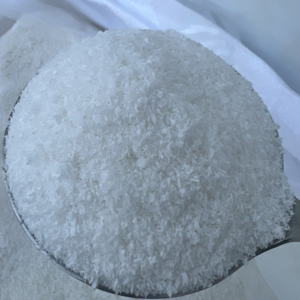
Desiccated coconut is typically traded in fine, medium, or coarse grades with moisture below 3%, fat content around 60-65%, and conformity to Codex Alimentarius CXS 177. Standard export packaging is 25 kg multi-wall kraft paper bags, and a microbiology and peroxide value report should accompany each shipment.
Which certifications should I ask KASTURI COCONUT PROCESSING to provide?
For food-grade coconut products, request FSSAI licence, APEDA export registration, and a Certificate of Analysis per batch. For EU-bound shipments, ask for compliance with EU Regulation 1881/2006 on contaminants. If organic, kosher, or halal status is required, request current third-party certificates. For coconut shell charcoal, ask for fixed carbon, ash, and moisture test reports.
What is the typical MOQ and lead time for these coconut products?
Copra and desiccated coconut are usually shipped in full 20 ft container loads (roughly 18-20 tonnes). Processed items such as virgin coconut oil and coconut sugar often have lower MOQs of 1-5 tonnes. Lead times are typically 15-30 days from confirmed order for processed goods and 7-15 days for fresh coconuts, subject to container availability at Chennai or Cochin port.
Which Incoterms and shipping options are standard for South Indian coconut exports?
FOB Chennai or Cochin and CIF buyer port are the most common Incoterms for coconut shipments from Karnataka and Tamil Nadu. Fresh coconuts are containerised at roughly 1,500-1,800 nuts per 20 ft container depending on size, copra at 18-20 tonnes per 20 ft container, desiccated coconut at 18 tonnes, and virgin coconut oil at 14-16 tonnes per 20 ft container in drums.
How should I verify the supplier before placing a bulk order?
Request product samples (1-5 kg for desiccated coconut, 500 ml for virgin coconut oil, 2-3 kg for charcoal cubes) and have them tested against the specifications above. Confirm FSSAI and APEDA registration, ask for references from previous export buyers, and verify phytosanitary and health certificate capability for the destination country before confirming the purchase order.




 CHANNAPATNA, India

.jpg.png)