HM Impex — Verified Supplier
About HM Impex - Knitted & Woven Fabrics Supplier in India
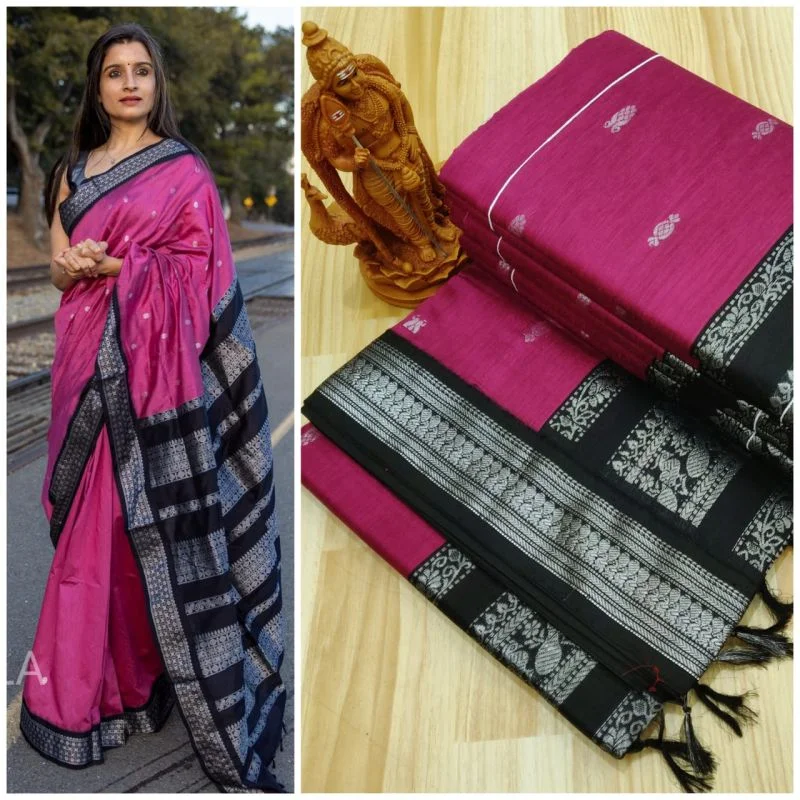
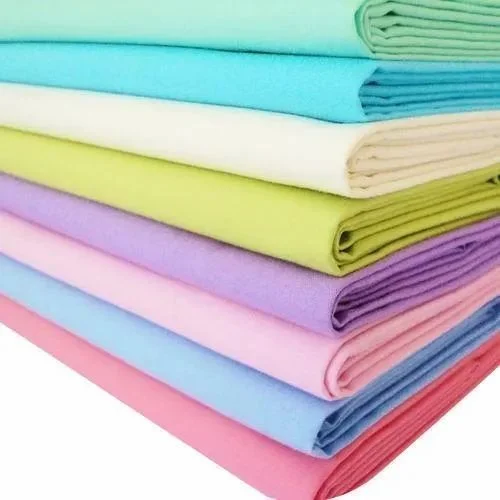
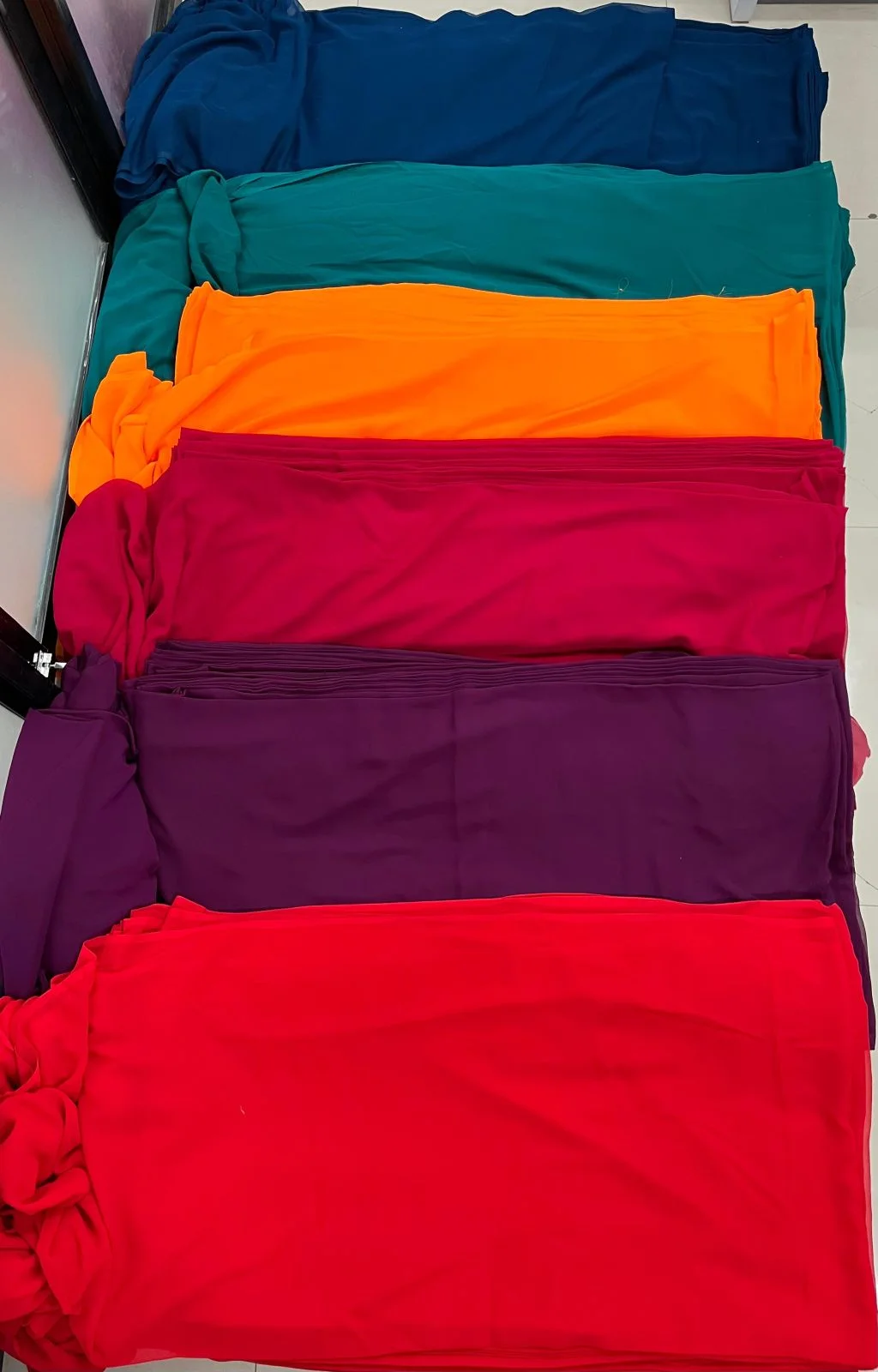
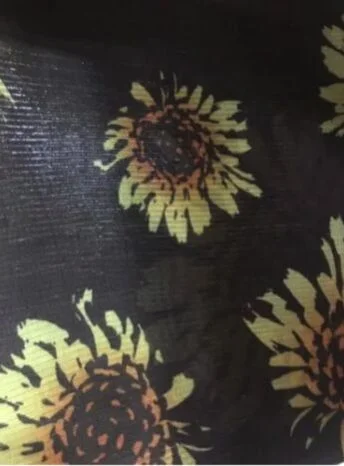
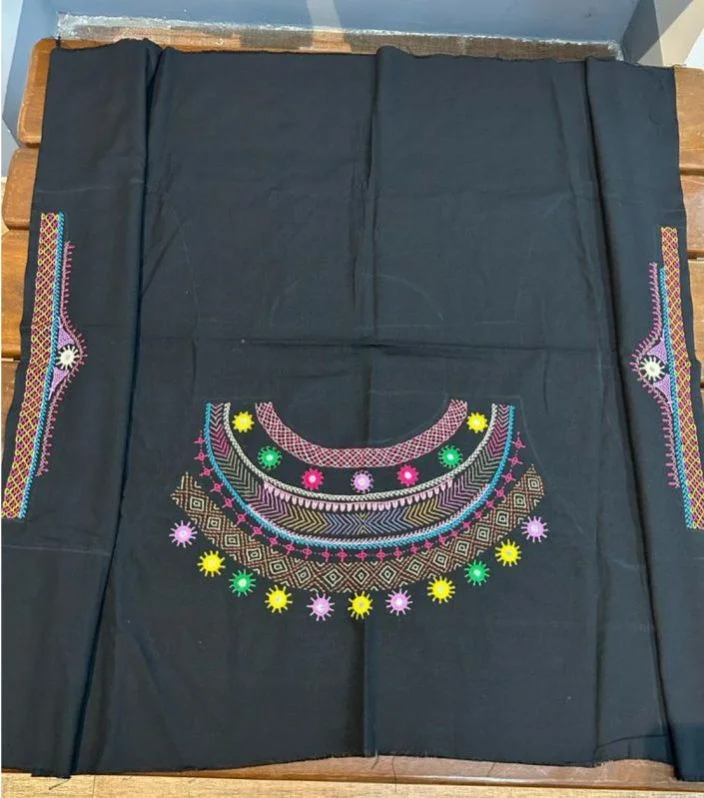
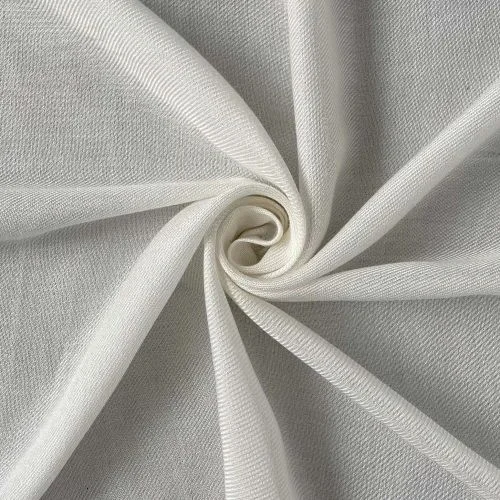
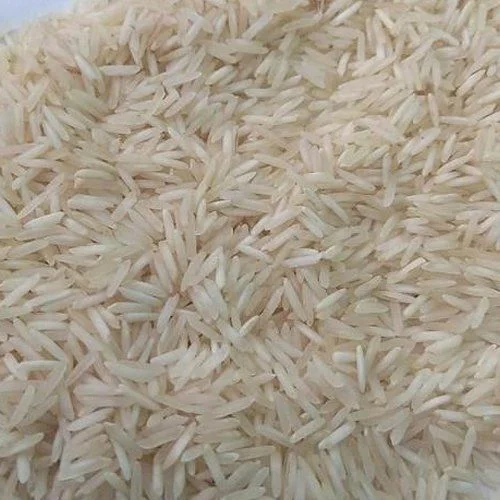
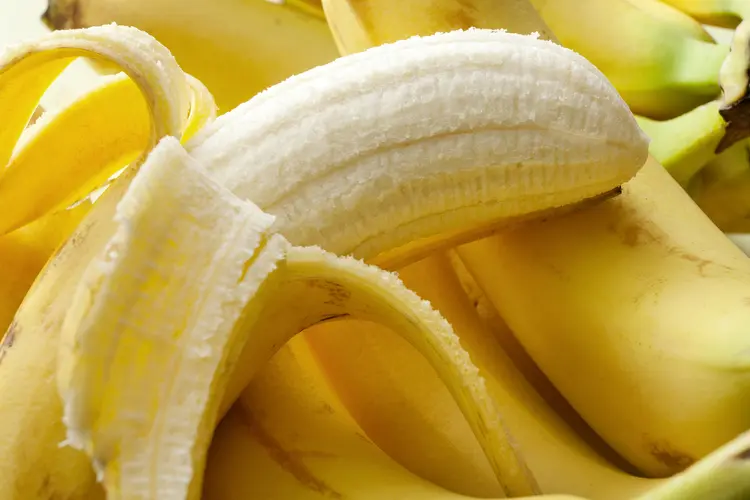
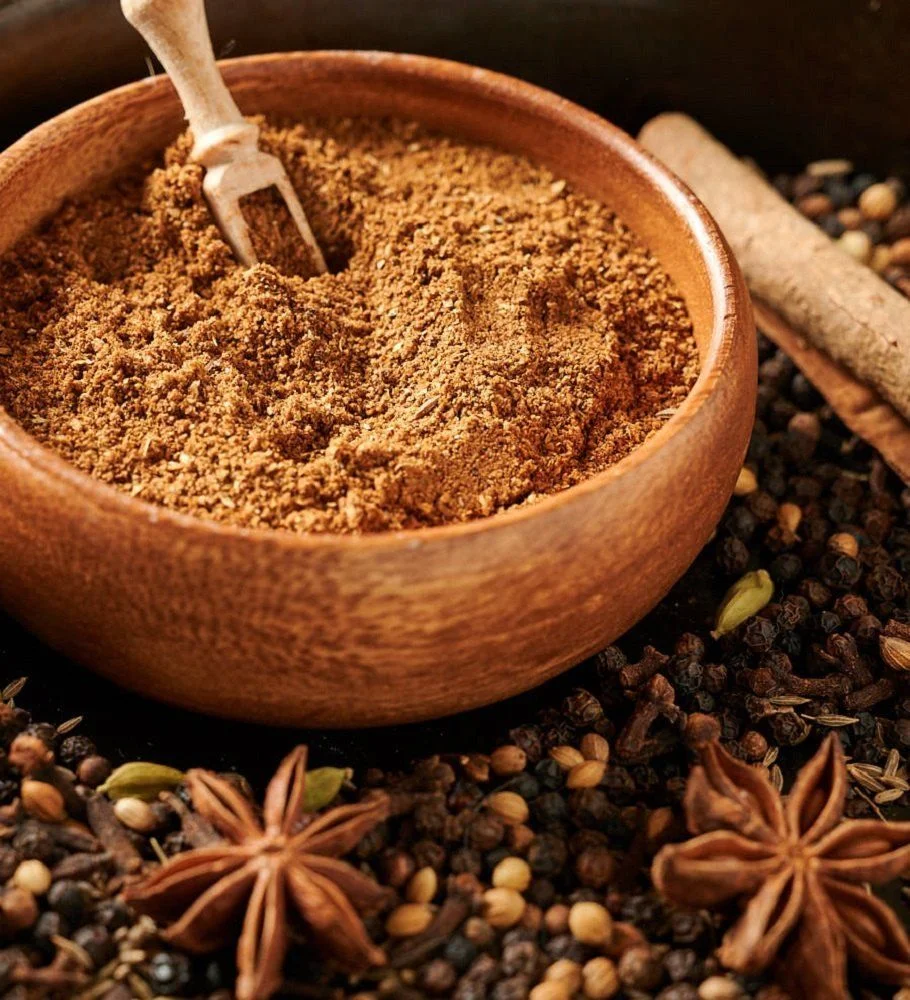
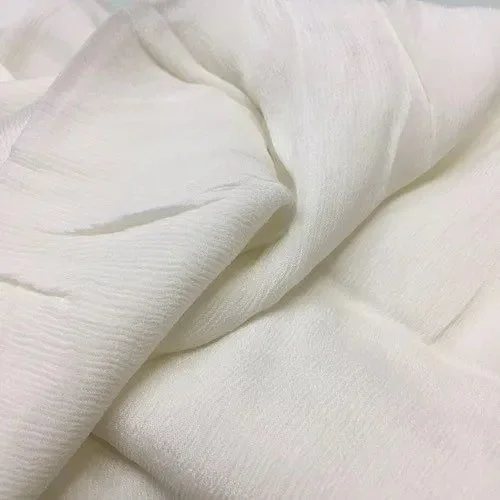
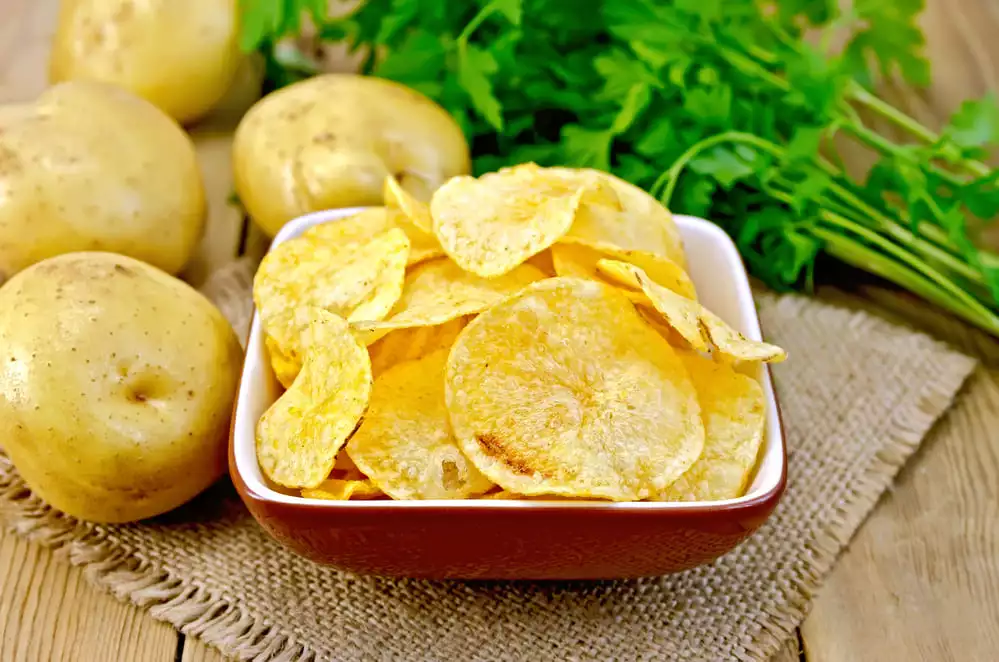
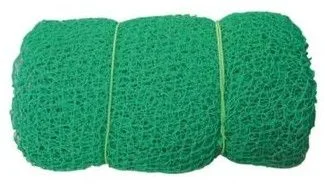
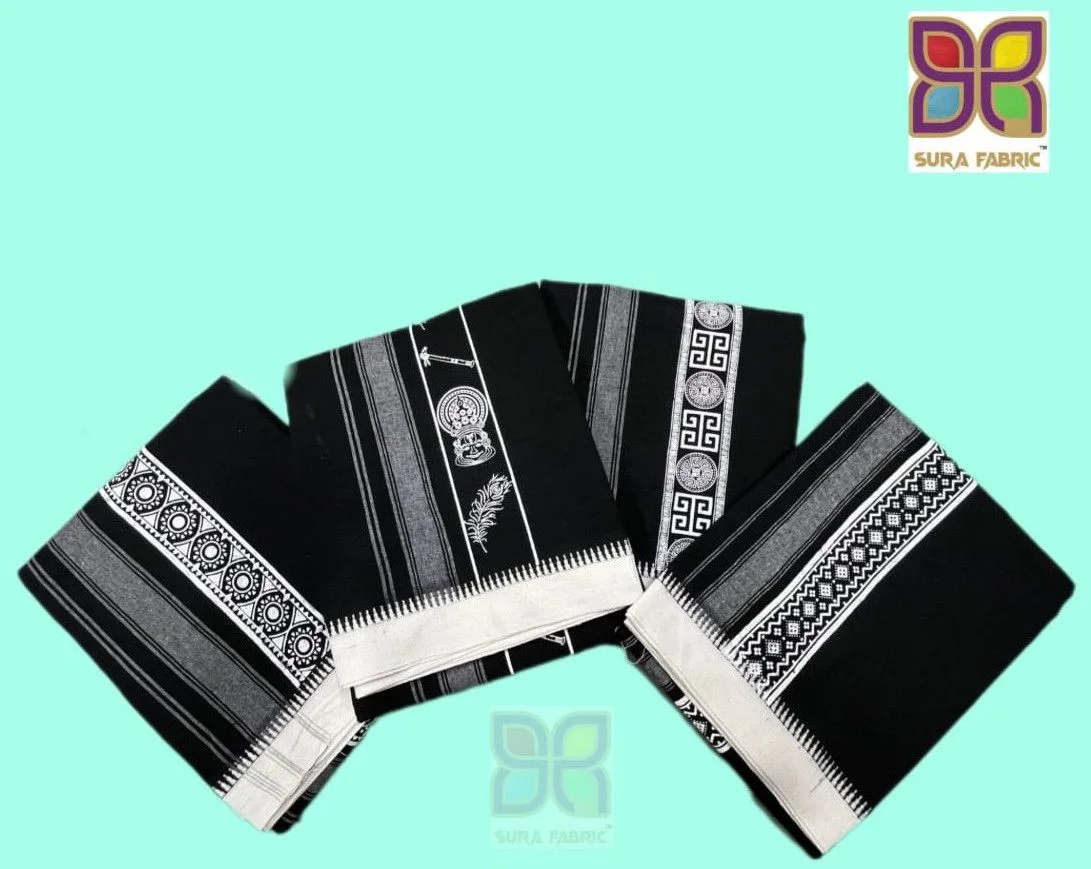
HM Impex is based in India and currently lists 31 distinct products across fresh produce, spices, rice, and textile fabrics. The catalogue includes staple vegetables such as onions and potatoes, fruit items like mango, pomegranate, watermelon and banana, as well as a range of spices and powders. In the grain segment the company offers both Basmati rice (HS 1006.30) and non‑Basmati rice. The textile side comprises knitted and woven fabrics including cotton, viscose, polyester, chiffon (HS 5007.90) and specialty sarees. All items are presented without reference to any specific certifications held by the supplier.
Product Range and Specialties of HM Impex
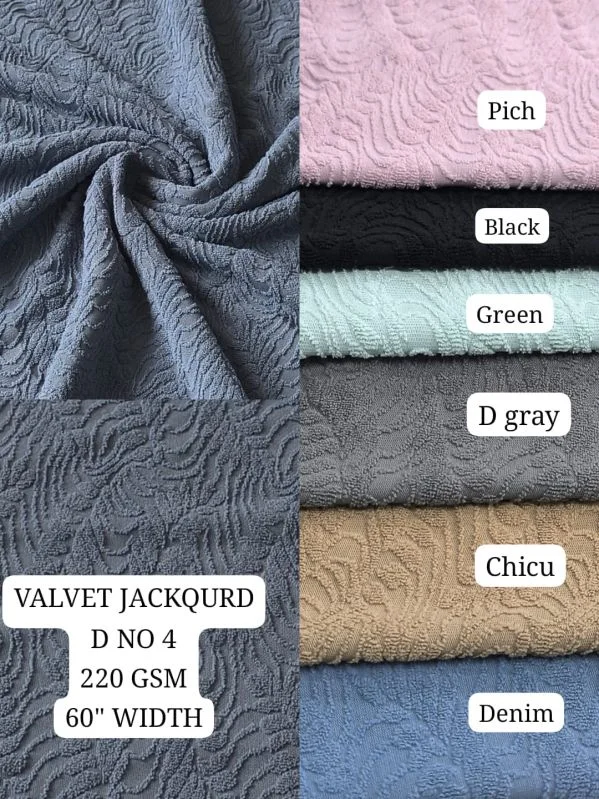
The product list details typical specifications for each category. Basmati rice is commonly graded as extra‑long grain with head‑rice recovery above 65 %, broken grain below 5 % and moisture not exceeding 14 %, usually packed in 25 kg woven polypropylene bags that fill roughly 800 bags in a 20‑ft container. Spice powders such as cumin, turmeric and coriander are expected to meet ISO 22000 or HACCP standards, with pesticide residue limits defined by the importing country; they are shipped in 1‑kg or 25‑kg polypropylene bags and often require a Certificate of Analysis. Fabrics listed under the knitted and woven segment typically range from 120‑200 gsm for cotton to 30‑70 gsm for chiffon blends, with polyester fabrics around 150‑250 gsm; standard industry certifications include Oeko‑Tex Standard 100, GOTS for organic fibers and ISO 9001 for quality management. Water‑soluble polyester resin is supplied in 25‑kg drums suitable for textile finishing applications.
Trade and Export Information - HM Impex
India is a leading exporter of Basmati rice to the Middle East, the European Union and the United States, with HS chapter 10 (e.g., 1006.30) governing customs procedures and requiring phytosanitary certificates and FSSAI compliance. Indian spice exports, including cumin seed and powder, are typically destined for the EU and North America; buyers usually request ISO 22000 compliance, a Certificate of Analysis and a pesticide residue test report. Fresh fruits such as mango, pomegranate and banana (HS 0803.10) are shipped in refrigerated containers under CIF or FOB terms, and importers often need a phytosanitary certificate and compliance with EU pesticide residue limits. The Indian textile sector supplies knitted and woven fabrics to Europe, the US and GCC markets; HS 5007.90 covers blended chiffon fabrics, and importers commonly look for Oeko‑Tex or REACH compliance, proper labeling of fiber content and compliance with fire‑safety standards where applicable. Standard logistics involve 20‑ft containers for bulk grains, 40‑ft containers for fabrics, and reefer containers for perishable produce, with Incoterms such as FOB Mumbai or CIF Dubai frequently used.
Sourcing from HM Impex - Buyer Guidance
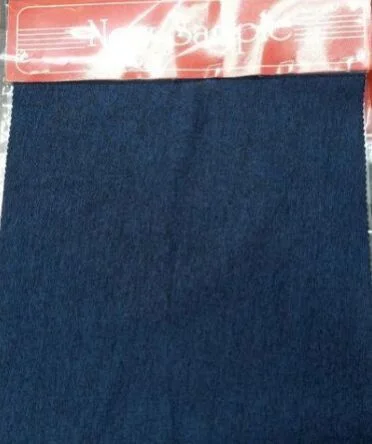
When sourcing food items from HM Impex, buyers should request a recent Certificate of Analysis that includes moisture content, broken‑grain percentage for rice, and pesticide residue levels for spices and fresh produce. A phytosanitary certificate is mandatory for fresh fruit and vegetables, and verification of FSSAI registration helps confirm compliance with Indian food‑safety regulations. For textile orders, request a detailed specification sheet showing fiber composition, GSM, weave type and any relevant Oeko‑Tex or ISO 9001 test reports; a 1‑meter fabric swatch can be used to confirm colour and hand feel before full production. Confirm packaging details - 25‑kg bags for rice, polypropylene bags for spices and paper‑rolled fabrics - and ensure the supplier can provide proper HS‑code documentation and container loading plans. Finally, clarify lead times (30‑45 days for fresh produce, 45‑60 days for grains, 60‑90 days for fabrics) and agree on payment and shipping terms before contract finalisation.
Frequently Asked Questions About HM Impex
What product categories does HM Impex offer?
HM Impex lists fresh vegetables (onions, potatoes), fruits (mango, pomegranate, watermelon, banana), a range of spices and powders (cumin seed, turmeric, fenugreek, coriander), Basmati and non‑Basmati rice, and numerous knitted and woven fabrics including cotton, viscose, polyester, chiffon (HS 5007.90) and specialty sarees.
How can I request a sample from HM Impex?
Buyers can ask the supplier to ship a small quantity, such as a 5 kg sample of a spice or a 1‑meter swatch of fabric, typically under FOB terms. Samples are usually sent in standard packaging - polypropylene bags for spices and paper‑wrapped rolls for fabrics.
Which certificates should I ask for before purchasing food items?
Request a phytosanitary certificate, a Certificate of Analysis showing moisture, broken‑grain percentage (for rice) and pesticide residue levels, and evidence of compliance with ISO 22000 or FSSAI standards. These documents are standard for Indian agricultural exports.
What certifications are relevant for the fabrics?
Typical fabric certifications include Oeko‑Tex Standard 100 for harmful substance testing, GOTS for organic cotton, and ISO 9001 for quality management. Buyers should ask the supplier to provide the latest test reports or certificates that match the fabric type.
What are the typical minimum order quantities?
Fresh produce is usually shipped in full 20‑ft refrigerated containers (approximately 20‑25 tonnes). Spices often have a MOQ of 500 kg, rice is commonly ordered in 25‑kg bags with a minimum of 1 tonne, and fabrics start from 500 meters of material.
What packaging formats are used for the different products?
Vegetables and fruits are packed in ventilated cartons, rice in 25‑kg woven polypropylene bags, spices in 1‑kg or 25‑kg polypropylene bags, and fabrics are rolled on paper cores and loaded into 40‑ft containers. All packaging complies with standard export requirements for the respective HS codes.
Which HS codes apply to the main product groups?
Basmati rice is classified under HS 1006.30, banana under HS 0803.10, and chiffon blends under HS 5007.90. Other fresh vegetables, spices and generic fabrics follow the standard HS chapters for agricultural produce (chapter 07) and textiles (chapter 50‑63).
What are the usual lead times for orders?
Lead times vary by product: fresh produce typically requires 30‑45 days from order confirmation, rice and other grains need 45‑60 days, while knitted and woven fabrics may require 60‑90 days depending on weaving and finishing processes.




 , India