Jeeja Export Services — Verified Supplier
About Jeeja Export Services - Multi‑Category Supplier in India
India hosts a diversified export base and Jeeja Export Services lists 25 active products across mineral, spice and fresh‑produce segments. The catalogue spans HS Chapter 26 mineral products such as fly ash, HS Chapter 12 oil‑seed and spice items like coriander seeds, and HS Chapter 07 and 08 fresh vegetables and fruits including potato, tomato, garlic, mushroom, banana and apple, each recorded under the appropriate tariff headings used for bulk agricultural trade.
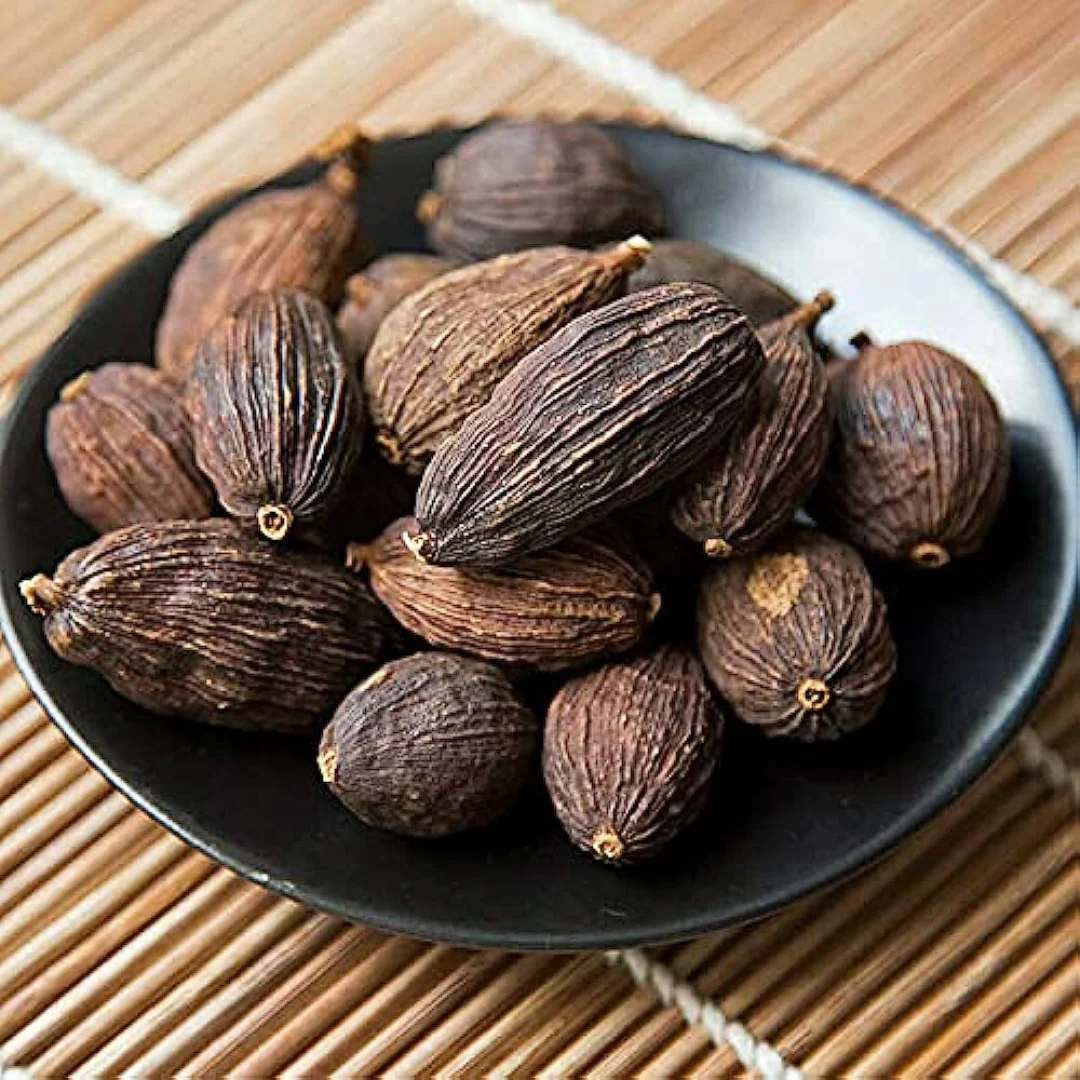
The supplier’s current catalogue contains fly ash, cenosphere and a full suite of fresh horticultural goods such as potato, tomato, garlic, mushroom, banana, apple, grapes, mango, oranges, mandarin and pomegranate, plus staple grains like rice, maize, wheat and millet and oil‑seed products including black mustard, sesame and black gram. The product list also includes specialty items such as chilli, ginger, lady finger (okra), cassiatora seeds and cassiatera seeds, reflecting a mix of perishable and non‑perishable commodities that Indian exporters typically ship in refrigerated containers, bulk bags or 20‑ft/40‑ft containers depending on the commodity.
Product Range and Specialties of Jeeja Export Services
The catalogue explicitly names mineral by‑product fly ash and cenosphere, both classified under HS 2621 and used in cement and concrete applications. In the spice and seed segment Jeeja offers coriander seeds, black mustard seeds, sesame seeds, black gram and cassiatora seeds, which buyers normally assess for moisture below 12 %, seed size uniformity and compliance with FSSAI and ISO 22000 food‑safety standards. Fresh produce entries cover potatoes (often graded A‑class with size 65‑85 mm), tomatoes (graded by Brix 4‑6 % and firmness), garlic (clove count 10‑12 per kg), mushroom (cap diameter 30‑50 mm), banana (Cavendish, length 150‑190 mm) and apples (grade based on colour and firmness). Additional fruit items such as grapes, mango, oranges, mandarin and pomegranate follow typical export specifications of ≤12 % moisture, appropriate sugar content and packaging in ventilated cartons for sea freight. Grain and cereal items - rice, maize, wheat and millet - are shipped in bulk bags with moisture limits of 14 % for rice and 13 % for wheat, and standard HS codes 1006‑1008. Typical certifications requested include Phytosanitary Certificate, Certificate of Origin and, where applicable, organic or HACCP documentation.
Trade and Export Information - Jeeja Export Services
India ranks among the top global exporters of fresh fruits, vegetables and spices, supplying the Middle East, European Union, United States and Southeast Asian markets. Export shipments of fresh produce from India usually use refrigerated sea containers (40 ft refrigerated units) or air freight for high‑value items, while bulk grains and mineral products travel in standard dry containers or bulk bags. HS Chapter 07 and 08 products require compliance with the importing country’s phytosanitary regulations and often a mandatory inspection under the WTO SPS Agreement. Mineral products like fly ash are subject to HS 2621 regulations and may need a Material Safety Data Sheet (MSDS) and compliance with ISO 9001 for quality management. Buyers typically request certificates such as FSSAI approval for food items, ISO 22000 for processing facilities and, for organic claims, USDA Organic or EU Organic certification. Indian exporters also adhere to the Export Inspection Council (EIC) guidelines for pre‑shipment inspection and packaging standards, which help streamline customs clearance in destination ports.
Sourcing from Jeeja Export Services - Buyer Guidance
When sourcing from Jeeja Export Services, buyers should request a current Phytosanitary Certificate for all fresh produce, a Certificate of Analysis confirming moisture, pesticide residue limits and any applicable grain quality parameters, and an ISO 22000 or FSSAI compliance statement for processed food items. Samples of perishable goods are usually provided in insulated boxes with ice packs, and buyers are advised to verify the sampling protocol, including Brix or firmness testing for tomatoes and sugar content for fruits. For mineral products like fly ash, request the MSDS, particle size distribution report and confirmation of compliance with local cement industry specifications (e.g., Class F fly ash). Verify packaging details - bulk bags for grains, ventilated cartons for fruits, and refrigerated containers for vegetables - and confirm that the supplier can meet standard Incoterms such as FOB Mumbai or CIF Dubai, which are common for Indian exports.
Frequently Asked Questions About Jeeja Export Services
What HS code families apply to Jeeja Export Services’ product list?
Mineral products such as fly ash fall under HS Chapter 26 (code 2621), spices and oil‑seed items under Chapter 12 (e.g., 1207 for coriander seeds), fresh vegetables under Chapter 07 (e.g., 0701 for potatoes), fresh fruits under Chapter 08 (e.g., 0803 for bananas, 0805 for apples) and cereals under Chapter 10 (e.g., 1006 for rice).
Which certifications are typically required for the fresh produce offered by Jeeja Export Services?
Importers generally request a Phytosanitary Certificate, a Certificate of Origin, and evidence of food‑safety compliance such as FSSAI registration or ISO 22000. For organic claims, USDA Organic or EU Organic certification may be needed.
How are perishable items like potatoes and tomatoes packaged for export?
Potatoes are packed in mesh bags or corrugated cartons with ventilation holes, while tomatoes are placed in ventilated boxes with cushioning. Both are loaded into refrigerated containers (40 ft) maintained at 4‑8 °C for sea shipments.
What quality parameters should a buyer verify for spices such as coriander seeds?
Buyers should check seed moisture (≤12 %), foreign matter content (≤2 %), and ensure compliance with FSSAI limits on pesticide residues. A Certificate of Analysis from an accredited lab is standard.
What documentation is needed for mineral products like fly ash?
For fly ash, buyers typically request the Material Safety Data Sheet (MSDS), particle size distribution report, and a test report confirming compliance with cement industry standards (e.g., Class F specifications).
What are the typical lead times for shipping fresh fruit from India?
Lead times depend on the mode of transport; sea freight in refrigerated containers usually requires 20‑30 days from port of loading, while air freight can deliver within 3‑7 days after export clearance.
Can Jeeja Export Services provide samples before a full order?
Yes, the supplier can arrange small insulated sample shipments for fresh produce and laboratory‑tested sample bags for grains or spices, allowing buyers to assess quality and compliance before confirming volume.
What Incoterms are commonly used for Indian exporters like Jeeja Export Services?
FOB (Free on Board) from major Indian ports such as Mumbai or Chennai and CIF (Cost, Insurance, Freight) to regional hubs like Dubai are the most frequently applied Incoterms for these product categories.




 , India



.jpg.png)