ENVOL INTERNATIONAL SARL — Verified Supplier
About ENVOL INTERNATIONAL SARL - Mixed Agricultural Supplier in Cote D'ivoire
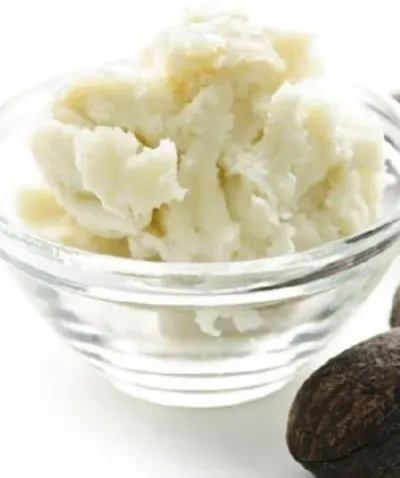
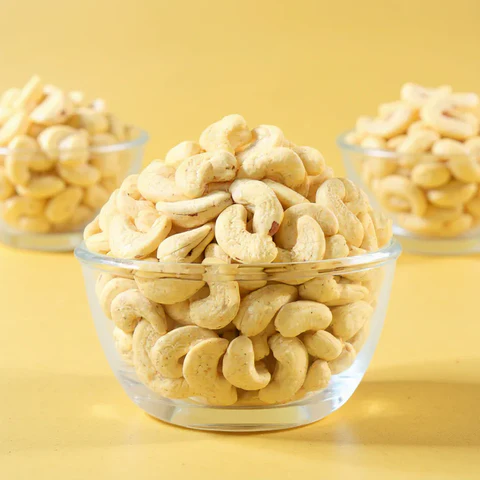
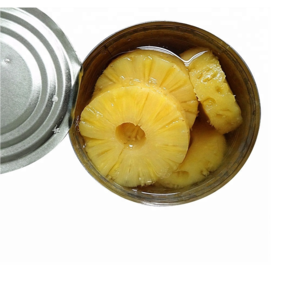
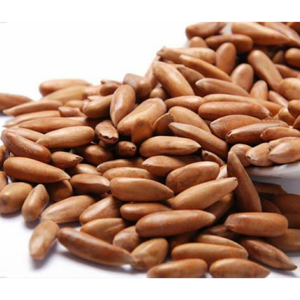
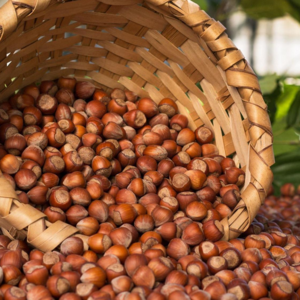
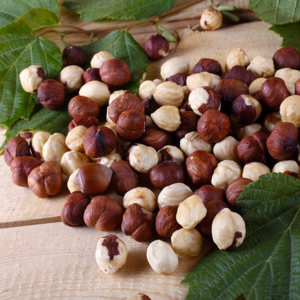
Based in Abidjan, Côte d'Ivoire, ENVOL INTERNATIONAL SARL currently lists ten distinct agricultural and raw material products in its catalogue. The portfolio includes fermented dried cocoa beans (HS 1801.00), defatted cocoa powder (HS 1805.00), pure cocoa butter (HS 1804.00), green coffee beans (HS 0901.11), raw cashew kernels (HS 0801.32), natural rubber (HS 4001.22), dried kola nuts (HS 0801.29), raw shea nuts (HS 1207.99), shea butter (HS 1515.90) and fresh pineapple (HS 2008.20).
The supplier is classified as an imported tier with a harbor trust tier, indicating that its products are primarily sourced for export from the port of Abidjan. The listed categories span major export commodities of Côte d'Ivoire such as cocoa, coffee, nuts and tropical fruit, complemented by rubber and shea derivatives.
Product Range and Specialties of ENVOL INTERNATIONAL SARL
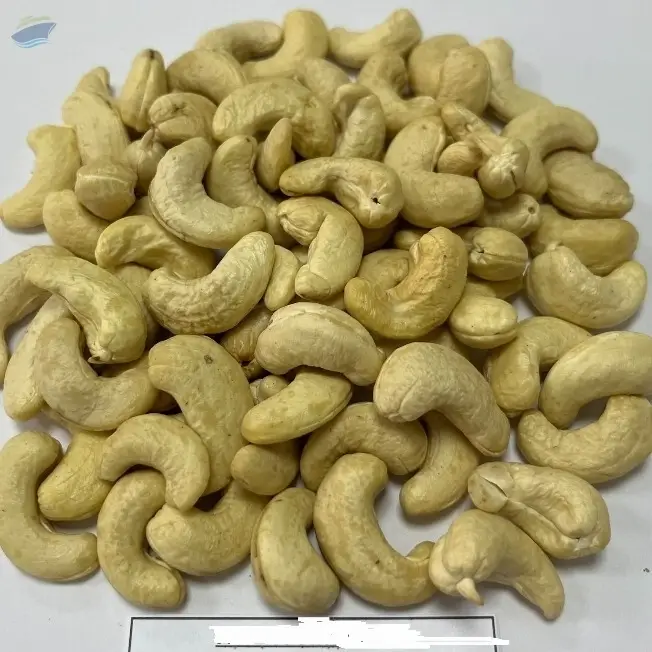
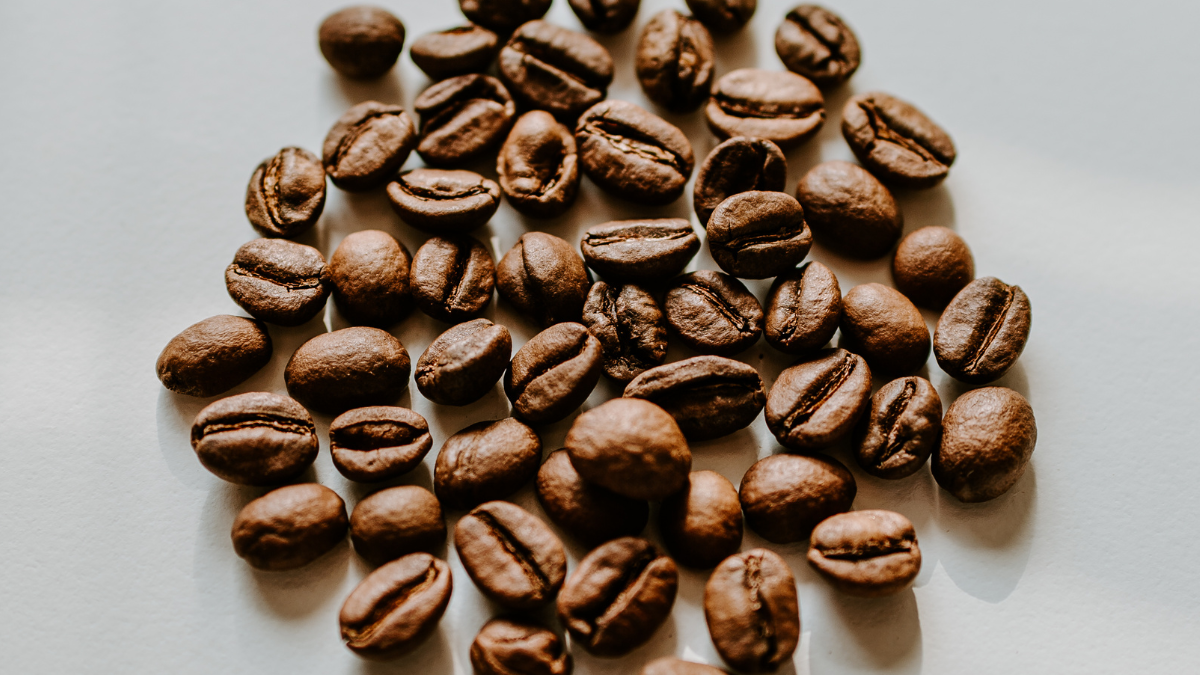
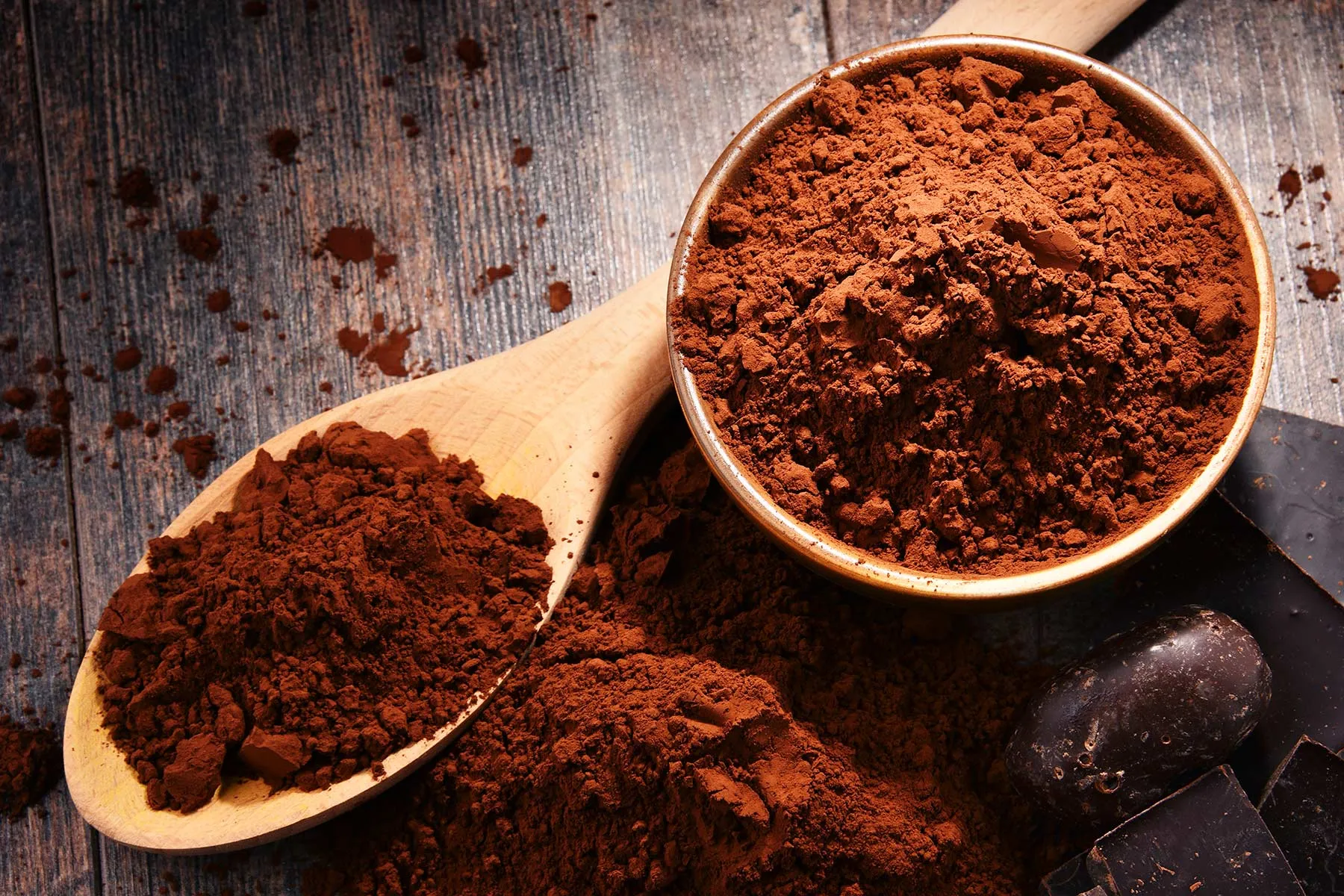
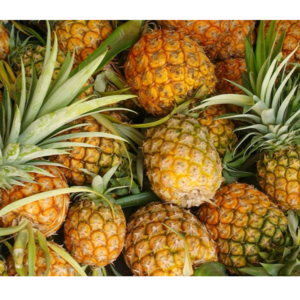
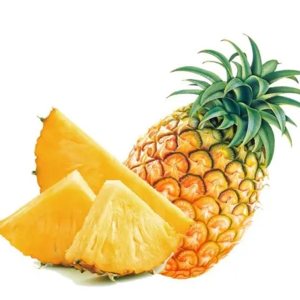
Cocoa beans from Côte d'Ivoire are generally graded by ICUMSA colour values between 30 and 45 and moisture below 7 %. The defatted cocoa powder listed under HS 1805.00 typically contains 22 - 24 % fat and a minimum of 80 % cocoa solids. Pure cocoa butter (HS 1804.00) is expected to meet a free fatty acid level below 0.1 % and a melting point around 34 - 38 °C. Green coffee beans (HS 0901.11) are usually classified as AA or A grade with moisture not exceeding 12 % and screen size 12 - 15 mm. Raw cashew kernels (HS 0801.32) are sorted by size (e.g., 16 mm) and have a moisture content under 5 %. Natural rubber (HS 4001.22) is supplied as dry rubber with a dry rubber content of 30 % or higher. Kola nuts (HS 0801.29) are dried to a moisture level below 8 % and are often sold in 25 kg jute bags. Shea nuts and shea butter (HS 1207.99 and 1515.90) are typically crude, with butter purity above 95 % and a free fatty acid content below 1 %. Fresh pineapple (HS 2008.20) is exported in ventilated cartons, with a Brix level of 12 - 14 % indicating ripeness.
Trade and Export Information - ENVOL INTERNATIONAL SARL
Côte d'Ivoire supplies over 40 % of the world’s cocoa beans, making HS chapter 18 products a staple for buyers in Europe, North America and East Asia. Coffee beans from the region are increasingly sourced by specialty roasters in the United States and Europe, who request phytosanitary certificates and cupping scores. Rubber exports follow HS 4001 conventions, with buyers in the automotive and tire sectors requiring ISO 9001 and ASTM D444 quality reports. Shea nuts and butter serve the cosmetics and food industries in the EU, where REACH compliance and organic certification are common prerequisites. Fresh pineapple shipments are typically packed in 20‑ft containers with ventilated pallets, complying with EU phytosanitary regulations. Standard Incoterms for these commodities include FOB Abidjan or CIF to the buyer’s port, with container loading optimized for the 25 kg bag or 1 ton bulk formats.
Sourcing from ENVOL INTERNATIONAL SARL - Buyer Guidance
When sourcing from ENVOL INTERNATIONAL SARL, buyers should request a certificate of origin, a phytosanitary certificate and, where applicable, analysis reports for moisture, aflatoxin (for cocoa) and pesticide residues (for nuts and fruit). For cocoa butter and shea butter, a purity assay and free fatty acid test are standard. Sample sizes of 5 kg for cocoa beans or 2 kg for coffee beans are typical for quality verification. Verify that the HS code on the commercial invoice matches the product material, and confirm packaging details such as 25 kg jute bags for beans or bulk drums for butter. Lead times for most listed items range from 30 to 45 days after order confirmation, with minimum order quantities often set at one standard 20‑ft container (approximately 20 metric tons for bulk commodities).
Frequently Asked Questions About ENVOL INTERNATIONAL SARL
What HS codes are used for the main products offered by ENVOL INTERNATIONAL SARL?
The catalogue assigns HS 1801.00 to cocoa beans, 1805.00 to cocoa powder, 1804.00 to cocoa butter, 0901.11 to coffee beans, 0801.32 to raw cashew kernels, 4001.22 to natural rubber, 0801.29 to kola nuts, 1207.99 to raw shea nuts, 1515.90 to shea butter and 2008.20 to fresh pineapple.
Which quality specifications are typical for Côte d'Ivoire cocoa beans?
Export‑grade cocoa beans are usually graded by ICUMSA colour values between 30 and 45, moisture below 7 %, and a total flavonoid content above 2 %. Aflatoxin levels must not exceed 10 µg/kg for most markets.
What certifications should I request when importing the coffee beans?
Buyers commonly ask for a phytosanitary certificate, a certificate of origin and a cupping score sheet. Additional certifications such as Fairtrade, Rainforest Alliance or ISO 22000 are often required by specialty roasters.
How are the raw cashew kernels packaged for export?
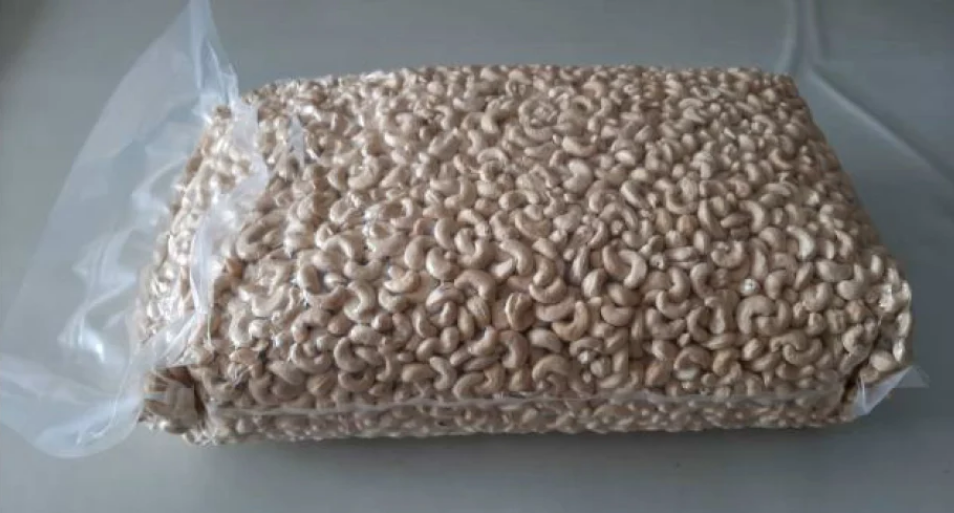
Cashew kernels are typically packed in 25 kg woven jute bags or bulk 1‑ton export drums, sealed with a moisture‑proof liner. The packaging complies with ISPM 15 wood‑packaging regulations for container loading.
What documentation is required for shea butter shipments to the EU?
EU importers usually require a certificate of origin, a phytosanitary certificate, a REACH safety data sheet and a purity analysis showing at least 95 % butter content and free fatty acids below 1 %.
What are the common lead times and minimum order quantities for these products?
Lead times generally range from 30 to 45 days after order confirmation. Minimum order quantities are often set at one 20‑ft container, which equates to roughly 20 metric tons for bulk items such as cocoa beans, rubber or shea butter.
Which Incoterms does ENVOL INTERNATIONAL SARL usually apply?
The supplier typically quotes FOB Abidjan for bulk shipments and CIF to the buyer’s destination port for containerized goods such as pineapple or processed cocoa products.
Are there any special storage requirements for the fresh pineapple?
Fresh pineapple should be stored at 7 - 13 °C with a relative humidity of 85 - 90 % to preserve firmness and Brix level. Ventilated containers are used to prevent moisture buildup during transit.




 , Cote D'ivoire





.jpg.png)