Arthbound International — Verified Service Provider & Wholesale Supplier
About Arthbound International - Guar Gum Supplier in India
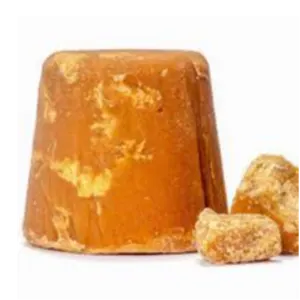
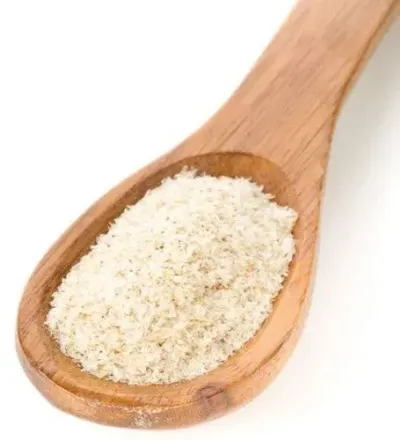
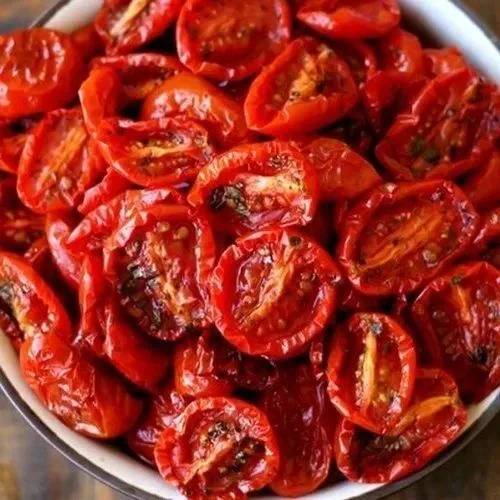
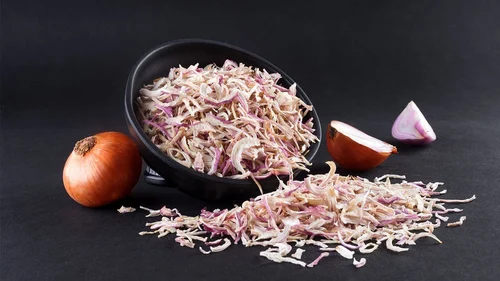
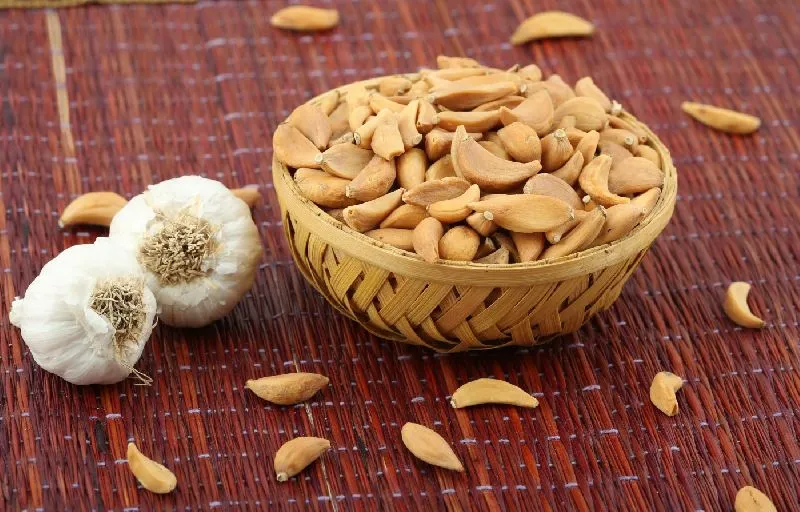
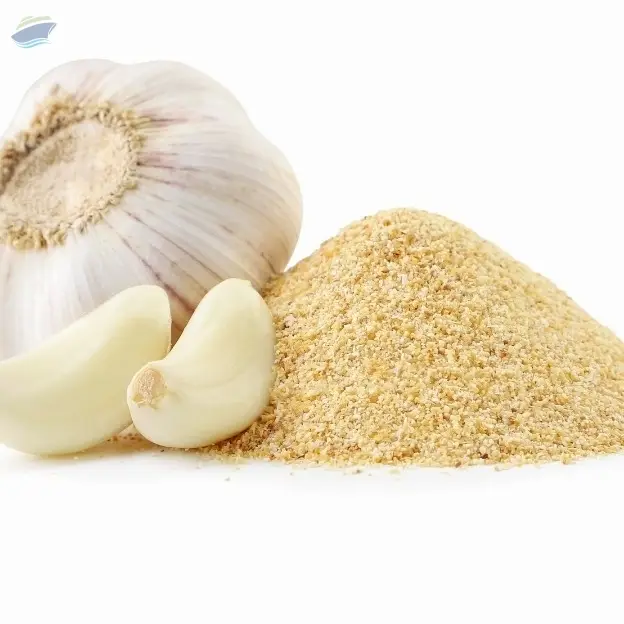
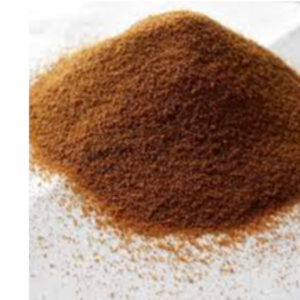
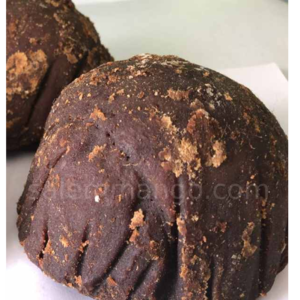
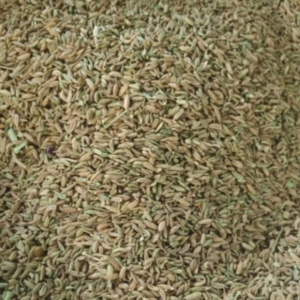
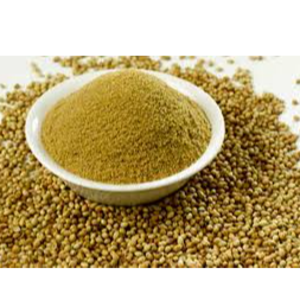
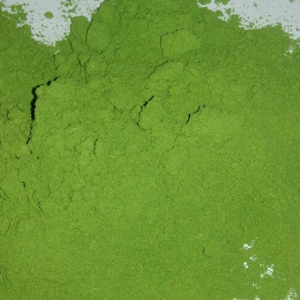
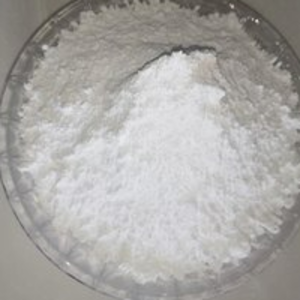
Arthbound International is based in Surat, Gujarat, India and lists ten active products in its catalogue. The offerings include Food Grade Guar Gum Powder (HS 1302.32), Industrial Grade Guar Gum (HS 1302.32), Fast Hydrating Guar Gum Powder (HS 1302.39), Garlic Powder (HS 07129020), Sapota Powder (HS 0804.90), Onion Powder (HS 07122000), Tomato Powder (HS 07129090), Green Chilly Powder (HS 090422), Psyllium Husk (HS 12119032), and Jaggery (HS 1701.90).
The product list spans several HS‑code families: chapter 13 for guar gum derivatives, chapter 07 for spice and vegetable powders, chapter 08 for fruit powder, chapter 12 for dietary‑fiber husk, and chapter 17 for traditional sweeteners. These categories correspond to common export lines of Indian food ingredients that are supplied to food manufacturers and ingredient distributors.
Product Range and Specialties of Arthbound International
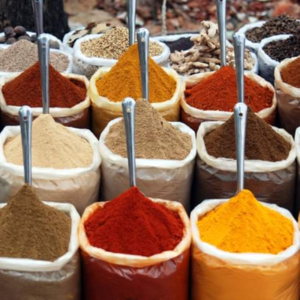
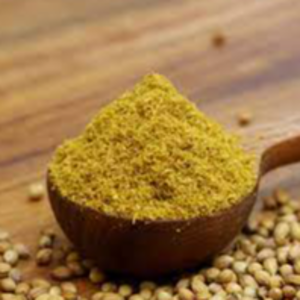
The catalogue covers food‑grade guar gum in three forms - standard powder, industrial grade, and a fast‑hydrating variant - each classified under HS 1302.32 or HS 1302.39. Additional powders include garlic, onion, tomato, green chilli, and sapota, all falling under HS 0712‑90 or HS 0804‑90, as well as psyllium husk (HS 1211‑90) and jaggery (HS 1701‑90).
In the Indian food‑ingredient market, guar gum is typically supplied with a viscosity of 80‑150 mPa·s at 2 % solution and moisture below 12 %. Garlic and other spice powders are commonly graded by moisture (≤10 %), ash (≤5 %) and particle size (≤80 mesh). Sapota powder and tomato powder often meet ICUMSA 45 colour standards, while psyllium husk is evaluated for fibre content (≥85 %) and jaggery for purity (≥98 %).
Trade and Export Information - Arthbound International
India exports vegetable, fruit and spice powders primarily to the Middle East, Europe, North America and Africa, where they are used in processed foods, seasoning blends and bakery formulations. The relevant HS‑code families (1302, 0712, 0804, 1211, 1701) are routinely inspected under the customs regimes of importing countries, requiring a Certificate of Origin, a Phytosanitary Certificate and a Certificate of Analysis.
Buyers typically request compliance with food‑safety standards such as FSSAI, ISO 22000 or HACCP, and for organic‑labelled items an organic certification (e.g., USDA‑NOP or EU‑organic) is verified. Standard logistics involve loading 25 kg paper bags into 20‑ft containers (≈800 kg) or 40‑ft containers (≈1.5 t) under FOB Surat or CIF destination terms, with moisture‑resistant liners to protect the powders.
Sourcing from Arthbound International - Buyer Guidance
When sourcing from Arthbound International, buyers should obtain a recent Certificate of Analysis that details moisture, ash, microbial limits and any pesticide residues for each powder. Requesting the supplier’s FSSAI registration, ISO 22000 or HACCP audit reports, and, where applicable, organic certification will confirm compliance with typical import requirements.
Verify the HS‑code classification and ensure the packaging meets the buyer’s specifications - for example, 25 kg multi‑layer paper bags with inner liners for moisture protection. Samples of at least 2 kg per product are advisable before confirming a full‑scale order, and the buyer should confirm the MOQ, lead time and shipping terms in writing.
Frequently Asked Questions About Arthbound International
What specifications are typical for the Food Grade Guar Gum Powder offered by this supplier?
The food‑grade guar gum is usually supplied with moisture not exceeding 12 %, a viscosity of 80‑150 mPa·s at a 2 % solution, and particle size passing an 80 mesh sieve. Compliance with food‑safety standards such as ISO 22000 or FSSAI is commonly required, and a Certificate of Analysis should confirm these parameters.
Which certifications are generally required for the spice powders like Garlic Powder and Green Chilly Powder?
Importers normally ask for a Certificate of Analysis, FSSAI registration, HACCP compliance and, if the product is marketed as organic, an approved organic certification. A phytosanitary certificate is also standard for fresh‑derived spice powders.
What is the usual minimum order quantity for the powdered products?
Minimum order quantities range from 500 kg to 2 tonnes depending on the specific powder, with initial shipments often packed in 25 kg paper bags. Larger volumes are typically loaded in 20‑ft or 40‑ft containers.
What lead time should a buyer expect after confirming a sample?
After sample approval, production generally requires 15‑30 days, followed by 5‑7 days for container loading and customs clearance at the port of Surat. Total lead time from order confirmation to shipment is therefore about 3‑5 weeks.
How are the products packaged for export?
Products are packed in multi‑layer 25 kg paper bags with inner moisture‑resistant liners, and bulk shipments use food‑grade polypropylene bulk bags. The bags are then placed in standard 20‑ft or 40‑ft containers for sea freight.
Which HS codes apply to the listed products?
Guar gum powders use HS 1302.32 (food grade and industrial) or HS 1302.39 (fast hydrating), garlic, onion and other spice powders fall under HS 0712‑90, sapota powder under HS 0804‑90, tomato powder under HS 0712‑90, green chilli powder under HS 0904‑22, psyllium husk under HS 1211‑90, and jaggery under HS 1701‑90.
Which regions are the main importers of Indian vegetable and fruit powders?
Key markets include the United Arab Emirates, Saudi Arabia, the United Kingdom, the United States and Germany, where the powders are used in processed foods, seasoning blends and bakery applications. These regions typically require compliance with their respective food‑safety regulations.
What quality tests are standard for ensuring safety of these food powders?
Standard tests cover moisture content, ash, total plate count (≤10⁴ CFU/g), yeast and mould limits, pesticide residues, and heavy‑metal limits as defined by Codex Alimentarius. Results are documented in the Certificate of Analysis provided by the supplier.





 Surat, India