Contec — Verified Supplier

About Contec - Cement Supplier in Viet Nam

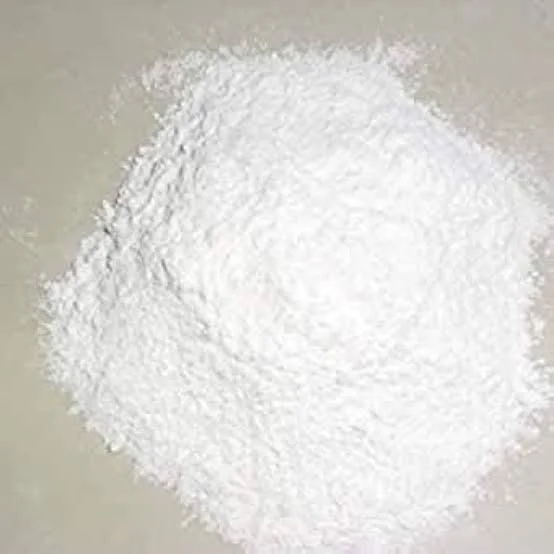
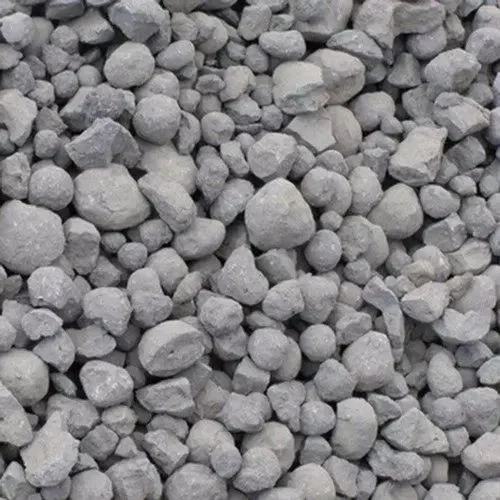
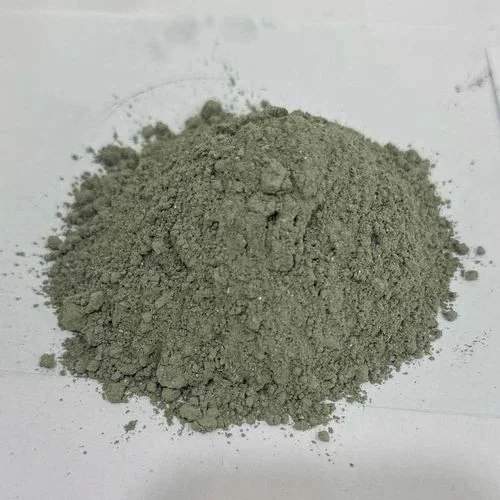
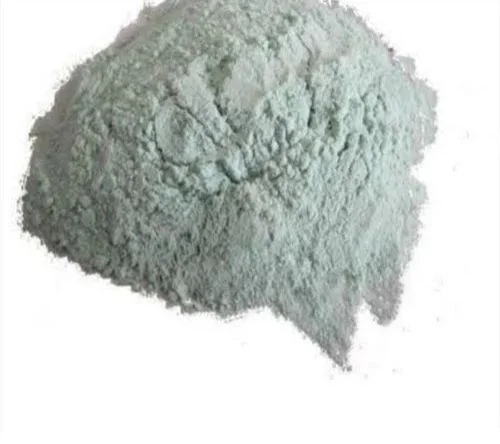
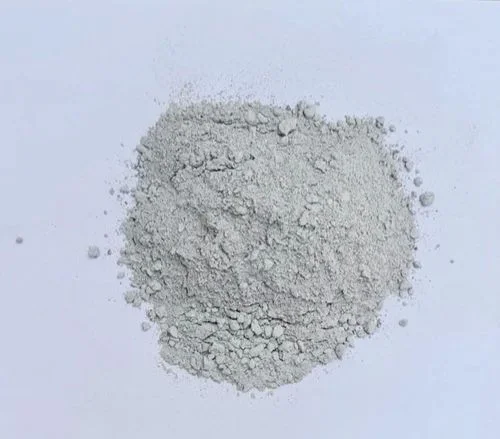
Contec, located in Viet Nam, offers 6 active products. The company lists a range of goods, including Cement, Clinker, Rice, Other Wooden Boards, Black Cardamom, and Steel Billets. Specifically, Contec's Cement product is classified under the HS code 2523.29 and is made of Portland Cement Clinker with Gypsum (OPC), while its Clinker product falls under the HS code 2523.10 and is composed of Cement Clinker (Calcium Silicates, Calcium Aluminates, Calcium Ferrites).

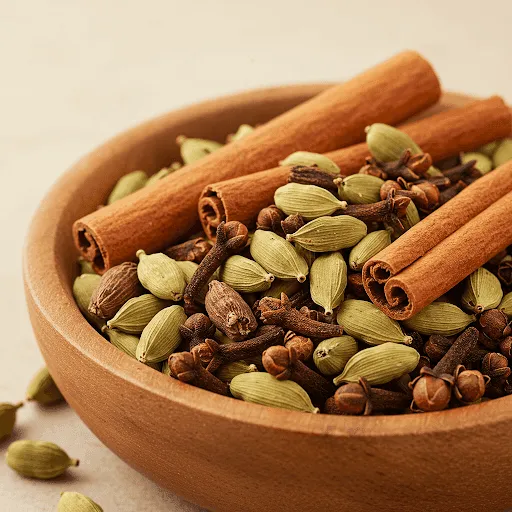
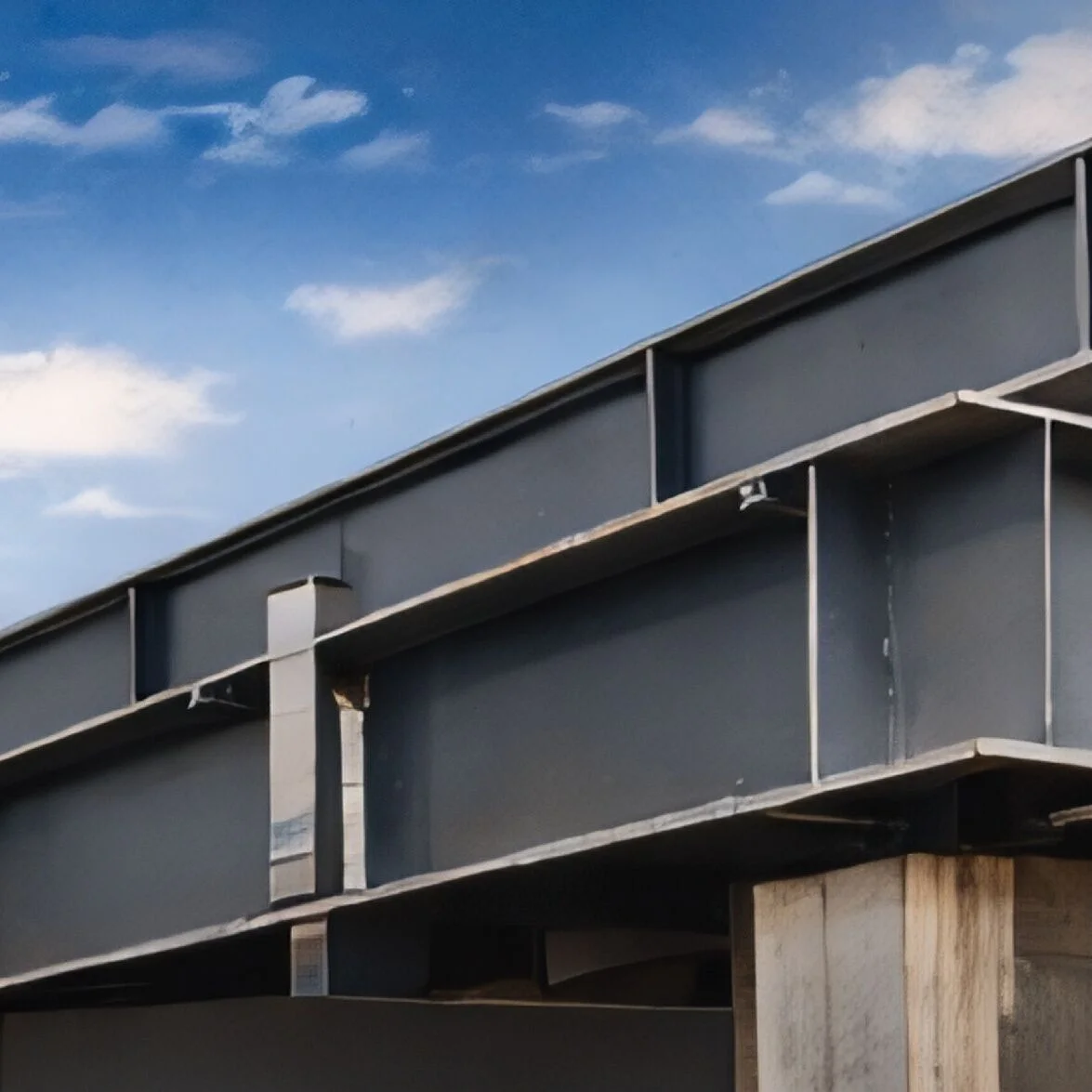
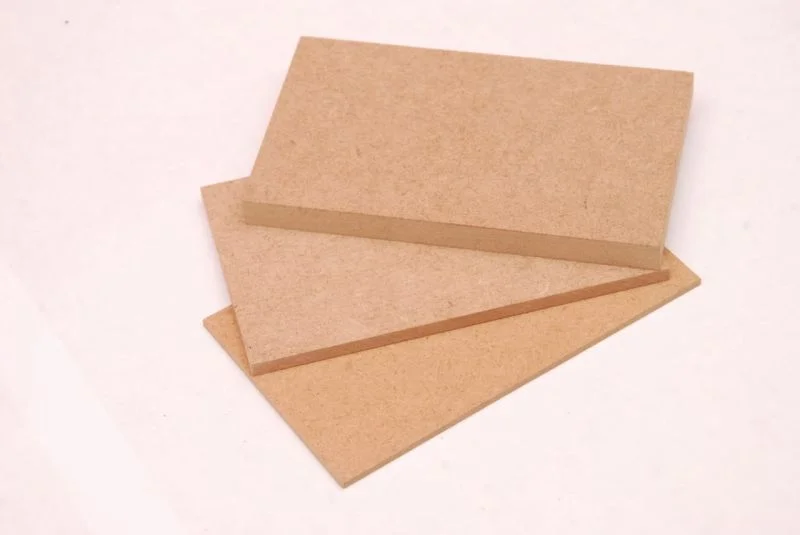
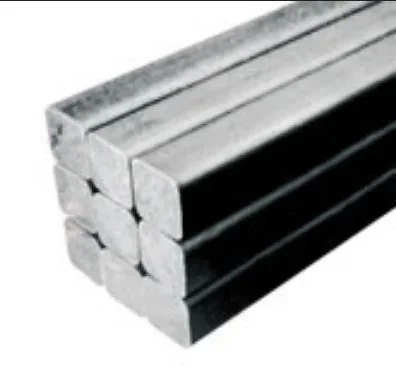
In addition to these construction materials, Contec also supplies Rice and various wooden products, such as plywood, wood panels, sawn boards, and particle boards. Furthermore, the company offers Black Cardamom and construction steel, including iron billets and steel billets, with the latter being classified under the HS code 7207.11 and made of Carbon Steel Billet (Iron base, C 0.05-0.25%).

Product Range and Specialties of Contec

Contec's product range encompasses various categories, each with its own set of typical grades and standard specifications. For instance, Cement is often classified into different strength classes, such as 32.5R, 42.5R, or 52.5R, and may conform to standards like ASTM C150 or EN 197-1. Clinker, on the other hand, is typically evaluated based on its chemical composition, including the levels of calcium oxide, silicon dioxide, and aluminum oxide.

The wooden products, including plywood and sawn boards, are usually graded based on their thickness, moisture content, and the presence of defects, with common standards being those set by the International Organization for Standardization (ISO) or the American Society for Testing and Materials (ASTM). Black Cardamom is often categorized by its quality, with factors such as the proportion of seeds, the moisture level, and the presence of impurities being important considerations. Construction steel, including steel billets, is typically specified by its chemical composition, particularly the carbon content, and its physical properties, such as tensile strength and yield strength.

Trade and Export Information - Contec

Exporters of construction materials like Contec typically ship their goods to regions with significant construction activities, such as the Middle East, Africa, and parts of Asia. These exports often involve HS code families like 2523 for cement and clinker, and 7207 for iron and steel. Buyers of these goods usually require certifications like ISO 9001 for quality management or ASTM compliance for specific product standards.

The logistics of these exports can be complex, involving bulk shipments via sea freight, with Incoterms like FOB or CFR commonly used. Packaging is crucial, with materials like bags or wraps for cement and clinker, and bundles or coils for steel products. Regulatory compliance, including adherence to local building codes and environmental regulations, is also essential for these exports.

Sourcing from Contec - Buyer Guidance

When sourcing from Contec or similar suppliers, buyers should request specifications, samples, and test reports to verify the quality of the goods. For cement and clinker, it's essential to confirm the chemical composition and physical properties, such as strength class and setting time. For wooden products, the moisture content, thickness, and presence of defects should be verified.

Buyers should also inquire about the certifications and compliance with international standards that the supplier adheres to, such as ISO 9001 for quality management or specific product standards like ASTM C150 for cement. Additionally, understanding the Incoterms, packaging, and shipping arrangements is crucial to avoid any misunderstandings or additional costs.

Frequently Asked Questions About Contec

What is the typical packaging for cement and clinker?

The typical packaging for cement and clinker includes bags or wraps, with each bag usually containing 50 kg of the material. For bulk shipments, these bags are often loaded onto pallets or into containers for easier handling and transportation.

How do I verify the quality of the wooden products?

To verify the quality of wooden products like plywood or sawn boards, you should inspect the goods for defects, measure their thickness and moisture content, and check for compliance with relevant standards like those set by ISO or ASTM.

What certifications should I request from the supplier for construction steel?

For construction steel, including steel billets, you should request certifications like ISO 9001 for quality management and compliance with specific product standards like ASTM A615 for steel bars. Additionally, a mill test report and a certificate of origin can provide assurance about the product's quality and origin.

What is the usual lead time for orders of construction materials?

The usual lead time for orders of construction materials can vary depending on the supplier, the type of material, and the destination. However, a common lead time range is between 2 to 6 weeks, with some orders requiring longer preparation times due to factors like production scheduling and shipping arrangements.

How do I confirm the moisture content of the wooden products?

To confirm the moisture content of wooden products, you can use a moisture meter or request a test report from the supplier. The acceptable moisture content can vary depending on the type of wood and its intended use, but generally, it should be below 20% to prevent warping or rotting.

What are the common Incoterms used for the export of construction materials?

Common Incoterms used for the export of construction materials include FOB (Free on Board), CFR (Cost and Freight), and CIF (Cost, Insurance, and Freight). The choice of Incoterm depends on the agreement between the buyer and the seller and can significantly affect the responsibilities and costs for both parties.

How do I verify the chemical composition of cement and clinker?

To verify the chemical composition of cement and clinker, you should request a test report or a certificate of analysis from the supplier. This document should detail the levels of key components like calcium oxide, silicon dioxide, and aluminum oxide, which are crucial for determining the product's quality and suitability for its intended use.

What is the significance of the HS code for construction materials?

The HS code is significant for construction materials because it determines the customs duties and regulations that apply to the import and export of these goods. For instance, cement and clinker fall under the HS code 2523, while iron and steel are classified under the HS code 7207. Understanding the correct HS code is essential for compliance with trade regulations and for calculating the correct duties and taxes.


Featured Products from this Supplier

Other Suppliers in Primary Category

Top Trusted Suppliers

Related Products

Trending in Parent Category

More Suppliers in Category

Related Products

Other Suppliers

EximNext
58.5K+ live requirements
Register Free🎁 Reach verified global buyers
Post Requirement
🌍 Trusted by 224.6K+ businesses in 200+ countries|
58.5K+ active requirements right now
✉️ [email protected]
|
Sell on EximNextPost Requirement
EximNext
AgricultureApparelConstructionElectronicFoodHomeIndustrialMineralsMiscellaneous
🔥 Deals|✨ AI Match|🏭 Suppliers|📋 Buy Leads|💰 Trade Finance
58.5K+ live RFQs·194.6K+ suppliers
🎁 Reach global buyers →
EximNext
EximNext
Register Free
🎁 Reach verified global buyers
Sign In
📋Post Requirement💬Get QuotesAI Match📋RFQ Marketplace
All Categories
Services & Tools
🏭Supplier Directory🔥Today's Deals💰Trade Finance
Sell on EximNext
AboutContactBlogHelp
🏭

Contec

Harbor
Country flag , Viet Nam
🛡️
54/100
Trust Score

Contec Product Catalog

Showing 6 of 6 products
View all products →
Cement
Harbor
Cement
Contact
MOQ: 1 Unit
Clinker
Harbor
Clinker
Contact
MOQ: 1 Unit
rice
Harbor
rice
Contact
MOQ: 1 Unit
plywood, wood panel, sawn board, particle board
Harbor
plywood, wood panel, sawn board, particle board
Contact
MOQ: 1 Unit
cinnamon
Harbor
cinnamon
Contact
MOQ: 1 Unit
construction steel, iron billet, steel billet
Harbor
construction steel, iron billet, steel billet
Contact
MOQ: 1 Unit

About Contec - Cement Supplier in Viet Nam

Contec, located in Viet Nam, offers 6 active products. The company lists a range of goods, including Cement, Clinker, Rice, Other Wooden Boards, Black Cardamom, and Steel Billets. Specifically, Contec's Cement product is classified under the HS code 2523.29 and is made of Portland Cement Clinker with Gypsum (OPC), while its Clinker product falls under the HS code 2523.10 and is composed of Cement Clinker (Calcium Silicates, Calcium Aluminates, Calcium Ferrites).

In addition to these construction materials, Contec also supplies Rice and various wooden products, such as plywood, wood panels, sawn boards, and particle boards. Furthermore, the company offers Black Cardamom and construction steel, including iron billets and steel billets, with the latter being classified under the HS code 7207.11 and made of Carbon Steel Billet (Iron base, C 0.05-0.25%).

Product Range and Specialties of Contec

Contec's product range encompasses various categories, each with its own set of typical grades and standard specifications. For instance, Cement is often classified into different strength classes, such as 32.5R, 42.5R, or 52.5R, and may conform to standards like ASTM C150 or EN 197-1. Clinker, on the other hand, is typically evaluated based on its chemical composition, including the levels of calcium oxide, silicon dioxide, and aluminum oxide.

The wooden products, including plywood and sawn boards, are usually graded based on their thickness, moisture content, and the presence of defects, with common standards being those set by the International Organization for Standardization (ISO) or the American Society for Testing and Materials (ASTM). Black Cardamom is often categorized by its quality, with factors such as the proportion of seeds, the moisture level, and the presence of impurities being important considerations. Construction steel, including steel billets, is typically specified by its chemical composition, particularly the carbon content, and its physical properties, such as tensile strength and yield strength.

Trade and Export Information - Contec

Exporters of construction materials like Contec typically ship their goods to regions with significant construction activities, such as the Middle East, Africa, and parts of Asia. These exports often involve HS code families like 2523 for cement and clinker, and 7207 for iron and steel. Buyers of these goods usually require certifications like ISO 9001 for quality management or ASTM compliance for specific product standards.

The logistics of these exports can be complex, involving bulk shipments via sea freight, with Incoterms like FOB or CFR commonly used. Packaging is crucial, with materials like bags or wraps for cement and clinker, and bundles or coils for steel products. Regulatory compliance, including adherence to local building codes and environmental regulations, is also essential for these exports.

Sourcing from Contec - Buyer Guidance

When sourcing from Contec or similar suppliers, buyers should request specifications, samples, and test reports to verify the quality of the goods. For cement and clinker, it's essential to confirm the chemical composition and physical properties, such as strength class and setting time. For wooden products, the moisture content, thickness, and presence of defects should be verified.

Buyers should also inquire about the certifications and compliance with international standards that the supplier adheres to, such as ISO 9001 for quality management or specific product standards like ASTM C150 for cement. Additionally, understanding the Incoterms, packaging, and shipping arrangements is crucial to avoid any misunderstandings or additional costs.

Frequently Asked Questions About Contec

What is the typical packaging for cement and clinker?

The typical packaging for cement and clinker includes bags or wraps, with each bag usually containing 50 kg of the material. For bulk shipments, these bags are often loaded onto pallets or into containers for easier handling and transportation.

How do I verify the quality of the wooden products?

To verify the quality of wooden products like plywood or sawn boards, you should inspect the goods for defects, measure their thickness and moisture content, and check for compliance with relevant standards like those set by ISO or ASTM.

What certifications should I request from the supplier for construction steel?

For construction steel, including steel billets, you should request certifications like ISO 9001 for quality management and compliance with specific product standards like ASTM A615 for steel bars. Additionally, a mill test report and a certificate of origin can provide assurance about the product's quality and origin.

What is the usual lead time for orders of construction materials?

The usual lead time for orders of construction materials can vary depending on the supplier, the type of material, and the destination. However, a common lead time range is between 2 to 6 weeks, with some orders requiring longer preparation times due to factors like production scheduling and shipping arrangements.

How do I confirm the moisture content of the wooden products?

To confirm the moisture content of wooden products, you can use a moisture meter or request a test report from the supplier. The acceptable moisture content can vary depending on the type of wood and its intended use, but generally, it should be below 20% to prevent warping or rotting.

What are the common Incoterms used for the export of construction materials?

Common Incoterms used for the export of construction materials include FOB (Free on Board), CFR (Cost and Freight), and CIF (Cost, Insurance, and Freight). The choice of Incoterm depends on the agreement between the buyer and the seller and can significantly affect the responsibilities and costs for both parties.

How do I verify the chemical composition of cement and clinker?

To verify the chemical composition of cement and clinker, you should request a test report or a certificate of analysis from the supplier. This document should detail the levels of key components like calcium oxide, silicon dioxide, and aluminum oxide, which are crucial for determining the product's quality and suitability for its intended use.

What is the significance of the HS code for construction materials?

The HS code is significant for construction materials because it determines the customs duties and regulations that apply to the import and export of these goods. For instance, cement and clinker fall under the HS code 2523, while iron and steel are classified under the HS code 7207. Understanding the correct HS code is essential for compliance with trade regulations and for calculating the correct duties and taxes.

About Contec - Cement Supplier in Viet Nam

Contec, located in Viet Nam, offers 6 active products. The company lists a range of goods, including Cement, Clinker, Rice, Other Wooden Boards, Black Cardamom, and Steel Billets. Specifically, Contec's Cement product is classified under the HS code 2523.29 and is made of Portland Cement Clinker with Gypsum (OPC), while its Clinker product falls under the HS code 2523.10 and is composed of Cement Clinker (Calcium Silicates, Calcium Aluminates, Calcium Ferrites).

In addition to these construction materials, Contec also supplies Rice and various wooden products, such as plywood, wood panels, sawn boards, and particle boards. Furthermore, the company offers Black Cardamom and construction steel, including iron billets and steel billets, with the latter being classified under the HS code 7207.11 and made of Carbon Steel Billet (Iron base, C 0.05-0.25%).

Product Range and Specialties of Contec

Contec's product range encompasses various categories, each with its own set of typical grades and standard specifications. For instance, Cement is often classified into different strength classes, such as 32.5R, 42.5R, or 52.5R, and may conform to standards like ASTM C150 or EN 197-1. Clinker, on the other hand, is typically evaluated based on its chemical composition, including the levels of calcium oxide, silicon dioxide, and aluminum oxide.

The wooden products, including plywood and sawn boards, are usually graded based on their thickness, moisture content, and the presence of defects, with common standards being those set by the International Organization for Standardization (ISO) or the American Society for Testing and Materials (ASTM). Black Cardamom is often categorized by its quality, with factors such as the proportion of seeds, the moisture level, and the presence of impurities being important considerations. Construction steel, including steel billets, is typically specified by its chemical composition, particularly the carbon content, and its physical properties, such as tensile strength and yield strength.

Trade and Export Information - Contec

Exporters of construction materials like Contec typically ship their goods to regions with significant construction activities, such as the Middle East, Africa, and parts of Asia. These exports often involve HS code families like 2523 for cement and clinker, and 7207 for iron and steel. Buyers of these goods usually require certifications like ISO 9001 for quality management or ASTM compliance for specific product standards.

The logistics of these exports can be complex, involving bulk shipments via sea freight, with Incoterms like FOB or CFR commonly used. Packaging is crucial, with materials like bags or wraps for cement and clinker, and bundles or coils for steel products. Regulatory compliance, including adherence to local building codes and environmental regulations, is also essential for these exports.

Sourcing from Contec - Buyer Guidance

When sourcing from Contec or similar suppliers, buyers should request specifications, samples, and test reports to verify the quality of the goods. For cement and clinker, it's essential to confirm the chemical composition and physical properties, such as strength class and setting time. For wooden products, the moisture content, thickness, and presence of defects should be verified.

Buyers should also inquire about the certifications and compliance with international standards that the supplier adheres to, such as ISO 9001 for quality management or specific product standards like ASTM C150 for cement. Additionally, understanding the Incoterms, packaging, and shipping arrangements is crucial to avoid any misunderstandings or additional costs.

Frequently Asked Questions About Contec
What is the typical packaging for cement and clinker?
The typical packaging for cement and clinker includes bags or wraps, with each bag usually containing 50 kg of the material. For bulk shipments, these bags are often loaded onto pallets or into containers for easier handling and transportation.
How do I verify the quality of the wooden products?
To verify the quality of wooden products like plywood or sawn boards, you should inspect the goods for defects, measure their thickness and moisture content, and check for compliance with relevant standards like those set by ISO or ASTM.
What certifications should I request from the supplier for construction steel?
For construction steel, including steel billets, you should request certifications like ISO 9001 for quality management and compliance with specific product standards like ASTM A615 for steel bars. Additionally, a mill test report and a certificate of origin can provide assurance about the product's quality and origin.
What is the usual lead time for orders of construction materials?
The usual lead time for orders of construction materials can vary depending on the supplier, the type of material, and the destination. However, a common lead time range is between 2 to 6 weeks, with some orders requiring longer preparation times due to factors like production scheduling and shipping arrangements.
How do I confirm the moisture content of the wooden products?
To confirm the moisture content of wooden products, you can use a moisture meter or request a test report from the supplier. The acceptable moisture content can vary depending on the type of wood and its intended use, but generally, it should be below 20% to prevent warping or rotting.
What are the common Incoterms used for the export of construction materials?
Common Incoterms used for the export of construction materials include FOB (Free on Board), CFR (Cost and Freight), and CIF (Cost, Insurance, and Freight). The choice of Incoterm depends on the agreement between the buyer and the seller and can significantly affect the responsibilities and costs for both parties.
How do I verify the chemical composition of cement and clinker?
To verify the chemical composition of cement and clinker, you should request a test report or a certificate of analysis from the supplier. This document should detail the levels of key components like calcium oxide, silicon dioxide, and aluminum oxide, which are crucial for determining the product's quality and suitability for its intended use.
What is the significance of the HS code for construction materials?
The HS code is significant for construction materials because it determines the customs duties and regulations that apply to the import and export of these goods. For instance, cement and clinker fall under the HS code 2523, while iron and steel are classified under the HS code 7207. Understanding the correct HS code is essential for compliance with trade regulations and for calculating the correct duties and taxes.

🏭
Contec
Country flag , Viet Nam
Harbor
54/100
Trust Score
📦
6
Products
Free to contact — no commission
Escrow payment available
Verified business identity
Compare more suppliers
Post a requirement — get 10 quotes free
Let verified suppliers compete for your business. Free, fast, no commitment.
EximNext Verified Supplier
Business identity verified
Physical address confirmed
Financial history checked
Certifications authenticated
Trade references validated
Due Diligence
Verify this supplier's real shipping history.
Every shipment, every buyer, every port. Trade data that can't be faked.
Run due diligence →
Discover More

Related Suppliers & Products

Explore similar suppliers, related products and trending categories

Featured Products from this Supplier

Other Suppliers in Primary Category

Top Trusted Suppliers

Related Products

Trending in Parent Category

More Suppliers in Category

Stay ahead in global trade
Weekly market insights & new supplier alerts.
EximNext
Exim Next is a leading global B2B marketplace, connecting over 205,000 verified suppliers and buyers across 200+ countries. As a trusted import export marketplace, it serves as the essential B2B portal for businesses worldwide, empowering them to expand their international reach. With Exim Next, businesses can trade smarter and grow faster.
SECURE PAYMENTS
VISAMastercardPayPalSWIFTL/CEscrow
Follow us
© 2026 EximNext