Suga Mart — Verified Manufacturer & Wholesale Supplier
About Suga Mart - Spices and Edible Oils Supplier in India
Suga Mart is based in Madurai, Tamil Nadu, India and currently lists ten active products in its export catalogue. The company focuses on Indian spices, herbal products, rice varieties, various ready‑to‑eat papads and a selection of cooking and therapeutic oils. Its product list includes plain and masala papads, turmeric powder, green cardamom, as well as several vegetable and herbal oils such as gingelly, groundnut, sunflower and specialty massage oils. All items are reported under HS code 9384999777, which falls within the global HS chapter 93 for “Other vegetable oils and preparations.”
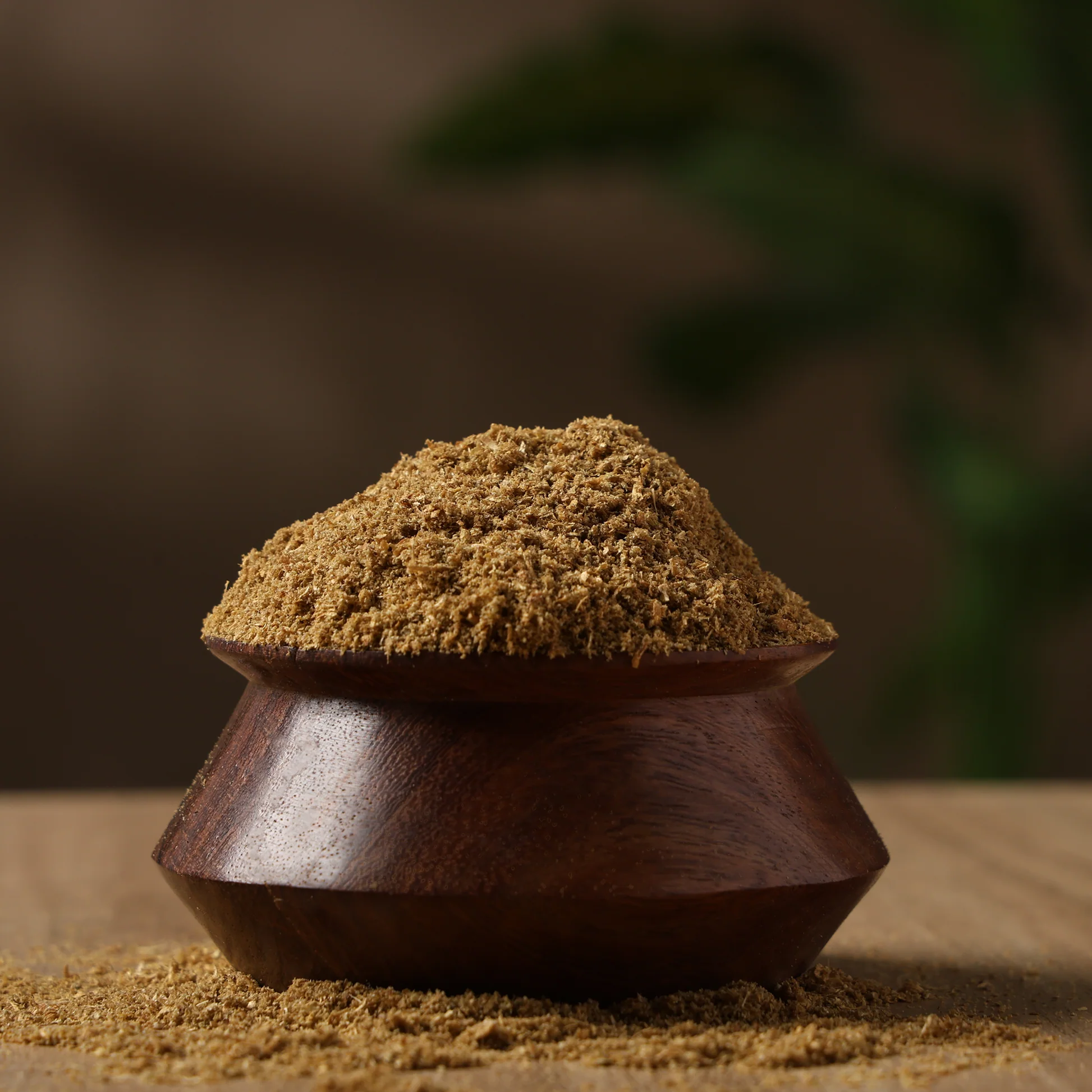
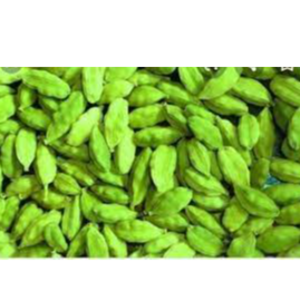
The catalogue details the material composition of each item: MADRAS PLAIN PAPAD combines urad flour, rice flour, papad khar, salt and edible oil; the masala variant adds a spice mix; the Appalam uses similar flours. The oil line includes sesame seed with jaggery for gingelly oil, pure groundnut for ground‑nut oil, and sunflower seed for cooking sunflower oil. Herbal blends such as Hair Growth Oil contain a mix of twelve natural herbs, while the rheumatic pain oil lists specific botanical extracts including linseed, camphor, mentha, pine, gaultheria, vitex, celastrus and sesame. Turmeric powder is sourced from whole turmeric tubers and green cardamom is offered as whole pods.
Product Range and Specialties of Suga Mart
The listed products cover three main groups: ready‑to‑eat papads, edible oils and spice powders. Papads such as MADRAS PLAIN PAPAD, Masala Papad and Appalam are typically 30‑40 g per piece, moisture content below 10 % and are packed in 5 kg cartons for bulk shipment. Edible oils - gingelly, ground‑nut, sunflower and other herbal blends - are commonly refined, bleached and deodorized (RBD) with free fatty acid (FFA) levels ≤0.5 % and peroxide values ≤10 meq O₂/kg; cold‑pressed sesame oil often targets acid value ≤0.3 %. Turmeric powder and green cardamom are graded by moisture (≤12 % for turmeric, ≤8 % for cardamom), ash content (≤10 % for turmeric) and essential oil content (6‑8 % for cardamom).
Industry practice for these categories includes packaging oils in 5 L jerrycans, 25 kg drums or 200 L IBCs, spices in 25 kg jute or polypropylene bags, and papads in sealed cartons stacked on pallets. Typical HS classifications are 93.84.99 for vegetable oil preparations, 0905 for spices such as turmeric, and 2105 for prepared snack foods like papads. The catalogue’s uniform HS code reflects the Indian customs grouping of these food‑grade preparations.
Trade and Export Information - Suga Mart
India ranks among the world’s largest exporters of spices and edible oils, supplying the European Union, United States, Middle East and Southeast Asian markets. Buyers of Indian oil and spice products usually require compliance with FSSAI regulations, ISO 22000 or HACCP food‑safety systems, and, where applicable, organic certification under NOP or EU standards. HS chapter 93 items are subject to customs inspection for residual oil content and phytosanitary certificates for spice‑derived products. Typical logistics involve loading oil drums or jerrycans into 20‑ft containers (approximately 10‑12 drums per container) and papads or spices into 40‑ft containers using bulk cartons or bagged loads.
Export documentation commonly includes a commercial invoice, packing list, certificate of origin, phytosanitary certificate for spices, and a laboratory analysis report (e.g., FFA, peroxide value for oils, moisture and pesticide residue for spices). Indian exporters often ship on FOB Madurai or CIF major ports such as Chennai, with inland transport by road to the port. Seasonal demand peaks for spices in the northern hemisphere’s winter months, influencing lead times and container availability.
Sourcing from Suga Mart - Buyer Guidance
When sourcing from Suga Mart, buyers should request a current Certificate of Analysis for each oil, specifying free fatty acid, peroxide value, iodine value (for sunflower) and microbial limits. For papads, ask for moisture content, total plate count and aflatoxin testing results, as well as confirmation of the papad khar ingredient compliance. Spice powders such as turmeric and green cardamom should be accompanied by pesticide residue certificates, moisture and ash content data, and, if organic claims are made, a valid organic certification copy.
Verify that the HS code on the commercial invoice matches the product description (e.g., 9384 99 9777 for oil preparations, 0905 XX for spices). Confirm packaging dimensions and pallet configuration to ensure compatibility with the buyer’s warehouse handling equipment. Typical minimum order quantities are 5 000 kg for bulk oil, 2 000 kg for powdered spices and 10 000 pcs for papads, with lead times ranging from 20 to 30 days after receipt of a signed pro‑forma invoice and required quality documents.
Frequently Asked Questions About Suga Mart
What product categories does Suga Mart export?
Suga Mart lists edible oils (gingelly, ground‑nut, sunflower and herbal blends), ready‑to‑eat papads (plain, masala and Appalam), spice powders (turmeric) and whole green cardamom pods.
Which HS code is used for the items in the catalogue?
All ten catalogue items are assigned HS code 9384999777, which falls under the HS chapter for other vegetable oils and preparations.
What quality specifications are typical for the cooking oils?
Indian exporters usually provide refined, bleached, deodorized oil with free fatty acid ≤0.5 %, peroxide value ≤10 meq O₂/kg and moisture below 0.1 %. Cold‑pressed sesame oil often targets acid value ≤0.3 %.
How are the papads packaged for international shipment?
Papads are typically packed in sealed 5 kg cartons, stacked on standard Euro pallets. A 40‑ft container can hold roughly 8 000 kg of papads, depending on pallet arrangement.
What documentation should a buyer request before purchasing?
Buyers should ask for a Certificate of Analysis, a phytosanitary certificate for spices, a FSSAI compliance statement, and any organic certification if the product is marketed as organic.
What are the common lead times and minimum order quantities?
Lead times are generally 20‑30 days from order confirmation. Minimum order quantities are around 5 000 kg for bulk oil, 2 000 kg for powdered spices and 10 000 pieces for papads.
Which regions import Indian spices and oils most frequently?
The European Union, United States, Middle East and Southeast Asian countries are the largest importers of Indian spices and edible oils.
Are the herbal massage oils certified organic?
The supplier’s profile indicates an organic tier, but buyers should request the specific organic certification document to confirm the status of each herbal oil.





 Madurai, India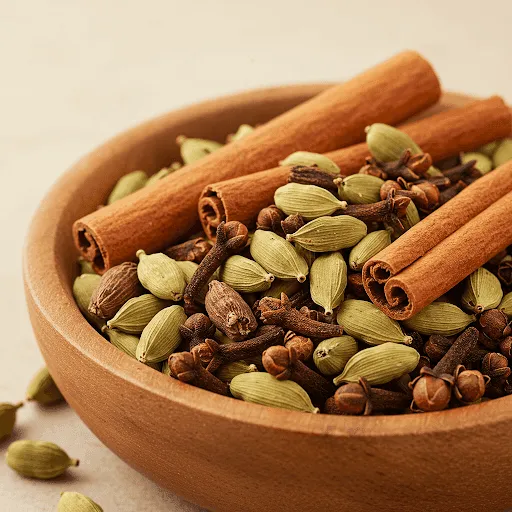











.jpg.png)