Vreeha Globals — Verified Supplier
About Vreeha Globals - Basmati Rice Supplier in India
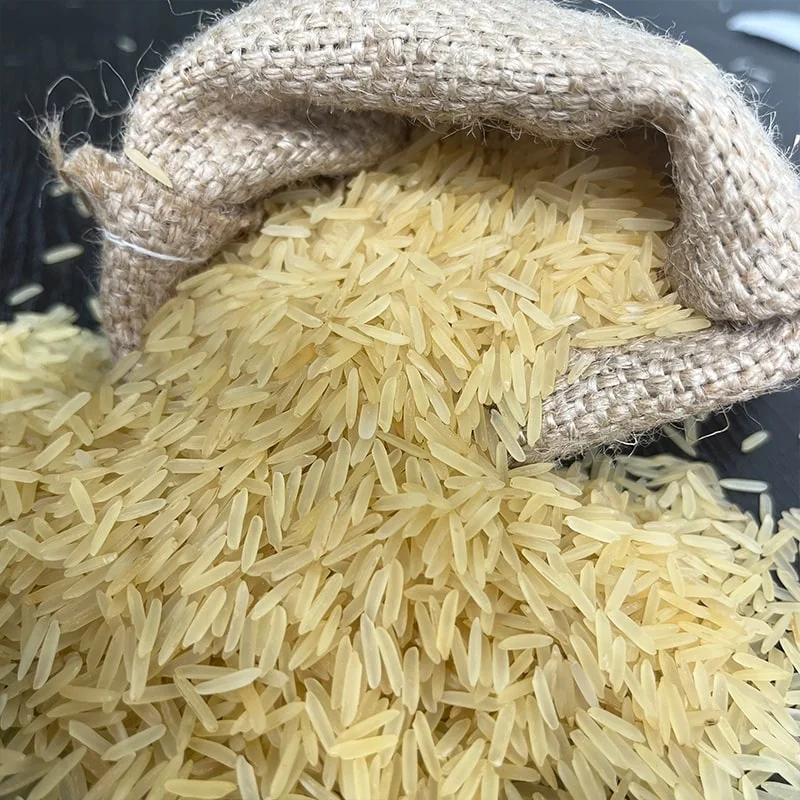
India is a major exporter of aromatic Basmati rice, and Vreeha Globals lists 25 active rice products across basmati and non‑basmati categories. The catalogue includes steam, raw, parboiled and white rice variants such as Sharbati Steam Basmati, 1121 Raw Basmati, 1509 Golden Parboiled Basmati, and Sona Mansoori Steam Non‑Basmati, covering both grain‑type codes like 1121 and 1509 used in Indian rice grading.
The product list spans both basmati and non‑basmati lines, with specific market designations for parboiled (e.g., 1401, 1509) and steam‑processed rice. All items fall under the food‑products segment and are classified under HS Chapter 10 for rice (HS 1006 for milled rice, HS 1007 for unmilled rice), reflecting the standard customs tariff categories for Indian rice exports.
Product Range and Specialties of Vreeha Globals
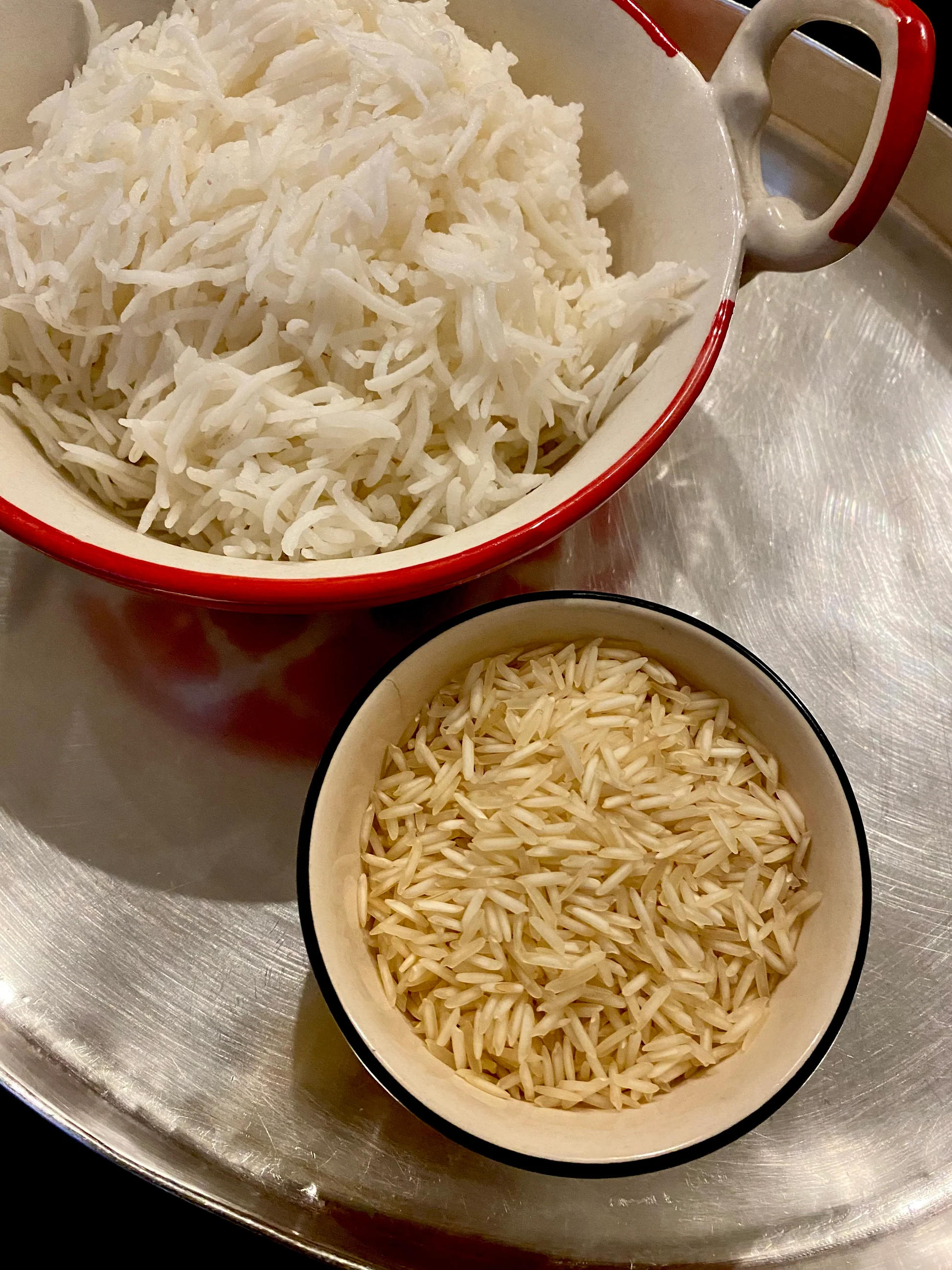
Vreeha Globals offers a catalogue that includes steam‑processed basmati (e.g., Sharbati Steam Basmati), raw basmati kernels (e.g., 1121 Raw Basmati), parboiled basmati varieties (e.g., 1401 Golden Parboiled Basmati) and comparable non‑basmati lines such as Sona Mansoori Steam Non‑Basmati. In the Indian market, basmati grades are distinguished by kernel length (typically ≥6.5 mm for premium), aroma intensity, moisture content not exceeding 14 % and broken grain percentages below 5 % for export‑ready lots.
Industry practice for these rice categories includes packaging in 25 kg polypropylene bags, with a 20‑foot container holding roughly 800 bags (≈20 MT). Buyers often request specifications such as grain length, moisture, broken percentage, and aroma score (e.g., 8‑9 on the Basmati aroma scale).
Trade and Export Information - Vreeha Globals
India’s rice export ecosystem serves the Middle East, GCC states, East Africa, and select European markets, where aromatic basmati commands premium demand. Export shipments are normally declared under HS 1006 for milled basmati and HS 1007 for unmilled basmati, with parboiled variants sharing the same chapter. Buyers typically require phytosanitary certificates, certificates of origin, and food‑safety certifications such as ISO 22000, HACCP, or India’s FSSAI licence. Common incoterms are FOB from ports such as Mundra or Kandla, with CIF used for regional buyers.
Logistical norms include containerised freight in 20‑ft or 40‑ft units, temperature‑controlled storage for steam‑processed rice, and pre‑shipped moisture testing to meet import regulations of destination countries. Indian exporters of rice also adhere to the Codex Alimentarius standards for pesticide residues and aflatoxin limits, which are routinely inspected by customs authorities in importing nations.
Sourcing from Vreeha Globals - Buyer Guidance
When sourcing from Vreeha Globals, buyers should request a 5 kg sample of the specific rice grade and obtain a laboratory analysis report covering moisture, broken grain ratio, and aroma intensity. Verify that the supplier can provide the required food‑safety certificates (ISO 22000, HACCP, FSSAI) and a phytosanitary certificate that meets the importing country’s regulations. Typical minimum order quantities for container shipments range from 20 MT to 40 MT, with lead times of 30‑45 days after order confirmation, subject to seasonal harvest cycles.
Frequently Asked Questions About Vreeha Globals
What rice varieties does Vreeha Globals list in its catalogue?
The catalogue includes 25 products such as Sharbati Steam Basmati, 1121 Raw Basmati, 1509 Golden Parboiled Basmati, 1401 Steam Basmati, Sona Mansoori Steam Non‑Basmati, and several IR‑ and PR‑series parboiled and raw non‑basmati lines.
Under which HS codes are Vreeha Globals' rice products classified?
Indian rice exports are generally classified under HS Chapter 10: milled rice under HS 1006 and unmilled or parboiled rice under HS 1007, which applies to the supplier’s basmati and non‑basmati items.
Which certifications are typically required for importing Indian basmati rice?
Importers usually request a phytosanitary certificate, a certificate of origin, and food‑safety certifications such as ISO 22000, HACCP, or the Indian FSSAI licence. These documents confirm compliance with safety and quality standards.
What are the common quality specifications for premium basmati rice?
Premium basmati is expected to have a kernel length of 6.5 mm or longer, moisture content ≤14 %, broken grain percentage ≤5 %, and a strong aromatic profile measured on the standard Basmati aroma scale.
How is the rice typically packaged for export?
Export batches are packed in 25 kg polypropylene bags, which are then palletised for loading into 20‑ft or 40‑ft containers. A 20‑ft container normally holds about 800 bags, roughly 20 metric tonnes.
What is the usual minimum order quantity and lead time for Vreeha Globals?
Container shipments generally start at 20 metric tonnes, with a typical production and preparation lead time of 30‑45 days from order receipt, depending on harvest season and product type.
Which markets most frequently import the types of rice offered by Vreeha Globals?
The main import destinations are the Gulf Cooperation Council (UAE, Saudi Arabia, Qatar), East African nations (Kenya, Tanzania), and selected European countries that demand aromatic basmati and parboiled rice.
What documentation should a buyer request before confirming an order?
Buyers should request a sample analysis report, the supplier’s ISO 22000/HACCP/FSSAI certificates, a phytosanitary certificate, and a certificate of origin to satisfy customs and quality‑verification requirements.




 , India