Zafar Food Stuff — Supplier
About Zafar Food Stuff - Frozen Fish Supplier in Pakistan
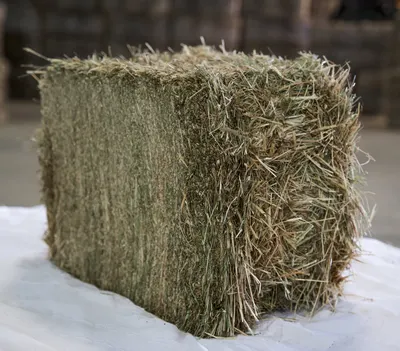
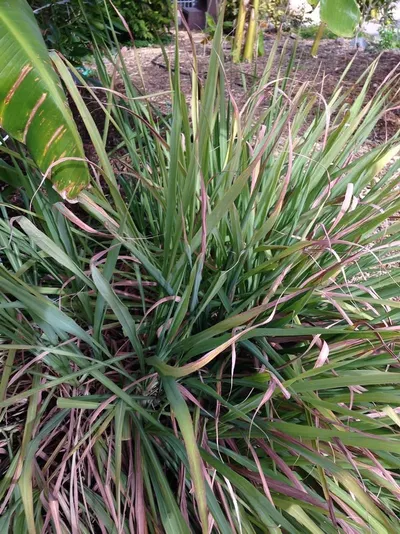
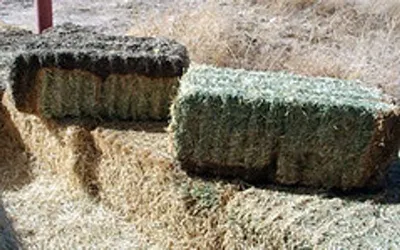
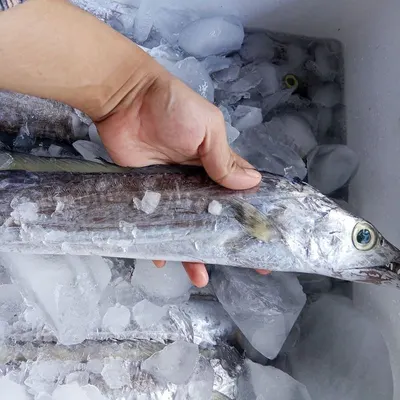
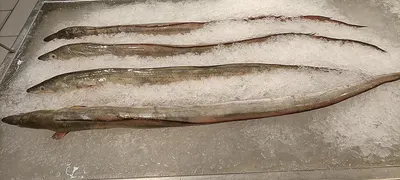
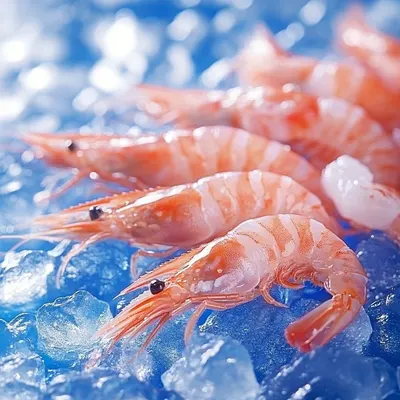
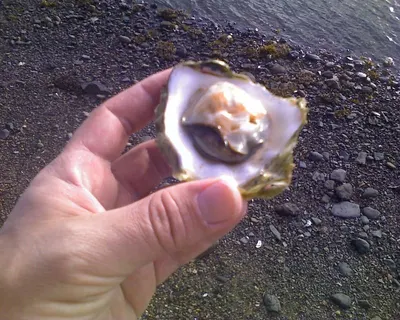
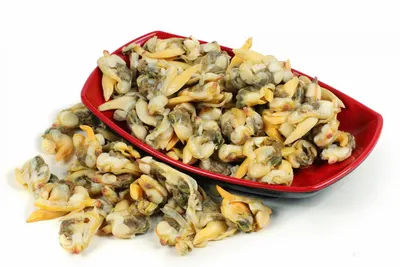
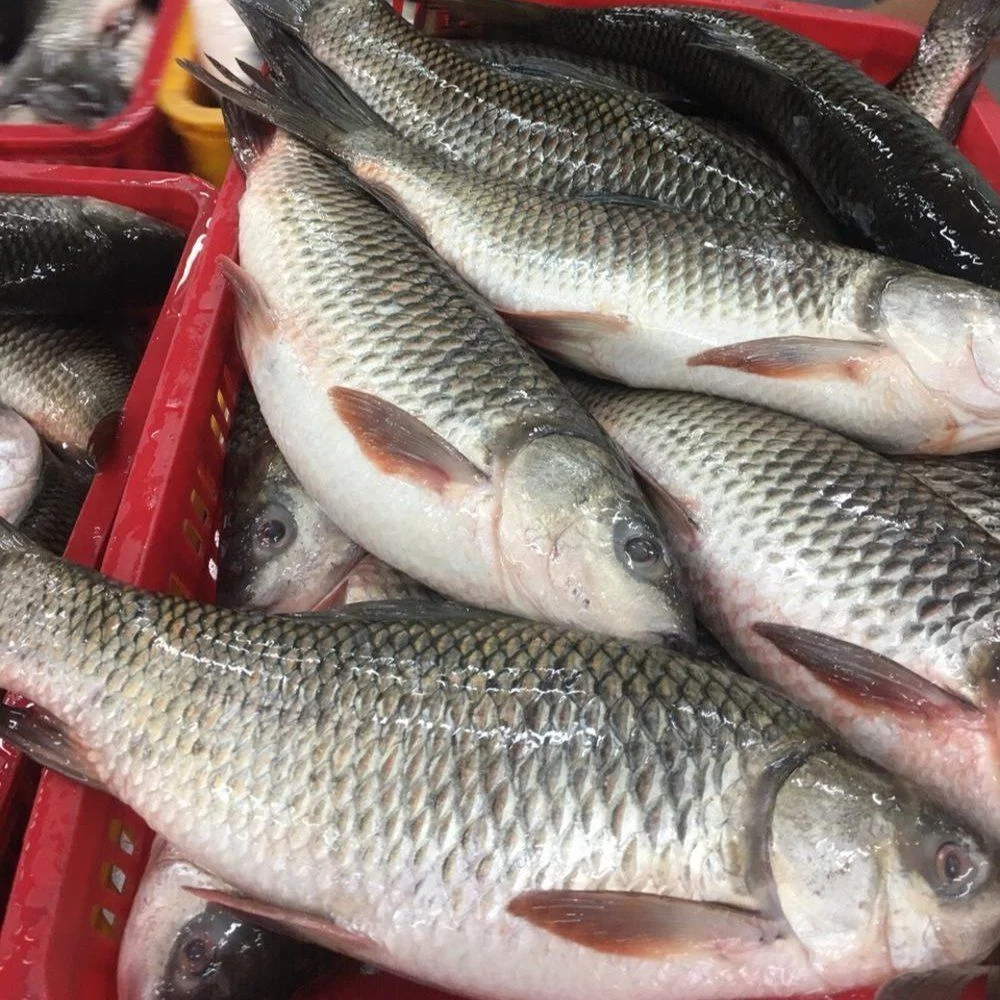
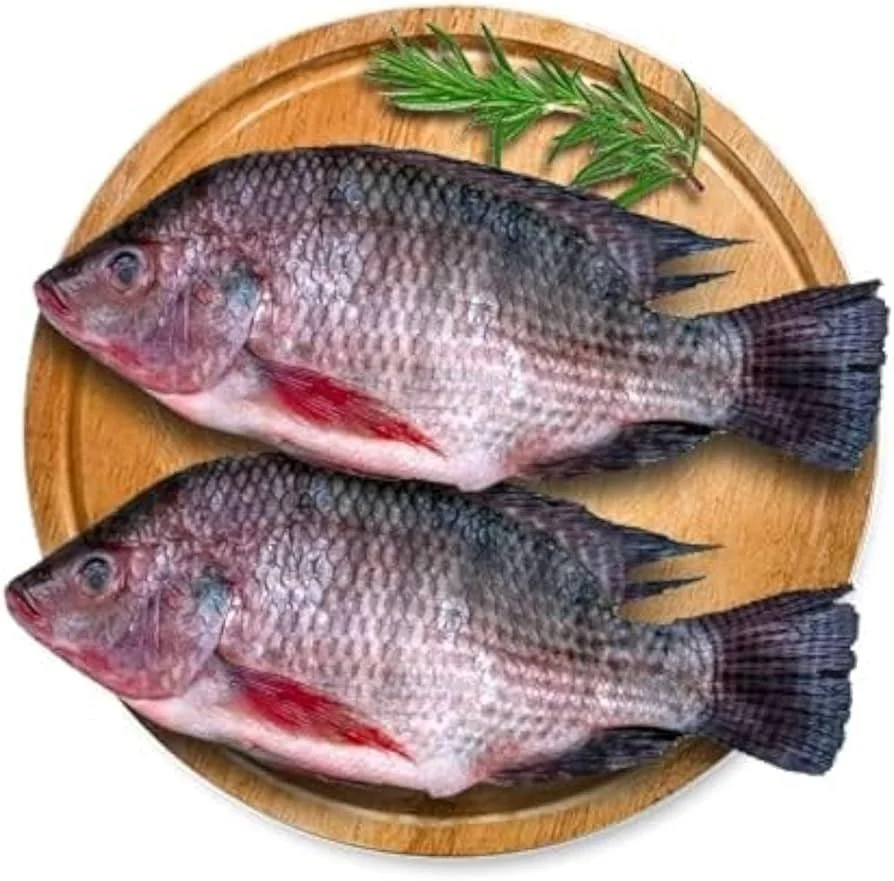
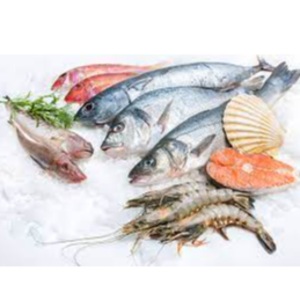
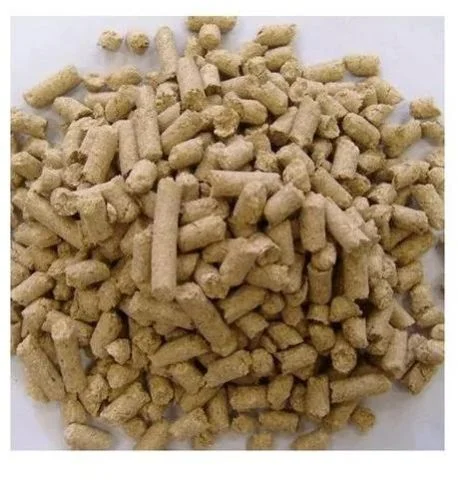
Zafar Food Stuff operates from Pakistan and currently lists 30 active products in its online catalogue. The supplier’s portfolio spans frozen seafood such as Ribbon Fish, various cuttlefish, squid, sole, lady fish, croaker, black pomfret, shrimps, cat fish, queen fish, horse mackerel, Indian mackerel, lizard fish, octopus, sea bream, three‑spotted crab, green mussel, star shell, topshell, razor clam, eel, yellow scad, sardine and other frozen fish varieties. In addition, the catalogue includes agricultural by‑products and animal feed items including rice straw, rice husk, wheat bran, wheat straw, corn silage, Rhodes grass and alfalfa hay. These items are grouped under the top categories “Frozen Fish”, “Animal & Cattle Feed”, “Frozen Seafood”, “Frozen Mackerel Fish”, “Wheat Bran”, “Fresh Ribbon Fish”, “Frozen Cuttlefish” and “Frozen Squid”.
Product Range and Specialties of Zafar Food Stuff
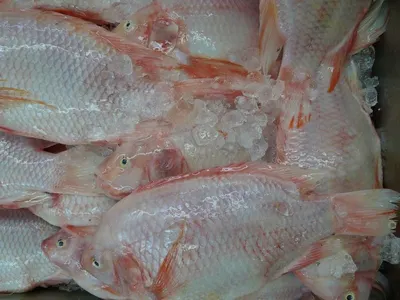
The frozen seafood line follows common industry grades such as whole fish, gutted fish and fillets, all packed on crushed ice or in insulated boxes to maintain a temperature of - 18 °C or lower during transit. Typical specifications for Pakistani frozen fish include moisture content below 70 %, total viable count under 1 × 10⁵ CFU/g and compliance with HACCP‑based handling procedures. Buyers also encounter standard packaging formats of 20 ft or 40 ft refrigerated containers, with individual fish often boxed in 10 kg or 20 kg vacuum‑sealed packs. For the feed segment, products like wheat bran, rice straw and alfalfa hay are usually supplied in bulk bales or 25 kg polypropylene bags, with crude protein levels ranging from 8 % to 16 % depending on the material. Industry standards such as ISO 22000, BRC Global Standard for Food Safety and the Feed Hygiene Regulation (EU Reg 116/2011) are commonly requested for these categories, although the supplier’s specific certifications are not listed in the provided facts.
Trade and Export Information - Zafar Food Stuff
Pakistan is a recognized exporter of frozen seafood, primarily shipping to markets in the Middle East, the European Union, Southeast Asia and North America. The HS‑code family for most frozen finfish is 0304, while crustaceans and molluscs fall under 0306, and animal feed products are classified under HS 2304. Export shipments are routinely handled on refrigerated containers (reefers) with FOB Karachi or CIF destinations, and buyers often require a health certificate issued by the Pakistani Ministry of National Food Security & Research. Common buyer‑required certifications include HACCP, BRC and ISO 22000, together with a phytosanitary certificate for feed ingredients. Pakistani exporters typically work with freight forwarders experienced in cold‑chain logistics to ensure temperature control throughout the supply chain.
Sourcing from Zafar Food Stuff - Buyer Guidance
When sourcing frozen fish from Zafar Food Stuff, buyers should request a recent HACCP audit report, a health certificate and, if required by the destination market, a BRC or ISO 22000 compliance statement. Samples should be inspected for visual freshness, ice glaze thickness (normally 2 - 3 mm) and laboratory‑tested for microbial load, histamine levels (especially for mackerel) and heavy‑metal residues. For feed items, buyers normally ask for a nutritional analysis sheet showing crude protein, fiber, moisture and ash content, as well as a phytosanitary certificate confirming the absence of pests. Verifying that the supplier can provide insulated packaging details, container loading plans and temperature monitoring logs helps reduce risk of quality loss during transit.
Frequently Asked Questions About Zafar Food Stuff
What types of frozen fish does Zafar Food Stuff offer?
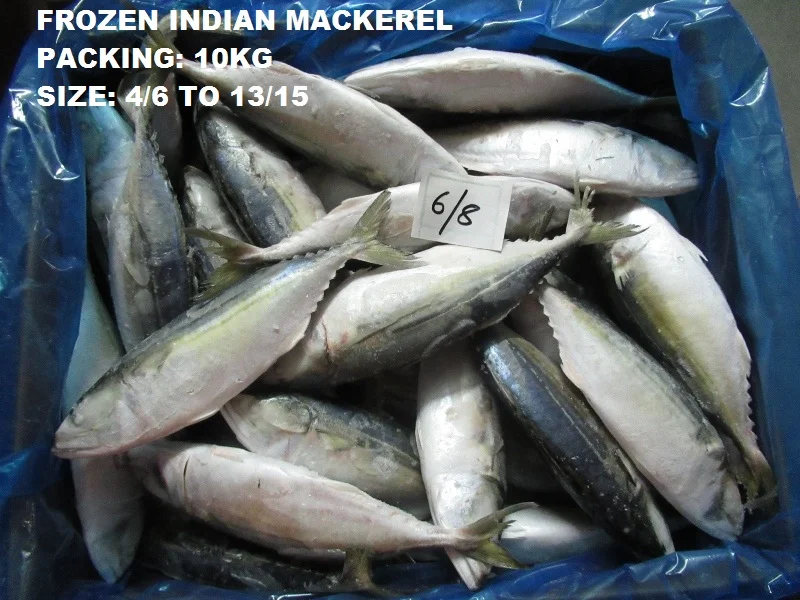
The catalogue includes whole and gutted varieties such as Ribbon Fish, Cuttlefish, Squid, Sole, Lady Fish, Croaker, Black Pomfret, Shrimps, Cat Fish, Queen Fish, Horse Mackerel, Indian Mackerel, Lizard Fish, Octopus, Sea Bream, Three‑Spotted Crab, Green Mussel, Star Shell, Topshell, Razor Clam, Eel, Yellow Scad and Sardine.
Which HS codes apply to the frozen seafood listed?
Most whole frozen finfish fall under HS 0304, while crustaceans and molluscs such as shrimps, squid, octopus and mussels are classified under HS 0306. Specific sub‑headings depend on the species and processing state.
What certifications should a buyer request for the seafood products?
Buyers typically request a HACCP audit report, a health certificate issued by Pakistani authorities, and, where required by the destination market, BRC or ISO 22000 compliance documentation.
How are the feed products like wheat bran and alfalfa hay packaged for export?
Feed items are usually shipped in bulk bales or 25 kg polypropylene bags, with packaging designed to protect against moisture ingress and pest contamination. A phytosanitary certificate and a nutritional analysis sheet are standard accompanying documents.
What are the typical minimum order quantities (MOQ) and lead times?
MOQs vary by product; frozen fish are often ordered in 10 kg or 20 kg packs with a total MOQ of 500 kg per species, while feed products may have a MOQ of one 25 kg bag. Lead times range from 15 to 30 days after order confirmation, depending on product availability and shipping schedule.
What packaging and shipping methods are used for the frozen fish?
The fish are packed on crushed ice or in insulated boxes, then loaded into refrigerated 20 ft or 40 ft containers (reefers) that maintain - 18 °C or lower. Common Incoterms offered include FOB Karachi and CIF to the buyer’s port.
How can a buyer obtain a sample before placing a full order?
Buyers can request a 5 kg sample of any frozen fish variety, which will be shipped on a prepaid basis in a small insulated box with temperature monitoring. The supplier typically provides a certificate of analysis with the sample.
What quality tests are commonly performed on the frozen seafood?
Standard tests include microbial analysis (total viable count, coliforms), histamine testing for species prone to accumulation, heavy‑metal screening (lead, mercury) and sensory evaluation for texture and odor after thawing.




 , Pakistan