BRT Global LLC Consumer Goods Trading — Verified Supplier
About BRT Global LLC Consumer Goods Trading - Consumer Goods Supplier in Philippines
The Philippines‑based supplier lists 134 active products across several food‑grade categories. The catalogue includes multiple forms of tapioca (cassava) starch, corn starch, a suite of virgin and extra‑virgin coconut oils, various fish‑meal grades, broiler hatching and table eggs, and green Arabica coffee beans. Each product group aligns with standard HS‑code families: starches fall under HS 1101, coconut oil under HS 1511, fish meal under HS 2304, eggs under HS 0407, and coffee beans under HS 0901. The supplier states export activity to Europe, the Americas, Asia, Australia and Africa, covering 47 markets.
The product list shows four tapioca starch variants (native, modified, cassava‑derived and quality grade), a single corn starch entry, five coconut‑oil variants (including organic and non‑GMO), eight fish‑meal specifications ranging from 55 % to 72 % protein, four egg offerings (broiler hatching and fresh table eggs, including organic), and four coffee‑bean entries (green Arabica, 100 % Arabica, etc.). No additional product categories such as printing paper are detailed in the catalogue, focusing the offering on bulk food ingredients and animal‑feed components.
Product Range and Specialties of BRT Global LLC Consumer Goods Trading
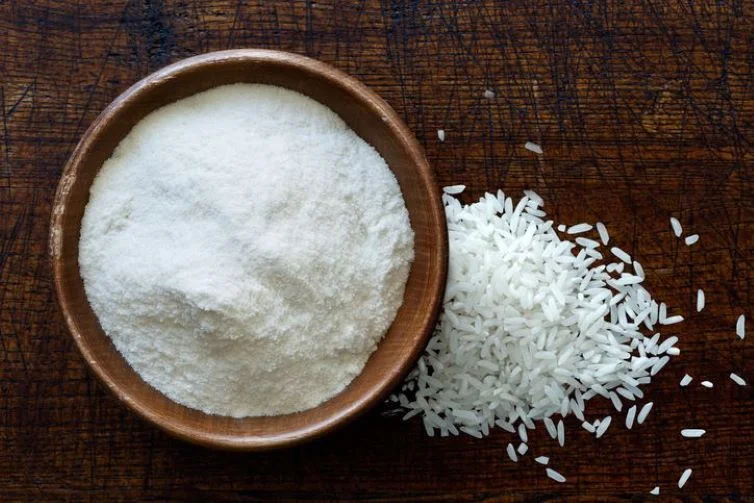
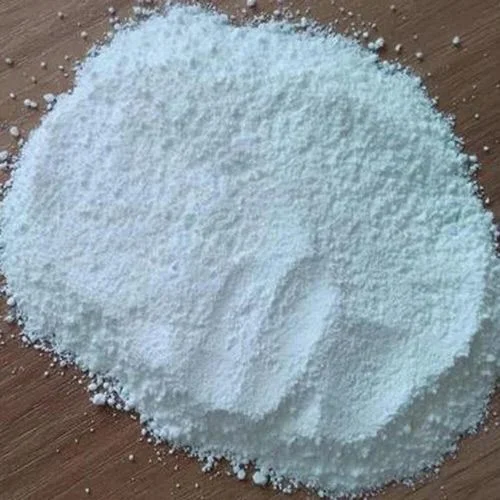
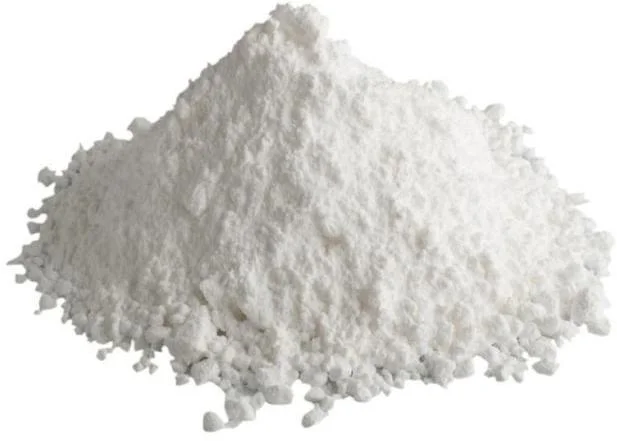
The starch portfolio includes native and modified tapioca starch as well as corn starch, typically supplied in 25 kg bags or bulk 20 ft containers. Industry standards for tapioca starch target a moisture content below 12 % and a purity of 99 % on a dry basis, with viscosity specifications expressed in Brabender units. Coconut oil products range from standard virgin oil to cold‑pressed organic grades; common quality metrics are free fatty acid (FFA) ≤0.5 %, peroxide value ≤10 meq O₂/kg, and moisture ≤0.1 %. Fish meal grades listed (55 %‑72 % protein) are usually measured for crude protein, ash ≤12 %, and moisture ≤10 % and are packed in 1‑ton polypropylene bags. Egg products conform to Grade A specifications, with shell strength, yolk‑to‑white ratio and microbiological limits defined by Codex Alimentarius. Green Arabica coffee beans are typically graded by screen size (e.g., 17/18 mm) and moisture around 12 %, and are shipped in jute or woven bags of 60 kg.
Trade and Export Information - BRT Global LLC Consumer Goods Trading
Philippine exporters of starch, coconut oil, fish meal, eggs and coffee beans commonly serve food manufacturers in Southeast Asia, the Middle East, the European Union and North America. HS 1101 (starches) and HS 1511 (coconut oil) are subject to customs duty rates that vary by destination, and many importers require ISO 22000 or HACCP certification for food safety compliance. Fish meal (HS 2304) and eggs (HS 0407) often need a phytosanitary certificate and, where applicable, a veterinary health certificate. Organic coconut oil and coffee beans typically demand certification from bodies such as USDA Organic or EU Organic, plus a chain‑of‑custody document. Standard logistics involve FCL shipments: a 20 ft container can hold roughly 22 metric tonnes of starch or 18 tonnes of coconut oil, while fish meal and eggs are loaded in ventilated containers with temperature control where required. Incoterms most frequently used are FOB Manila and CIF destination port.
Sourcing from BRT Global LLC Consumer Goods Trading - Buyer Guidance
Buyers should request a detailed specification sheet for each product, including moisture, protein (for fish meal), FFA (for oil), and microbial test results. Valid certificates of analysis, origin certificates, and, where relevant, organic or halal certification should be confirmed before contract finalisation. Verify that the supplier can provide the appropriate HS‑code declaration and that packaging meets the buyer’s logistics plan (e.g., 25 kg bags for starch, 60 kg jute bags for coffee). Typical minimum order quantities are 5 metric tonnes for starches, 2 metric tonnes for coconut oil, and 1 metric tonne for fish meal; lead times range from 30 to 45 days after receipt of a pro‑forma invoice and required documentation.
Frequently Asked Questions About BRT Global LLC Consumer Goods Trading
What HS codes apply to the starch products offered by BRT Global?
Starch products such as native, modified and corn starch fall under HS chapter 11, specifically HS 1101 (starches and flour, of the like kind). Importers should reference the full 6‑digit code for customs clearance.
Which certifications are typically needed for the organic coconut oil variants?
Organic coconut oil usually requires a recognized organic certification (e.g., USDA Organic, EU Organic) together with a Certificate of Analysis showing free fatty acid ≤0.5 % and peroxide value ≤10 meq O₂/kg.
How is protein content verified for the fish‑meal grades?
Suppliers provide a Certificate of Analysis that includes crude protein determined by the Kjeldahl method, ash and moisture levels, and a microbial safety report.
What packaging formats are used for the egg products?
Broiler hatching eggs and fresh table eggs are typically packed in calibrated cardboard trays (e.g., 30 eggs per tray) within insulated boxes, complying with HS 0407 packaging standards for live animal products.
Are phytosanitary certificates required for the coffee beans?
Yes, green coffee beans exported from the Philippines generally require a phytosanitary certificate confirming they are free from pests and diseases, as stipulated by the importing country's plant health regulations.
What are the typical lead times for a bulk order of tapioca starch?
Lead times for tapioca starch range from 30 to 45 days after order confirmation, depending on production scheduling and the issuance of required quality certificates.
Which Incoterms does BRT Global commonly use for its exports?
The supplier most often quotes FOB Manila for bulk shipments and CIF for destination ports when buyers prefer the seller to arrange freight and insurance.




 , Philippines