Reva Fisheries — Verified Supplier
About Reva Fisheries - Fresh or Chilled Fish Supplier in India
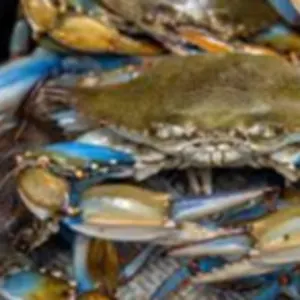
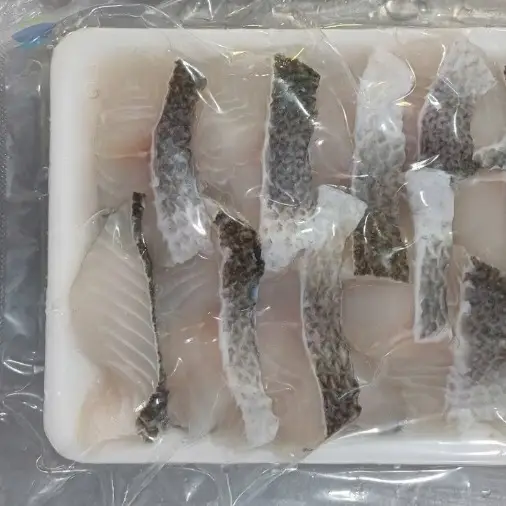
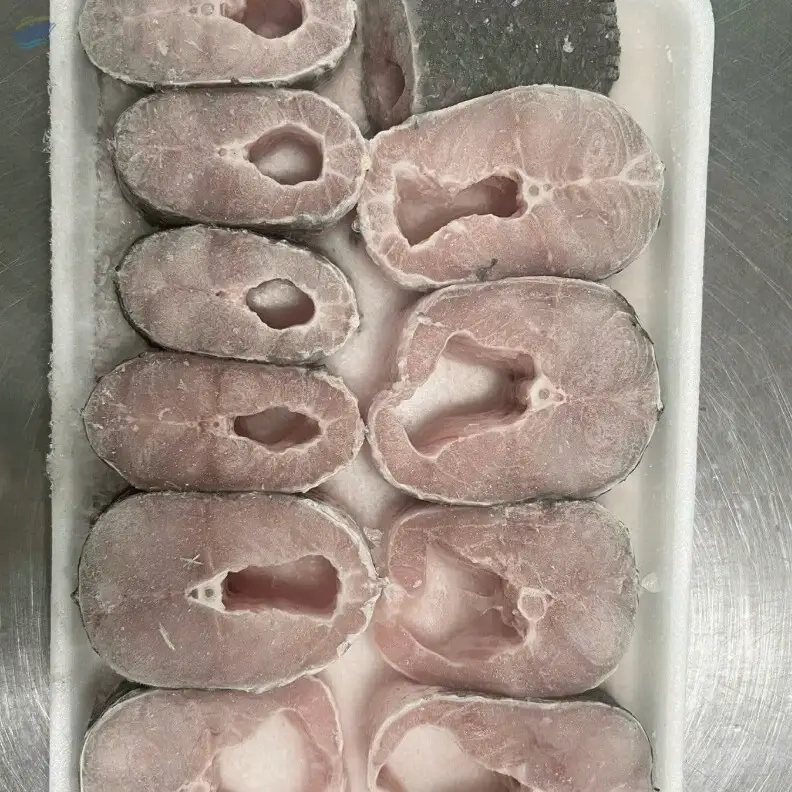
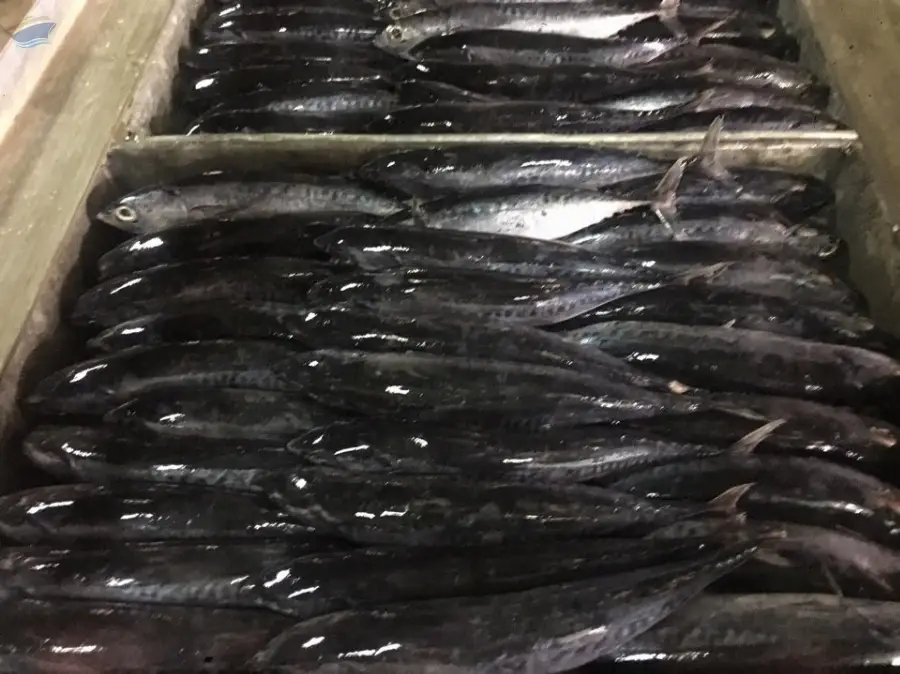
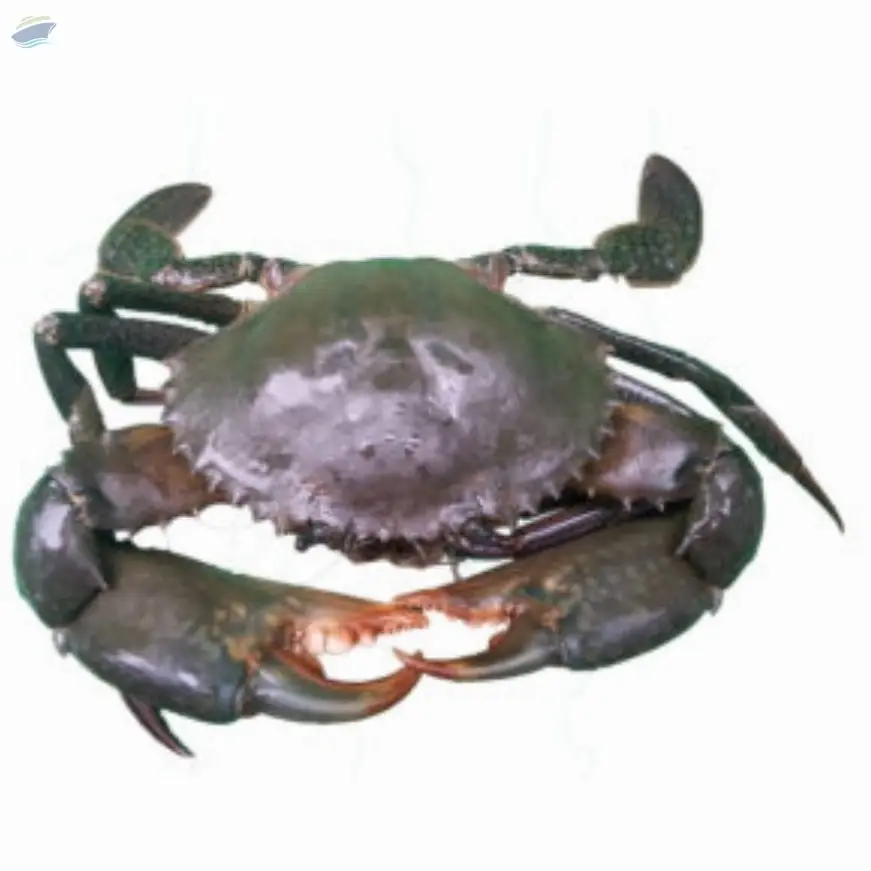
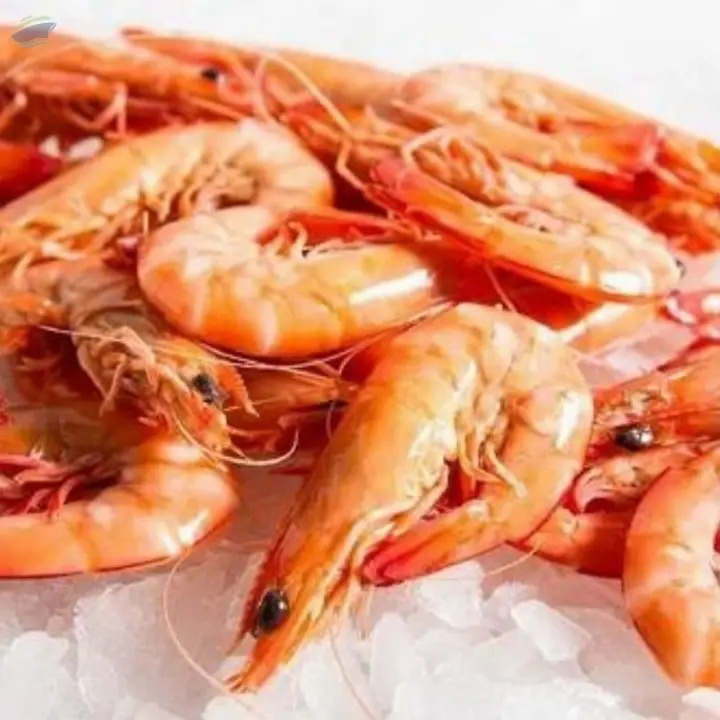
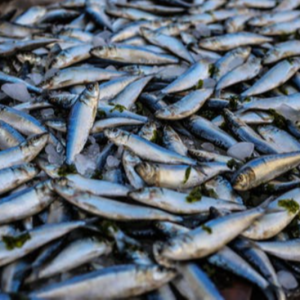
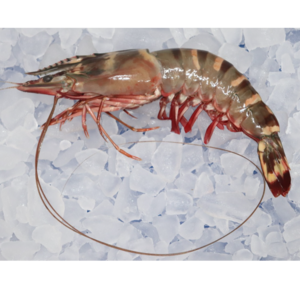
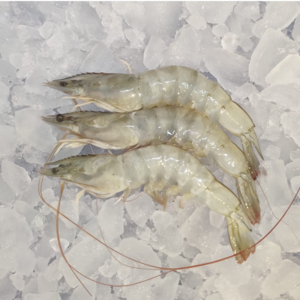
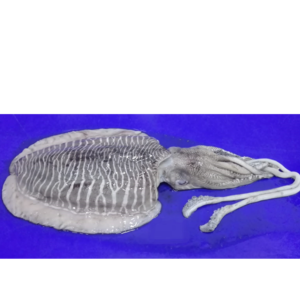
Reva Fisheries is based in India and lists 32 distinct fish and seafood products in its catalogue. The portfolio covers a mix of fresh, chilled, and frozen species, ranging from Indian mackerel and silver pomfret to tiger prawn and squid. All items fall under standard HS code chapters for marine products, principally 0304 for fresh or chilled fish and 0305 for frozen fish and crustaceans. The supplier’s catalogue groups the items into categories such as Fresh or Chilled Fish, Fresh Mullet Fish, Other Fresh Fishes, Crabs and other sea creatures, Fresh Pomfret Fish, Frozen Prawns, Frozen Mackerel Fish and Frozen Fish. The listing includes both whole fish and specific species commonly traded from Indian waters.
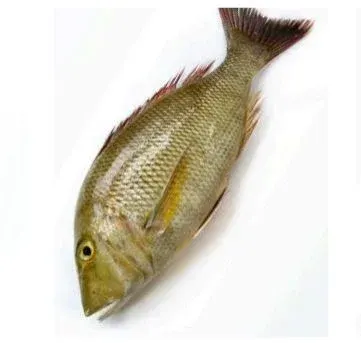
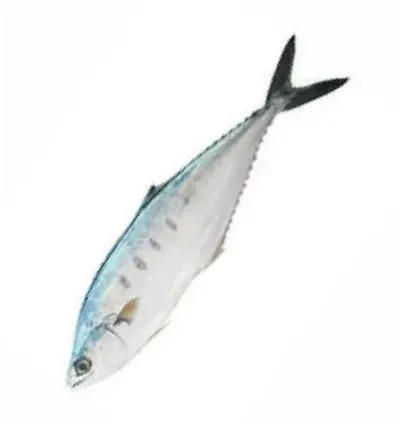
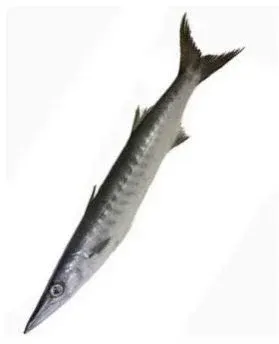
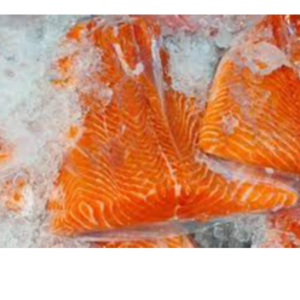
The 32 entries include Indian Mackerel, Indian Salmon, Silver Pomfret, Bombay Duck, Black Pomfret, Wolf Herring, Golden Anchovy, Kingfish, Tiger Prawn, White Prawn, Barramundi, Sardine, Atlantic Tripletail, Dog Fish, Tuna, Squid, Mullet, Double Spotted Queenfish, White Snapper, Bleckers Grouper, Labeo Rohita, Barracuda, Pagrus Major, Skatefish, Flathead Mullet, Golden Threadfin, Bluespot Mullet, Bluespot Grey Mullet and Yellowfin Bream. These species are typical of the Indian sub‑continent’s coastal fisheries and are exported in ice‑packed or refrigerated containers. The product list aligns with HS 0304‑0305 families, which are the most common tariff headings for fresh or frozen finfish and crustaceans.
Product Range and Specialties of Reva Fisheries
The catalogue spans whole fish, fillets and shell‑crustacean varieties. In the fresh segment, Indian mackerel, silver pomfret and kingfish are usually supplied whole, iced at 0 ± 2 °C, with moisture content above 70 % and a typical weight of 0.5 - 2 kg per unit. Frozen items such as tiger prawn, white prawn and barramundi are commonly packed at - 18 °C in insulated boxes, with standard pack sizes of 10 kg cartons or 20 ft containers holding up to 12 metric tonnes.
Industry standards for Indian seafood often reference the Codex Alimentarius specifications for microbiological limits (e.g., total viable count < 5 × 10⁶ CFU/g for fresh fish) and the EU hygiene regulations for frozen products. Buyers normally expect HACCP‑based processing, BRC Global Standard certification and a Certificate of Origin accompanying each shipment. Typical packaging includes food‑grade polyethylene bags, insulated plywood crates and bulk ice for whole fish, while frozen crustaceans are palletized in corrugated cartons with temperature data loggers.
Trade and Export Information - Reva Fisheries
India is the world’s third largest exporter of marine capture fisheries, with the majority of shipments destined for the United Arab Emirates, Saudi Arabia, European Union members and the United States. Fresh fish under HS 0304 are often transported by refrigerated sea containers (reefers) on a FOB basis from ports such as Mumbai and Kochi, while frozen products under HS 0305 use standard dry containers with cold chain monitoring. Importers usually require the supplier’s compliance with HACCP, BRC or ISO 22000, a health certificate issued by the Indian Export Inspection Agency, and a phytosanitary certificate for crustaceans. Indian seafood exporters commonly employ the “ice‑packed” method for fresh fish and blast‑freezing for frozen species to meet the temperature requirements of the destination market.
Sourcing from Reva Fisheries - Buyer Guidance
When sourcing from Reva Fisheries, buyers should request a recent HACCP or BRC audit report, the latest health certificate, and a laboratory analysis confirming microbiological limits for fresh fish. Samples should be inspected for visual freshness, flesh firmness and proper ice coverage, and for frozen items a temperature log confirming - 18 °C throughout transit is essential. Verify the HS code declared on the commercial invoice matches the product category (0304 for fresh fish, 0305 for frozen fish and crustaceans). Confirm container loading plans, including the use of insulated pallets and temperature data loggers, to ensure the cold chain is not broken.
Frequently Asked Questions About Reva Fisheries
What types of fish and seafood does Reva Fisheries list?
Reva Fisheries lists 32 species, including Indian mackerel, silver pomfret, tiger prawn, squid, barramundi, sardine, tuna and various mullet and grouper varieties. The items are grouped under categories such as Fresh or Chilled Fish, Fresh Mullet Fish, Frozen Prawns and Frozen Fish.
Which HS code families apply to these products?
Fresh or chilled fish are classified under HS chapter 0304, while frozen fish, shrimp and other crustaceans fall under HS chapter 0305. The supplier’s catalogue aligns with these standard tariff headings.
What certifications should a buyer request from this supplier?
Buyers should ask for a HACCP or BRC audit report, ISO 22000 certification, a health certificate issued by the Indian Export Inspection Agency and, for crustacean products, a phytosanitary certificate.
What are the typical packaging methods for fresh versus frozen items?
Fresh fish are usually ice‑packed in food‑grade polyethylene bags and placed in insulated plywood crates. Frozen products are palletized in corrugated cartons or bulk bags inside dry containers equipped with temperature data loggers.
What are common minimum order quantities and lead times?
For whole fresh fish, minimum orders often start at one tonne or a 20 ft container load. Frozen shrimp and fish typically require a minimum of 5 tonnes. Lead times range from 7 days for ready‑to‑ship ice‑packed fish to 14‑21 days for frozen products that need blast‑freezing and export documentation.
Which markets commonly import Indian seafood like those listed?
Major import markets include the United Arab Emirates, Saudi Arabia, the United Kingdom, Germany, the United States and Japan. These regions purchase both fresh and frozen Indian marine products.
What documentation is required for customs clearance?
Standard documentation includes a commercial invoice with the correct HS code, a Certificate of Origin, a health certificate, and, where applicable, a phytosanitary certificate. A packing list and bill of lading are also required for Indian seafood exports.




 , India