Marine Frozen Foods Co., Ltd — Verified Supplier
About Marine Frozen Foods Co., Ltd - Seafood Supplier in Thailand
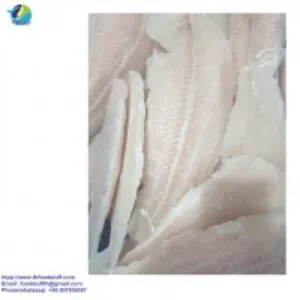
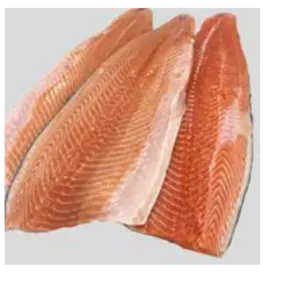
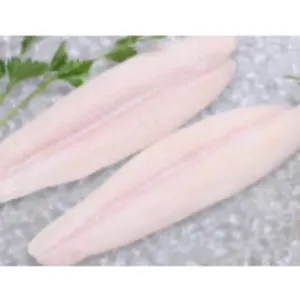
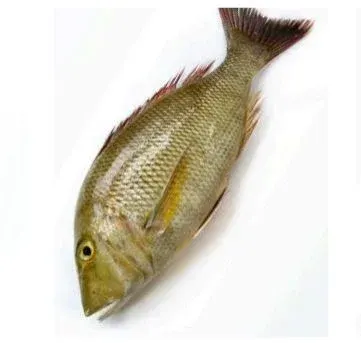
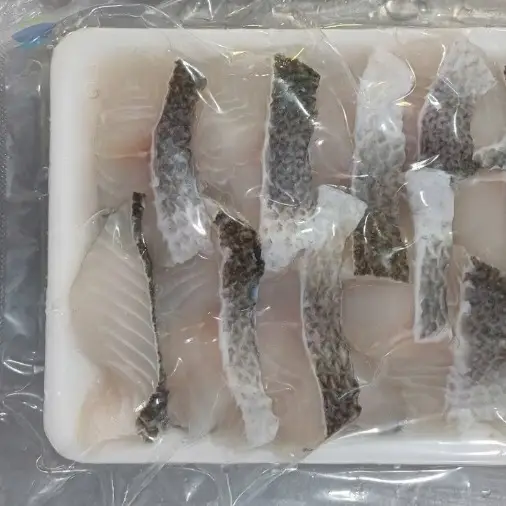
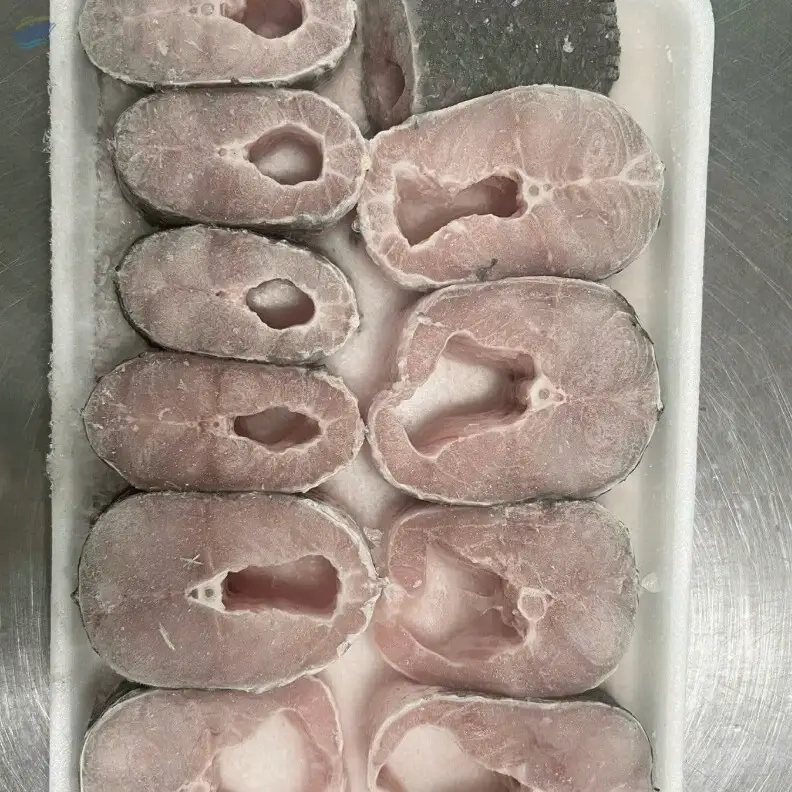
Marine Frozen Foods Co., Ltd is based in Thailand and currently lists 54 distinct seafood products in its catalogue. The list includes a mixture of fresh and frozen species such as Rohu, Tilapia, Pangasius, Kingfish, various carp varieties, as well as crustaceans like Tiger Shrimp and cephalopods such as Cuttlefish. In addition to whole fish, the company also offers processed forms like steaks, clean trays and GGS (gutted, gutted and scaled) cuts. The catalogue further contains whole chicken, reflecting a broader protein offering beyond aquatic species.
The product set spans several HS‑code families that are standard for the sector: HS 0302 for fresh fish, HS 0303 for frozen fish, HS 0304 for fish fillets and steaks, and HS 0306 for crustaceans such as shrimp. Thai seafood exporters typically ship these goods in insulated containers with gel packs or dry ice to maintain temperature compliance. The company’s active range therefore covers both fresh‑chilled and frozen formats, with packaging options that meet the cold‑chain requirements of downstream processors and retailers.
Product Range and Specialties of Marine Frozen Foods Co., Ltd
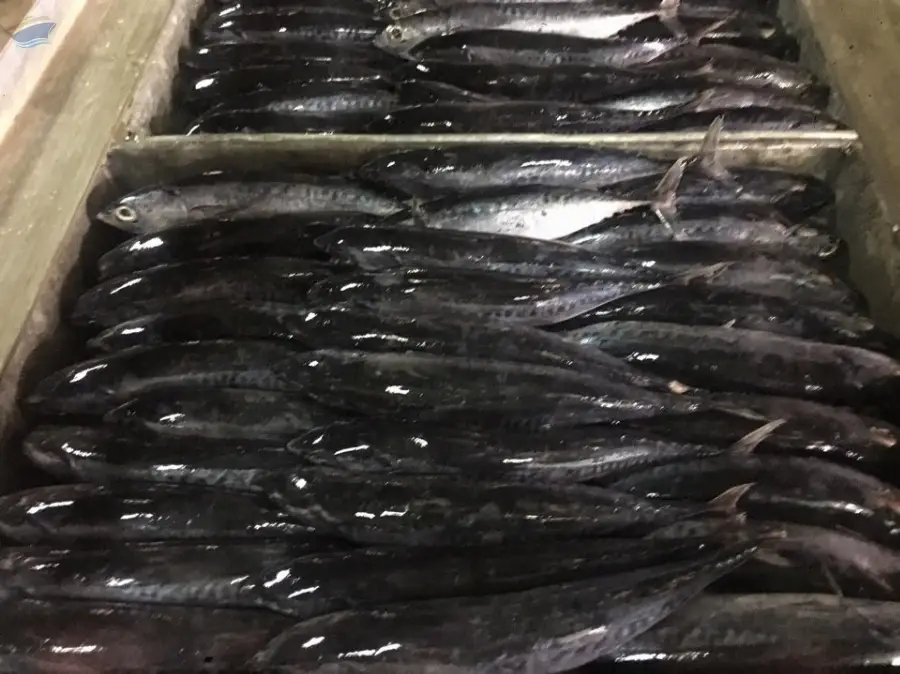
The catalogue enumerates items such as Rohu Fish, Rohu Steak, Tilapia Fish, Tilapia Steak, Pangasius Fish, Kingfish, Tiger Shrimp, Cuttlefish and related clean‑tray presentations. In the broader industry, freshwater species like Rohu and Tilapia are graded by length (usually 20‑30 cm) and weight (approximately 200‑400 g per fish), while marine species such as Kingfish are evaluated for fillet yield and skin quality. Shrimp from Thailand are commonly classified by count‑per‑kg ranges (e.g., 16‑20 pcs/kg for larger Tiger Shrimp) and are inspected for shell integrity and moisture content below 8 %. Typical packaging for these products includes vacuum‑sealed poly‑bags, insulated cartons and 20‑ft or 40‑ft refrigerated containers, allowing 10‑14 days of transit under controlled temperature.
Industry standards for frozen fish require an ice temperature of - 18 °C or lower and a moisture loss not exceeding 5 % of original weight. Fresh‑chilled fish are usually delivered at 0 °C to 4 °C with a shelf‑life of 3‑5 days, and buyers often request a Certificate of Analysis confirming microbial limits such as total plate count below 5 × 10⁵ cfu/g. The product mix listed by Marine Frozen Foods aligns with these conventional specifications, providing both whole fish and value‑added cuts that suit processing, retail and food‑service applications.
Trade and Export Information - Marine Frozen Foods Co., Ltd
Thailand is one of the world’s top exporters of aquaculture and capture‑based seafood, supplying Asian markets such as Vietnam, Malaysia and Singapore as well as the Middle East, Europe and North America. Exporters of freshwater carp, tilapia and pangasius generally ship under HS 0302/0303 with documentation that includes a health certificate from the Thai Department of Livestock Development and, where required, a sanitary certificate complying with Codex Alimentarius standards. Shrimp and other crustaceans fall under HS 0306 and often require additional attestations such as HACCP compliance, BRC Global Standard or ISO 22000 certifications, especially for EU and US buyers. Typical Incoterms used by Thai seafood firms are FOB Bangkok or CIF destination, with containerized shipments that may be pre‑cooled to - 20 °C for frozen products or insulated for fresh/chilled loads.
The Thai government supports seafood export through the Ministry of Commerce’s “One Door” system, which streamlines customs clearance and health inspection. Buyers importing these goods should be aware of residue limits for heavy metals (e.g., lead <0.2 mg/kg) and pesticide residues that are enforced by importing country authorities. Logistics often involve refrigerated trucks to the port of Laem Chabang, followed by reefer container loading onto vessels that maintain the cold chain throughout the voyage.
Sourcing from Marine Frozen Foods Co., Ltd - Buyer Guidance
When sourcing from Marine Frozen Foods, buyers should request the latest HACCP or ISO 22000 audit reports, as well as a health certificate that specifies compliance with the Codex limits for pathogens and chemical residues. Samples of each product type - such as a fresh Rohu fillet, a frozen Tilapia steak and a Tiger Shrimp batch - should be examined for size uniformity, flesh firmness and absence of off‑odors; laboratory testing for total plate count, coliforms and heavy metals is standard practice before large orders. Verify that the packaging meets the buyer’s temperature control specifications, and confirm the container loading plan (e.g., 20‑ft reefer for frozen fish, 40‑ft insulated box for fresh whole fish) to ensure the cold chain is not broken.
It is advisable to obtain a pre‑shipment inspection report from an accredited third‑party agency, which will document product weight, temperature, and compliance with the agreed HS‑code description. Clarify the minimum order quantity (often expressed in metric tonnes or container loads) and lead time, which for Thai seafood can range from 15 days for fresh products to 30 days for frozen shipments, depending on processing and seasonality.
Frequently Asked Questions About Marine Frozen Foods Co., Ltd
What types of fish does Marine Frozen Foods list in its catalogue?
The catalogue includes Rohu, Tilapia, Pangasius, Kingfish, carp varieties, barracuda, silver carp, and processed forms such as steaks, clean trays and GGS cuts.
Does the supplier provide shrimp products?
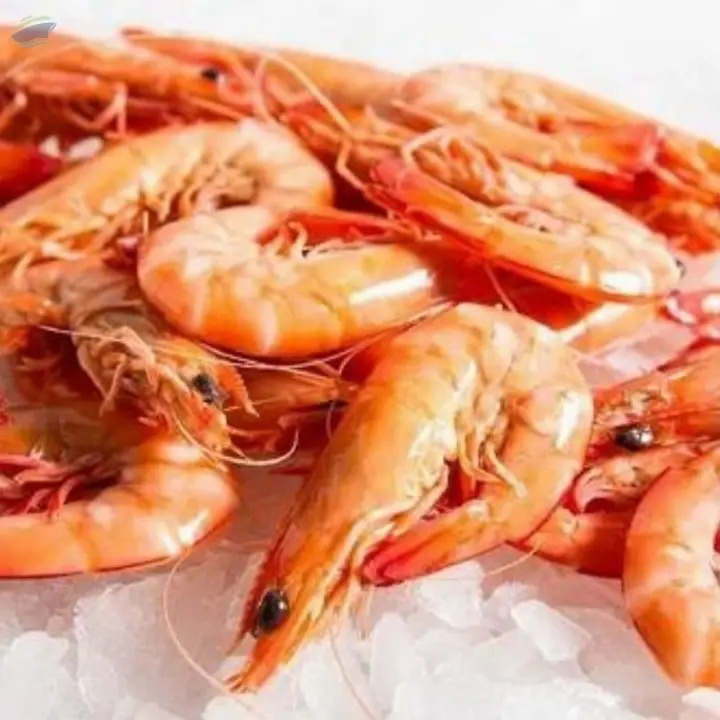
Yes, Tiger Shrimp is listed among the products, which falls under the HS 0306 crustacean category commonly graded by count‑per‑kilogram.
Which HS codes are relevant for the listed seafood items?
Fresh fish such as Rohu and Tilapia are covered by HS 0302, frozen fish by HS 0303, fish fillets and steaks by HS 0304, and shrimp by HS 0306. These codes are used by customs to classify the goods.
What certifications should a buyer request before purchasing?
Buyers should ask for HACCP or ISO 22000 audit reports, a health certificate that meets Codex standards, and any BRC or GMP documentation required by the destination market.
What are the typical packaging and shipping methods for these products?
Products are usually packed in vacuum‑sealed poly‑bags inside insulated cartons, then loaded into refrigerated containers (20‑ft or 40‑ft) for frozen items or insulated containers for fresh/chilled fish, with temperature controls maintained throughout transit.
What quality tests are standard for Thai seafood exports?
Standard tests include total plate count, coliform count, Salmonella presence, heavy‑metal analysis (lead, mercury) and pesticide residue checks, all documented in a Certificate of Analysis.
What is the usual lead time for orders from Marine Frozen Foods?
Lead times typically range from 15 days for fresh‑chilled fish to 30 days for frozen products, depending on processing schedules and seasonal availability.
How can a buyer verify the size and weight specifications of the fish?
Buyers should request a pre‑shipment inspection report that records average length, weight per unit and fillet yield, which are standard metrics used in the industry for species such as Tilapia (20‑30 cm) and Rohu (25‑35 cm).




 , Thailand