CV Lintas Tujuh Benua — Verified Trader & Wholesale Supplier
About CV Lintas Tujuh Benua - Biscuits Supplier in Indonesia
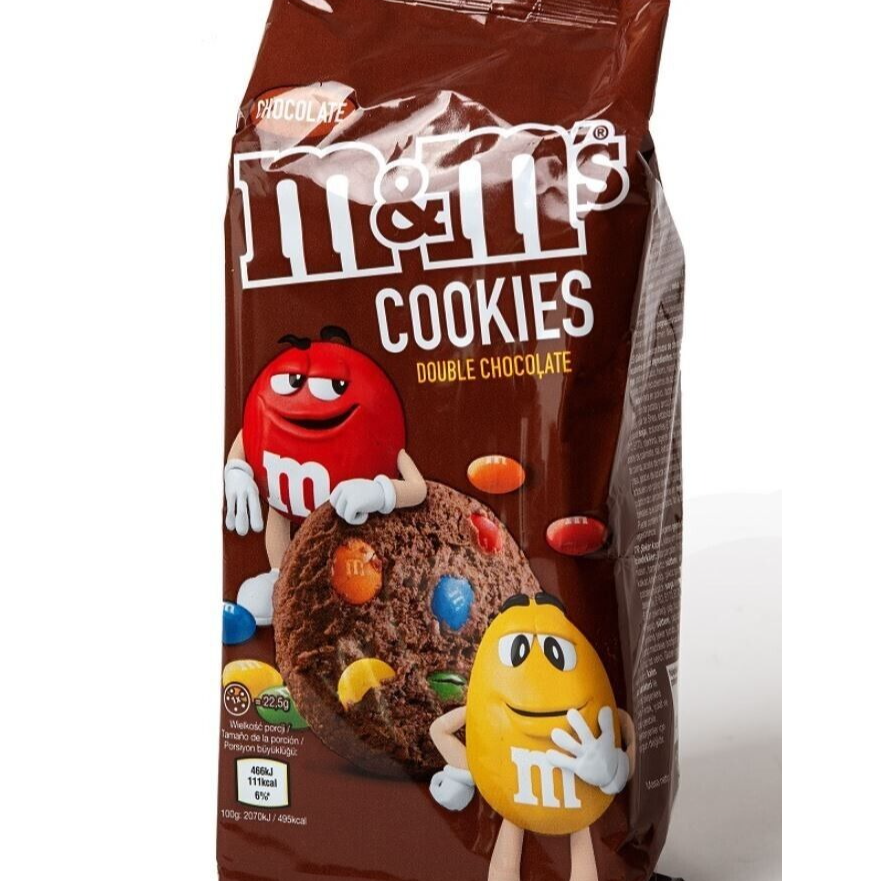
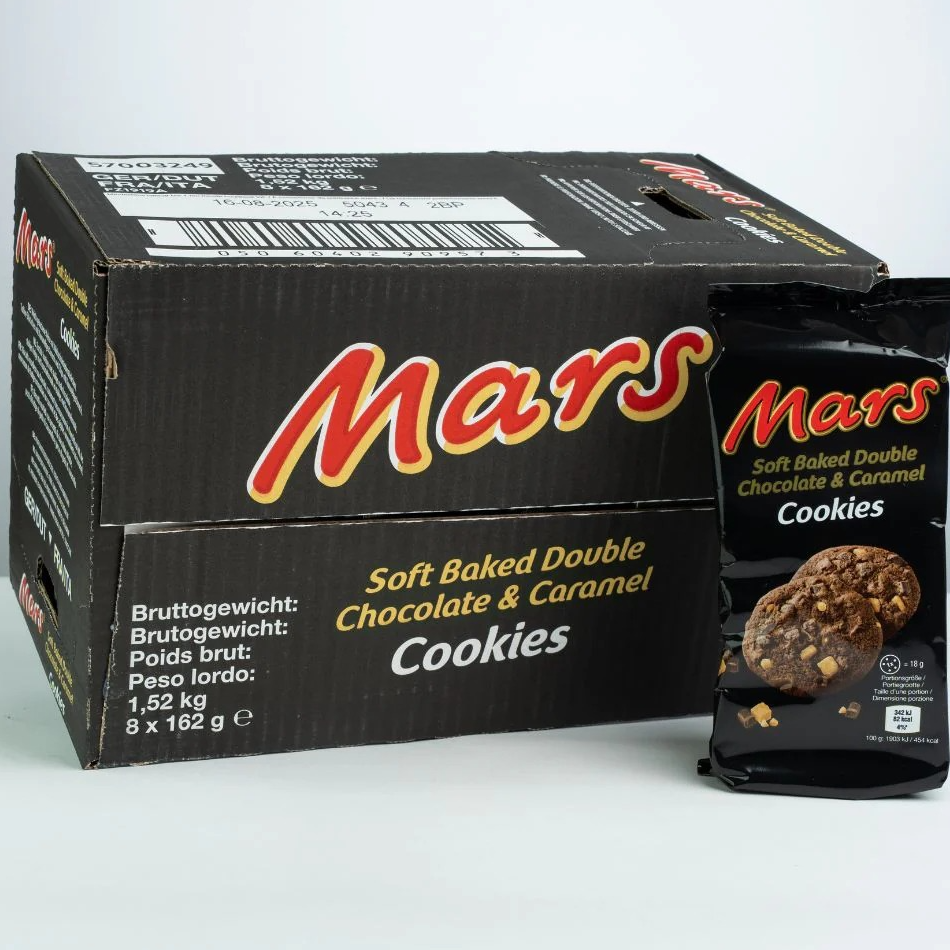
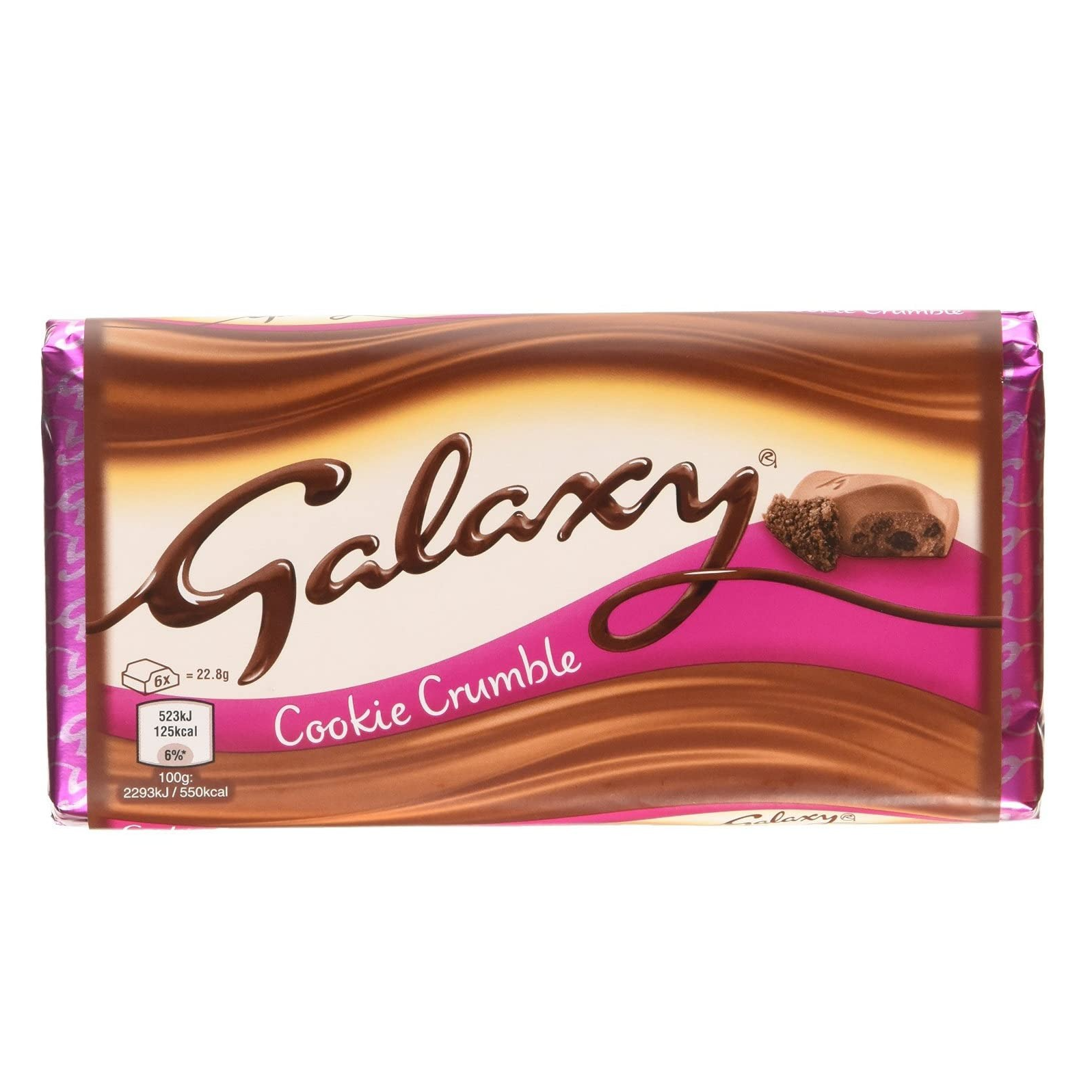
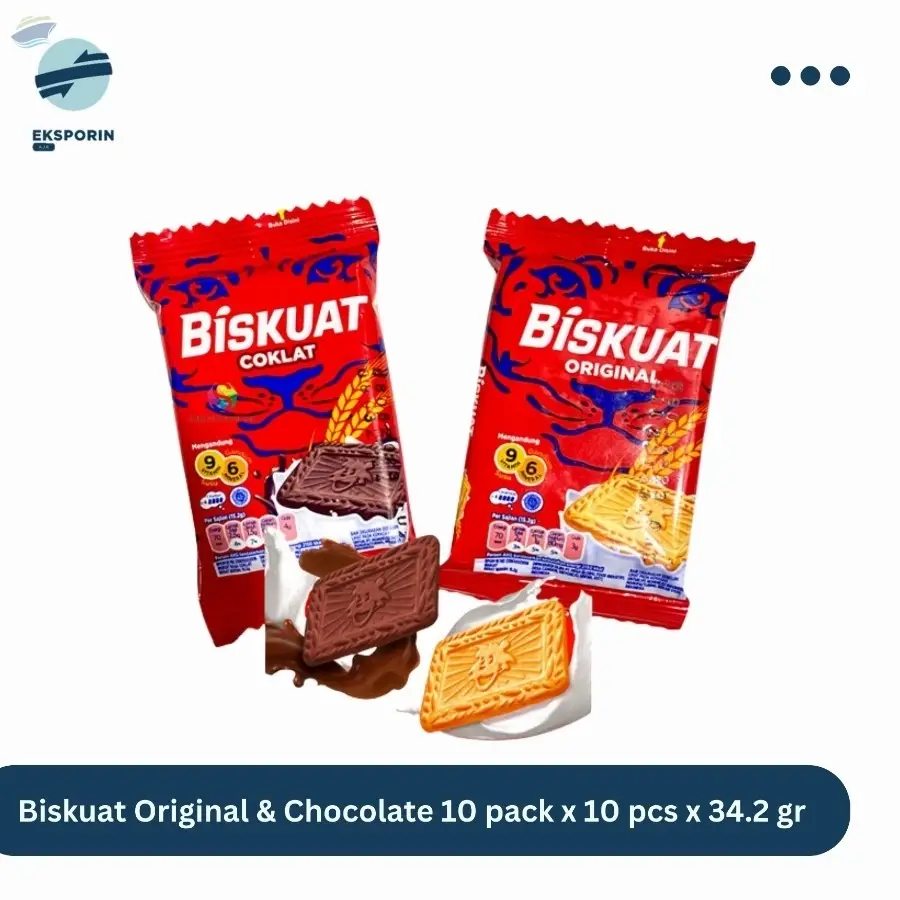
Indonesia, Surabaya in East Java, hosts CV Lintas Tujuh Benua with an active catalogue of 1,424 product listings. The company’s catalogue concentrates on packaged snack foods, primarily biscuits and wafer‑type treats, each recorded under HS Chapter 19 codes that cover prepared food products. Several entries cite HS 1905.30, 1905.31 and 1905.32, indicating sweet biscuits, chocolate‑coated biscuits and wafer rolls respectively, with detailed ingredient statements that list wheat flour, various sugars, vegetable or palm oil, cocoa powders, dairy derivatives and flavor fillings.
The listed items span a range of formats such as 28 g dip sticks, 60 g vegetable sticks, 80 g assorted bear biscuits and 260 g wafer rolls. Materials disclosed include wheat flour bases, multiple flavor creams (vanilla, chocolate, strawberry, coffee) and specific fruit or nut fillings such as pineapple jam or peanut paste. Where HS codes are provided, they align with the ingredient profiles, for example HS 1905.31 for chocolate‑flavored biscuits containing cocoa powder and milk solids. The catalogue also contains products without explicit HS codes, but they fall under the same 1905 family of sweet bakery goods.
Product Range and Specialties of CV Lintas Tujuh Benua
The catalogue features sweet biscuits and wafer snacks that are typical of the Indonesian FMCG segment. Products such as the Biskotto Kosls Bear line and Hatari Twins series use standard biscuit formulations: wheat flour, refined sugar, vegetable oil, leavening agents and a variety of flavor fillings. In the broader industry, biscuits of this type are commonly produced to a moisture content of 4‑6 % and packaged in airtight laminates to preserve crispness for 12‑18 months. Typical grades include “standard sweet biscuit” (no specific numeric grade) but buyers often look for compliance with HACCP and ISO 22000 food safety systems, as well as Halal certification for the Indonesian market.
Industry specifications for wafer rolls and dip sticks frequently reference a minimum of 20 % total fat from vegetable or palm oil, a cocoa content of 10‑15 % for chocolate‑coated items, and dairy solids of 5‑8 % for milk‑based fillings. Packaging formats range from 20 g individual sachets to 670 g family packs, usually sealed in multi‑layer plastic or foil pouches that meet ASTM D3955 puncture resistance standards.
Trade and Export Information - CV Lintas Tujuh Benua
Indonesian biscuit exporters typically ship to the European Union, the United States, the Middle East and Southeast Asian neighboring markets. The HS 1905.30‑1905.32 family is monitored by customs authorities for accurate ingredient declaration, especially for cocoa, dairy and nut content, which may trigger additional phytosanitary or allergen inspections. Buyers commonly require certificates such as ISO 9001 quality management, HACCP food safety plans and, for Muslim‑majority destinations, Halal accreditation. Export logistics often involve 20 ft or 40 ft containers with pallets of sealed pouches, and the prevailing Incoterms are FOB Surabaya or CIF destination port.
Indonesia’s food export framework mandates that biscuit products meet the National Agency of Drug and Food Control (BPOM) standards, which align closely with Codex Alimentarius limits for contaminants like aflatoxin and pesticide residues. Shipping documentation generally includes a commercial invoice, packing list, certificate of origin, and a health certificate for processed foods.
Sourcing from CV Lintas Tujuh Benua - Buyer Guidance
When evaluating CV Lintas Tujuh Benua’s biscuit line, buyers should request a full ingredient specification sheet, allergen declaration and the latest laboratory analysis for moisture, fat and microbial limits. Sample requests are standard practice; a 5‑kg trial shipment in the same packaging as the commercial unit allows verification of texture, flavor stability and shelf‑life performance under the buyer’s storage conditions. Verify that the supplier can provide HACCP or ISO 22000 audit reports, and confirm whether Halal certification is available if required for the target market.
Before placing a bulk order, check the HS code listed for each product to ensure correct tariff classification and to anticipate any import restrictions on cocoa or dairy ingredients. Confirm packaging dimensions and weight per carton to calculate container loading efficiency - typical biscuit cartons weigh between 10 kg and 25 kg and fit six to eight cartons per Euro‑pallet.
Frequently Asked Questions About CV Lintas Tujuh Benua
Which HS codes are used for the biscuits listed by CV Lintas Tujuh Benua?
The catalogue assigns HS 1905.30 to sweet biscuits with vanilla or fruit fillings, HS 1905.31 to chocolate‑flavored or dairy‑based biscuits, and HS 1905.32 to wafer rolls and specialty snack sticks.
What typical ingredient specifications apply to these biscuits?
Most items contain wheat flour as the base, refined sugar, vegetable or palm oil, and specific flavor fillings such as cocoa powder, milk solids, strawberry puree or peanut paste. Moisture levels are usually kept below 6 %.
Are any certifications required for importing these products?
Importers generally request HACCP or ISO 22000 food safety certificates, ISO 9001 quality management proof and, for Muslim‑majority destinations, Halal certification. These are not listed in the supplier’s facts but are standard industry requirements.
What is the usual packaging size for the listed biscuit products?
Packaging ranges from 28 g individual sachets to 670 g family‑size sticks, all sealed in multi‑layer plastic or foil pouches designed for a shelf life of up to 18 months.
How are the biscuits typically shipped from Surabaya?
Export shipments are commonly packed in 20 ft or 40 ft containers, using Euro‑pallets loaded with cartons that weigh between 10 kg and 25 kg each. FOB Surabaya or CIF to the buyer’s port are the prevailing Incoterms.
What sample or testing procedures should a buyer follow?
Buyers should request a 5‑kg sample in original packaging, obtain a laboratory report covering moisture, fat, microbial limits and any allergen testing, and conduct a sensory evaluation before confirming larger orders.
Can the supplier provide ingredient variations, such as gluten‑free or vegan options?
The catalogue lists only wheat‑based formulations; any alternative formulations would need to be negotiated separately and would likely be classified under different HS codes.
What is the lead time for a standard biscuit order?
While the catalogue does not specify lead times, typical Indonesian biscuit manufacturers require 4‑6 weeks from order confirmation to container loading, subject to raw‑material availability and export documentation processing.




 , Indonesia