Valampuri Impex — Verified Supplier
About Valampuri Impex - Quartz Supplier in India
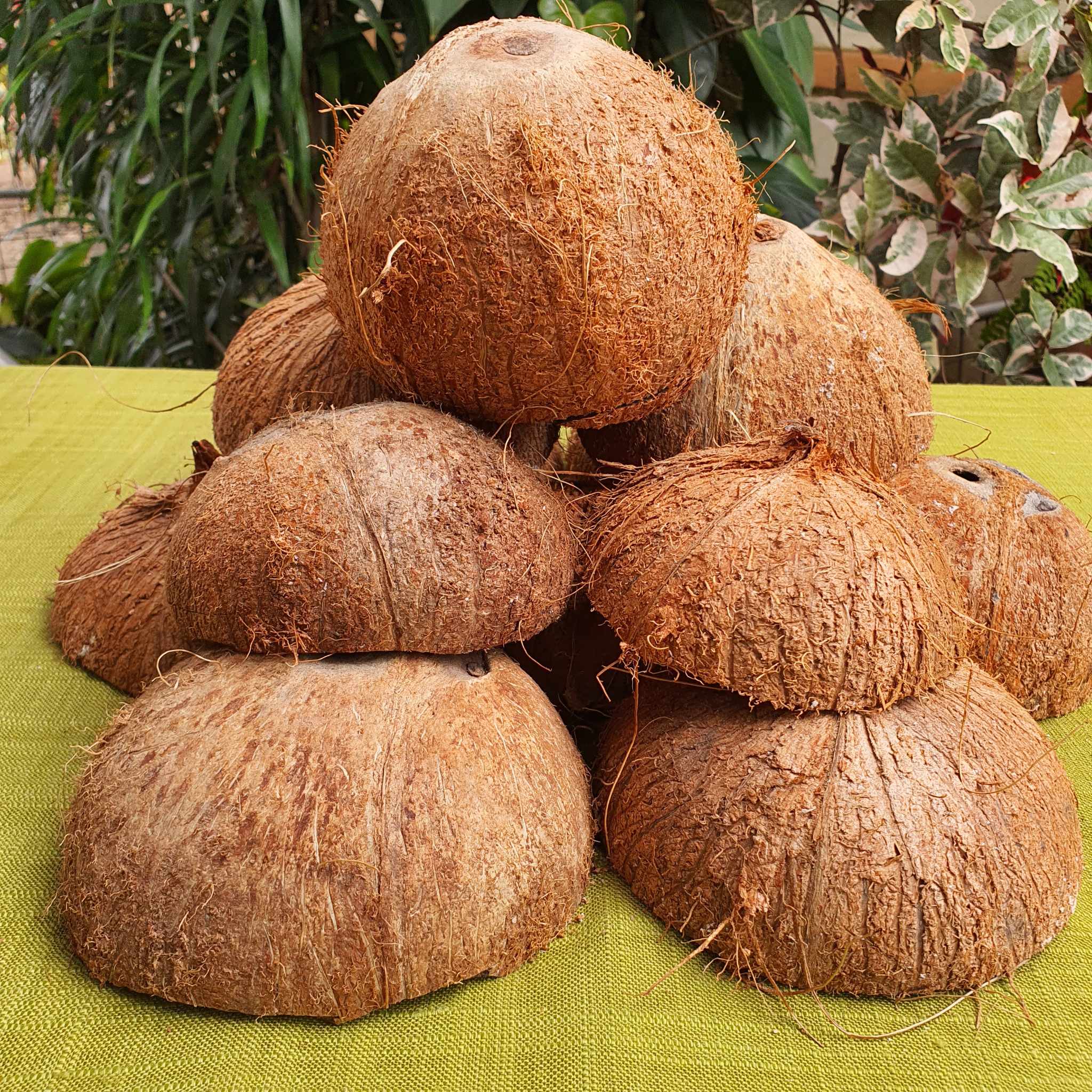
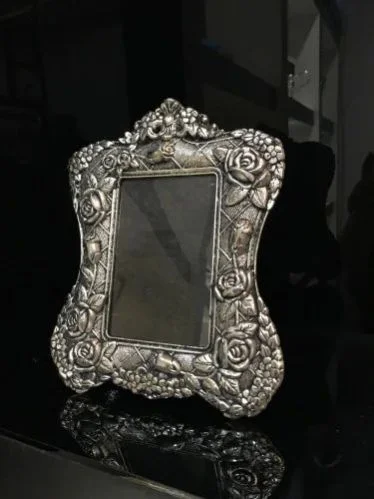
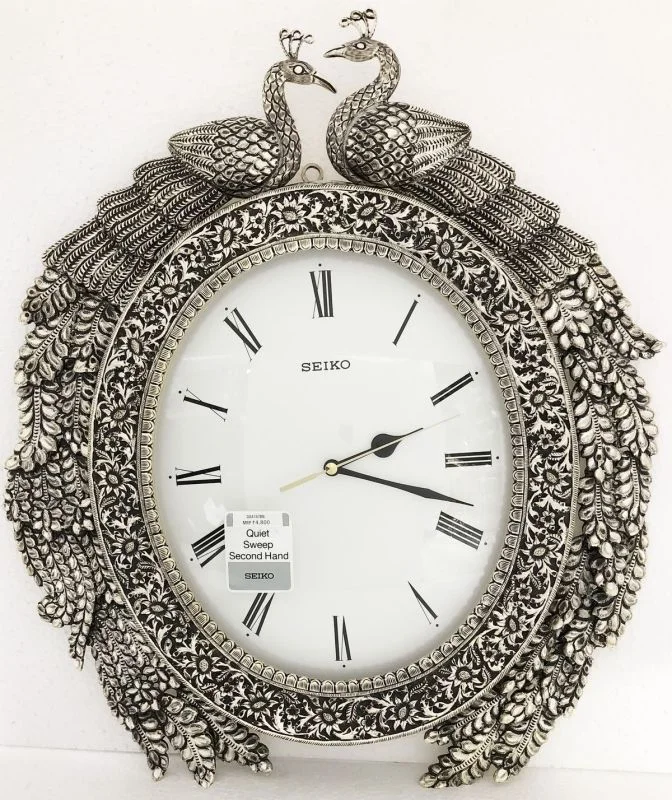
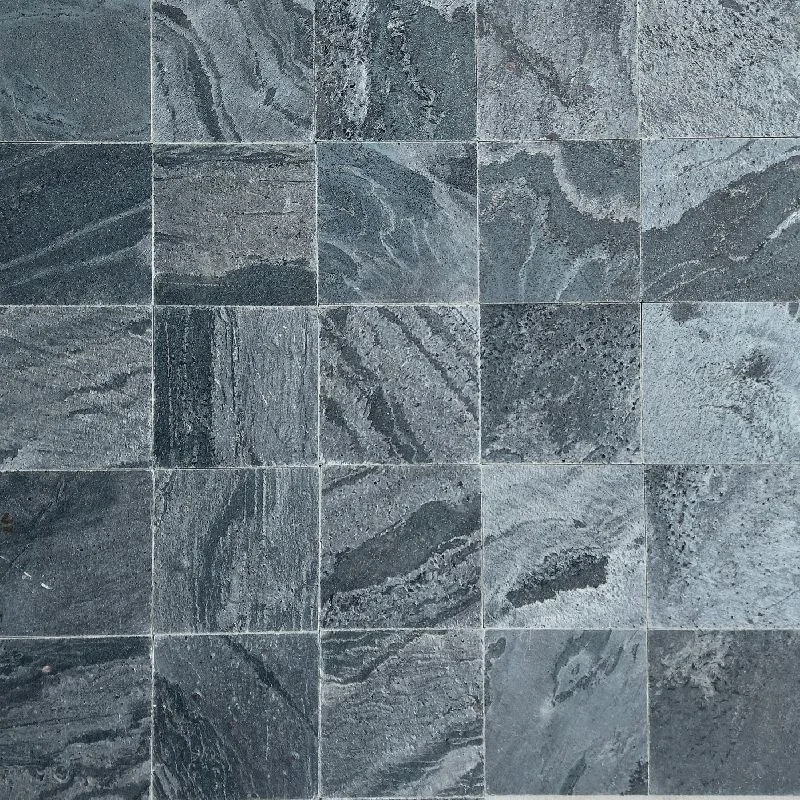
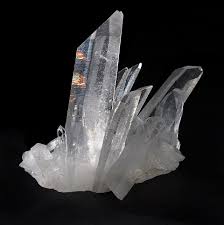
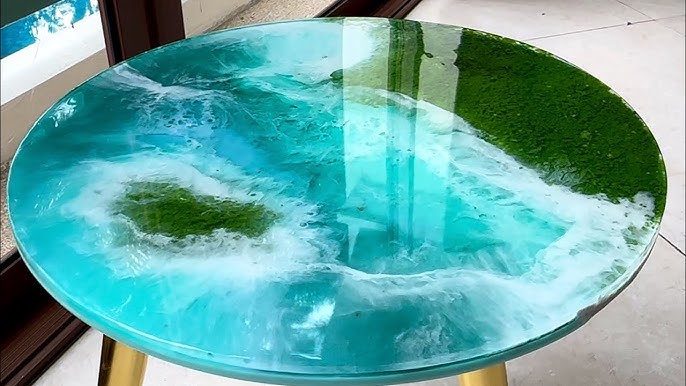
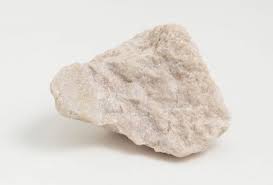
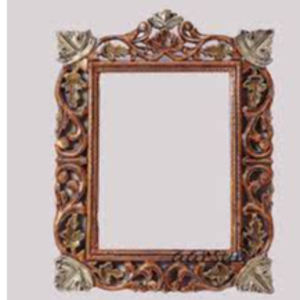
Valampuri Impex operates from India and currently lists nine active products covering quartz, seaweed, seashells, black cardamom, photo frames, various crustacean seafood items and resin. The catalogue specifies quartz grits (HS 2506.10, silica dioxide), spilit cassia bark (HS 0906.20, Cinnamomum cassia), hermit crab shells natural (HS 0508.00, natural mollusk shell) and operculum pieces (HS 9705.00, natural quartz with fossilised operculum). Additional entries without explicit HS codes include a carved sea shell with lord prayers, sea shell photo frames, sea shell clocks, ornamental sea shells and damar batu, all of which fall under the broader seashell and decorative resin categories. The product set reflects a mix of mineral, botanical and marine ornamental materials suitable for industrial, culinary and decorative applications.
Product Range and Specialties of Valampuri Impex
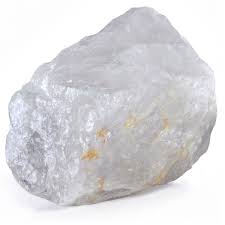
The quartz grits offered under HS 2506.10 are silica‑based abrasives typically supplied in particle size ranges such as 80‑120 mesh or 150‑200 mesh, with purity levels above 99 % SiO₂ for grinding or sandblasting uses. Spilit cassia, classified under HS 0906.20, is a dried bark spice where commercial grades are measured by moisture content (≤12 %) and essential oil yield (≈2‑3 %). Hermit crab shells listed under HS 0508.00 are natural mollusk shells commonly graded by size (30‑80 mm) and colour uniformity for ornamental or craft purposes. Operculum items (HS 9705.00) are treated as antique or collectible natural quartz pieces, often assessed by weight (10‑200 g) and fossil integrity. The remaining sea‑shell décor items and damar batu are typical Indian ornamental products where size, finish and absence of cracks are the primary quality criteria.
Trade and Export Information - Valampuri Impex
India exports quartz minerals, spices and marine ornaments to regions such as the European Union, United States, Middle East and Southeast Asian markets, with HS 2506, 0906, 0508 and 9705 forming the core tariff headings. Buyers usually require ISO 9001 quality management certification for mineral and resin products, while food‑grade spices and seafood are subject to HACCP, FSSAI and phytosanitary certificates. Standard export packaging includes 20‑ft or 40‑ft containers with wooden pallets for bulk quartz, sealed food‑grade bags for cassia and hermit crab shells, and cushioned cartons for delicate shells and opercula. Common Incoterms are FOB or CIF, and customs authorities often request a commercial invoice, packing list, certificate of origin and, where applicable, a health certificate for seafood or a sanitary certificate for spices.
Sourcing from Valampuri Impex - Buyer Guidance
When sourcing quartz grits from Valampuri Impex, request a material safety data sheet (MSDS) that confirms SiO₂ purity, particle size distribution and any moisture content. For spilit cassia, ask for a recent laboratory analysis showing moisture level, essential oil percentage and compliance with spice‑grade standards. Hermit crab shells and operculum pieces should be accompanied by a sample photo, dimensions and a declaration of natural origin to avoid misclassification as synthetic. Because the supplier does not list specific certifications, buyers are advised to verify any ISO, HACCP or phytosanitary certificates directly before confirming large orders, and to request a pre‑shipment inspection report for seafood or organic‑type products.
Frequently Asked Questions About Valampuri Impex
What HS codes are used for the quartz products listed by Valampuri Impex?
Quartz grits are classified under HS code 2506.10, which covers silica sand and quartz grinding media.
Which certification should a buyer request for the spilit cassia spice?
Buyers typically request a HACCP or FSSAI food‑safety certificate and a recent laboratory test report showing moisture ≤12 % and oil content around 2‑3 %.
How are hermit crab shells packaged for export?
They are usually packed in sealed food‑grade bags or cushioned cartons, stacked on wooden pallets and loaded into 20‑ft containers to protect against breakage.
What documentation is needed for importing operculum items classified under HS 9705.00?
A commercial invoice, packing list, certificate of origin and, if required by the destination, an antique or art export permit should be provided.
Are there typical minimum order quantities for the sea‑shell décor items?
While the catalogue does not specify, exporters often set MOQs of 500‑1,000 units per design, depending on size and packaging requirements.
What lead time can a buyer expect for a sample of quartz grits?
Sample preparation and dispatch typically take 7‑10 working days, after the buyer confirms the required mesh size and quantity.
Which markets commonly import Indian marine ornamental products?
The European Union, United States and Gulf Cooperation Council countries are the main importers of Indian seashell and decorative marine items.
What inspection standards apply to the seafood category listed by Valampuri Impex?
Seafood exports from India are generally subject to HACCP compliance, a health certificate issued by the Directorate General of Foreign Trade and a phytosanitary certificate for live or processed crustaceans.




 , India